

Digital Guide Helps Chinese Tourists Navigate Russian Cities
Developers in Rostov created a digital service that introduces foreign visitors to the city and helps guests from China adapt more quickly

Russian developers have created a digital guide for international tourists. The idea for the project emerged after analyzing foreign audio-guide platforms widely used by travelers in Europe. With Russia’s tourism market growing rapidly, developers concluded that visitors need a more convenient format to explore cities.
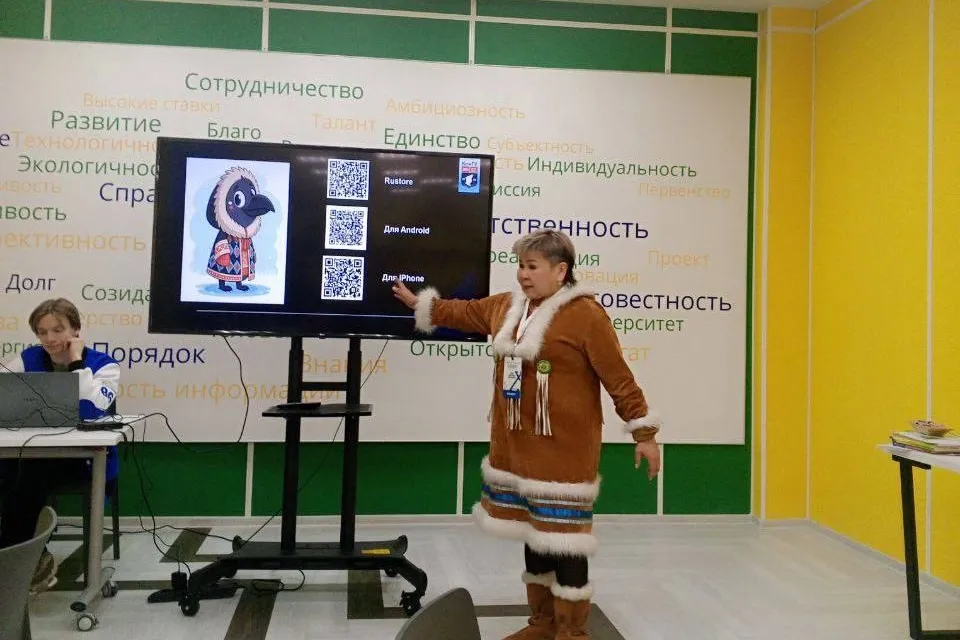
The team ultimately developed a system called Sloy tsifrovykh ekskursiy otelya (Hotel Digital Excursion Layer). The service operates through QR codes placed inside hotels. Guests simply scan a code to access audio routes and reference information, eliminating the need to install a separate mobile application.
Routes for Visitors From China
While working with hotels in Russia’s Far East, developers noticed the growing number of Chinese tourists. That observation led to the idea of routes designed to help visitors gradually adapt to Russian urban environments.
Each route includes around 10–12 stops. The first points are located inside the hotel to help guests navigate the infrastructure. After that, tourists head out for a walk through the city.
From Idea to Product Through Chechnya
Before launching the project, the developers analyzed more than 5,000 reviews of hotels and excursions. The study identified the places most frequently mentioned by travelers and the problems tourists encounter during their trips. At the same time, the team spoke directly with visitors.
Hotel owners in southern Russia initially reacted cautiously to the project. Many wanted to see real implementation examples before adopting the technology. The startup therefore decided to launch its pilot in another region.
The first partners appeared in Chechnya, where nine hotels agreed to test the service. Two hotels already use the digital routes, while the others are preparing to launch them. The team now uses these pilot cases when presenting the platform to other regions.
Integration With Chinese Digital Platforms
Developers are also considering the specifics of China’s digital ecosystem. Tourists from China actively use domestic messaging and service platforms.