

Digital Twins Used to Model the Closed Nuclear Fuel Cycle
Scientists in the Russian city of Snezhinsk have held a scientific seminar focused on modeling technologies for the nuclear fuel cycle. Researchers discussed how advanced digital tools can replace complex and costly experiments, enabling the design of radiochemical production processes in a virtual environment.
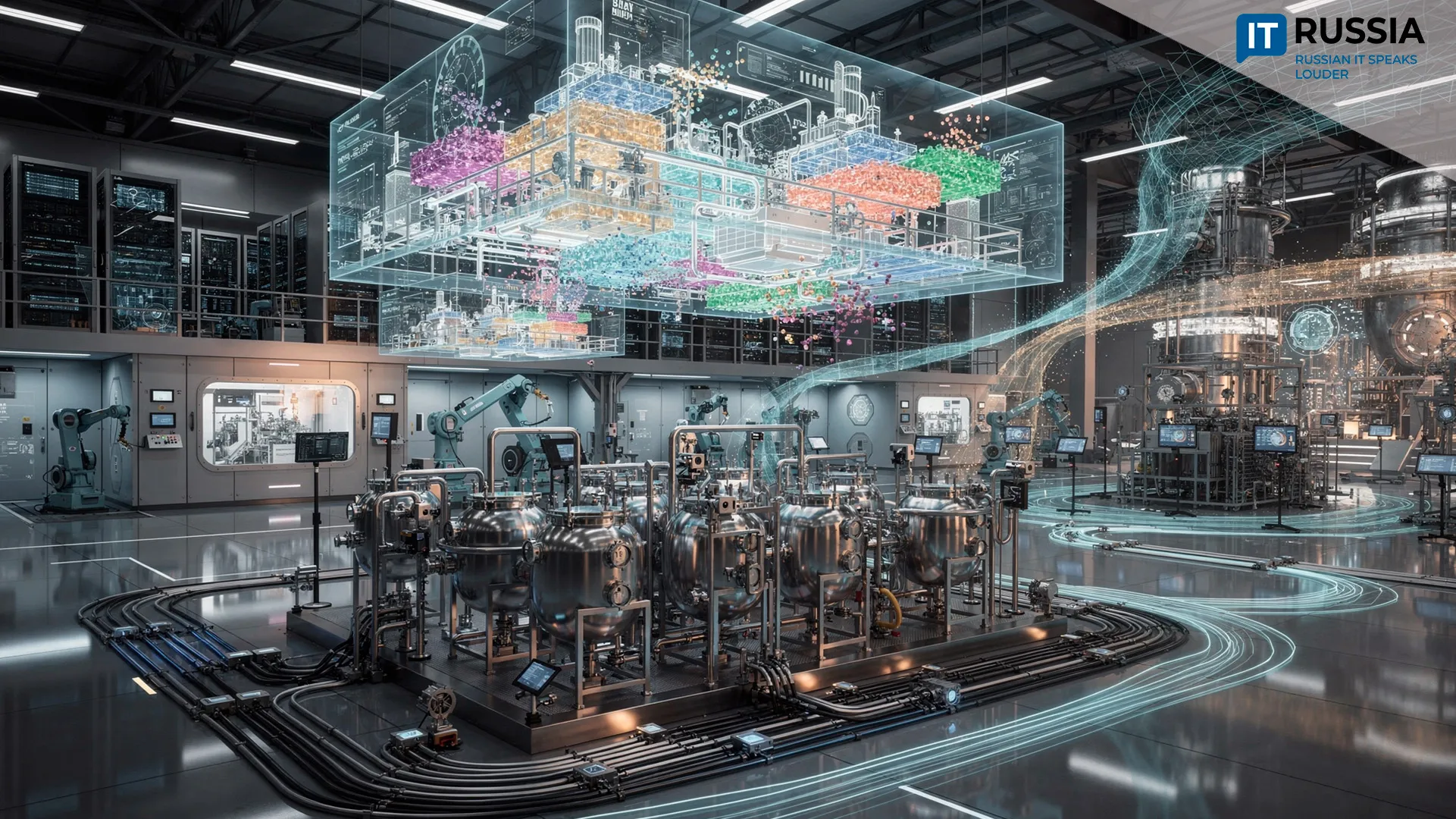
Until recently, radiochemical processes were studied primarily through experimental work. Each test involving radioactive materials required specialized facilities, extensive radiation protection for personnel and complex waste disposal procedures. The cost of a single experiment could reach hundreds of thousands or even millions of rubles, while preparation often took months.
Digital modeling makes it possible to simulate chemical and technological processes before real production begins. Scientists can analyze every stage of spent nuclear fuel reprocessing, calculate parameters of chemical reactions and forecast the formation of radioactive waste without risk to people or the environment. This approach significantly reduces development time and lowers costs during the design stage.
Three-Dimensional Physicochemical Processes
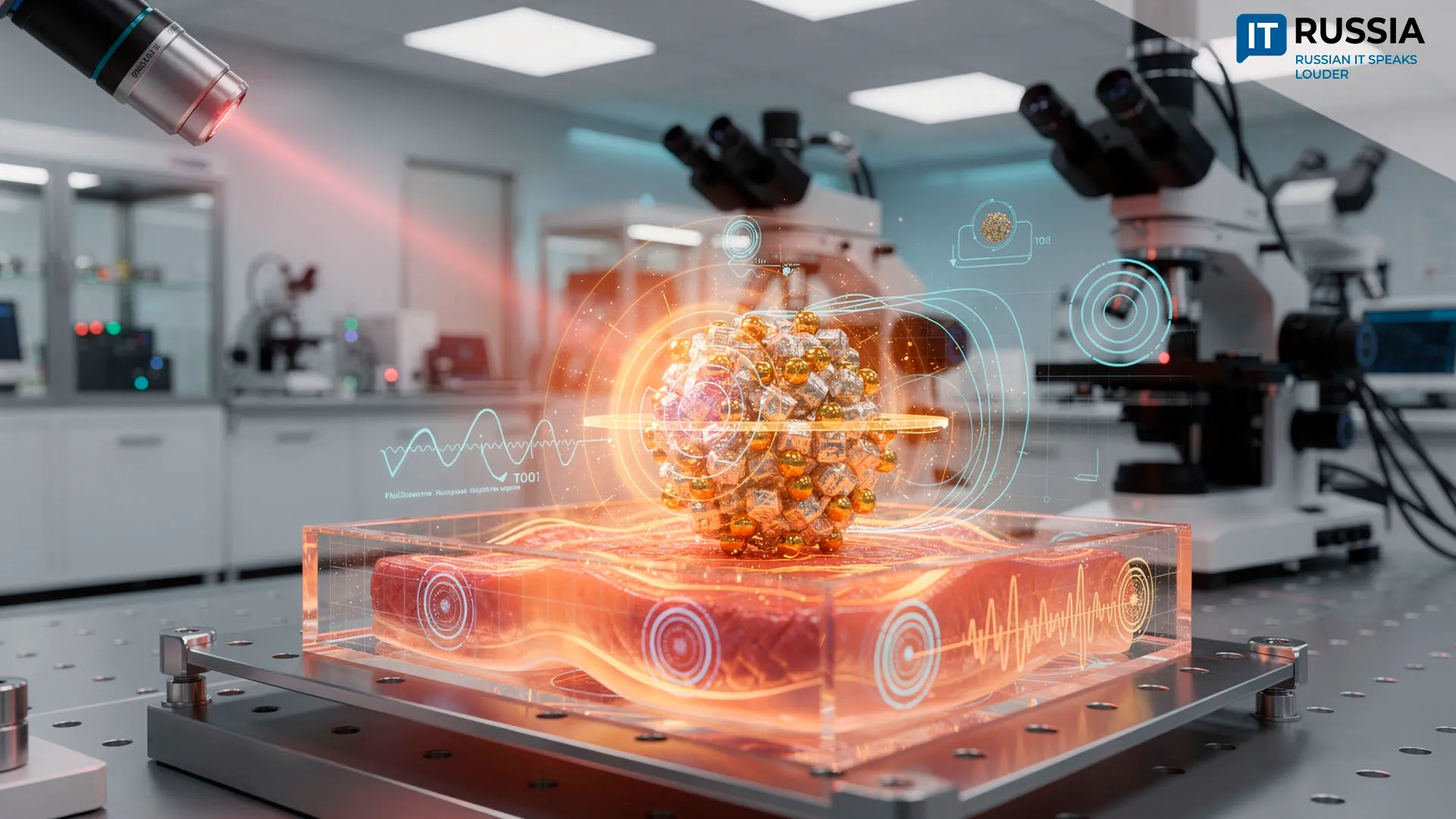
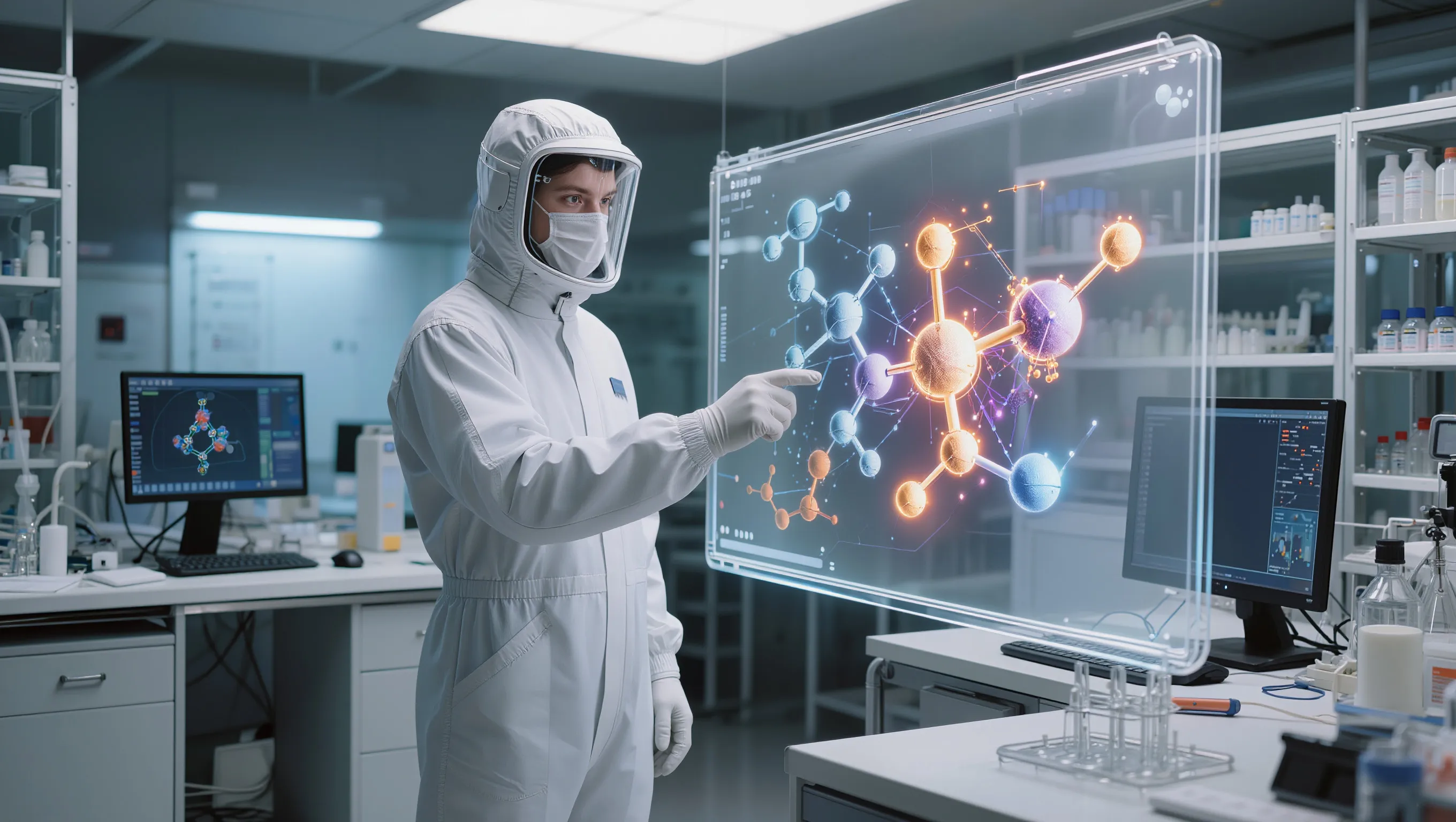
One of the key tools discussed at the seminar was a software package developed by the Russian engineering company TESIS for three-dimensional modeling of complex physicochemical processes. The system enables researchers to visualize how substances behave at the molecular level – how reagents interact in solution, how components separate during extraction and how precipitates form inside industrial equipment.
Such detailed modeling is especially important for radiochemistry, where even microscopic deviations in concentration or temperature can produce unpredictable results. Simulation allows engineers to identify potential bottlenecks in the technological chain long before equipment is manufactured.
Adapting Models for the BREST Reactor
A separate session focused on adapting computational codes for specific reactor installations. Particular attention was given to the BREST-OD-300 reactor currently under construction in Seversk in Russia’s Tomsk region as part of the strategic Proryv (Breakthrough) project. The reactor operates with fast neutrons and is designed to support a closed nuclear fuel cycle – a system in which spent nuclear fuel is reprocessed and reused to generate energy.
Digital models allow researchers to calculate how nuclear fuel will behave at every stage of the cycle, from irradiation inside the reactor to reprocessing and reuse. Such analysis is essential for ensuring the safety and efficiency of a closed fuel cycle, which many experts view as a cornerstone of the future nuclear energy system.
Digital Twins for Radiochemical Equipment
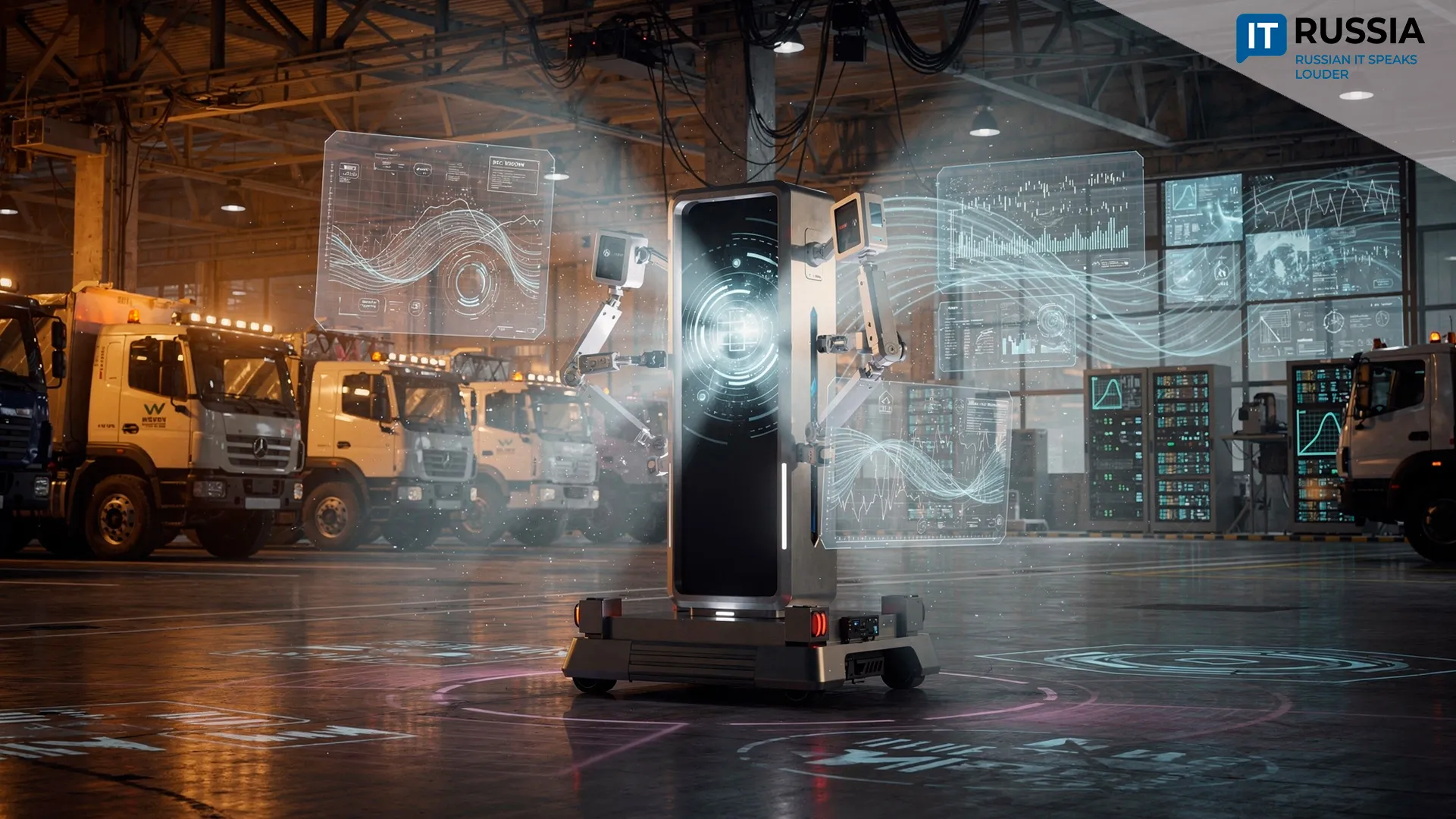
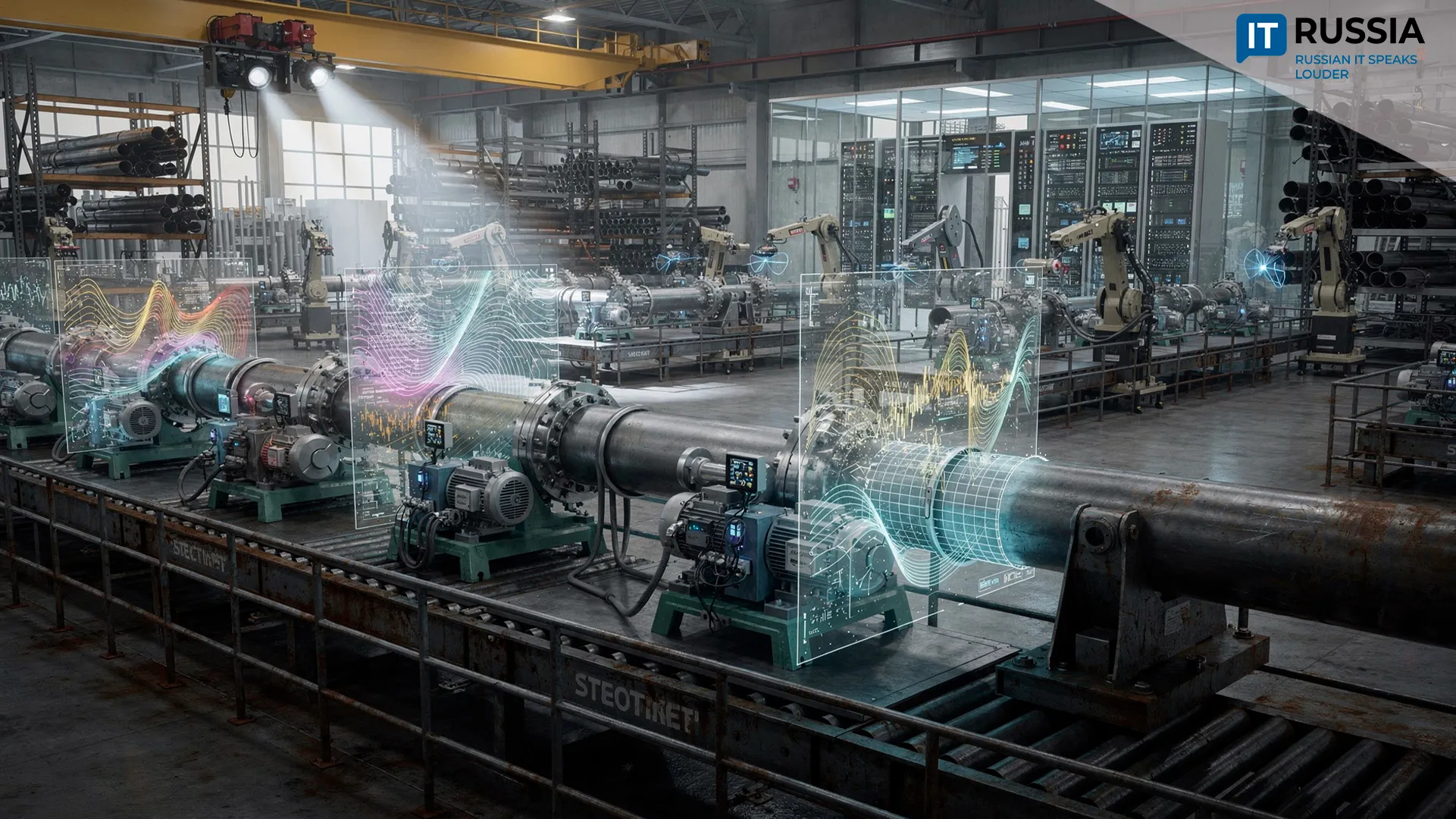
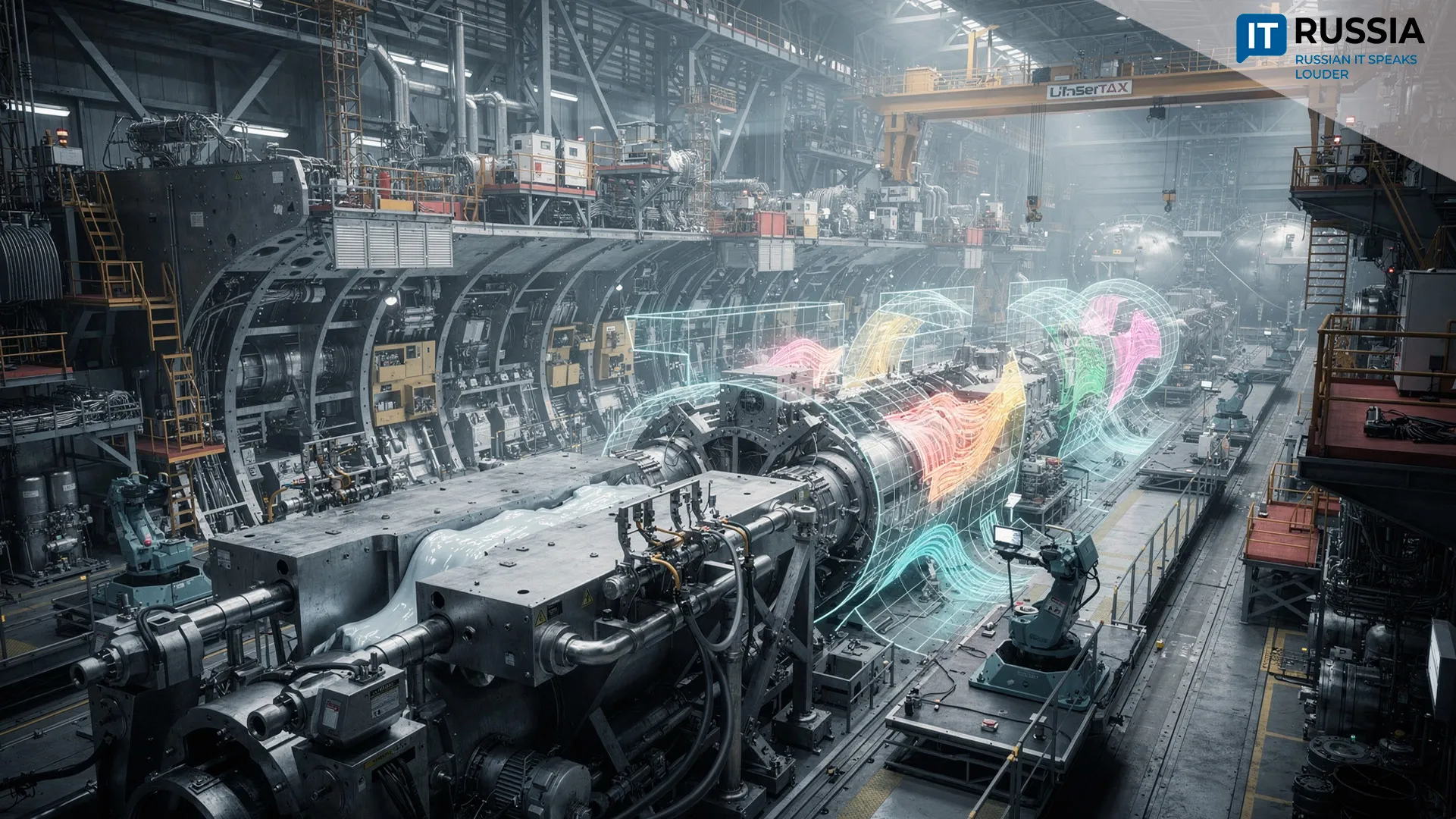
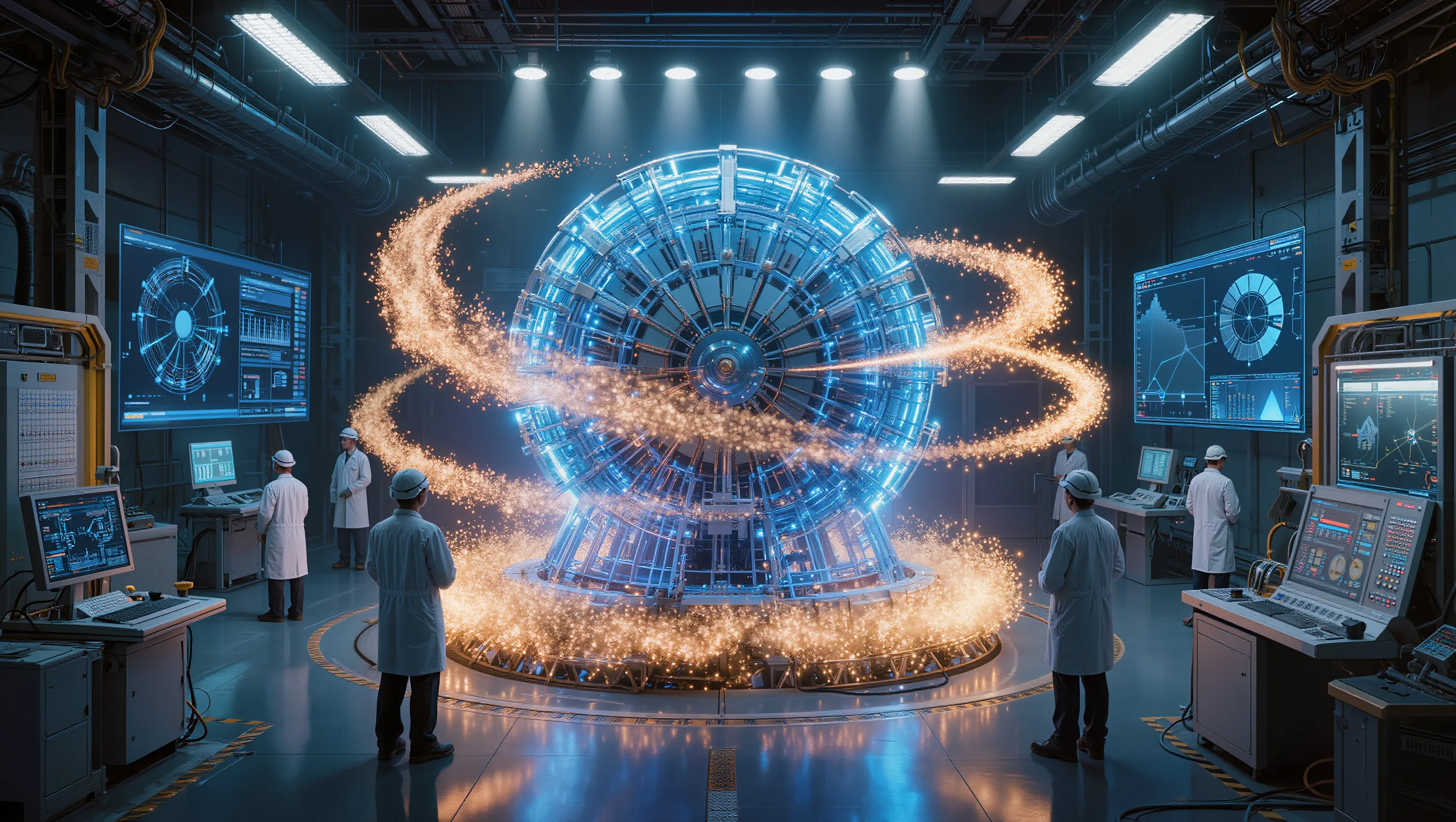
Participants at the seminar also discussed the creation of digital twins for technological equipment used in radiochemical plants. The virtual replicas would synchronize with real production data, including temperature, pressure and chemical composition of the processing environment. Using this data, the system could forecast component wear, optimize operating regimes and help prevent emergency situations.
For radiochemical facilities, where equipment operates under the aggressive influence of radiation and chemical reagents, these capabilities are particularly valuable. Predictive maintenance based on digital twins could extend the service life of critical systems and reduce the risk of technological disruptions.
Reducing Dependence on Imports
The seminar confirmed that Russia is actively developing its own digital ecosystem for the nuclear sector. Domestic software platforms are replacing foreign solutions in strategically important areas including design, modeling and management of nuclear technologies.
The Proryv project, centered on the BREST-OD-300 reactor, serves as a testing ground for these solutions. Successful digital modeling of radiochemical processes could later be replicated at other facilities across the nuclear fuel cycle and potentially applied to nuclear power plant projects abroad.
The Future of the Closed Fuel Cycle
Digital modeling is becoming a crucial instrument for achieving a strategic objective: establishing a closed nuclear fuel cycle by the 2030s.
The shift from experimental engineering to digital design has already begun. New technologies are first developed and optimized in a virtual environment before being deployed at real facilities. This approach accelerates innovation in the nuclear sector while strengthening its position in global technological competition.