“Smart Breeder” for Russia’s Livestock Industry
Agrosila Holding is boosting the genetic potential of cattle using digital breeding methods.
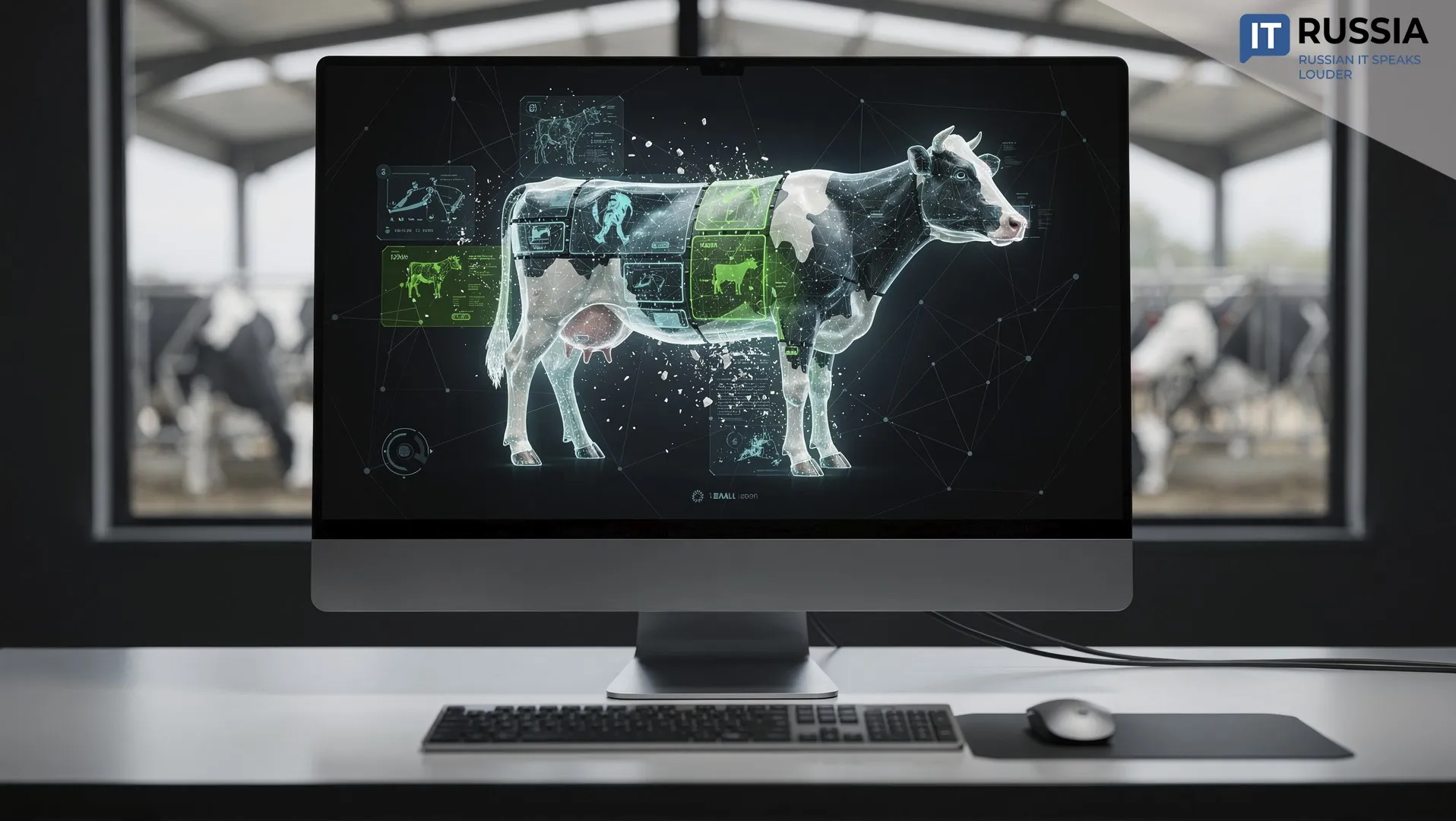
Digitalization is reaching every area of Russian agriculture, with livestock farming becoming one of the most important. Farmers are using digital technologies to optimize their operations to manage livestock facilities while also using advances by Russian breeders based on IT technologies. This is allowing them to improve the genetic qualities of farm animals in less time.
Agrosila Gets Stronger
One of Russia’s largest agricultural producers, Agrosila Holding, has begun transforming cattle breeding. The genetic potential of its animals is being improved using digital breeding methods. The goal is to increase the productivity of dairy herds while minimizing biological risks.
To achieve this, the company uses a digital matching method to select high-value semen from breeding bulls for individual cows. Specialized herd-management software helps livestock breeders identify the ideal bull for each animal. This makes it possible to offset individual weaknesses in a cow’s offspring, such as low milk yield or leg problems, while also strengthening her desirable traits. Breeders prioritize animals with good milk production, high fertility and strong hoof horn.
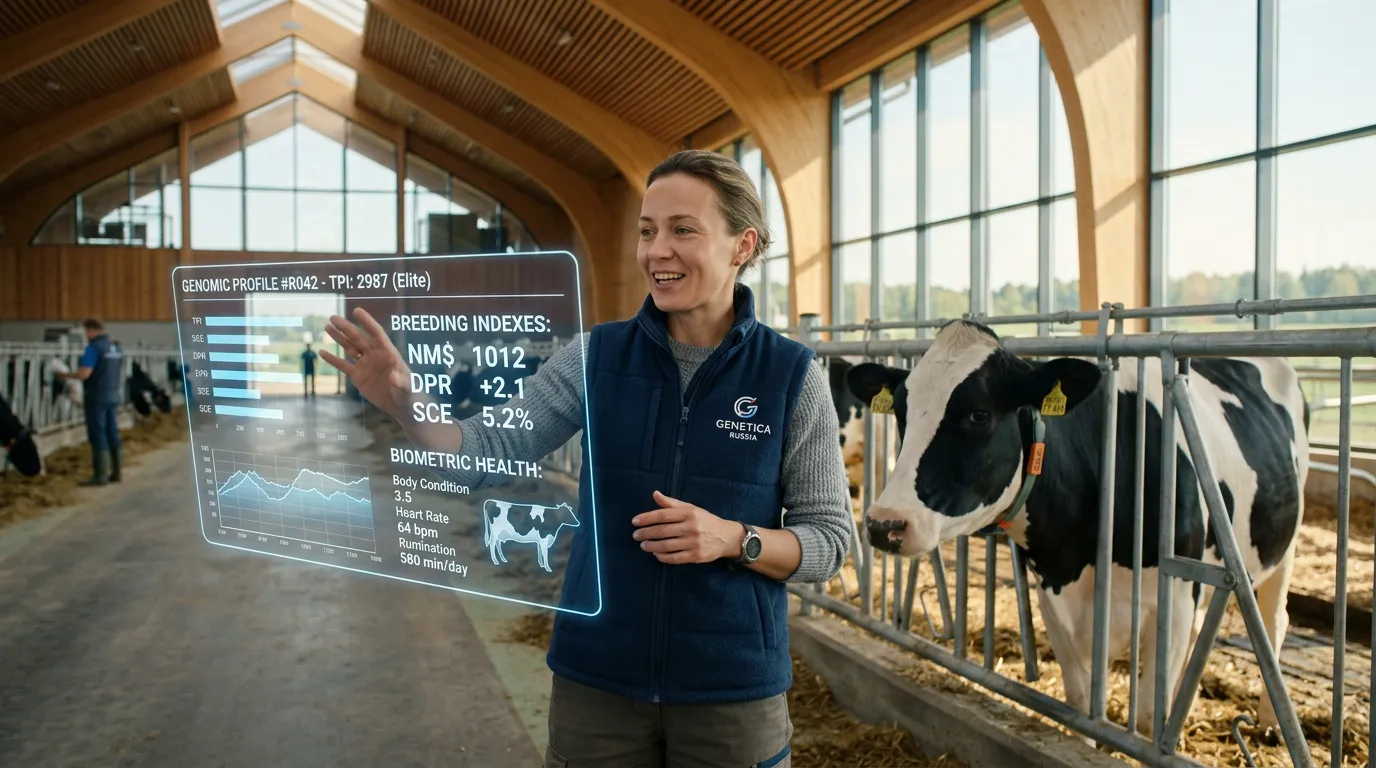
The genetic value of bulls is assessed using three key criteria: TPI (Total Performance Index), a comprehensive measure of breeding value; NM (Net Merit), a lifetime profitability index; and PL (Productive Life), a measure of productive longevity. These metrics make it possible to improve the productive traits of dairy herds, minimize the risk of hereditary diseases and increase the profitability of keeping each animal.
The holding uses sexed semen from Holstein breeding bulls in its breeding program. The goal is to systematically renew the agricultural holding’s gene pool by producing heifers with predetermined high genetic characteristics.
Accelerating Breeding in Russia
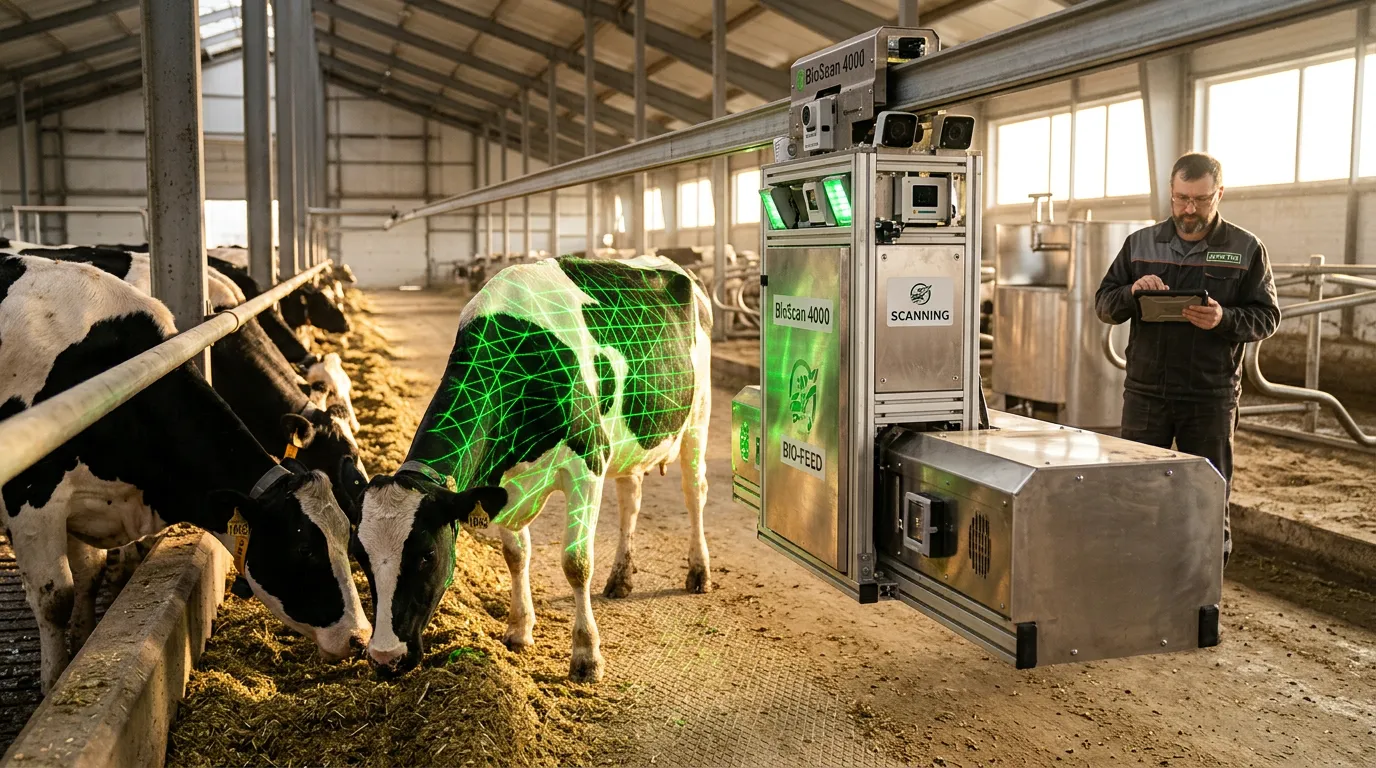
Introducing digital technologies into breeding fundamentally increases the efficiency of the process. Traditional methods take years, and more importantly, they cannot account for all the factors that influence the characteristics of the animals being bred. AI makes it possible to analyze large volumes of genomic data and quickly identify a wide range of elements in the genome sequence.
This not only reduces research costs but also makes it possible to create genetic profiles tailored to customers’ requirements. AI can identify the animal traits that matter most to a farmer, including milk production, intramuscular fat, carcass weight, meat flavor and others. Experts estimate that the breeding process can be accelerated by about 10 times.
Another advantage of using digital technologies in breeding is that each agricultural operation can develop its own breeding strategy aimed at maximum economic efficiency. Foreign breeders did not offer this capability. They did not disclose the composition of their breeding indexes, preventing Russian livestock producers from managing their own breeding strategies because doing so would have gradually reduced their dependence on suppliers and, consequently, the amount of breeding material they purchased.
Genetic Independence and Export Opportunities
For Russia, given its vast territory and the often radically different conditions for raising animals from one region to another, the ability to manage a breeding strategy is an important tool for farmers. Russian digital breeding technologies make this possible.
Work to digitalize livestock breeding, and thereby strengthen its independence, has been underway for years and on a systematic basis. The National Research Centre Kurchatov Institute became the lead research organization for the Federal'naya nauchno-tekhnicheskaya programma razvitiya sel'skogo khozyaystva (Federal Scientific and Technical Program for Agricultural Development) for 2017–2030. Together with the non-governmental development institution Innopraktika, it built a cattle genetic database. Genotyping results for tens of thousands of animals were digitized. “In a short period of time, we created a database for our own cattle breeding program so that we could stop relying on the semen we currently import,” said Mikhail Kovalchuk, president of the National Research Centre Kurchatov Institute.
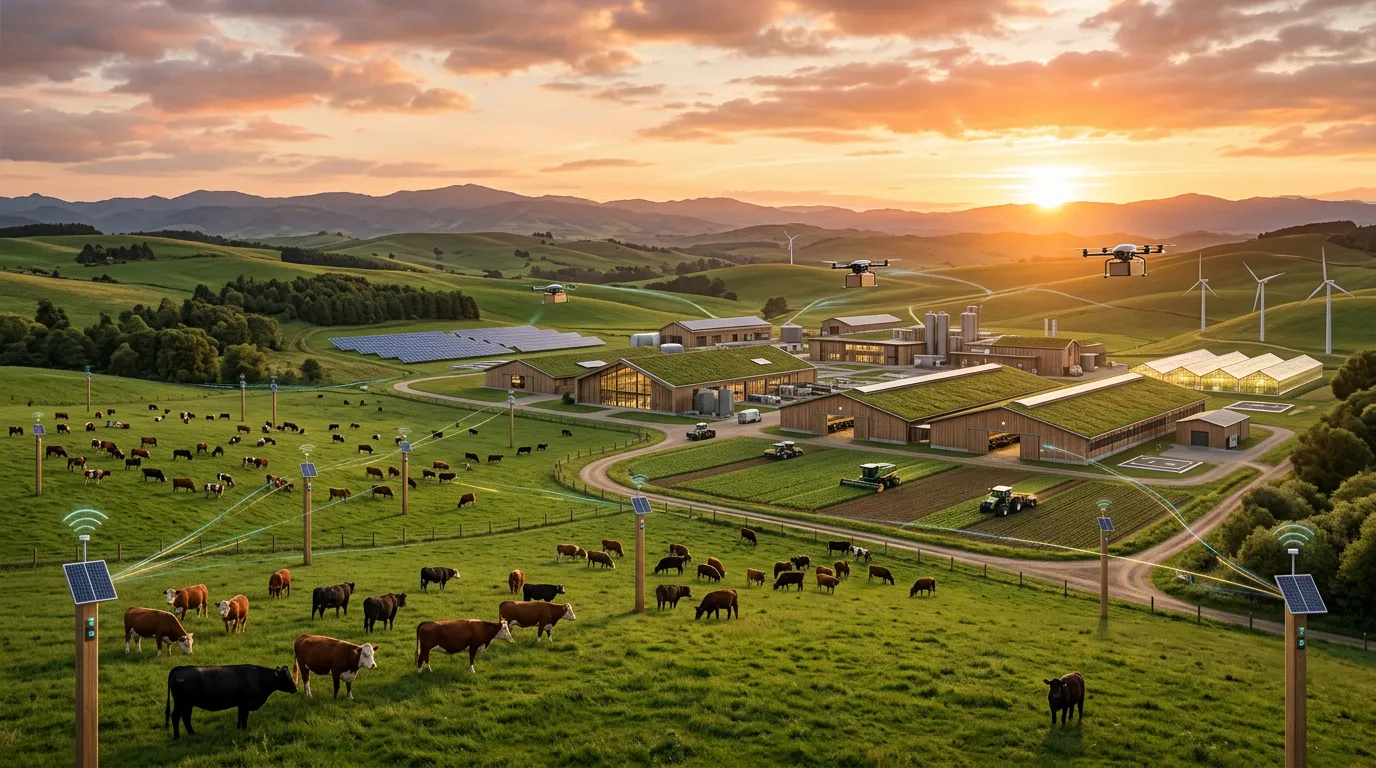
In Russia, the shift toward high-tech livestock production is still underway, with genetics, automation, AI and big data playing an increasingly important role. In the future, Russian livestock producers could export not only meat and dairy products but also digital breeding technologies that can improve production efficiency in countries seeking to address food-security challenges.