Technology to Model Heart Valves Made from Animal Tissue Developed in Russia
The technology could help in developing new bioprosthetic heart valves.
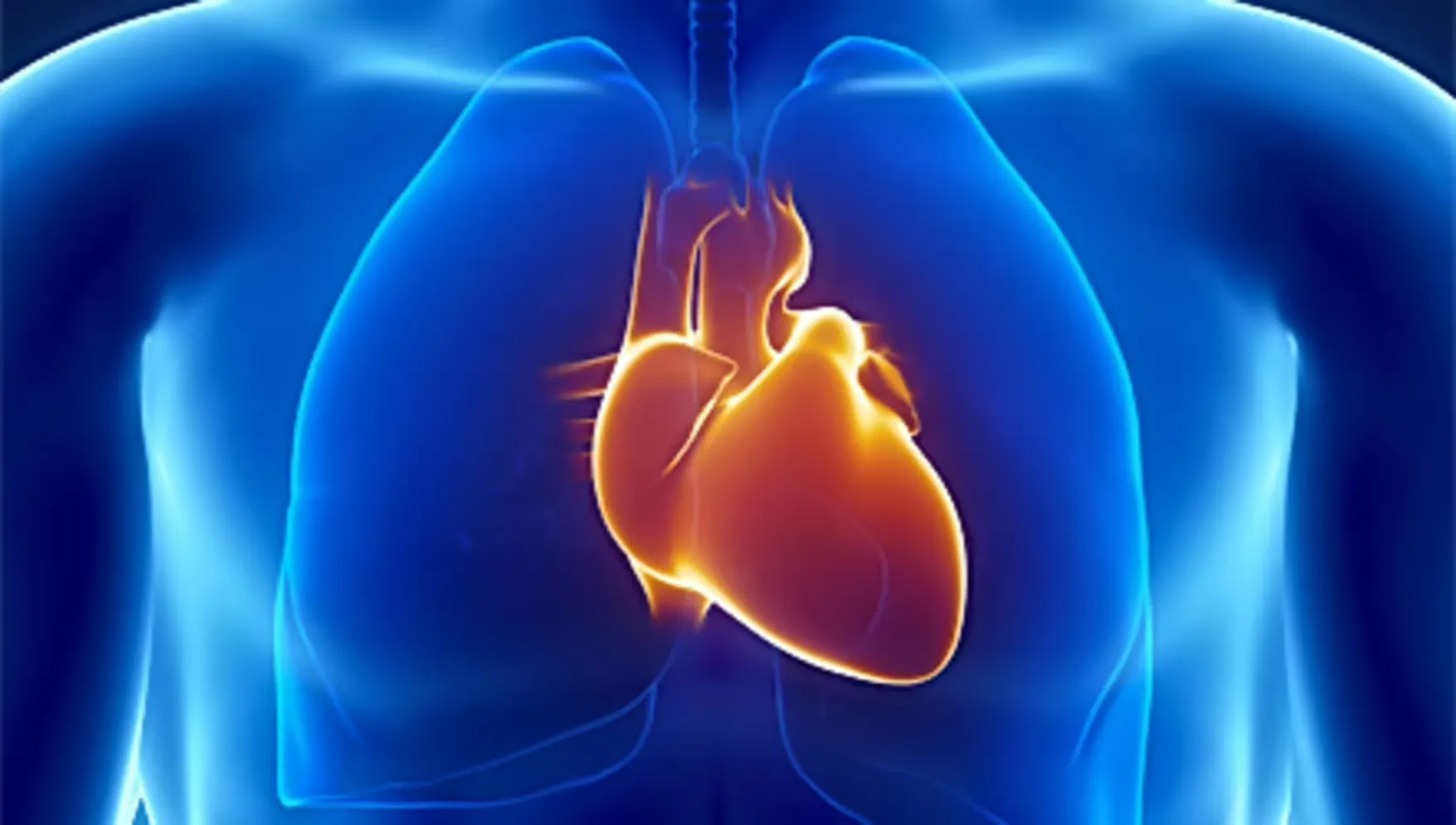
Researchers from Sirius University and Perm Polytechnic, together with colleagues from South Africa, have developed a technology for modeling heart valves made from animal tissue. This is an important step toward developing new bioprosthetic valves with leaflets made from animal tissue.
The scientists worked with porcine pericardium and described its behavior using 10 mathematical models. Two produced the best results, but their performance differed substantially. Ultimately, the model with fibers distributed in four directions was identified as the most suitable.
Computer modeling makes it possible to assess tissue behavior under load, leaflet motion and blood flow as early as the design stage. The researchers note that the choice of mathematical model affects not only how the valve opens and closes but also how blood flows around the leaflets, which may be important for predicting the durability of the prosthesis.