A Digital Platform to Protect Bee Health
The FGIS “Saturn” (Federal State Information System for Pesticide and Agrochemical Traceability) is helping crop producers and beekeepers coordinate their work to better protect bee colonies from pesticide exposure.
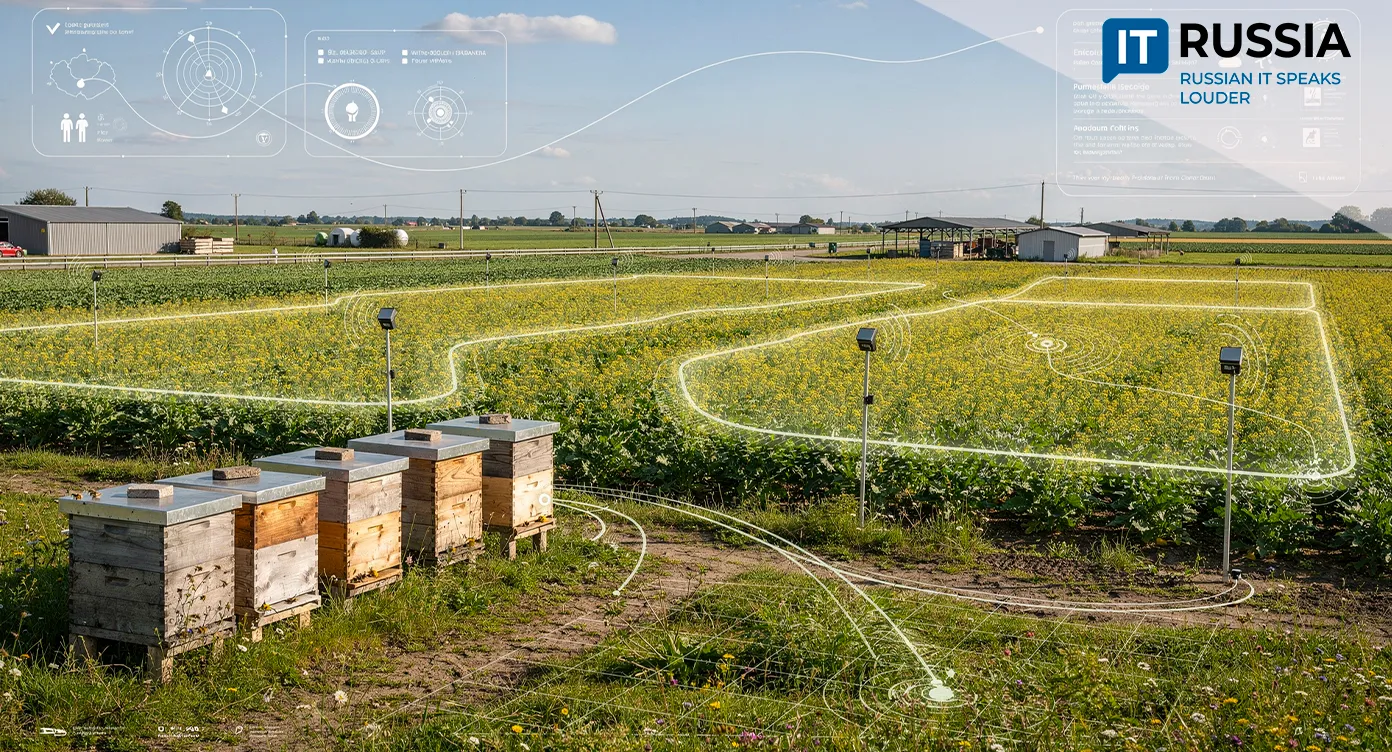
One of the most pressing challenges for Russian beekeepers is getting timely information about when farmers plan to apply chemical treatments to fields. Bees are highly sensitive to agrochemicals, pesticides, and especially neonicotinoids. If hives are not relocated to a safe distance in time, or at least if bees are not temporarily restricted from leaving, entire colonies can be lost. Healthy bees are critical not only for beekeepers. Experts warn that large-scale bee losses would reduce yields across multiple crops, including fruits, vegetables, and oilseeds.
A “Portal Pchelovoda” to Reduce Risk
In the Rostov Region, specialists from the regional branch of the Russian Agricultural Center (Rosselkhozcenter) recommend that farmers actively use the government digital service Portal pchelovoda (Beekeeper Portal). The project is designed to reduce risks associated with pesticide and agrochemical applications in crop production.
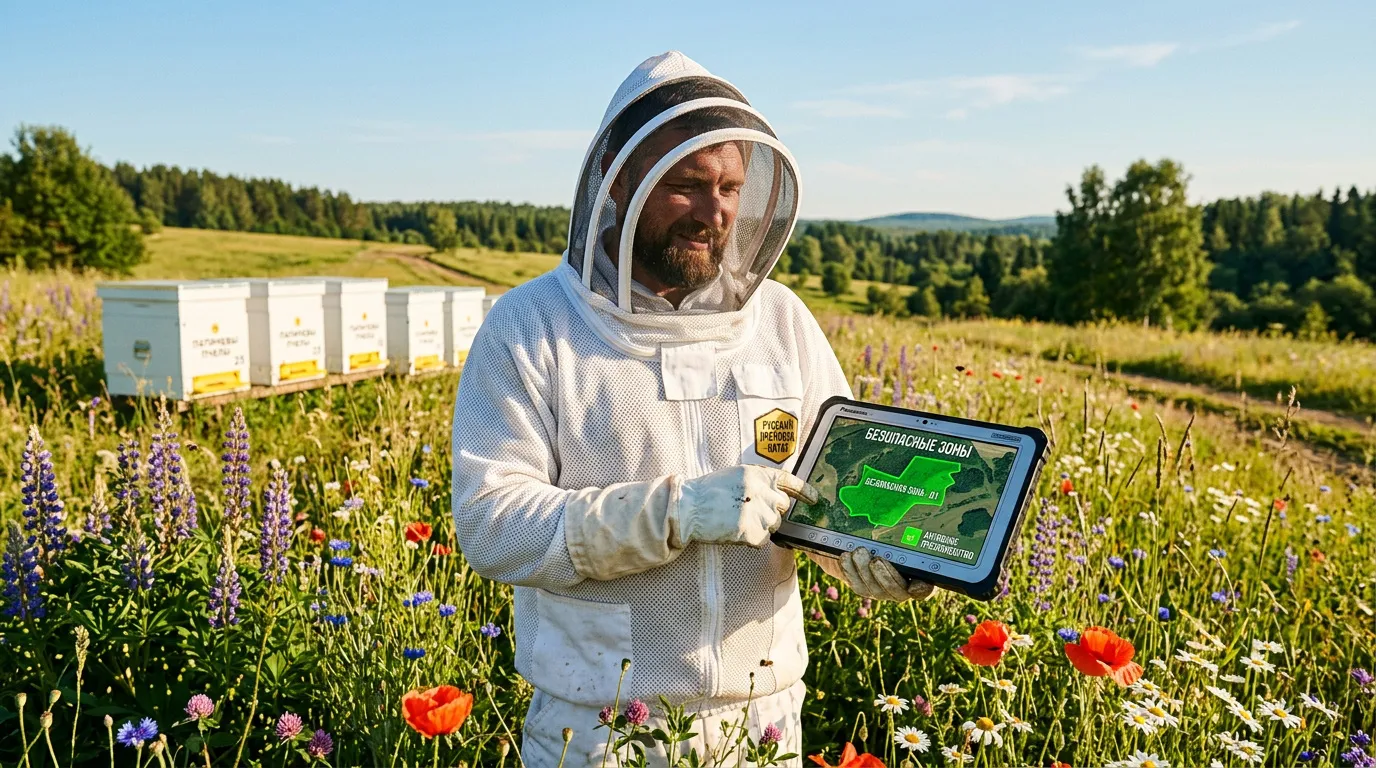
The portal operates within the Federal State Information System for tracking pesticides and agrochemicals, FGIS “Saturn,” managed by Rosselkhoznadzor. Launched in 2022, the Saturn system provides digital oversight of chemical substances used in agriculture. It tracks pesticides and agrochemicals across their full lifecycle, from production to application and disposal, while enabling data analysis and processing. Today, registration in this system is mandatory for the legal use of agrochemicals.
Portal pchelovoda is a subsystem of FGIS “Saturn.” By law, farmers planning to apply pesticides must notify beekeepers and residents within a 7 km radius at least five days in advance via mass media. This gives beekeepers time to relocate hives to safer locations. Bees can return once flowering of treated crops has ended.
Benefits of Digital Notification
In May 2025, the Portal pchelovoda website was granted official media status, allowing it to serve as a formal notification channel. This creates a reliable information exchange between crop producers and beekeepers. Farmers are already required to use FGIS “Saturn,” and its subsystem, Portal pchelovoda, now enables them to formally notify honey producers and nearby communities about planned chemical applications.
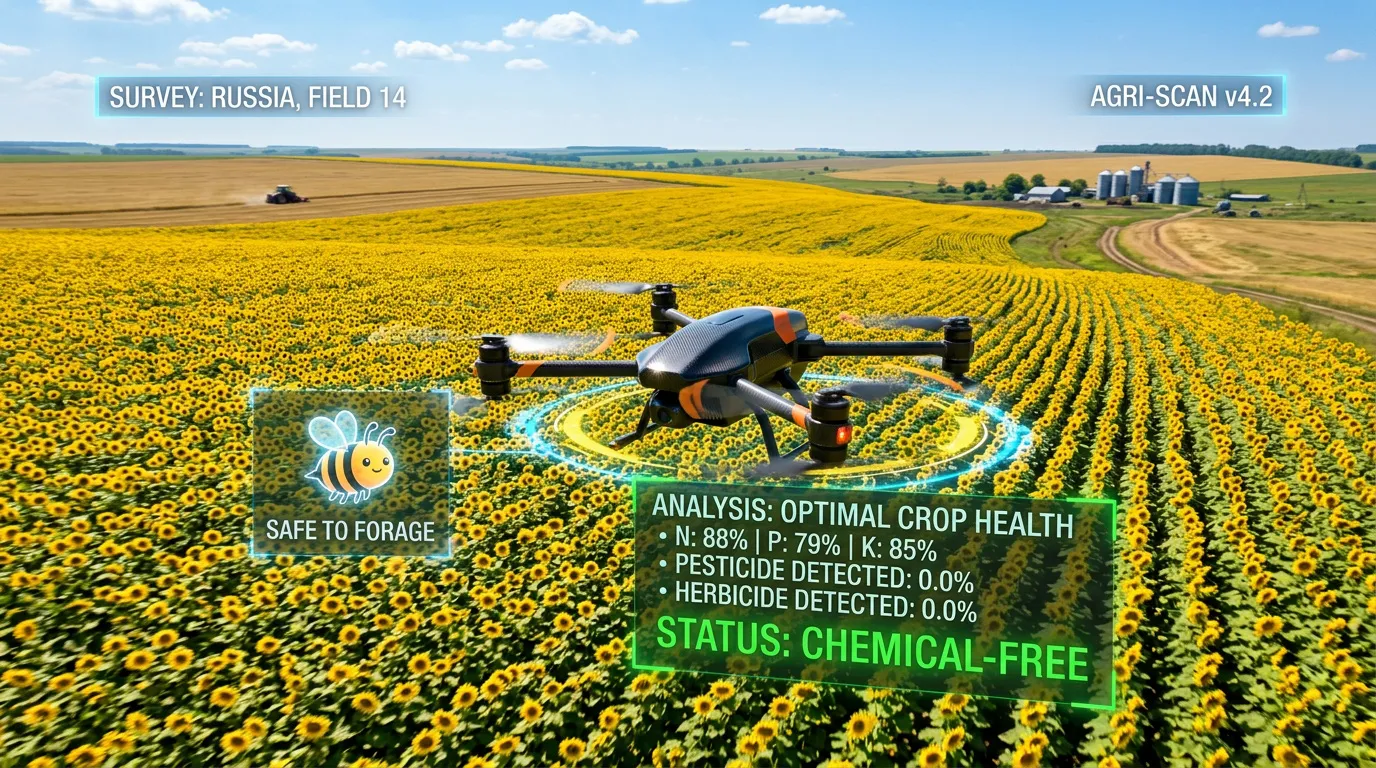
“This tool is highly convenient, as farmers can publish information about field treatments at the same time they prepare their application plans,” said Ilya Khokhlov, deputy director of the All-Russian Center for Plant Quarantine (VNIIKR).
The portal provides details on treatment timelines, chemicals used and their hazard classes, crops involved, and zones of potential risk to bees. An interactive map offers real-time updates on planned treatments. Users can apply filters to access relevant information. Importantly, the resource is publicly accessible and does not require registration. Beekeepers can also subscribe to automated alerts by selecting their region and providing an email address, receiving daily updates on upcoming treatments.
Toward Transparent and Efficient Coordination
Originally designed to monitor agrochemical circulation, FGIS “Saturn” has evolved into a tool that helps resolve long-standing conflicts between farmers and beekeepers. It brings their interactions into a clear regulatory framework, making them more transparent and manageable. Beekeepers gain the ability to take preventive action, while farmers reduce the risk of disputes related to bee losses. In the event of conflict, treatment timelines and data accuracy can be easily verified.
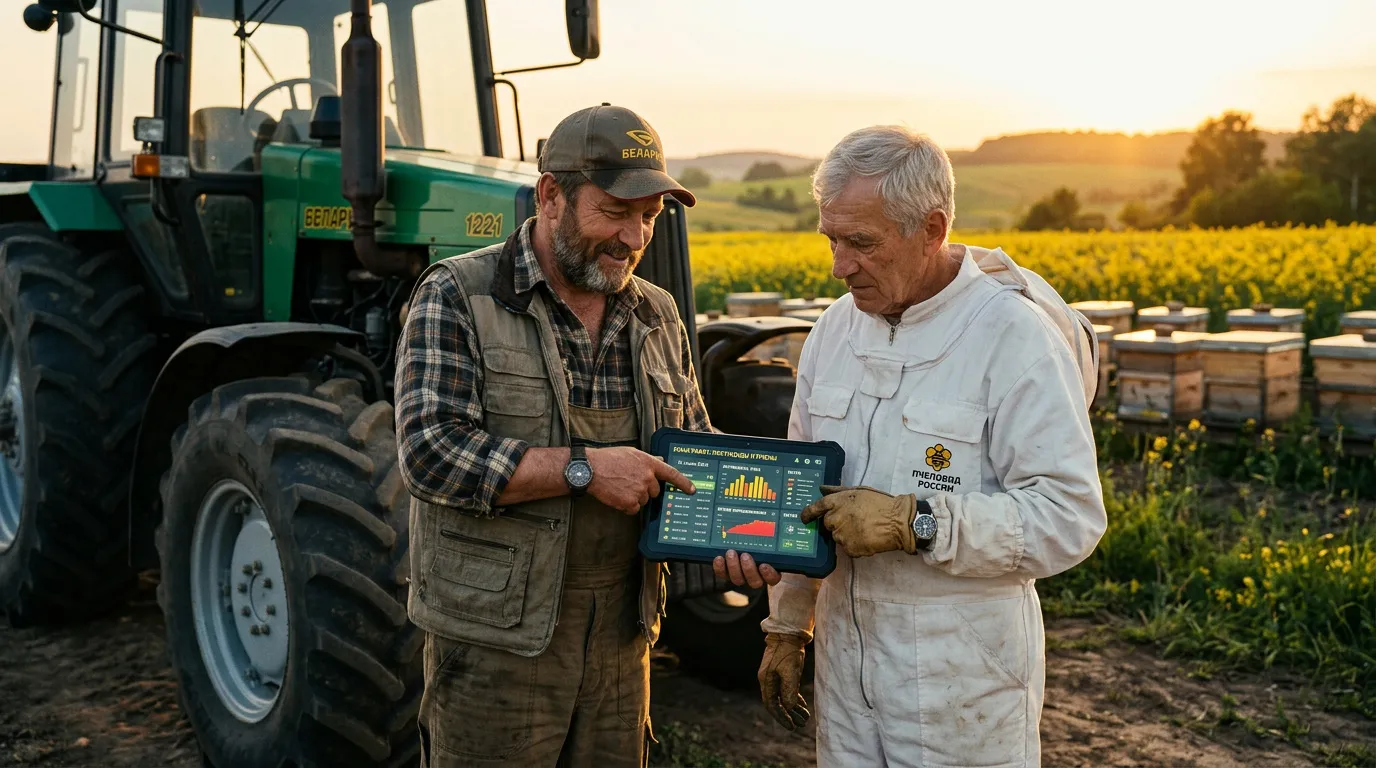
As a result, the system creates an effective digital mechanism for preventive bee protection, reducing losses for smaller farms. At the same time, it provides the country with an additional transparent tool for environmental monitoring.
Looking ahead, further development of Portal pchelovoda could include mobile notification systems based on geolocation. Integration with regional hive registries would allow identification of highly sensitive areas where pesticide use requires extra caution. With the addition of AI, predictive models could be developed to assess risks based on chemical hazard classes, flowering stages, weather conditions, and hive locations.
In the long term, the portal is expected to become part of Russia’s unified digital platform for the agro-industrial and fisheries sectors. Integration with other federal systems will support more effective decision-making across agriculture. A digital model that integrates a national agrochemical registry, mapping services, and beekeeper notification tools could also be offered to countries with developed beekeeping sectors and expanding grain production.