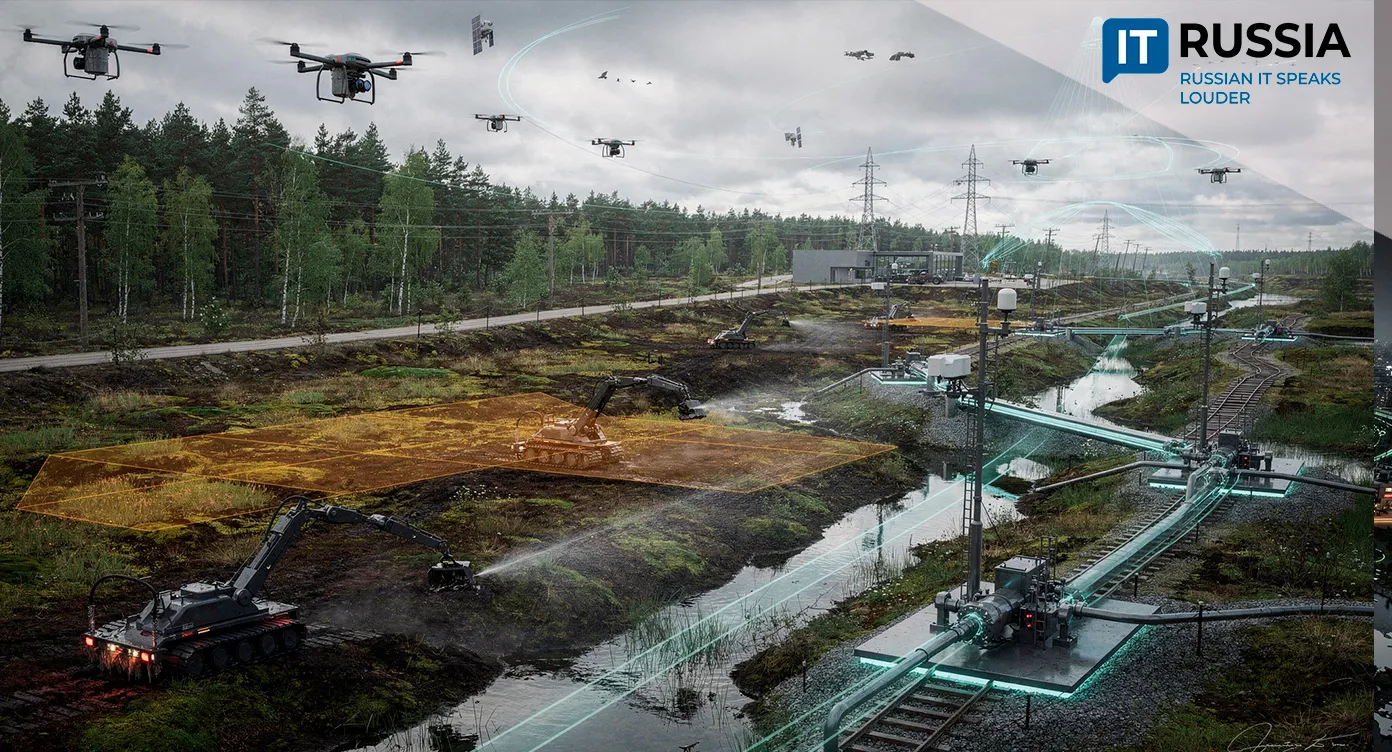
AI Pipeline Monitoring Solution Presented at Rosneft Technology Conference
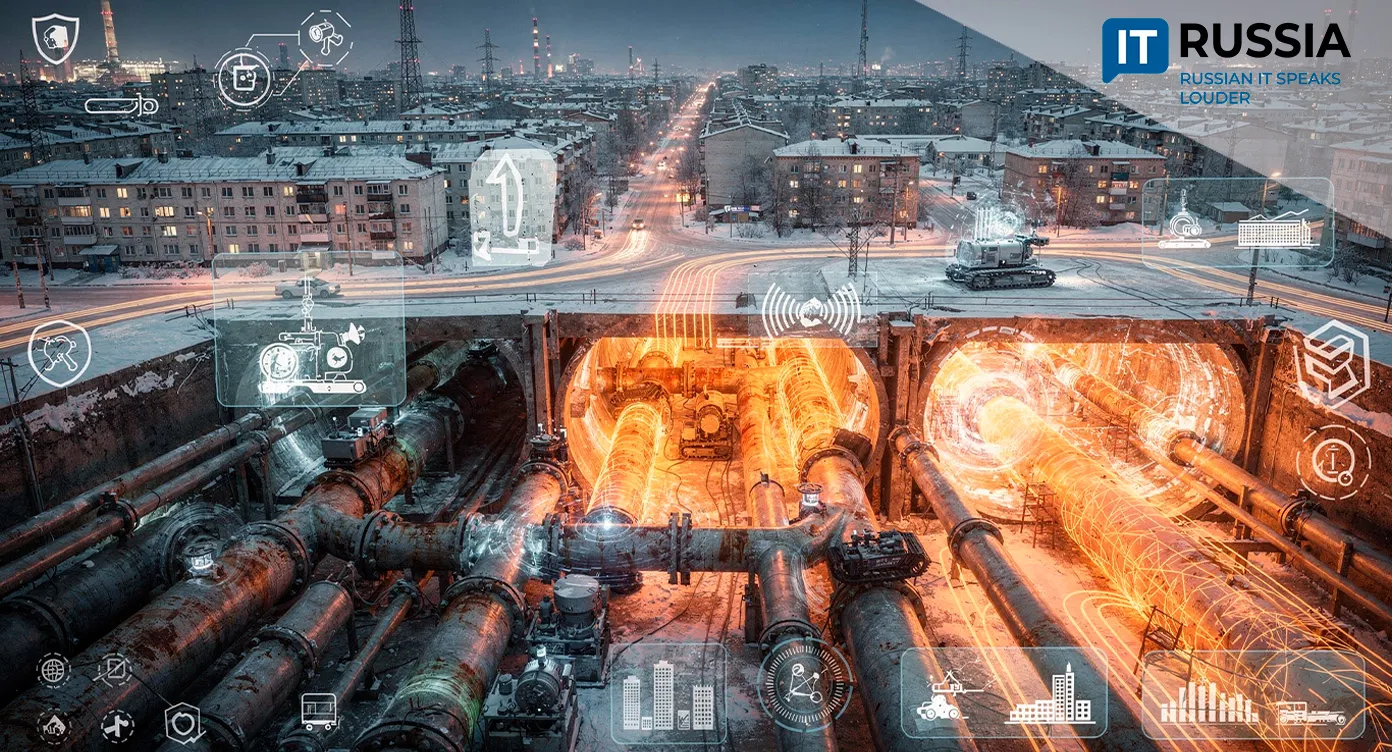
Young engineers at Rosneft have developed an artificial intelligence solution for monitoring the technical condition of oil pipelines. The system was presented at the company's 19th Cluster Scientific and Technology Conference in Tomsk.
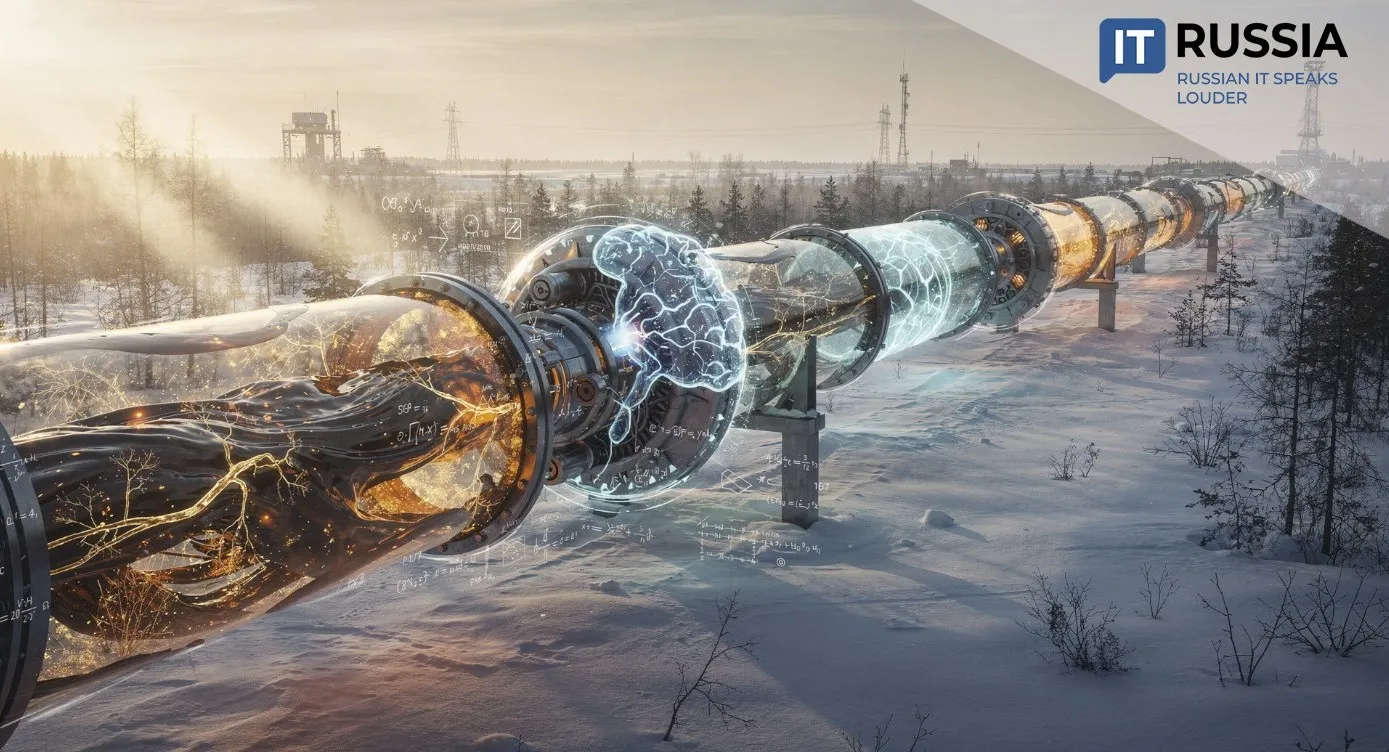
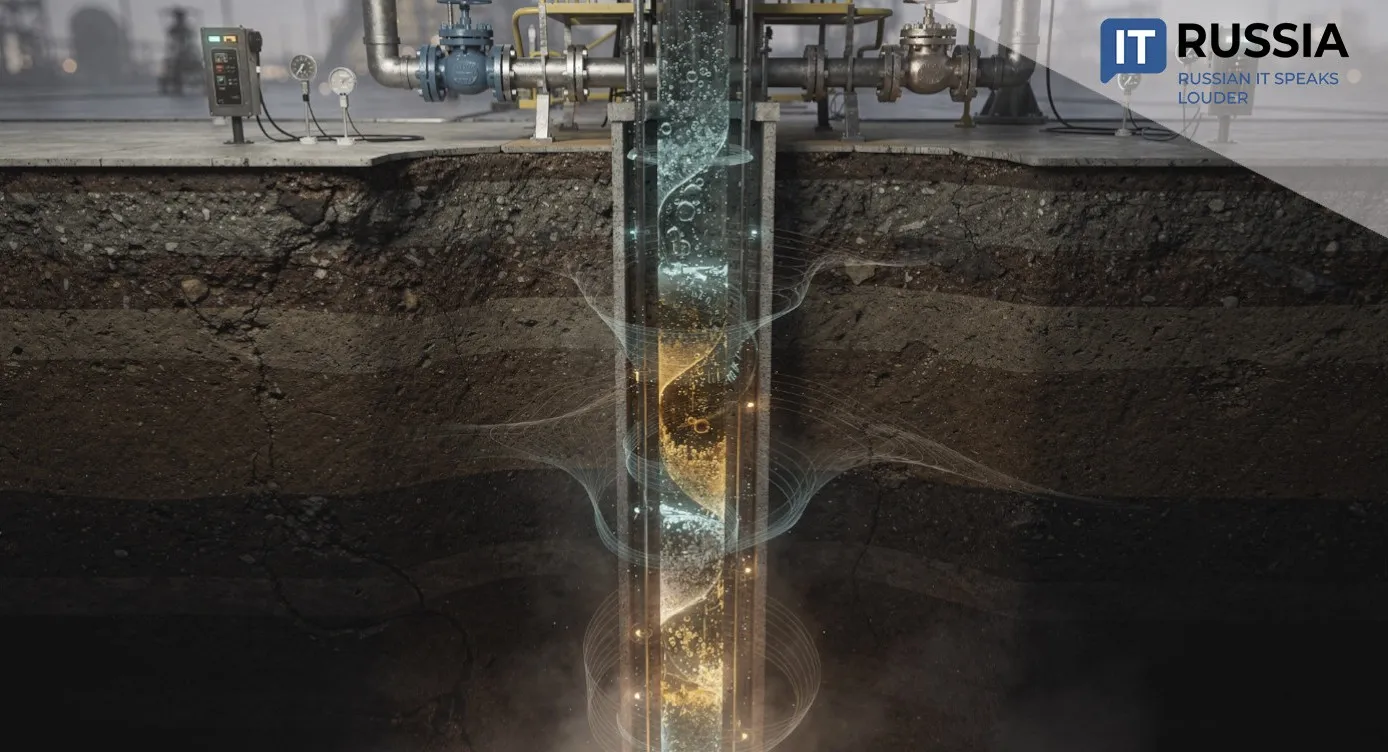
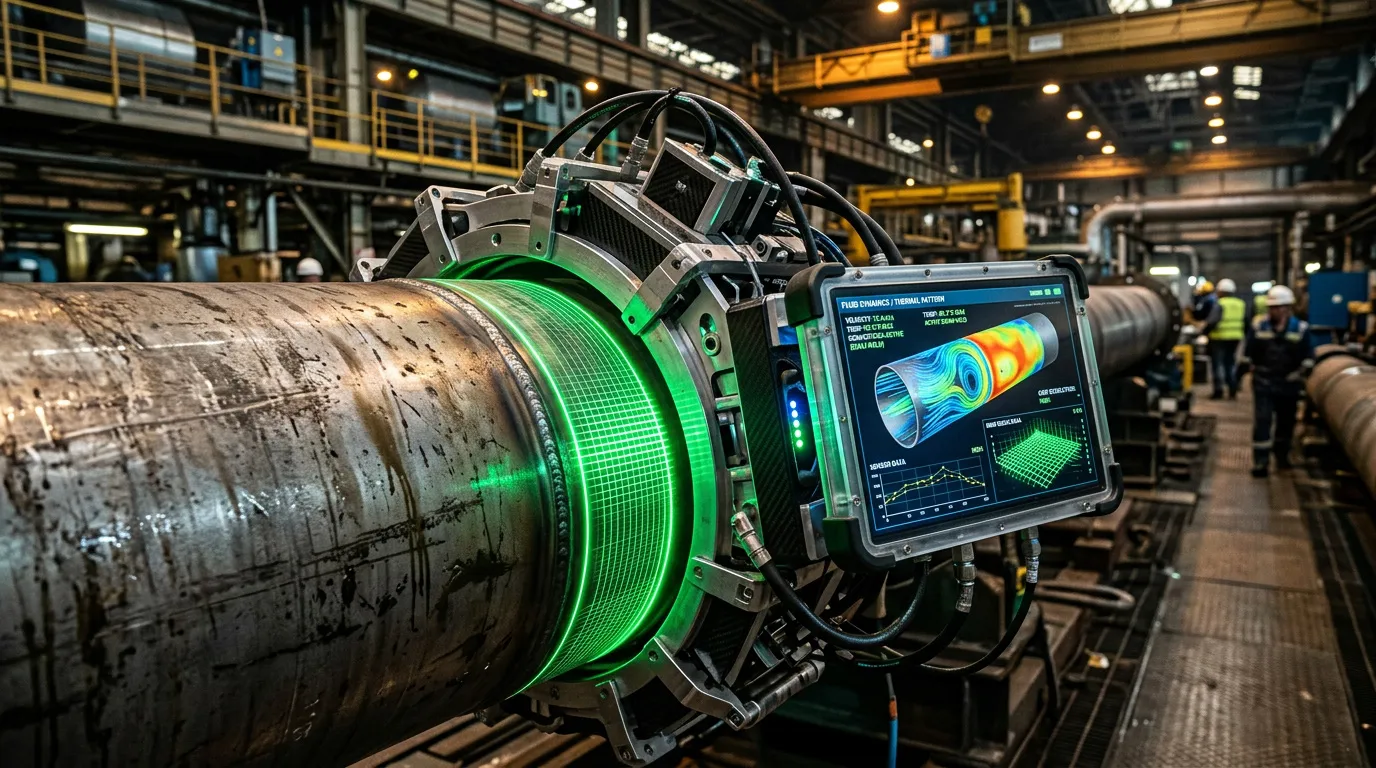
The platform processes historical operating data while simultaneously incorporating the governing physics of electrochemistry, hydrodynamics and heat transfer. The algorithm evaluates material condition, salt deposition intensity and other parameters that influence pipeline degradation.
The system provides a real-time view of pipeline condition, calculates both the degree and rate of wear across individual pipeline sections, forecasts future changes several years in advance and supports planning for inspections, preventive maintenance and repair activities.
A Hybrid Neural Network at the Core
Field testing at operating facilities is still ahead. Even at this stage, however, the model stands out because it combines historical operational data with mathematical descriptions of dynamic production processes. Over time, the technology could help operators shift from maintenance based on fixed schedules or detected defects to predictive maintenance strategies.
The young engineers' project is built around a hybrid neural network that combines statistical data analysis with equations describing electrochemistry, hydrodynamics and heat transfer. In addition to those physical models, the algorithm continuously evaluates ongoing physicochemical processes, material condition, salt deposition levels and other operating parameters.
150 Ideas for Production Improvement
Rosneft's young engineering community currently has 150 proposals aimed at optimizing and modernizing production processes. The pipeline monitoring solution presented at the conference is one of them. The local engineering network brings together more than 200 early-career company engineers and over 50 senior experts from regions across Russia, from Krasnodar to Sakhalin.
According to company experts, Rosneft's conference for young professionals is designed to accelerate practical implementation. It shortens the path from concept to deployment and simplifies project execution. As a result, more than 30 projects with an expected economic impact exceeding 780 million rubles (about USD 10.5 million) were approved for implementation following the 2025 conference. Another 20 projects are scheduled for deployment over the next two years. Overall, Rosneft's Cluster Scientific and Technology Conferences have generated more than 1,200 projects with a combined economic impact exceeding 5.6 billion rubles (about USD 75 million).
Awaiting Field Deployment
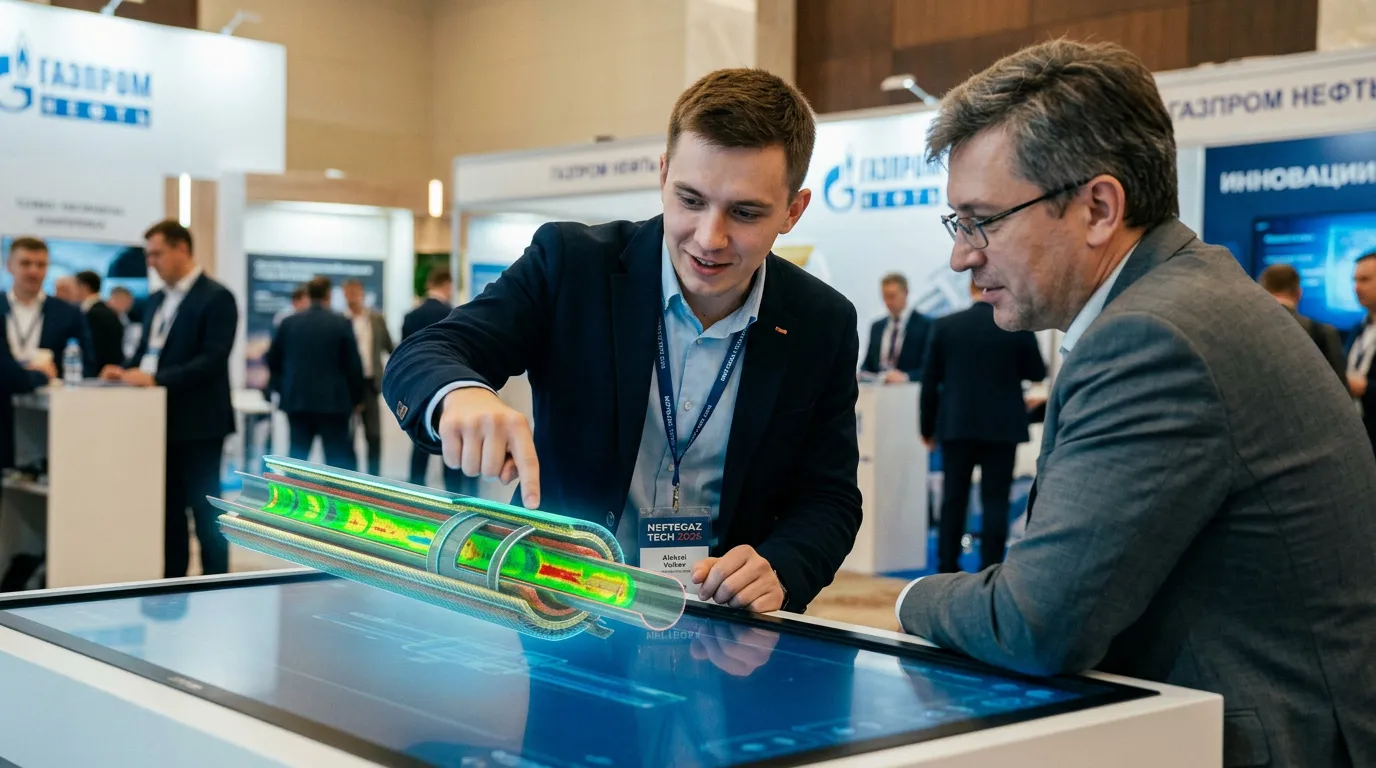
The model's accuracy will be validated through pilot testing at one or more Rosneft operating facilities. The solution is designed to integrate with existing diagnostic tools, production information systems and field sensors. If the pilot program is successful, it will become part of the company's digital pipeline management environment. Beyond its current capabilities, the platform could also rank pipeline sections by defect risk and support planning for equipment procurement and maintenance materials.
Demand for solutions of this kind is being reinforced by the broader digital transformation of Russia's oil and gas sector. In particular, the share of industry companies using artificial intelligence is expected to approach 70% by 2027. The ministry is also evaluating digital twins as one of the core components of the future management framework for the national fuel and energy sector.
Rosneft has built the digital foundation needed to scale similar technologies across its operations. Its Tsifrovoye mestorozhdeniye (Digital Oilfield) project now covers more than 8,000 wells, while individual algorithms that prove successful during pilot deployment are subsequently rolled out across other company assets.
For several years, Rosneft has been combining physicochemical analysis with digital models to improve production monitoring. In 2022, for example, company researchers developed a mobile technology for verifying the quality of chemical reagents. The system was built around a digital twin database of chemical substances represented through spectral signatures. One of its objectives was to improve the reliability of production treatment systems while extending pipeline service life.
What distinguishes the new solution developed by Rosneft's young engineers is its combination of neural network analytics with physicochemical models describing the processes that affect pipeline integrity. More importantly, it aligns with one of the oil and gas industry's primary digital transformation priorities, the transition toward predictive infrastructure management.