

Interactive Displays Let Visitors Build a Personal Dialogue With Art
Large-format touchscreen information panels have gone live at the Kaluga Museum of Fine Arts, giving visitors access to richer information about exhibits tailored to their age, interests, and learning goals.
The Kaluga Museum of Fine Arts has been part of Russia's cultural landscape for more than a century. Established in 1918 around the private collection of Nikanor Ivanovich Vasilyev, it now houses the region's largest collection of fine art.
Its holdings include more than 10,000 works of painting, graphic art, sculpture, and decorative and applied arts. More than 200 of them are currently on display in galleries dedicated to Old Russian, Russian, and Western European art. The museum also operates art galleries in Tarusa, Ulyanovo, Khvastovichi, and Mosalsk, as well as an Information, Education and Exhibition Center in Kaluga.
New Ways to Experience Naval History
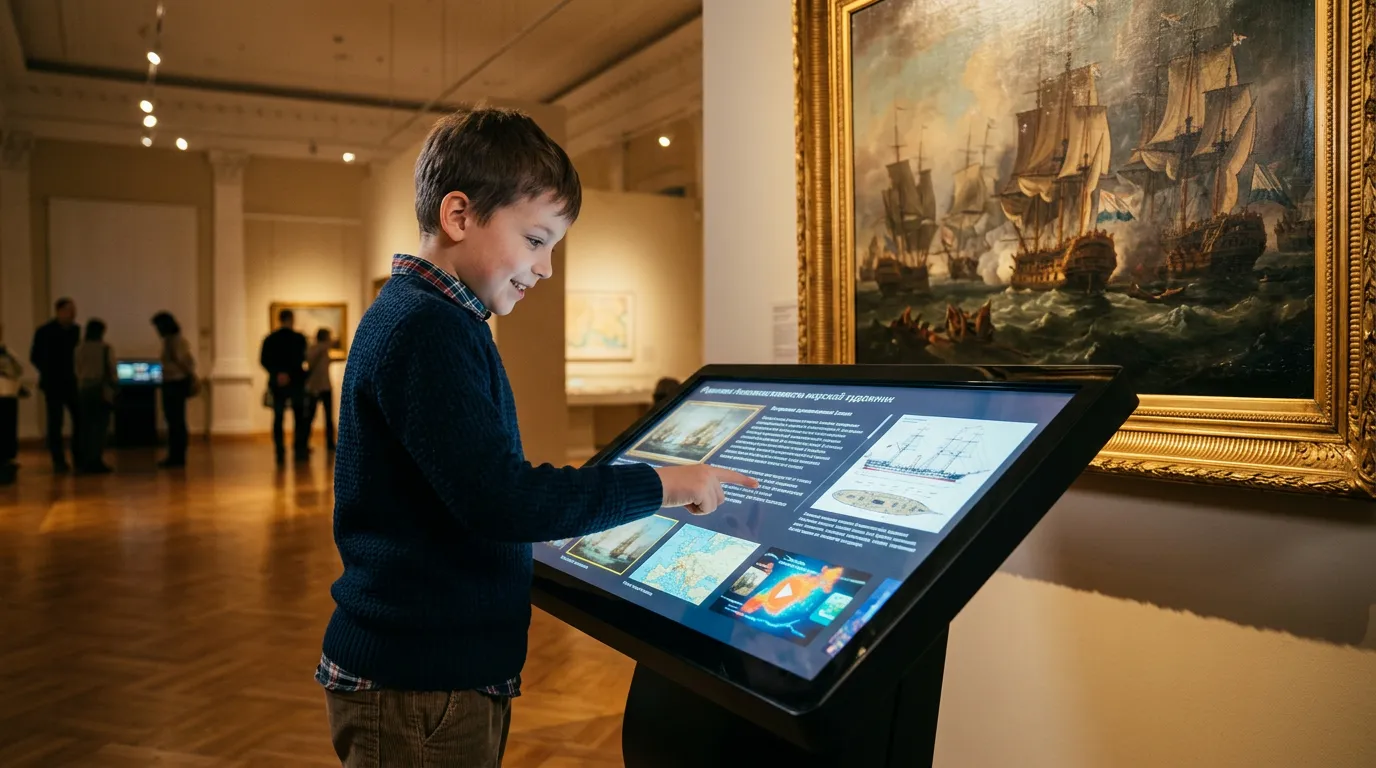
The Kaluga Museum of Fine Arts has recently upgraded the way visitors interact with its exhibitions. Large-format touchscreen information panels have been installed throughout the exhibition halls, allowing visitors to explore expanded information about individual works, including details about artists, materials, artistic techniques, and historical context. The new system has already been introduced for the exhibition The Navy During the Great Patriotic War. The modernization was carried out as part of Russia's national Culture project.
Visitors can now explore exhibits in greater depth without filling gallery walls with lengthy printed descriptions. The digital content can be tailored to different age groups and educational backgrounds, while exhibition information can be updated quickly whenever displays change. More broadly, the interactive format has the potential to make museums more engaging for children and younger audiences.
Building on Earlier Digital Projects
The Kaluga Museum has been steadily expanding its digital initiatives and technology infrastructure. Its website already offers virtual tours not only of the permanent collection but also of the Grégoire Huret graphic art collection, the museum's Orthodox church sculpture collection, the Old Russian Art gallery, and the Glass Museum.
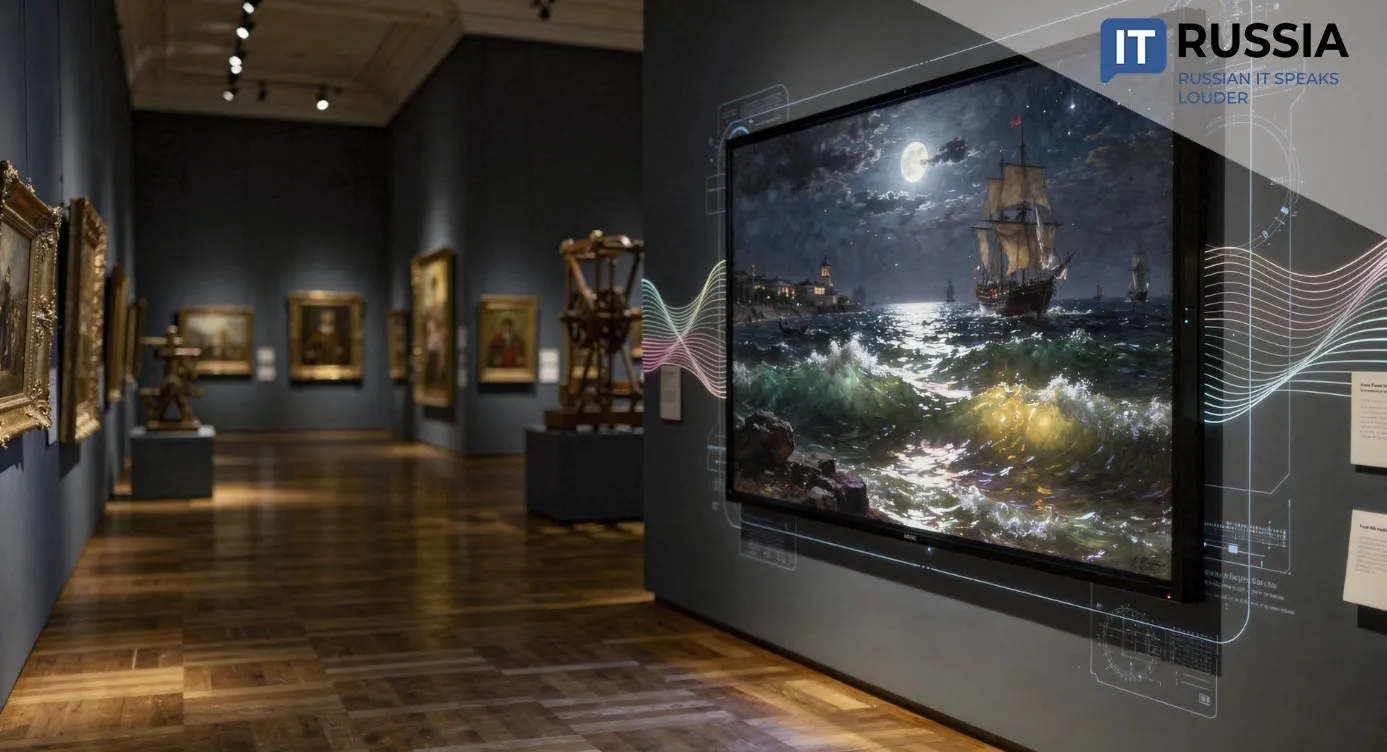
The museum also operates an innovative educational initiative called ART-ANIMATION. According to museum staff, new technologies consistently attract strong interest from visitors, particularly younger audiences. The project uses virtual reality headsets to immerse visitors in digital recreations of the artworks. Twelve masterpieces from the museum's collection come to life when visitors put on VR goggles and approach the paintings. For example, Ivan Aivazovsky's View of Odessa on a Moonlit Night becomes an animated experience: ships sway gently on the waves, the moon disappears behind clouds, oars splash through the water, and sails fill with wind.
One of the museum's current exhibitions is dedicated to the scientific genius of Leonardo da Vinci. It features more than 50 exhibits, ranging from simple mechanical devices to complex flying machines, alongside photographic reproductions of the Renaissance master's paintings. Curators have deliberately emphasized interactivity: visitors can not only view many of the exhibits but also operate them themselves, illustrating fundamental principles of mechanics and physics through direct experience.

Digital Transformation Beyond Moscow
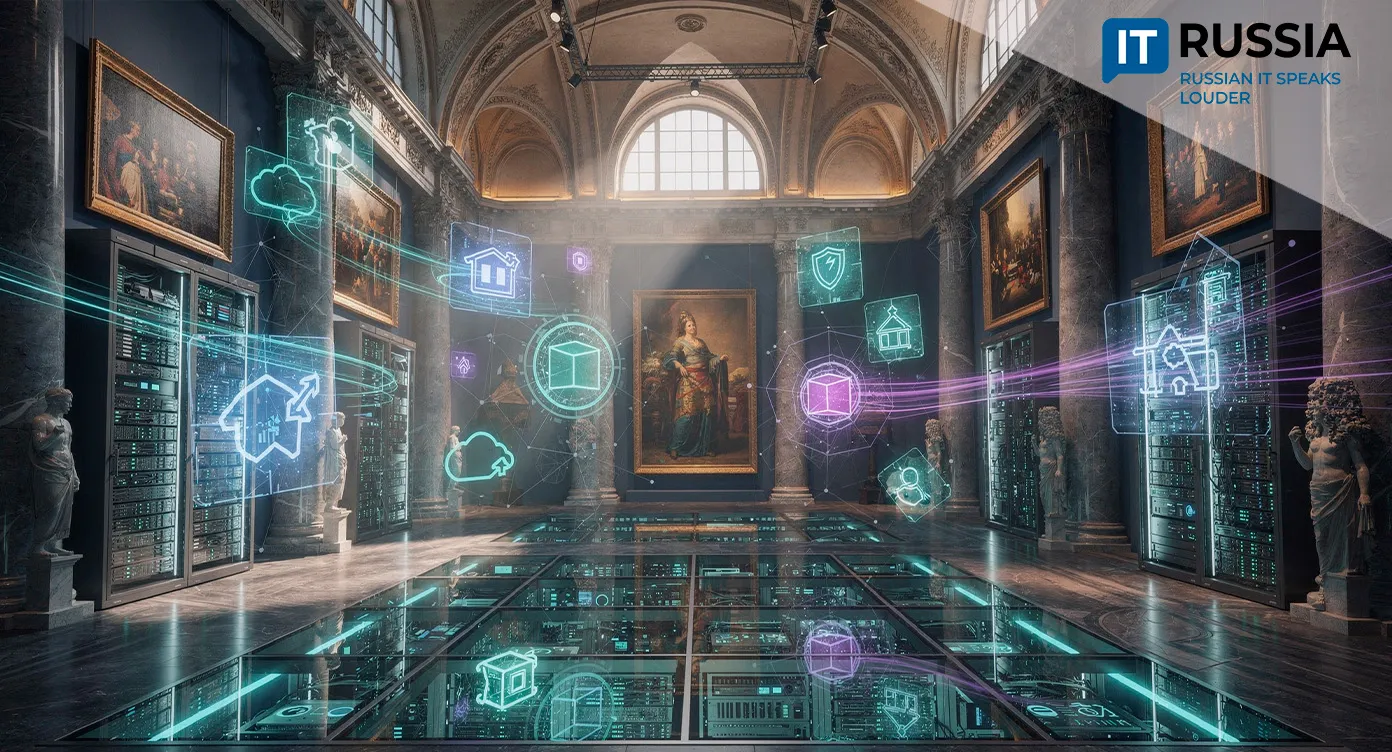
Russia's largest museums have relied on domestically developed hardware and software for digital services, including online ticket sales, for several years. Most recently, Russian technology company Yadro supplied the State Tretyakov Gallery with servers, storage systems, and networking equipment to modernize its IT infrastructure. The new equipment supports the museum's official website, online ticketing platform, digital initiatives, and load balancing across its core web services. The Kaluga Museum's modernization demonstrates that digital transformation is advancing successfully not only in Moscow but also across regional cultural institutions.
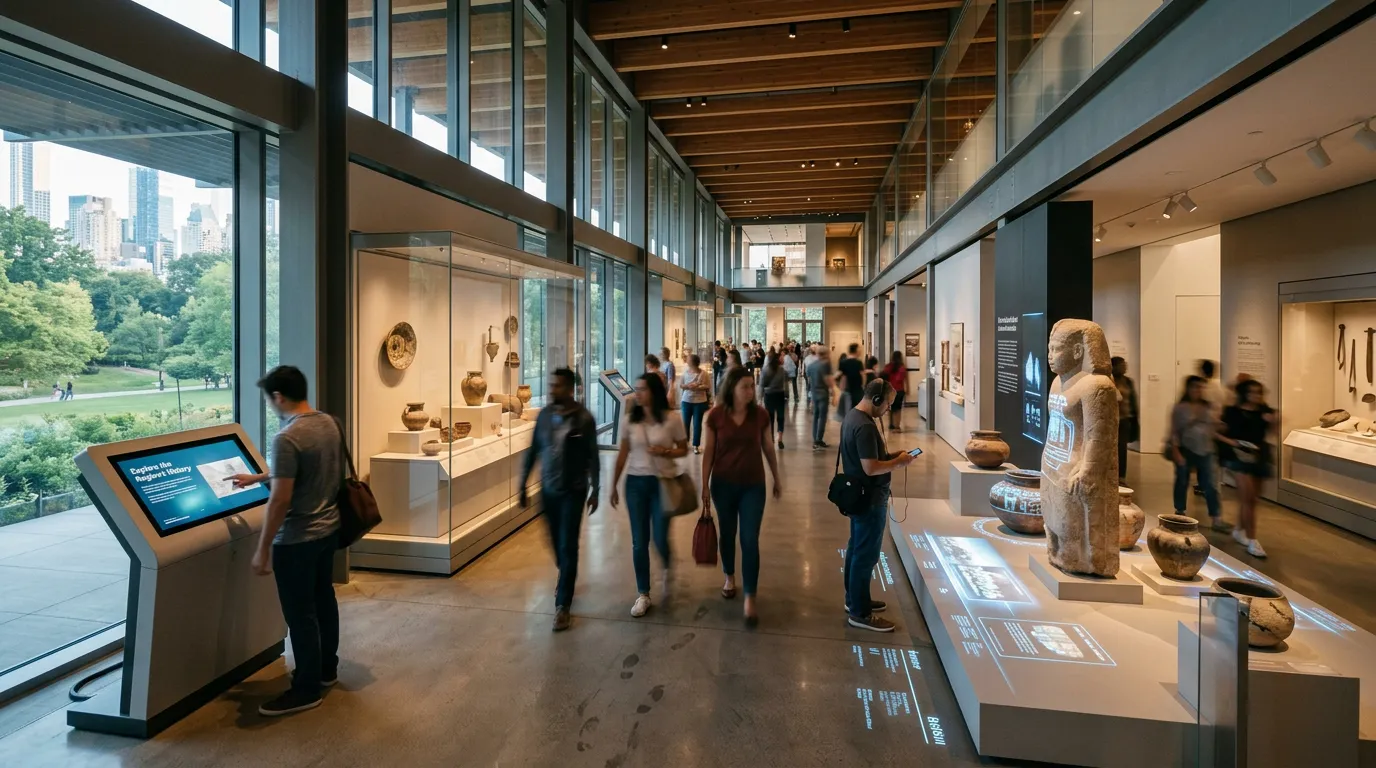
In the near future, touchscreen displays, multimedia guides, and digital exhibit labels are likely to become standard features in major regional museums. The primary objective is to improve how visitors engage with museum collections.
Such projects are creating growing demand from state and municipal cultural institutions for touchscreen hardware, exhibition management software, digital collections, and multimedia content. For Russian technology companies, that represents an opportunity to refine existing products and develop new solutions tailored specifically to the needs of museums and other cultural organizations.