From Visual Inspections to Robotic Diagnostics: Drones Are Transforming Power Line Maintenance in Siberia
Unmanned aircraft equipped with new capabilities are set to significantly improve diagnostics of high-voltage transmission lines. The Siberian branch of Rosseti, MES Siberia, has begun deploying newly developed Russian-made systems in Zabaykalsky Krai and northern Irkutsk Region.
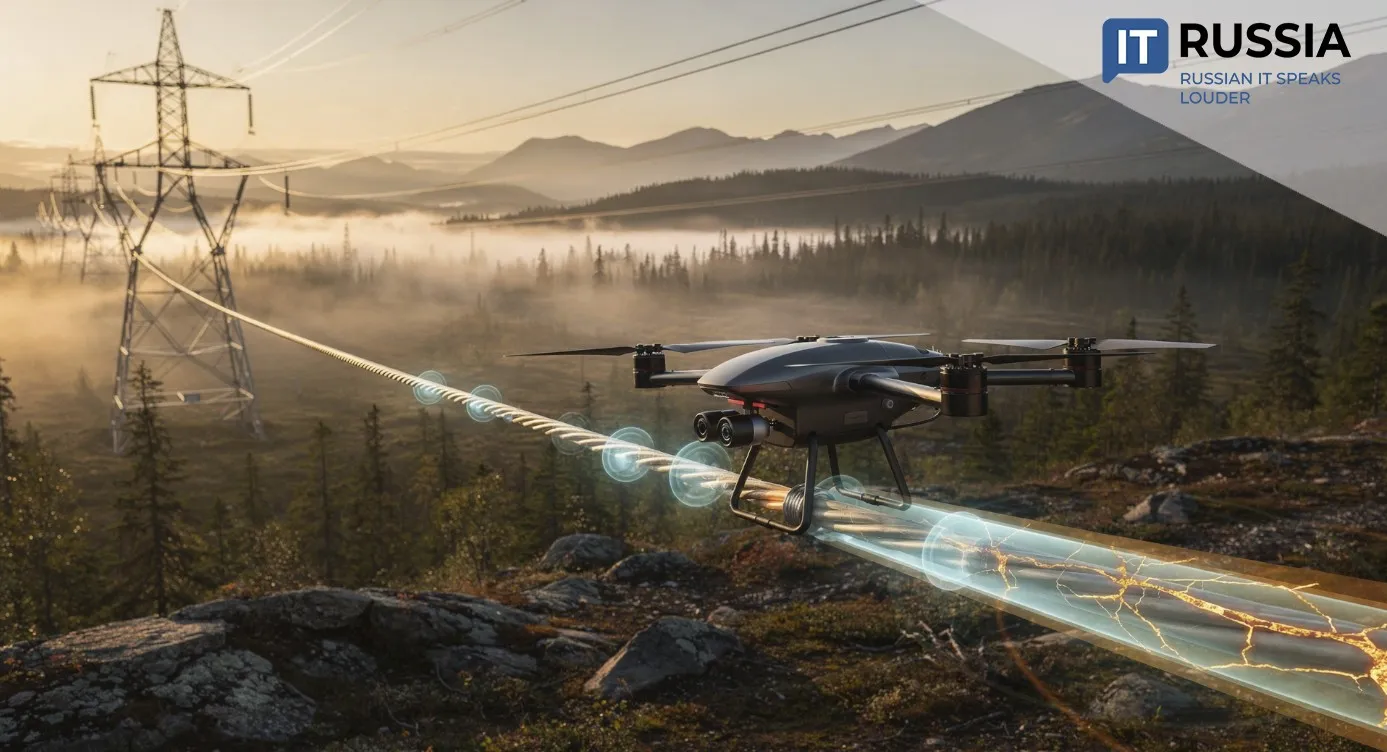
This year, company engineers plan to use the new UAVs to inspect five 220 kV to 500 kV transmission corridors located in some of the country's most remote and difficult-to-access areas.
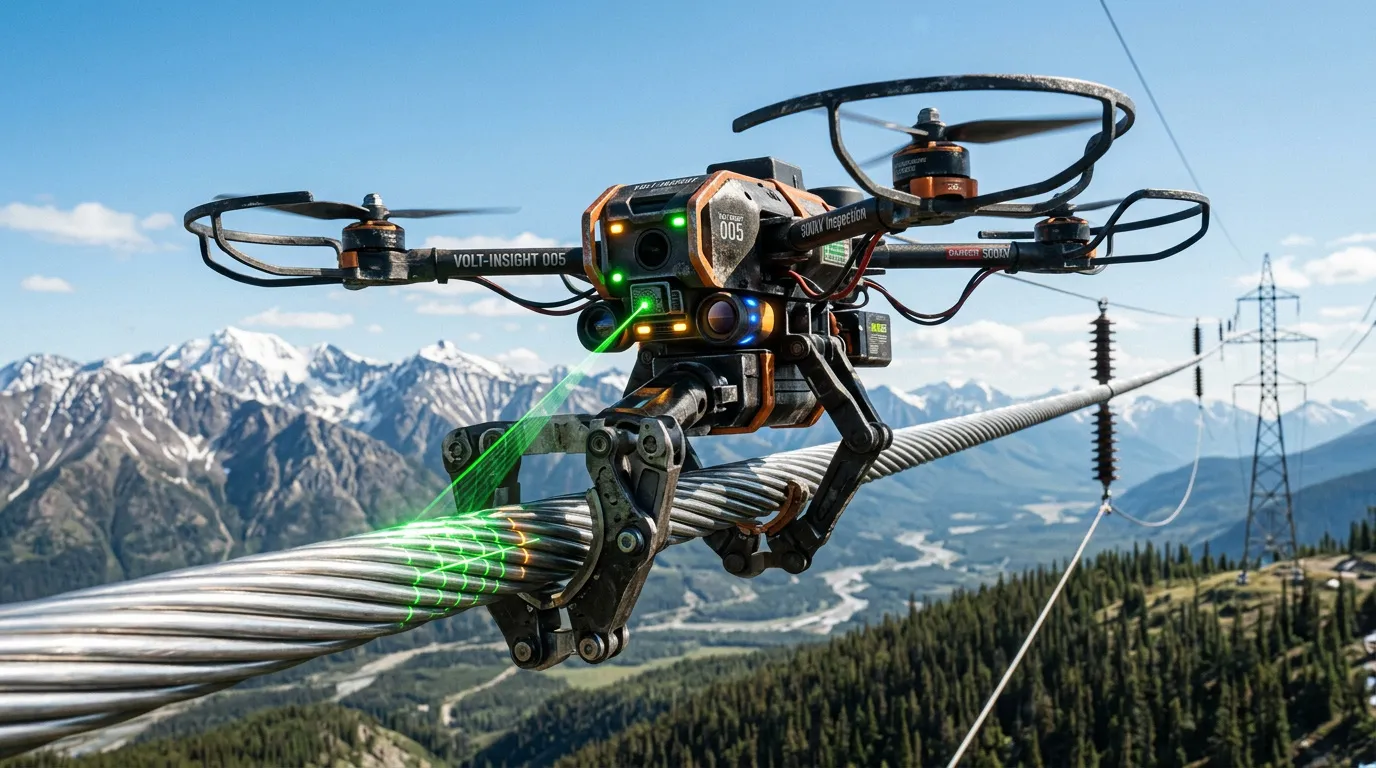
MES Siberia has used drones to inspect transmission lines before, but those missions were limited to visual observations. The new UAVs offer far broader capabilities: they can land directly on energized conductors and perform instrument-based inspections. The drones carry magnetic flaw detection sensors capable of identifying internal fractures and microscopic cracks in metal, along with thermal imaging cameras for examining electrical contact connections. They are also equipped with lidar and high-resolution optical cameras. Each UAV has an operating range of up to 15 km.
Previously, engineers had to rely solely on visual inspections. If they suspected hidden damage, they had to dispatch a maintenance crew to the site for further examination. The new systems will make diagnostics significantly more reliable while substantially reducing labor requirements. Also, the onboard equipment can detect concealed defects early enough for prompt repairs, helping improve the long-term reliability of transmission lines.
For Russia's IT sector, the project signals that major industrial operators are in need of sophisticated robotic platforms with advanced capabilities. That points to sustained market opportunities not only for UAV and diagnostic equipment manufacturers but also for developers of the specialized software that powers these systems.
From Visual Inspections to Enterprise Platforms
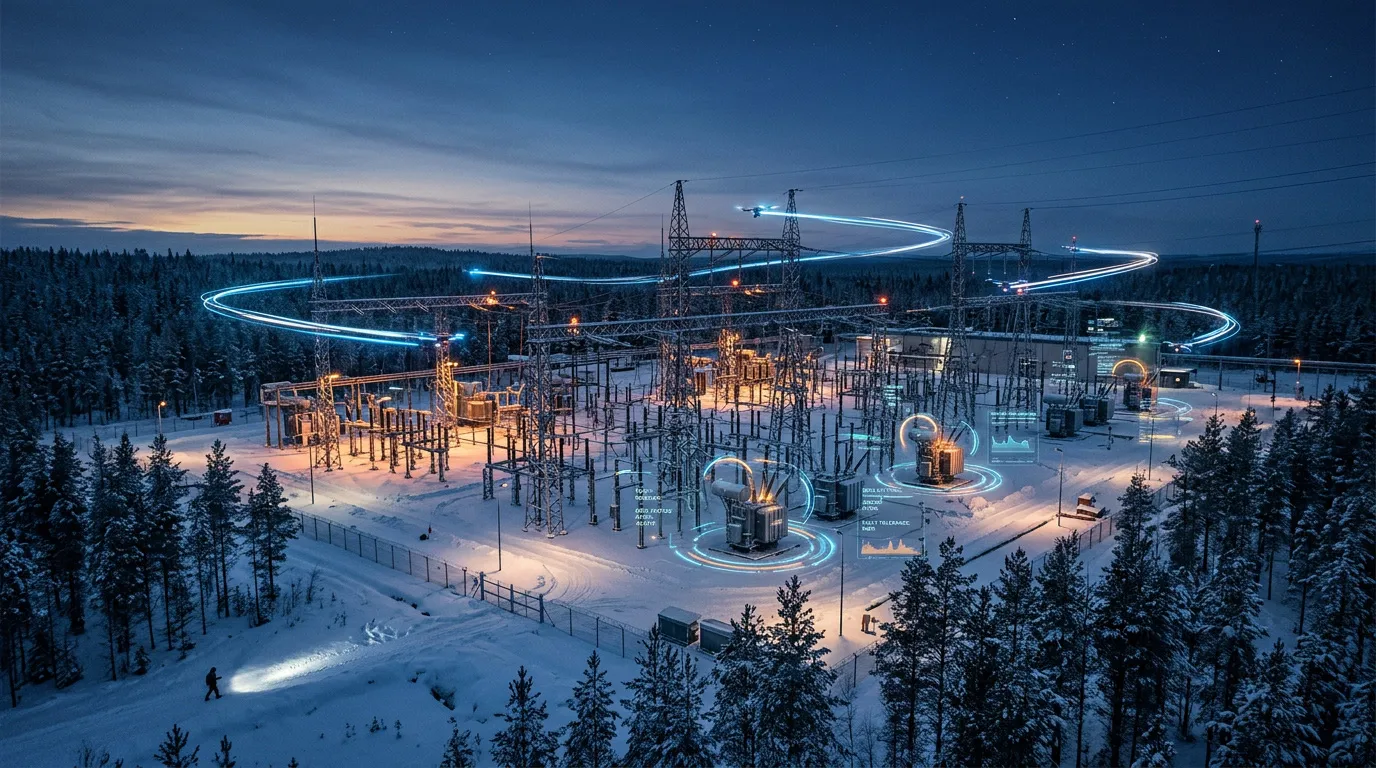
In the near term, Rosseti is expected to expand deployment of these UAVs across its transmission network, particularly in regions where sections of the grid are difficult to reach. Robotic systems have already been identified as a strategic priority in the company's long-term technology roadmap.
Over time, the data collected by these systems could feed into the company's enterprise information platforms, including digital twins of individual transmission assets and the broader power grid. That would enable more accurate diagnostics, improve remaining-life forecasting for transmission infrastructure and support more effective maintenance planning.
Drones Have Become the Workhorses of the Power Industry
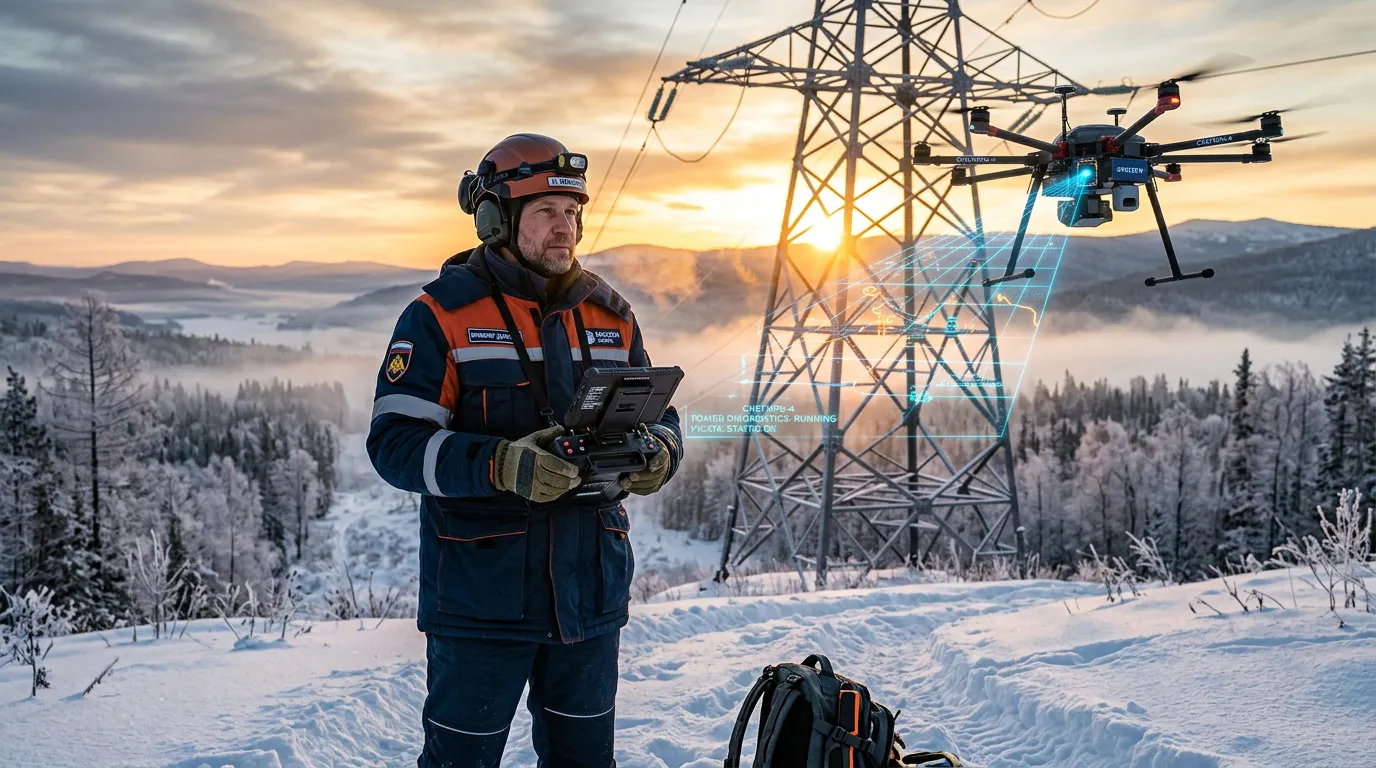
In recent years, UAVs have evolved from experimental technologies into standard tools for electric utilities, while their capabilities continue to expand. Back in 2018, Sverdlovsk Region-based Laboratoriya budushchego introduced the Strekoza (Dragonfly) drone, a baseline platform designed for power grid inspections.
In 2023, the Kanatokhod (Wire Walker) system, developed from that platform, entered production. It can travel directly along power lines and carries a range of diagnostic modules. Beyond inspections, it can apply anti-icing compounds to conductors, remove ice buildup and even perform minor repair work.
In May 2026, a UAV was used for the first time in Russia to help install a transmission line. The aircraft pulled a conductor across a nearly 900-meter span over the Biya River.
In effect, drones in the power sector have evolved far beyond external inspections over the past several years. They are now used for advanced diagnostics and, increasingly, for maintenance and repair work.
A New Standard for Grid Maintenance
The MES Siberia project clearly demonstrates that drones have become fully integrated tools within the maintenance standards for high-voltage transmission networks. Over the next several years, this approach is likely to be adopted not only across Rosseti but also by other grid operators. Meanwhile, neural network algorithms will play a growing role in defect analysis, digital twins of transmission lines will become more widespread, and robots will increasingly take over routine maintenance and repair tasks. Together, these trends are expected to create a sustainable market for Russian industrial drones serving the power sector, with opportunities for deployment in friendly international markets.