Diagnosis Without Surgery: Russian Researchers Develop a New Tool for Infertility Care
Researchers at Sechenov University have developed a method for diagnosing uterine disorders without surgery. The new virtual hysteroscopy technology helps identify causes of infertility without pain or the health risks associated with invasive procedures.
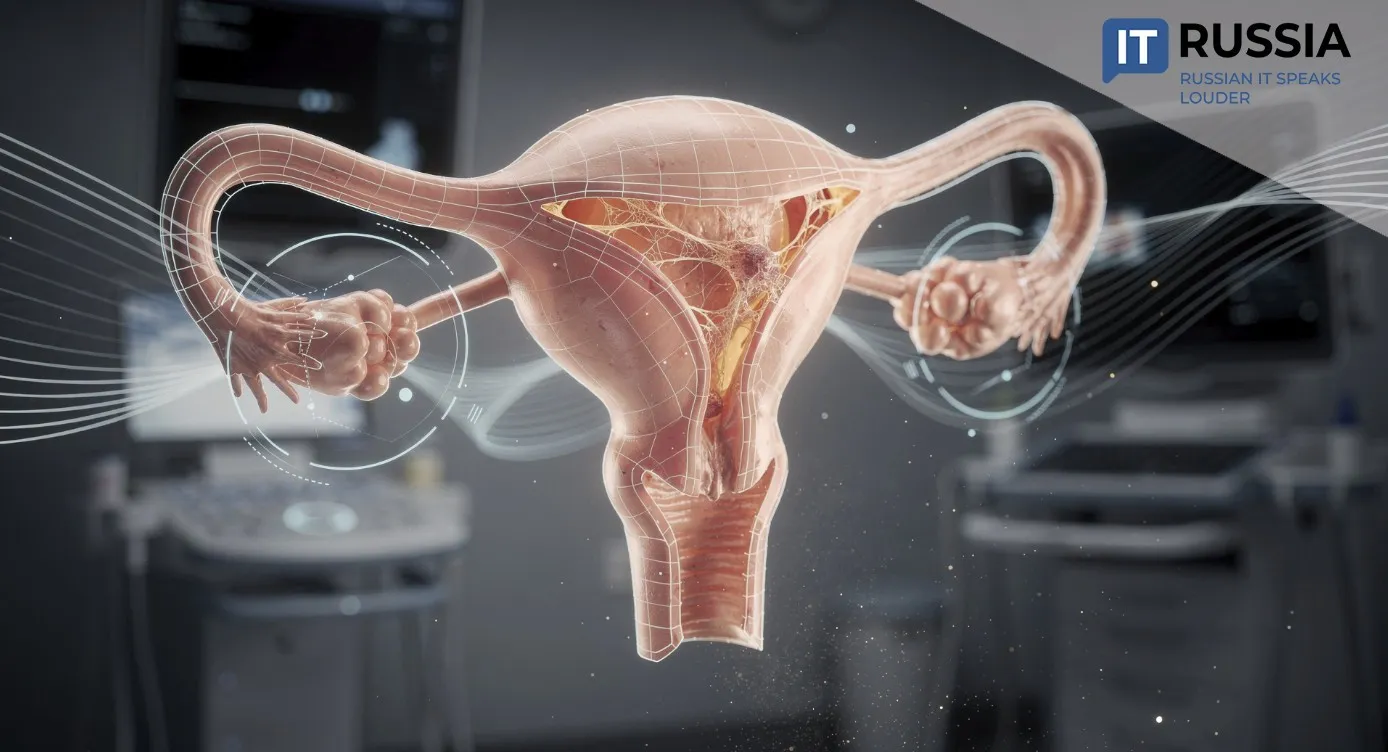
Researchers at Sechenov University, one of Russia's leading medical schools, have patented a technology that could significantly change the way female infertility is diagnosed. Called virtual hysteroscopy, the method allows physicians to examine the uterine cavity without surgery, anesthesia or the risk of procedure-related complications. All a patient needs is a comprehensive 3D ultrasound examination using HDlive imaging. The examination takes between 15 and 30 minutes.
The examination begins with a conventional two-dimensional ultrasound, allowing the physician to assess the uterus's size, shape and position. The scan is then converted into a 3D image, creating a volumetric model of the uterine cavity. The resulting visualization reveals anatomical details that previously could be examined only by inserting a hysteroscope into the uterus.
A Better, More Accurate Approach
Hysteroscopy is widely regarded as the most accurate method for diagnosing endometrial disorders. However, it has significant drawbacks. The procedure can be painful and emotionally stressful. It requires anesthesia and carries risks including tissue injury, infection and prolonged recovery. For women already undergoing infertility treatment, it adds another layer of physical and psychological strain. The new imaging technique eliminates those burdens. It does not require entering the uterine cavity. Most importantly, patients can return to their normal activities immediately because no recovery period is needed.
What Physicians Can See
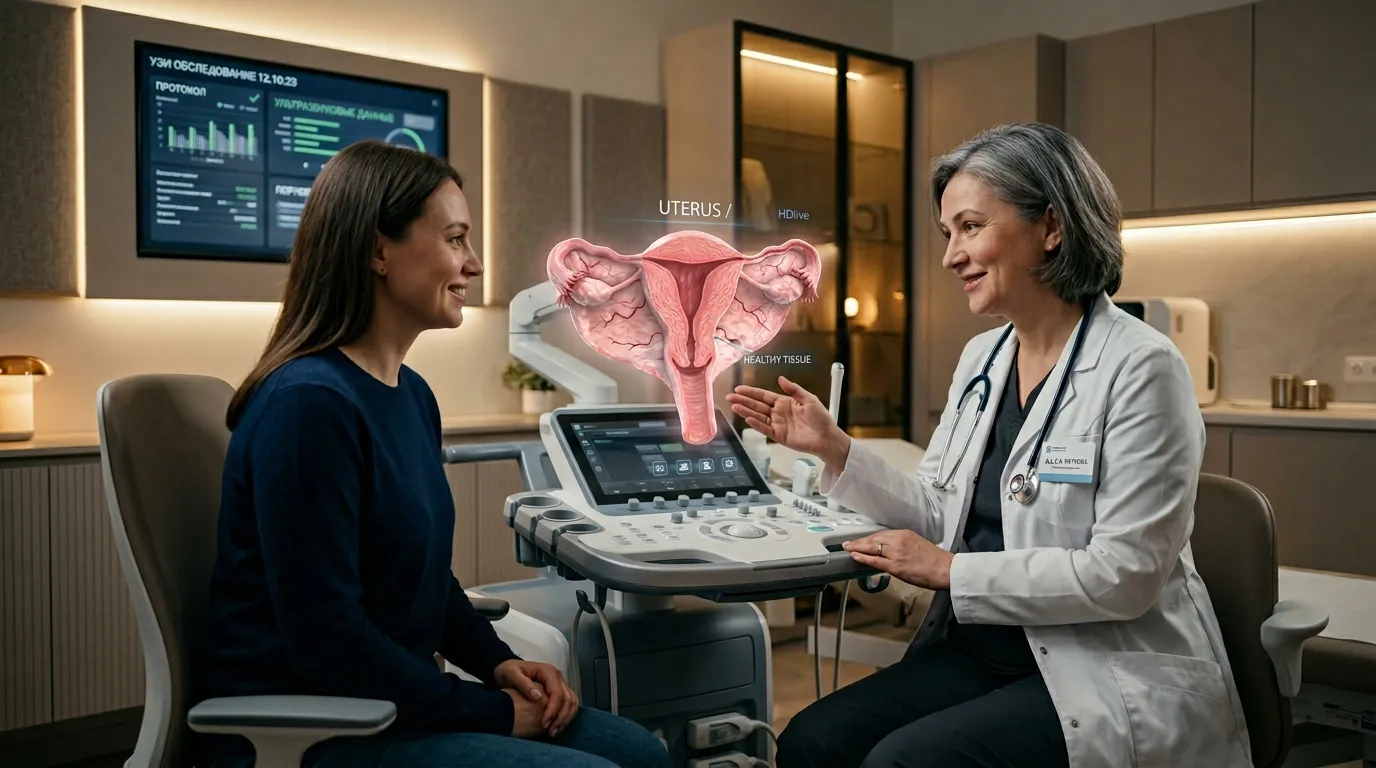
According to Elena Minashkina, a physician specializing in ultrasound diagnostics at the Assisted Reproductive Technologies Department of the Sechenov Center for Motherhood and Childhood, 3D imaging detects endometrial polyps far more often than conventional two-dimensional ultrasound. The likelihood of an incorrect diagnosis is 4.4 times lower. Beyond the statistics, the clinical impact is straightforward: for women who have been trying unsuccessfully to conceive, every incorrect diagnosis can mean months of delay, unnecessary procedures and lost opportunities for treatment.
What the Technology Makes Possible
Endometrial disorders, including polyps, fibroids, adhesions and adenomyosis, affect approximately 40% of women experiencing infertility. These conditions significantly reduce the chances of pregnancy, yet they often remain undetected or are diagnosed incorrectly.
Virtual hysteroscopy allows physicians to determine not only whether a pathology is present but also its specific nature, helping them decide whether surgery is necessary or whether medication may be sufficient. It can also shorten the overall treatment pathway by eliminating unnecessary procedures. That advantage is particularly important during preparation for in vitro fertilization (IVF). Because the examination is noninvasive, it can be repeated as often as necessary without increasing the risk of complications or delaying the next stage of treatment.
What It Means for Russian Healthcare
Sechenov University is one of Russia's leading medical centers. When new medical technologies emerge there, they typically receive nationwide attention. Virtual hysteroscopy has already been patented, opening the way for broader clinical adoption and implementation in healthcare facilities across the country.
For Russia, the technology represents another step toward more personalized and less invasive healthcare. That is especially important in such a sensitive area as reproductive medicine, where successful treatment depends not only on diagnostic accuracy but also on minimizing physical intervention.
Infertility is not only a medical condition but also a social challenge. Behind every statistic is a family hoping to have a child. For many of them, an unnecessary surgical procedure, an avoidable risk or an incorrect diagnosis can become a major obstacle. A technology that shortens the path to pregnancy while reducing stress for women represents more than a new medical procedure. It offers meaningful support for patients throughout infertility treatment.

Future Prospects and International Potential
Sechenov University's technology could find applications beyond Russia. In countries where reproductive medicine is advancing but surgical procedures remain difficult to access because of cost or limited medical infrastructure, noninvasive diagnostic approaches could provide a viable alternative.
Unlike conventional hysteroscopy, which requires specialized equipment and trained surgeons, virtual hysteroscopy can be performed using ultrasound systems that are already available in many healthcare facilities. Only dedicated software and physician training are required. That creates opportunities for the technology to be adopted internationally.