

AI to Help Calculate Water Utility Tariffs in Moscow Region
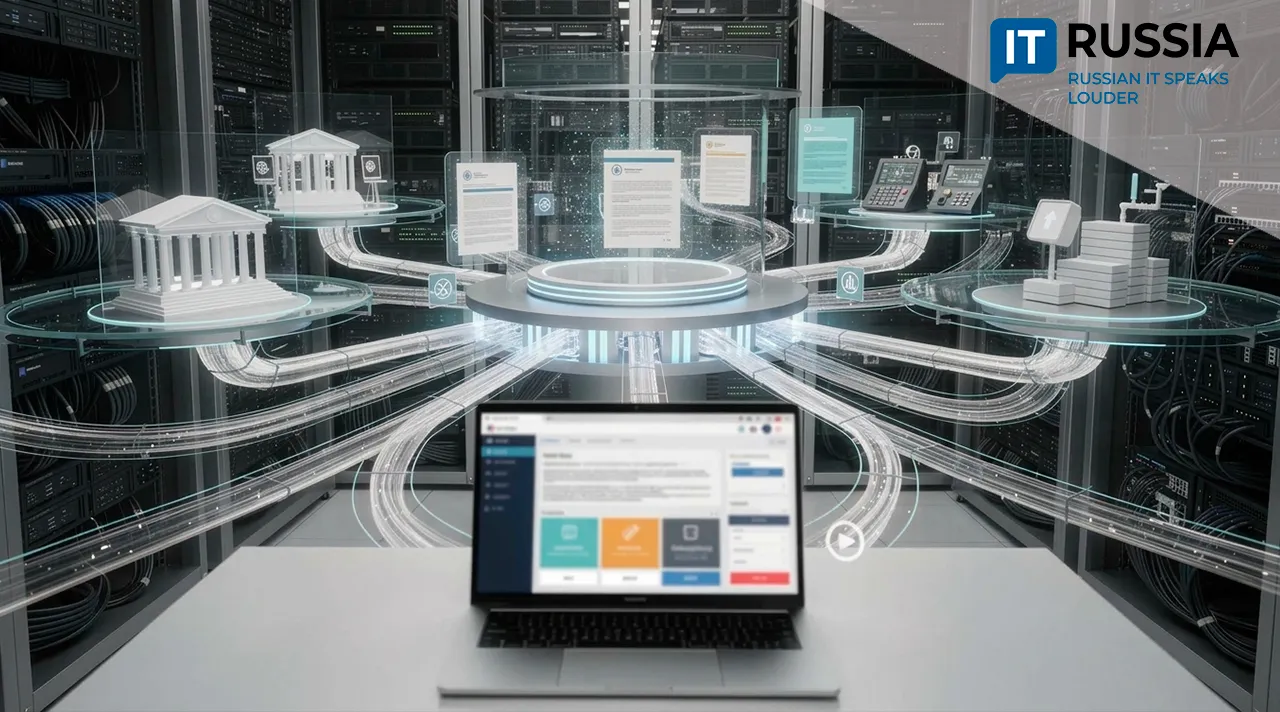
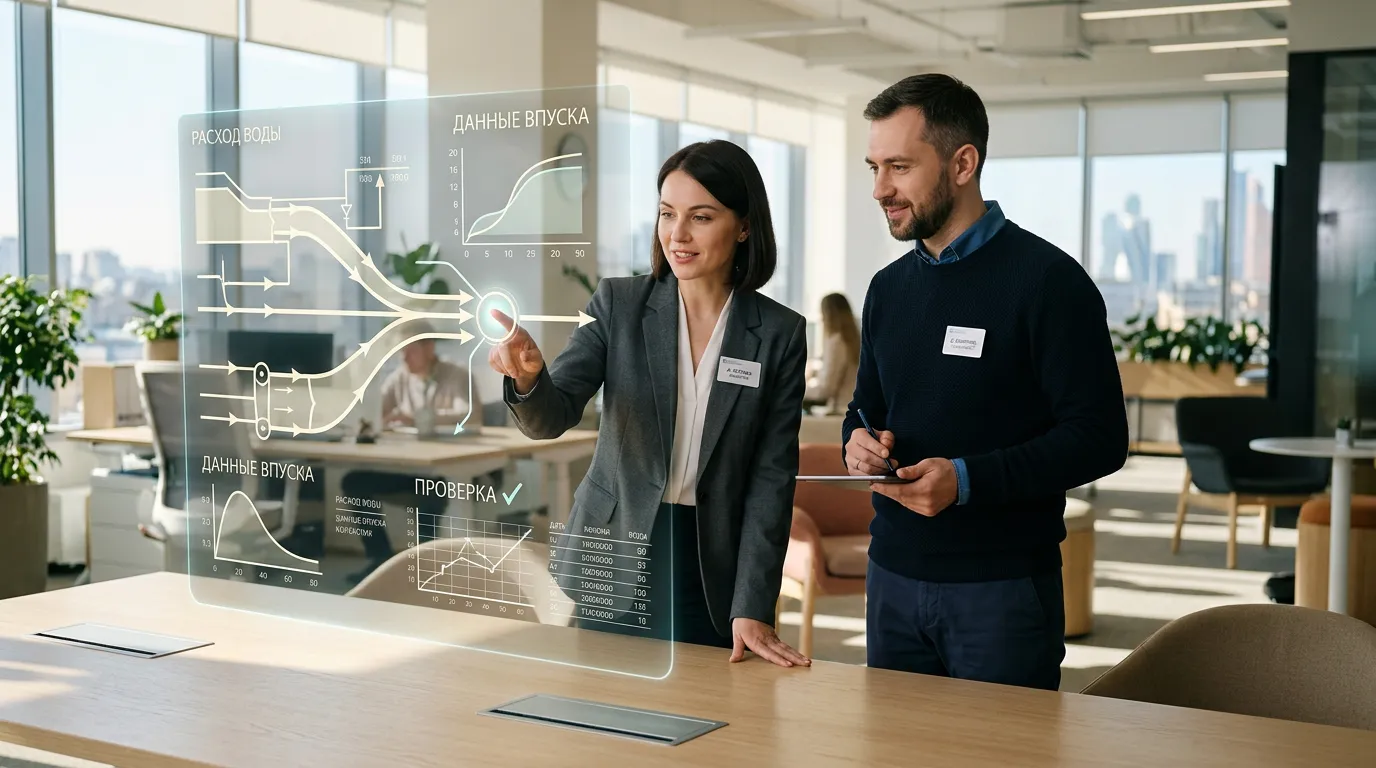
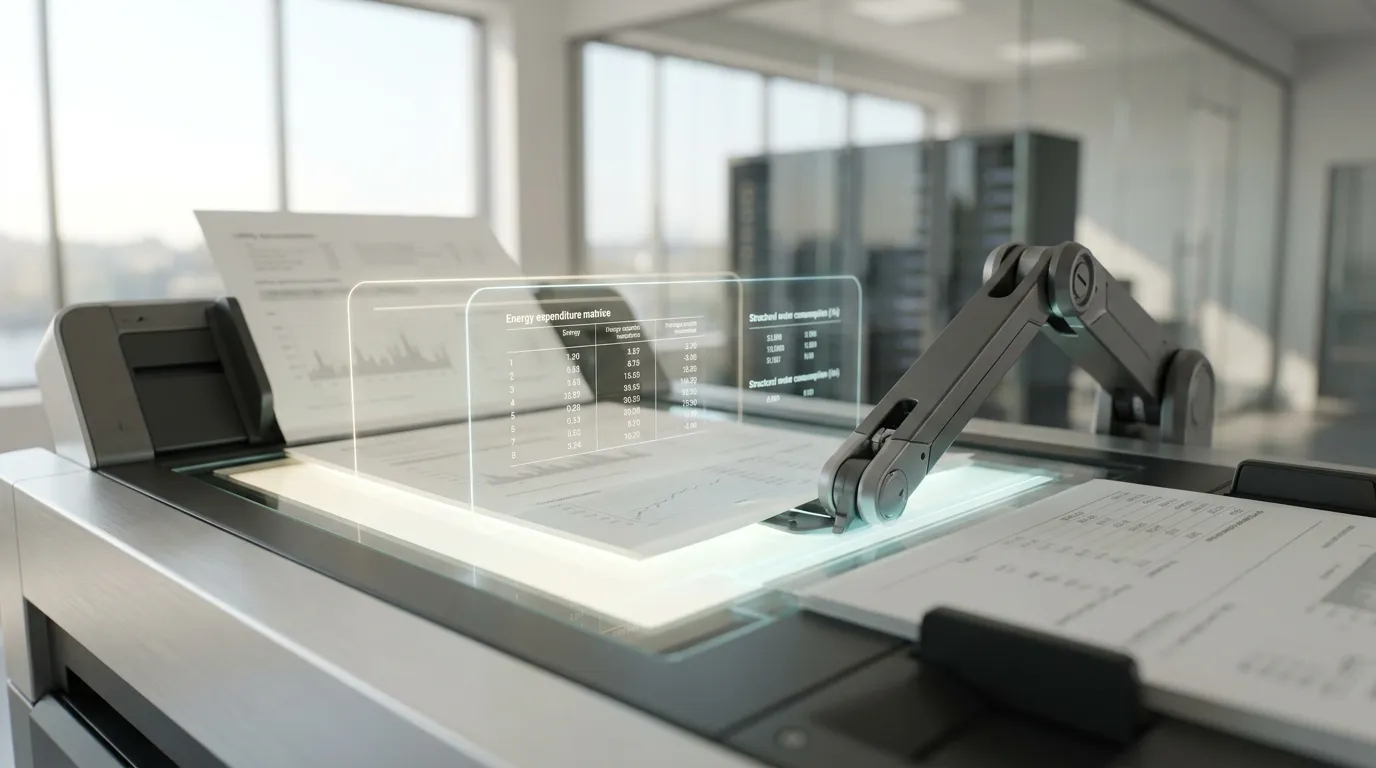
Artificial intelligence will process documents used to calculate and review water supply and wastewater tariffs in the Moscow Region. The regional Committee for Prices and Tariffs has introduced AI to extract data from scans and photos, check whether document packages are complete, and identify potential discrepancies.
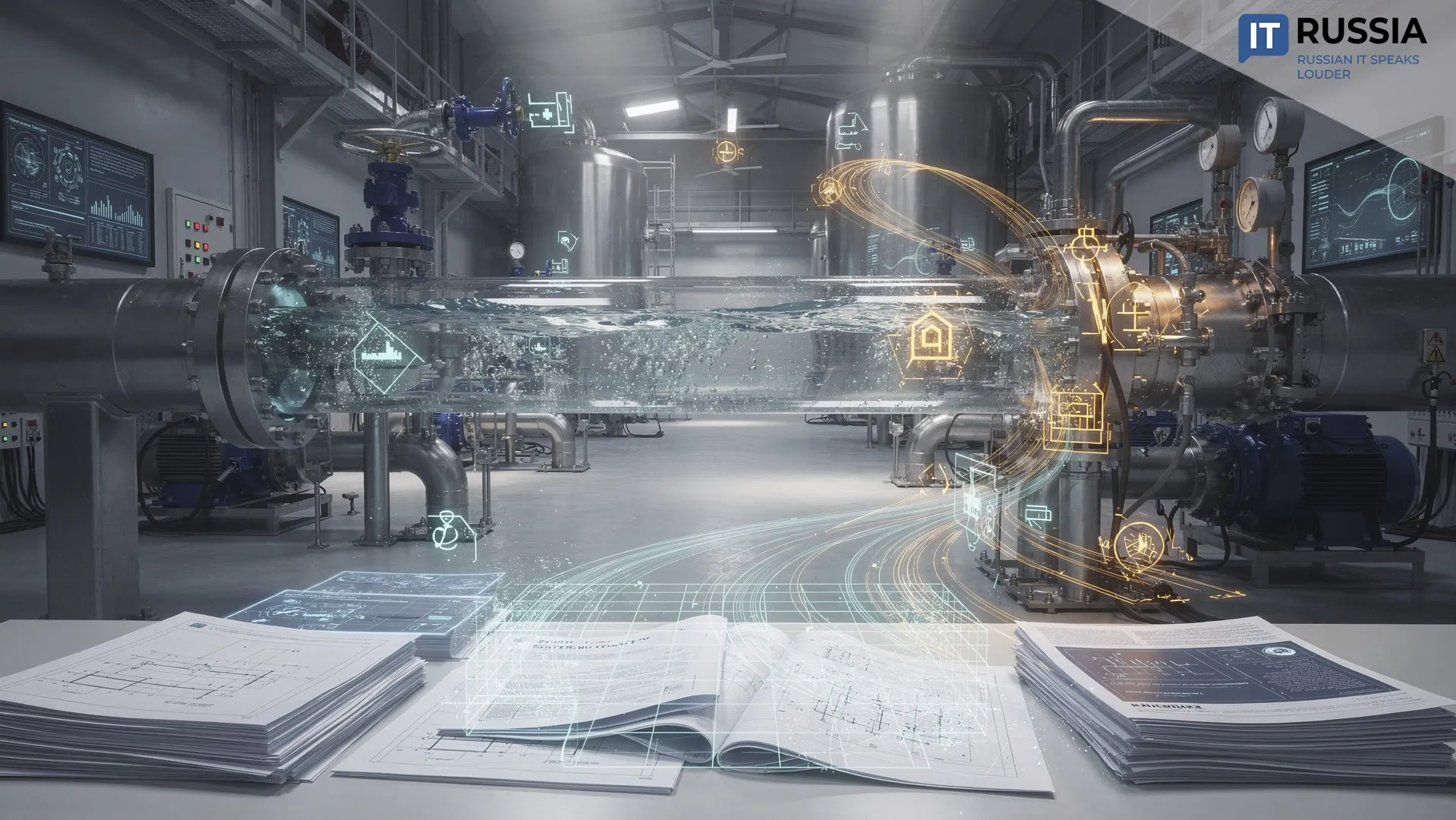
Previously, employees handled this work manually, checking documents and matching data across tables and attachments. The process took considerable time because more than 750 tariffs are set each year for 372 water supply organizations in the Moscow Region. Now, however, the process is becoming simpler as AI is being actively used for these administrative tasks.
AI to Flag Unnecessary Spending
The digitalization of Russia’s housing and utilities sector is continuing. In the future, AI could automatically review tariff applications across all Russian regions. It could also help assess whether expenses are justified and flag unusual changes in spending. In addition, AI could be integrated with resource accounting systems and digital housing and utilities platforms.
In recent years, utilities have also been making active use of digital infrastructure management systems, including “digital water utility” technologies used to monitor networks, detect leaks and cut costs. Over time, such systems could develop into comprehensive platforms for managing utility infrastructure. Those software products could then attract interest from other countries, particularly where utilities need modernization and water losses need to be reduced.
AI Assistants Are Appearing Across Russia
Digitalization and the adoption of AI technologies in government and municipal services have been accelerating year by year. Moscow has operated a Unified Dispatch Center since 2016, giving residents a way to report housing and utilities problems. In 2022, a voice assistant handled one-third of all requests, and by 2024 that share had risen to 50%. Meanwhile, the Rostov Region government has used the Delo (Document Management System) workflow automation system for many years. In 2023, AI technologies were added to the system, with neural networks helping sort residents’ requests, among which housing and utilities issues are one of the most common topics.
Chatbots are increasingly being used to advise users, find information and guide them through various online services. In 2025, AI technologies also began appearing in multifunctional centers (MFCs). For example, the Lipetsk Region introduced a voice assistant that advises residents on obtaining government services, schedules appointments and answers routine requests. St. Petersburg’s MFCs introduced an AI assistant to advise foreign nationals. Similar projects have appeared in other regions. In the Kursk Region, for example, a voice assistant now provides consultations, schedules appointments and checks documents. By 2026, AI in government services had begun to be used to process documents, verify data and guide users through complex procedures. Advisory bots are gradually evolving into intelligent support systems. In the Moscow Region, AI will now also help calculate tariffs.
Moscow Region Could Serve as a Model
New technology solutions are expected to minimize manual document processing and technical errors while making reviews much faster. In tariff regulation specifically, the next step could be to combine AI-based regulatory systems with data on the actual condition of utility networks, resource consumption and accident rates.
The Moscow Region’s experience could serve as a model for deploying similar solutions in other Russian regions. More broadly, Russia’s digital housing and utilities market is developing a portfolio of technologies that could eventually find demand in foreign markets as well.