

GNSS Technologies Are Transforming Industrial Safety Monitoring in Russia
Metallurgy is one of the most water-intensive industries. A steel plant cannot operate without continuous, controlled management of water resources. That management is becoming increasingly automated.
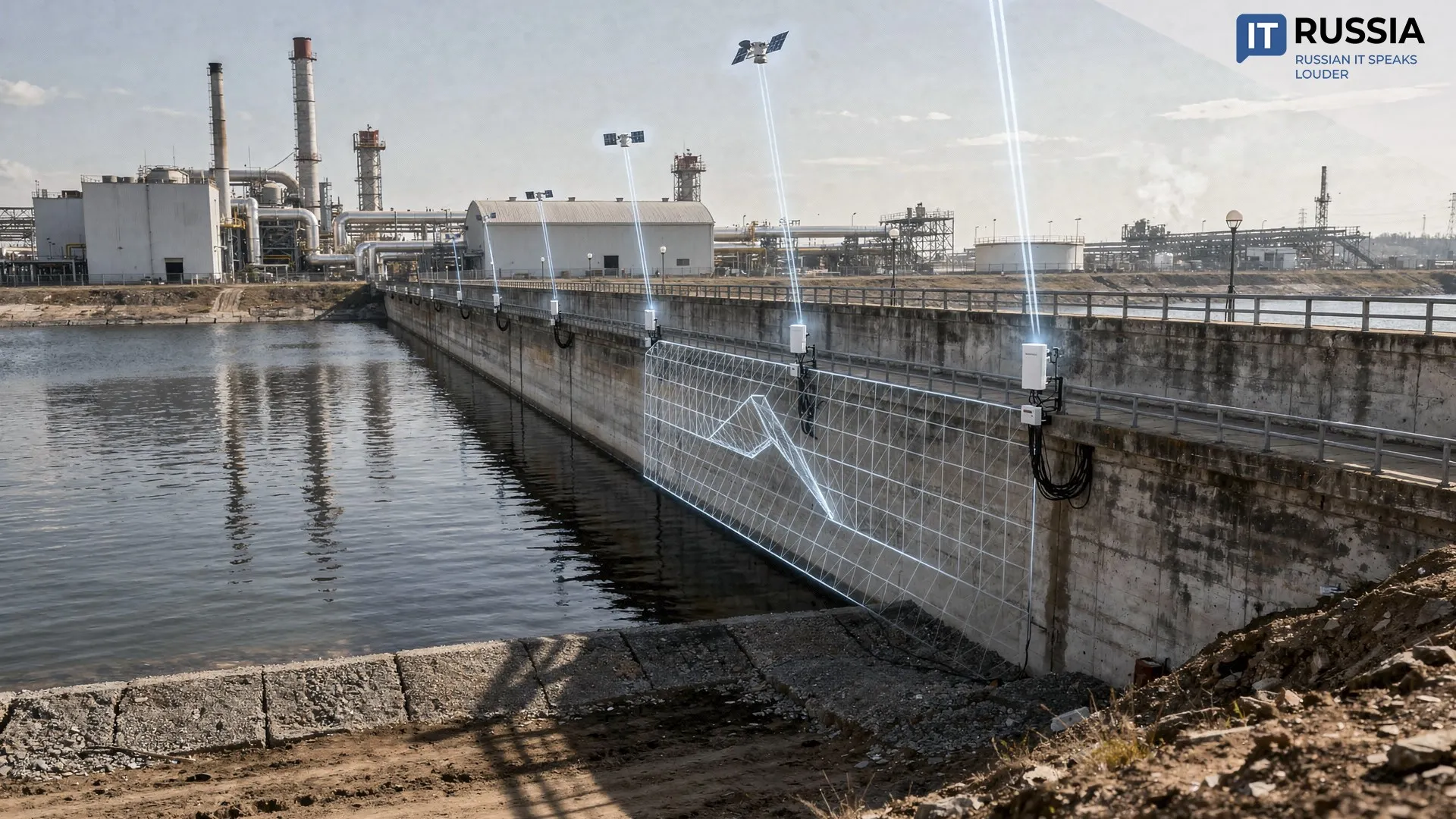
Monitoring the condition of hydraulic structures is technically challenging. Two specialists with total stations, lengthy data processing and periodic inspections – that is what conventional surveying looks like. At EVRAZ ZSMK in Novokuznetsk, the company has moved to digital technologies and begun using GNSS equipment to monitor the facility.
A Different Geometry
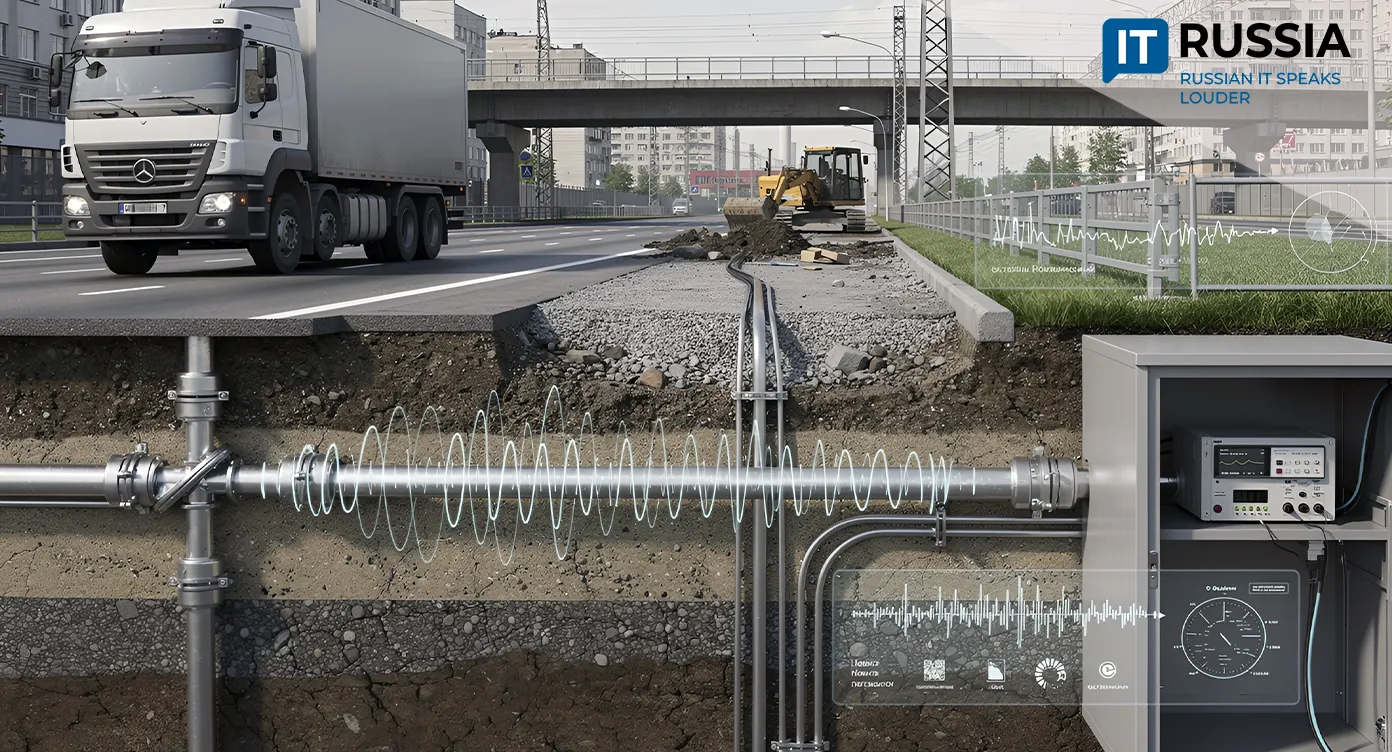
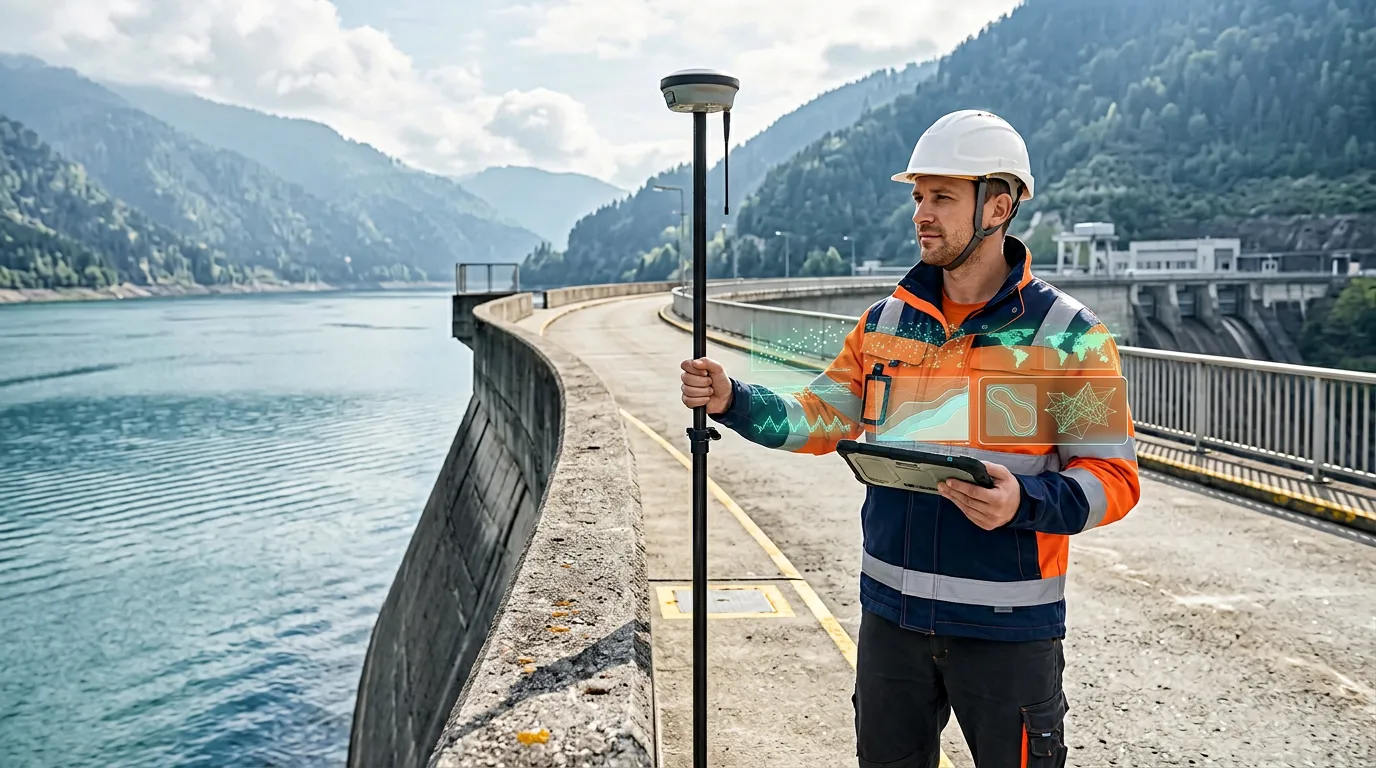
To determine whether, for example, a massive dam has shifted, a surveyor using a total station would manually measure angles and distances at designated marker points. Besides being time-consuming and labor-intensive, this approach produces only a “snapshot” of conditions at a particular moment. Now the same dam can be equipped with specialized receivers that capture satellite signals and determine coordinates with millimeter-level accuracy. The data is available in real time rather than afterward. If the ground beneath the dam suddenly begins to shift, the system detects it immediately and issues an alert, allowing employees to respond in time and prevent dangerous changes in the structure’s condition.
For industries with large numbers of complex, geographically dispersed assets – including mining, metallurgy, construction, energy and transportation – such solutions are essential. The safety of industrial facilities directly affects the safety of the areas around them. Deformation of hydraulic structures at steel plants, such as dams, embankments and tailings storage facilities, can lead not only to economic losses but also to environmental disasters. Automated monitoring makes it possible to identify risks at an early stage without putting people’s lives and health at risk.
Technologies of the Future Based on Lessons From the Past
In 2009, the Sayano-Shushenskaya Hydroelectric Power Station suffered the worst accident in the history of Russia’s hydropower industry. Water flooded the station’s turbine hall, destroying three generating units and damaging all the others. Seventy-five people were killed. Among the causes cited by official authorities was the absence of an automated vibration monitoring system. The plant’s dam is located in an area with highly mobile crustal conditions and was therefore subject to increased deformation. Continuous automated monitoring could have helped prevent the tragedy.
Today, Russian industry is increasingly deploying digital systems to monitor infrastructure. In 2021, Nornickel launched an automated geotechnical monitoring system in Norilsk. Temperature sensors, inclinometers and seismic sensors began monitoring the condition of facility foundations in permafrost conditions, improving the safety of critical infrastructure. That same year, SODIS Lab introduced the SODIS.IO cloud platform for online monitoring of building structures, while TERRA TECH, together with Russian Railways, began using satellite data and drones to monitor construction of the Eastern Operating Domain. In 2022, Tatneft and Rostelecom tested an automated system for monitoring storage tanks. Now digital monitoring has reached the steel industry.
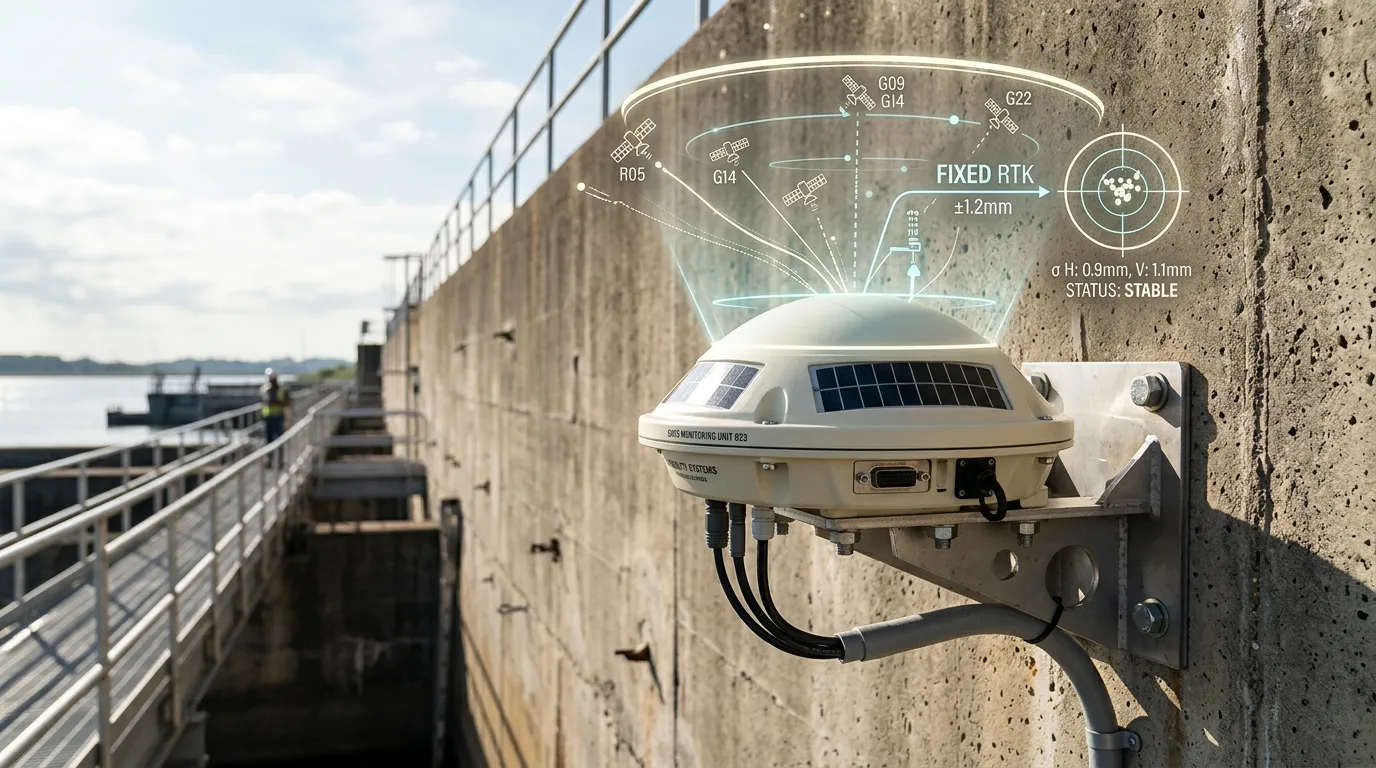
The Chief Inspectors at Hazardous Industrial Facilities
The development potential for GNSS monitoring is broad. For industries with large numbers of complex, geographically dispersed assets, where the cost of downtime or an accident can run into billions and safety requirements are at their highest, satellite-based monitoring systems are becoming economically justified. Over the past five years, the combined economic effect of implementing artificial intelligence technologies and digital projects at EVRAZ Group facilities has exceeded RUB 23 billion (about $272 million).
The next stage in GNSS measurement technology will involve integrating it with other digital tools. Structural condition sensors, the industrial Internet of Things, analytical platforms and digital twins of facilities all need to become part of a single ecosystem. This will make it possible to move from periodic inspections to continuous predictive monitoring. Instead of relying on an inspector’s subjective assessment, the system itself will alert operators to an emerging problem based on large volumes of data.
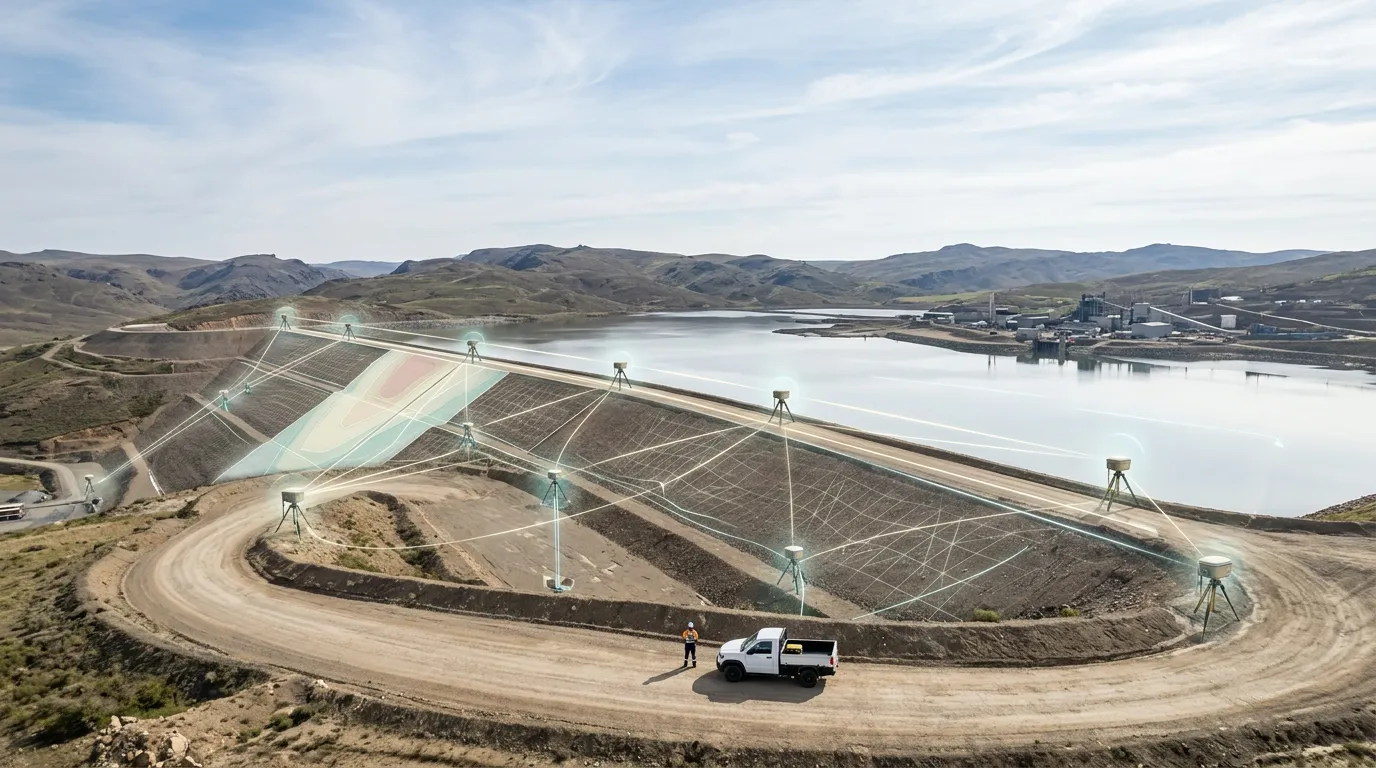
The introduction of GNSS at EVRAZ ZSMK is not simply a matter of replacing a total station with a satellite receiver. It is a step toward a new approach to infrastructure management, in which safety is supported by the accuracy of digital data.