Anatomy of a Profession: Sechenov University Creates a Digital Atlas for Medical Students
The service will help future doctors choose a medical specialty while also showing them which course content they need to review.
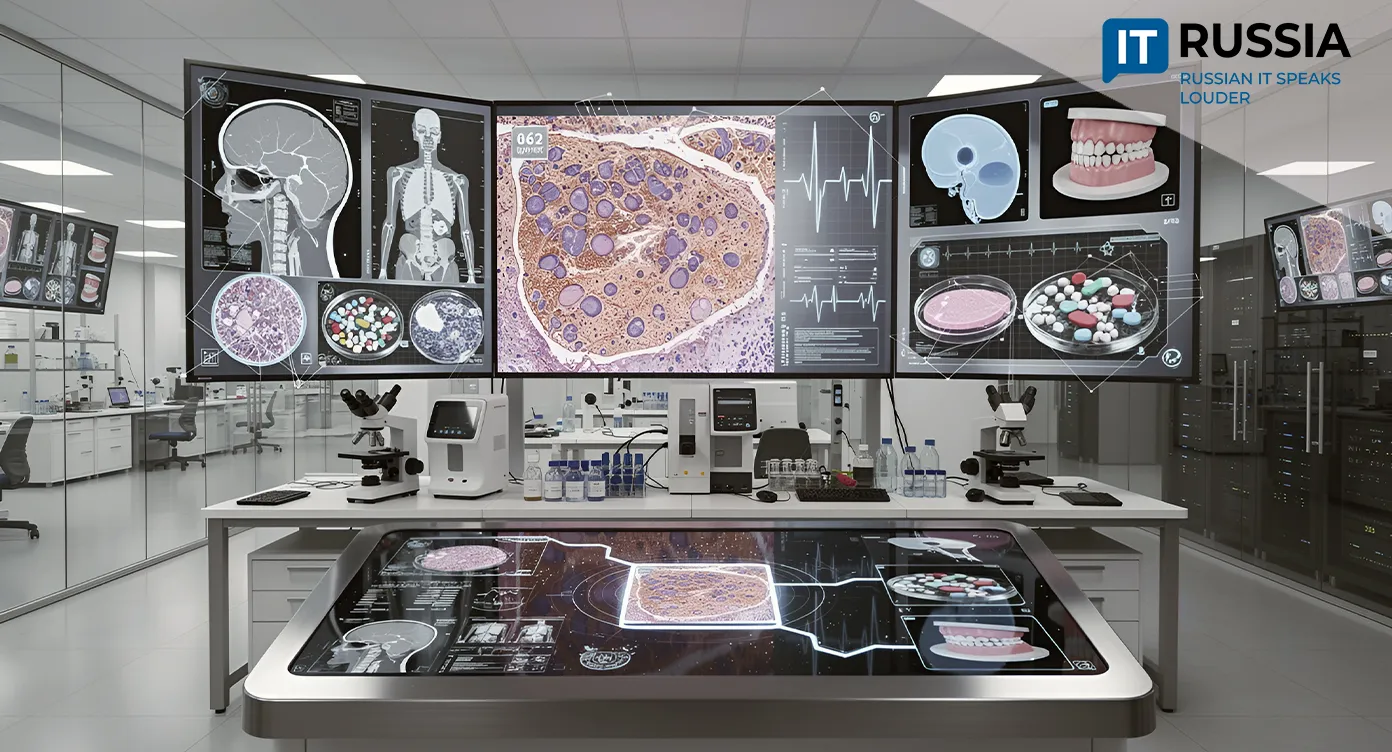
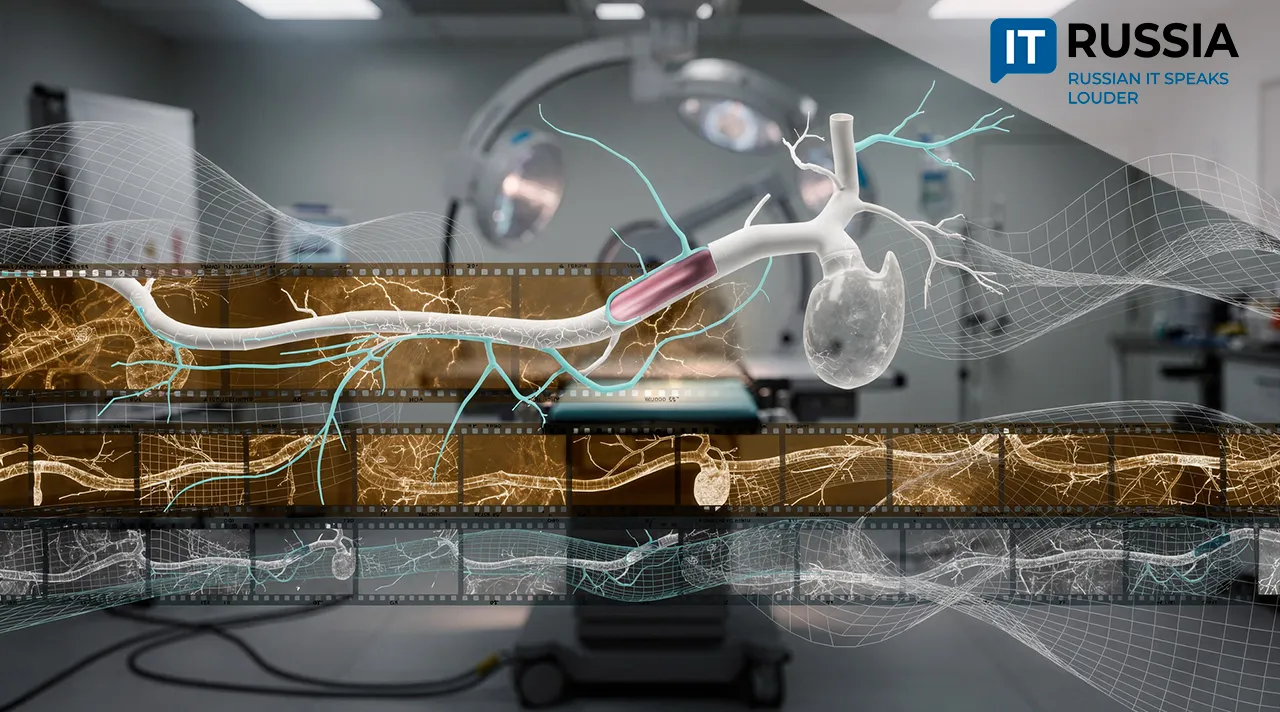
The platform developed at Sechenov University is a digital collection of medical images. It includes histology slides, ECG and cardiotocography (CTG) recordings, oral images, and pharmaceutical microscopy slides. Students can examine any material interactively by selecting an area of interest and zooming in. Each slide includes a diagnosis, a description of symptoms, instructors’ comments and recommended reading.
The atlas is designed not only for viewing but also for self-assessment. In the tests, students must find an area in an image that corresponds to a particular diagnosis. Sechenov University already uses the tool to assess students’ knowledge, while students from other universities use it for independent practice.
The Digital Atlas has brought together more than 2,000 interactive medical images and more than 9,000 annotations. Starting in 2027, it is also set to gain an AI assistant that will help students choose a medical specialty. “Students who graduate, for example, in general medicine do not always have a clear idea of which specialized field they should choose. The methodology we have proposed will help them make that decision as early as their third year,” says Namig Samedov, director of the Center for Digital Strategic Projects at Sechenov University.
More than 8,000 people from 93 universities have connected to the service, and they are not all future doctors. The platform has also proved useful to students at art schools, for example, who need anatomy to depict the human body more accurately.
A Navigator for the Future
The idea of using digital technology to help people choose a career emerged long ago. Back in 2021, the Bilet v budushchee (Ticket to the Future) project, part of Russia’s Education national project, significantly expanded its capabilities compared with 2019, when the service was launched. Bilet v budushchee began offering more tools for assessing school students’ interests and aptitudes, helping them understand what direction to pursue next.
In 2022, digital career-guidance services began developing even more rapidly. Career tryouts were scaled up and moved online. Then, in 2023, a number of Russian universities launched pilot projects using AI assistants for students: recommendation systems for building individualized educational pathways, chatbots for navigating university services, and predictive analytics for academic support. The projects were built on universities’ own IT platforms and operated on a local basis.
In 2024, Moscow’s Higher School of Economics (HSE) announced the development of an AI assistant for students based on large language models. During the same period, Moscow introduced AI tools into the Moskovskaya elektronnaya shkola (Moscow Electronic School), while Yandex showcased a line of educational AI assistants based on YandexGPT.
By 2025–2026, Russian universities had begun to view AI not only as a study assistant but also as a tool for building career pathways. Skills analysis, recommendations on course selection and forecasts of professional development had become part of the digital educational environment.
At the Crossroads of Specializations
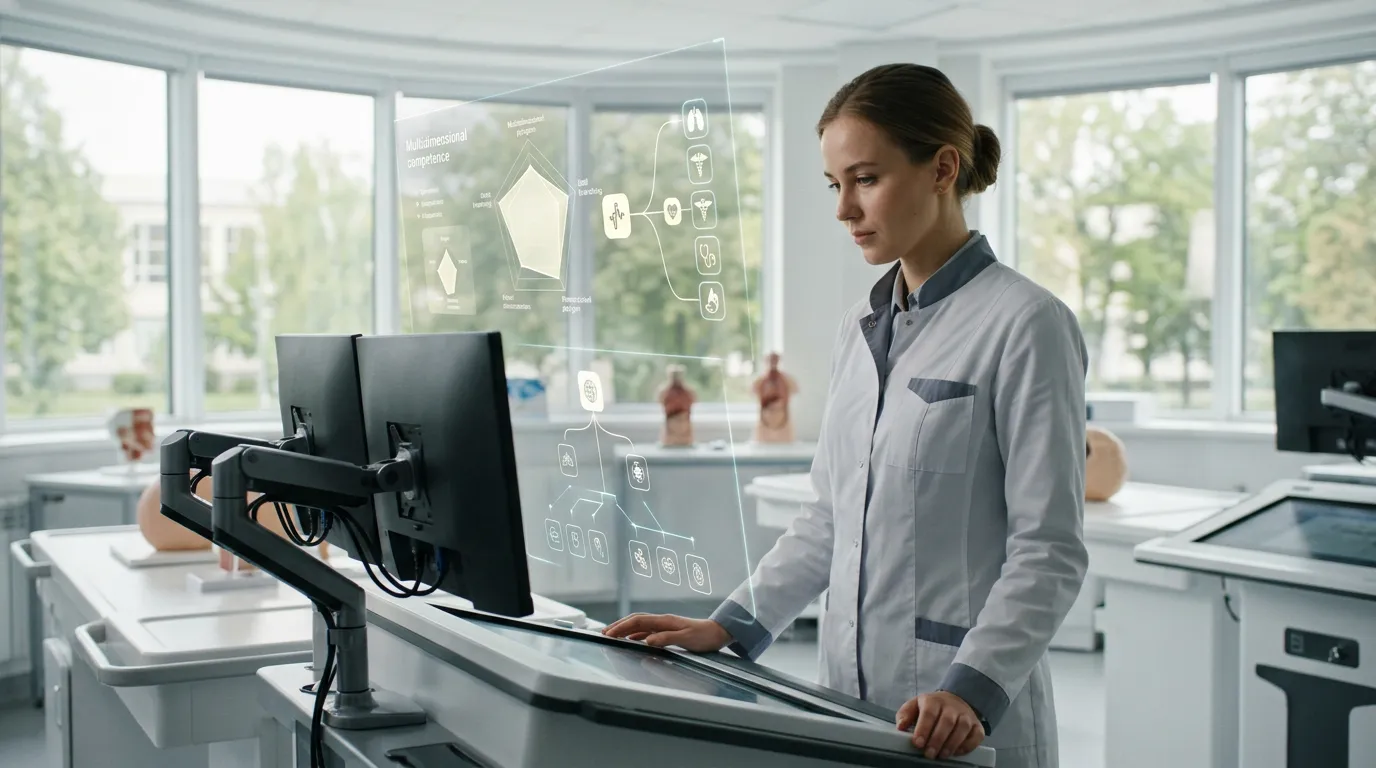
In 2027, the Digital Atlas is set to gain a new assistant. The new assistant will draw on several sources at once, including how a student learns on the platform, their strengths and weaknesses, and their answers to career-guidance questions. Based on that information, it will generate individualized recommendations for choosing a specialized medical field.
The AI assistant will also identify knowledge gaps and suggest appropriate materials to address them. Students will be able to use another feature to analyze clinical cases interactively, practicing diagnosis and treatment selection based on data uploaded to the system. A digital mentoring program is also being prepared for launch, connecting students, residents and practicing physicians: students will keep an internship journal, while mentors track their progress and share additional learning materials.
Which Way to Go?
The Digital Atlas is one of the AI EdTech solutions that analyze learning data and help each student build an individual career path. The project is being developed as part of the Prioritet-2030 (Priority-2030) program and has already been added to Russia’s Ministry of Digital Development’s registry of domestic software. It has room to expand: systems like this could prove useful at other medical universities across Russia and later beyond the country’s borders.
For healthcare, technologies like these are particularly relevant because they can help direct young professionals more precisely toward fields where they are most needed. Students will be able to figure out earlier what they want to do, while universities can plan their educational programs more effectively. In the coming years, similar solutions are likely to emerge in other areas of higher education in Russia as well.