

Uralspetsavtomatika Brings the Future of Fire Safety Closer
Around 8,000 fires break out at industrial facilities across Russia every year. They cause more than 12 billion rubles in property damage (about $142 million). Most importantly, people die. That is why every “second gained” can mean a life saved.
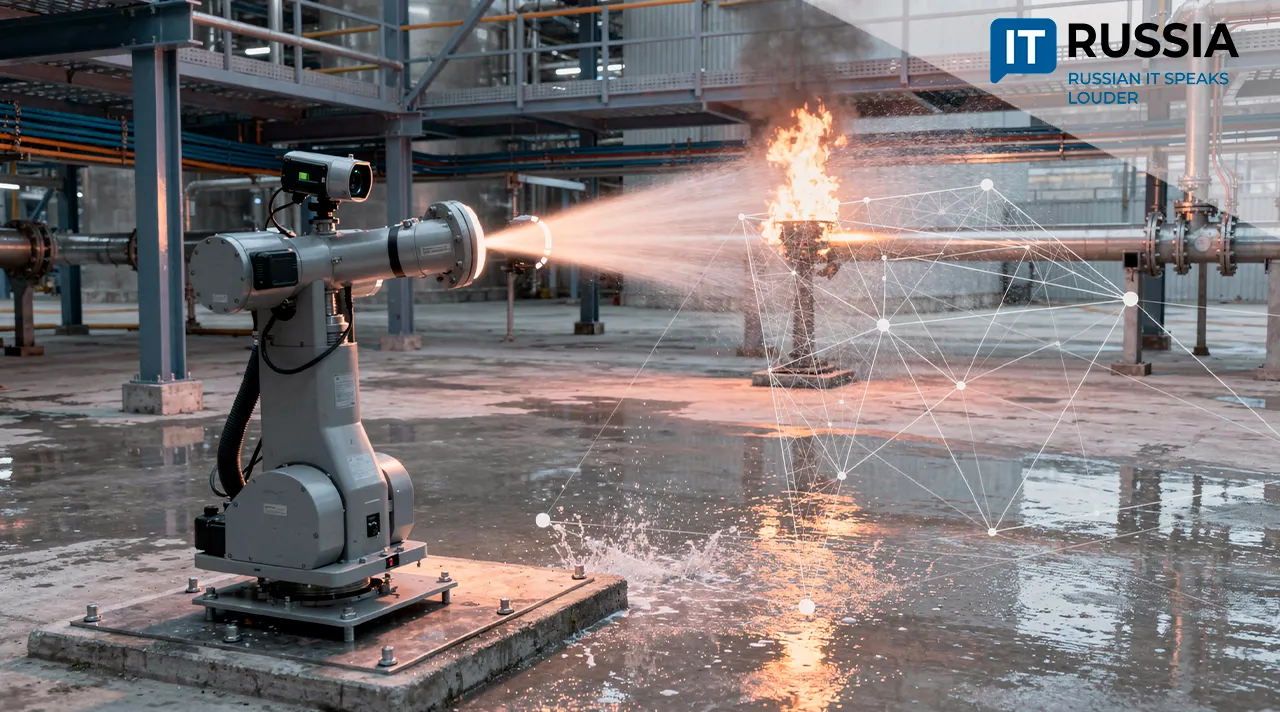
At the 16th International Integrated Safety 2026 Expo in Kazan, Uralspetsavtomatika presented a line of robotic firefighting systems that can do more than deliver water: they can independently locate a fire and make decisions.
From Detection to Suppression – Without a Human
The centerpiece of the company’s trade show booth was an industrial robot with a water flow rate of 20 liters per second. It can operate in three modes: automatic, manual, and remote. The smart system receives a fire alarm, determines the location of the fire, aims the nozzle, and starts suppression. For remote monitoring and control, the system uses video surveillance and connects to a remote host over a CAN bus.
The system combines fire automation, detection sensors, a video camera, a laser rangefinder, software control, and an industrial data network. Each hardware-and-software system independently performs the entire sequence of operations: fire detection, localization, aiming, and suppression.
At the exhibition, the company also presented industrial versions of its robots with flow rates of 10 and 30 liters per second, as well as mini-robots delivering 5 and 10 liters per second for offices, stores, and other relatively small facilities.
Robots on the Job
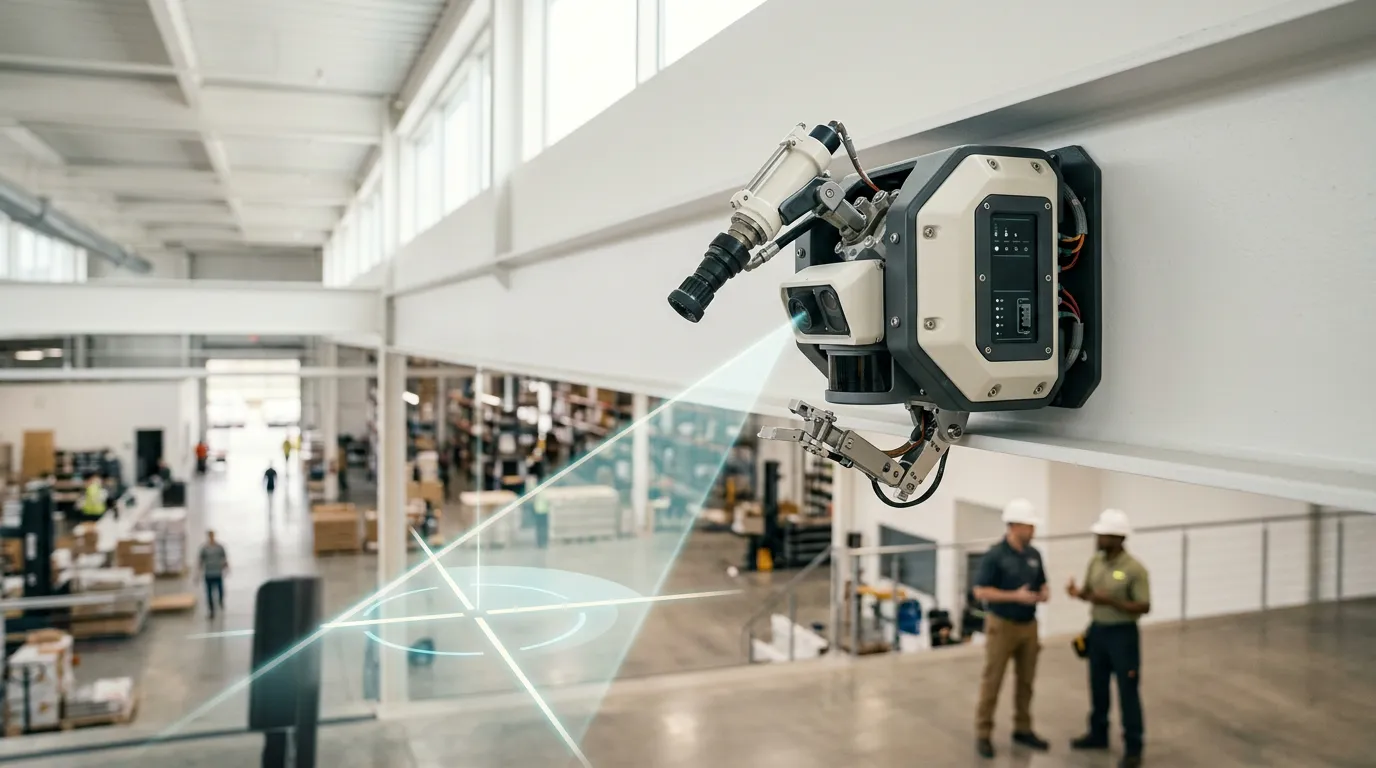
The number of industrial robots in Russia increased from 12,800 units in 2023 to 32,000–34,000 in 2025, more than 2.5 times. The firefighting robotics market has made a significant contribution to that growth and already ranks among the leaders in the number of models, alongside China.
Back in 2021, Rostec presented a robot using machine-learning technology to fight fires at industrial facilities, ships, and drilling platforms. After detecting flames, the system sends the coordinates of the fire to a control system, which automatically aims a water cannon at the flames. The firefighting system can also perform security functions, using a water jet to prevent intruders from entering a facility.
In 2024, the Spetsialnoye konstruktorsko-tekhnologicheskoye byuro prikladnoy robototekhniki (Special Design and Technology Bureau of Applied Robotics), or SKTB PR, presented mobile robotic firefighting units for the nuclear industry, security agencies, and Russia’s Ministry of Emergency Situations. The robots can deliver extinguishing agents over a distance of 60 meters while operating remotely over a radio channel at ranges of up to one kilometer. The firefighting robots have entered service at the Novovoronezh and Kalinin nuclear power plants. Rostec’s Ant-1000PM, built on a loader platform, can also tackle difficult fires, but it can reach flames from a distance of up to 65 meters.
Russia has also recently tested an unmanned system for fighting difficult industrial fires called Gruzovik M-500 (M-500 Truck). It can put out a fire within minutes while operating at heights of up to 100 meters and in densely built-up urban areas. In real-world operations, the drone can take on fires at hazardous sites, including facilities handling petroleum products and areas affected by chemical contamination or radiation hazards.
The Firefighters of the Future
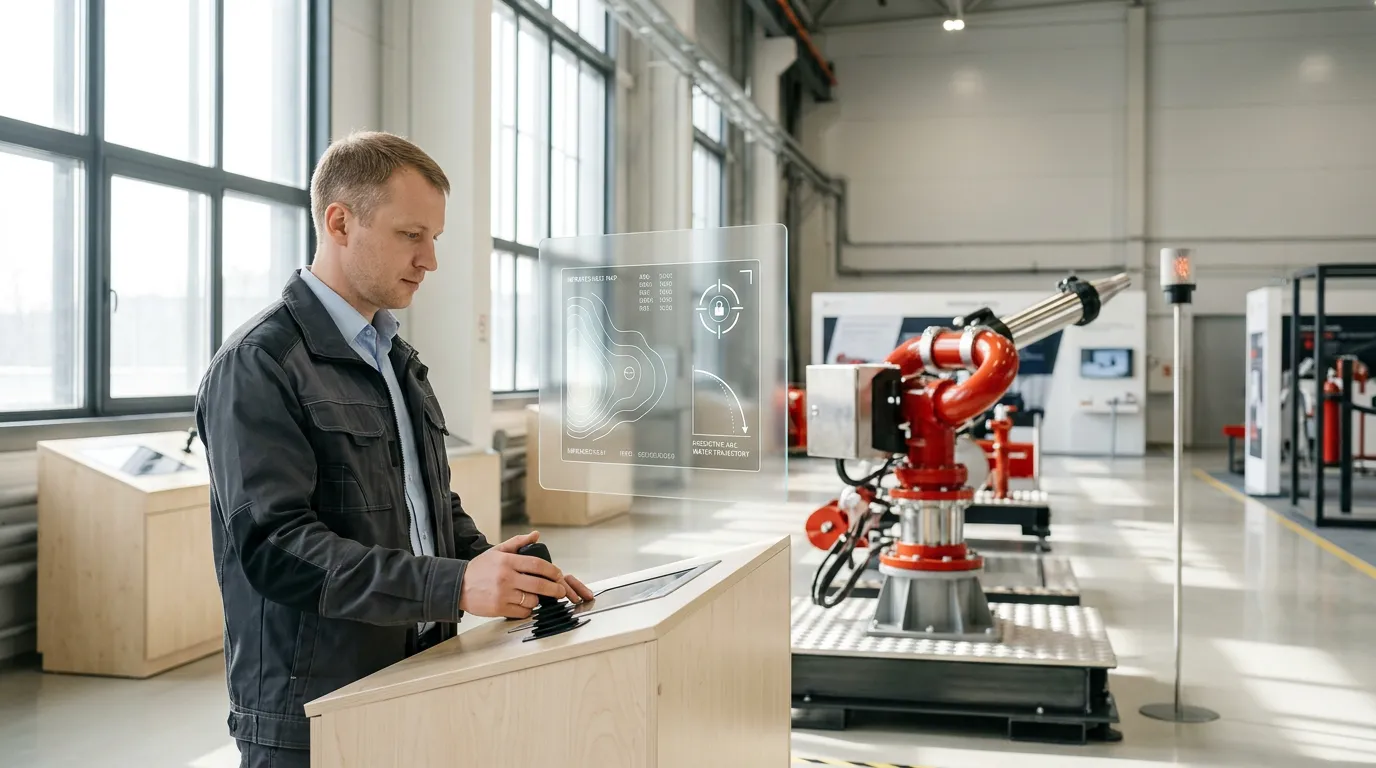
Demand for fire-automation equipment in Russia rose 36.1% in 2025 alone, reaching 59.5 billion rubles (about $705 million), and continues to grow. The government is responding by improving the regulatory framework. Since July 1, 2025, GOST 35035-2023 has governed mobile robotic firefighting systems, while GOST 35036-2023 covers their control systems. Standardized requirements make it easier to move from experimental development to mass-produced equipment. There are also plenty of potential customers for these systems, including nuclear power plants, energy companies, chemical facilities, and other hazardous industries. Russian systems are also being used in neighboring countries, including Belarus, Kazakhstan, and Uzbekistan.
Firefighting robots are not only effective but also economically beneficial. According to Ivan Sotnikov, director of Uralspetsavtomatika, locating a robot directly at the required point can reduce the amount of piping needed, and in some projects eliminate 70% to 80% of piping infrastructure.
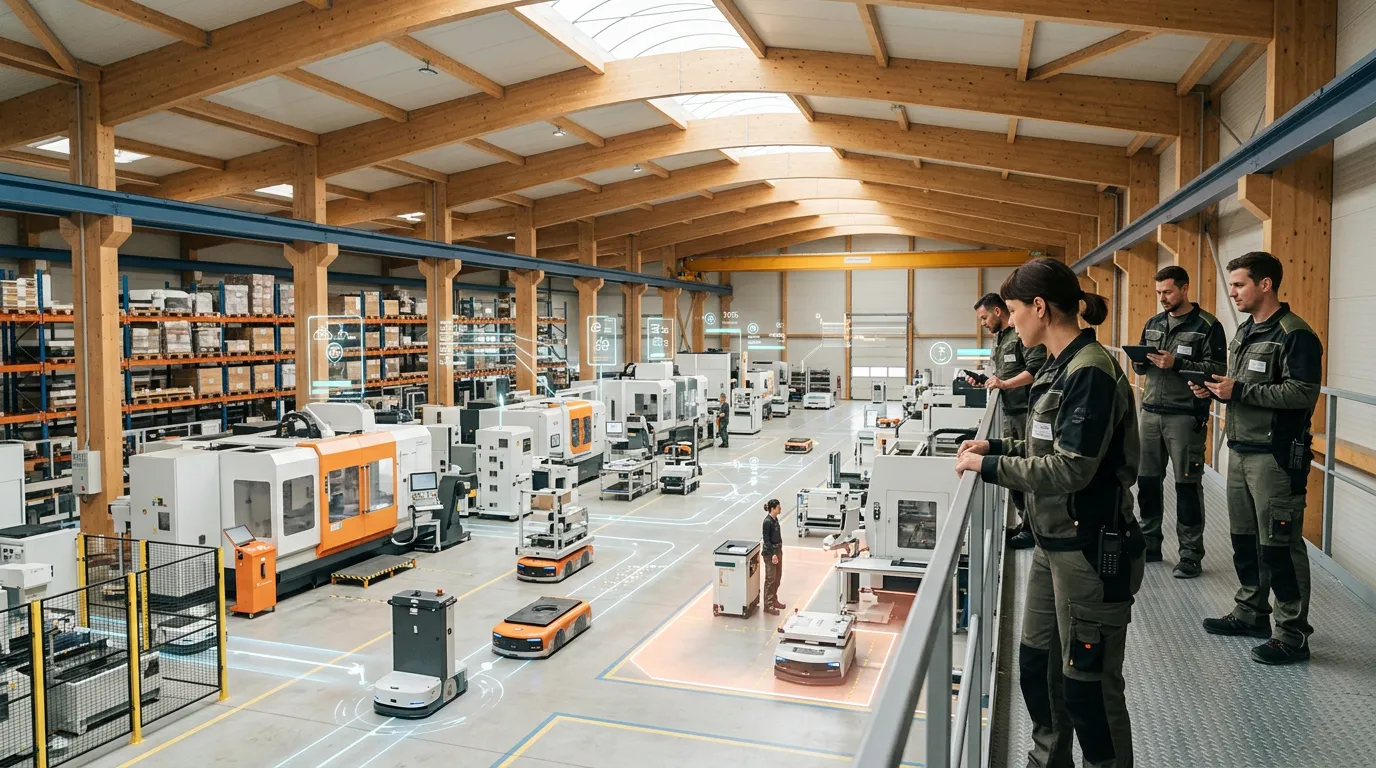
Taken together, these developments show that Russia now has a fully formed firefighting robotics market. In recent years, the industry has moved from demonstration prototypes to serially produced systems, deployments at critical facilities, and the introduction of dedicated GOST standards.