MOSGAZ Moves Gas Equipment Maintenance to a Digital Platform
JSC MOSGAZ has begun rolling out a specialized software system for technical maintenance of gas equipment in single-family homes. The system has already demonstrated its effectiveness after a year of use in maintaining gas equipment in apartment buildings.
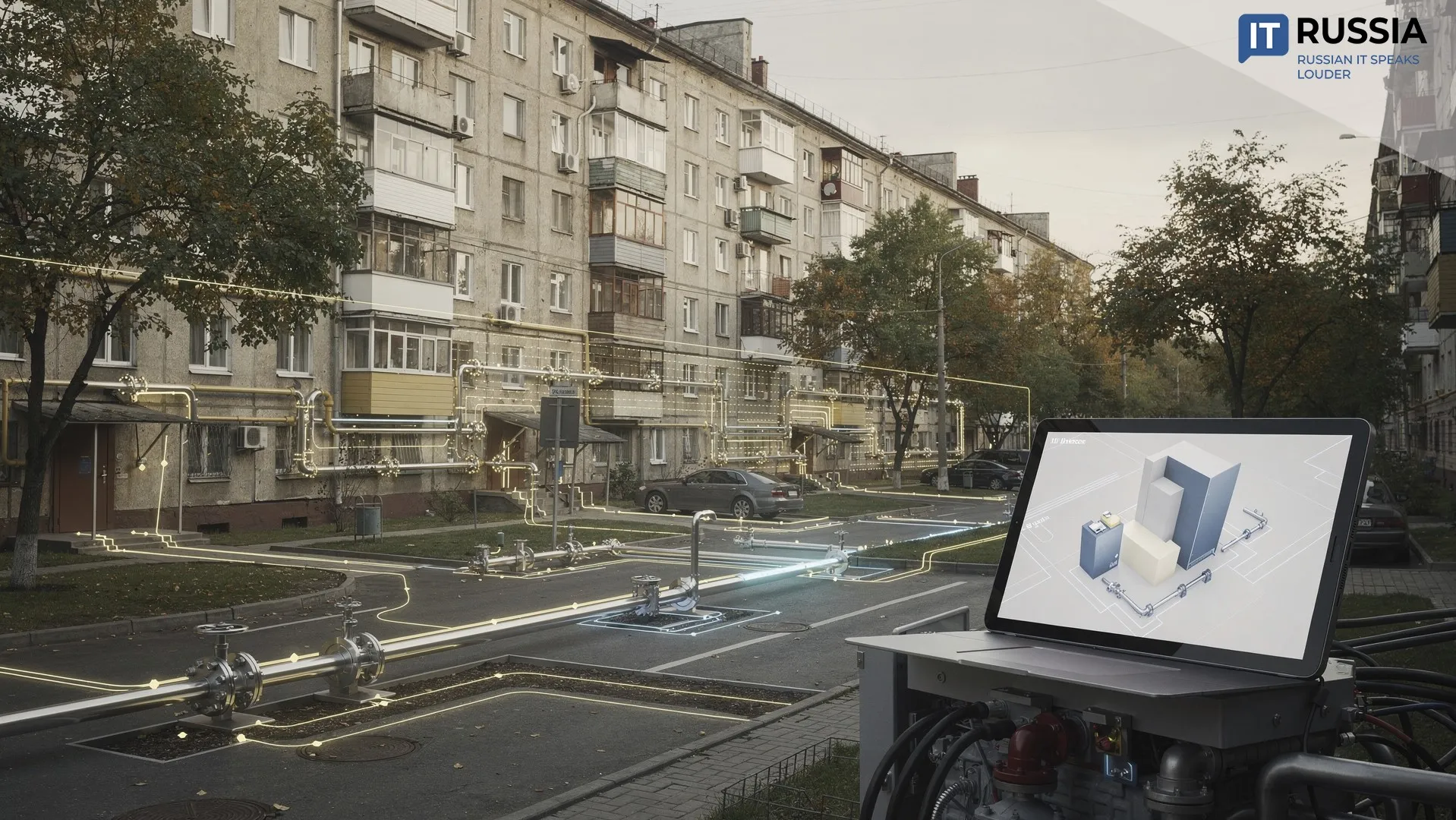
A key element of the project is a digital workstation for gas service technicians. Every technician now has a tablet with a dedicated application. It provides access to an electronic building passport containing all the necessary information, including data on the gas pipeline and the year it was installed, pipe diameter, the locations and number of shutoff valves and gas appliances, their specifications, as well as a complete record of previously performed work and identified violations.
The software automatically generates all required documents, eliminating paperwork for technicians. The application prepares inspection reports, compliance orders, reports and documents for property management companies. All information is transferred instantly to MOSGAZ’s unified database. If serious violations of established procedures and requirements are detected, the program automatically sends an alert to the technician’s tablet and recommends, depending on the specific situation, shutting off gas service to an apartment, a building riser or the entire building until the violation is corrected.
As a result, about 20,000 apartment buildings and more than 60,000 single-family homes across Moscow are brought under a unified digital monitoring system. This minimizes manual operations while making interactions among MOSGAZ, property management organizations and residents as transparent as possible.

From Local Automation to a Unified Digital Infrastructure Model
The next stage of the project is expected to involve deeper integration with MOSGAZ’s digital platforms. The large volume of data collected during maintenance of gas equipment in apartment buildings and single-family homes can be analyzed using neural networks and predictive analytics algorithms. This would make it possible to assess the condition of the entire gas infrastructure as an integrated system, from main gas pipelines, neighborhood distribution networks and gas distribution stations to the end-use equipment in individual apartments and homes. The system could also help forecast demand for equipment upgrades and new network construction while reducing the risk of potential accidents.
Companies across the industry are already actively incorporating AI technologies into their operations. Similar solutions are expected to be rolled out in other regions of Russia.

The Smart Evolution of MOSGAZ
JSC MOSGAZ began developing its smart operating model as early as 2010. The work focused on two areas: expanding automated emergency response capabilities and developing a software system for managing gas infrastructure operations.
In 2019, the company launched a digital dispatching system that monitored gas equipment operating parameters through telemetry and telecontrol systems. It later evolved into a full-fledged operations center.
By 2025, MOSGAZ had automated and digitized all of its key technological processes. All software systems used in its operations were developed by Russian companies. MOSGAZ is also actively introducing digital tools for Moscow residents. They can obtain all the necessary information through chatbots and the Alice voice assistant.

A Unified Digital Safety Framework for Urban Infrastructure
The creation of a digital workstation for employees who maintain in-building gas equipment demonstrates how digitalization is extending into every process involved in utility infrastructure maintenance. The system does more than speed up and simplify technicians’ work. It also brings their activities into a unified digital framework for monitoring infrastructure conditions. In practice, this improves maintenance quality, reduces the impact of human error, strengthens oversight and enables rapid decision-making when potential failures and accidents are detected.
Across Moscow, this has already resulted in the near elimination of accidents linked to the unsatisfactory condition of in-building gas equipment. Going forward, such solutions are expected to become standard practice for gas companies across Russia. For the IT industry, this would create sustained demand for specialized software and big-data processing technologies. For consumers, it means more convenient interactions with gas utilities and more reliable gas service.