Khabarovsk Krai Launches Unmanned Logistics
Autonomous cargo drone trials will begin in Khabarovsk Krai this fall, giving remote communities in the Russian Far East a new delivery channel.
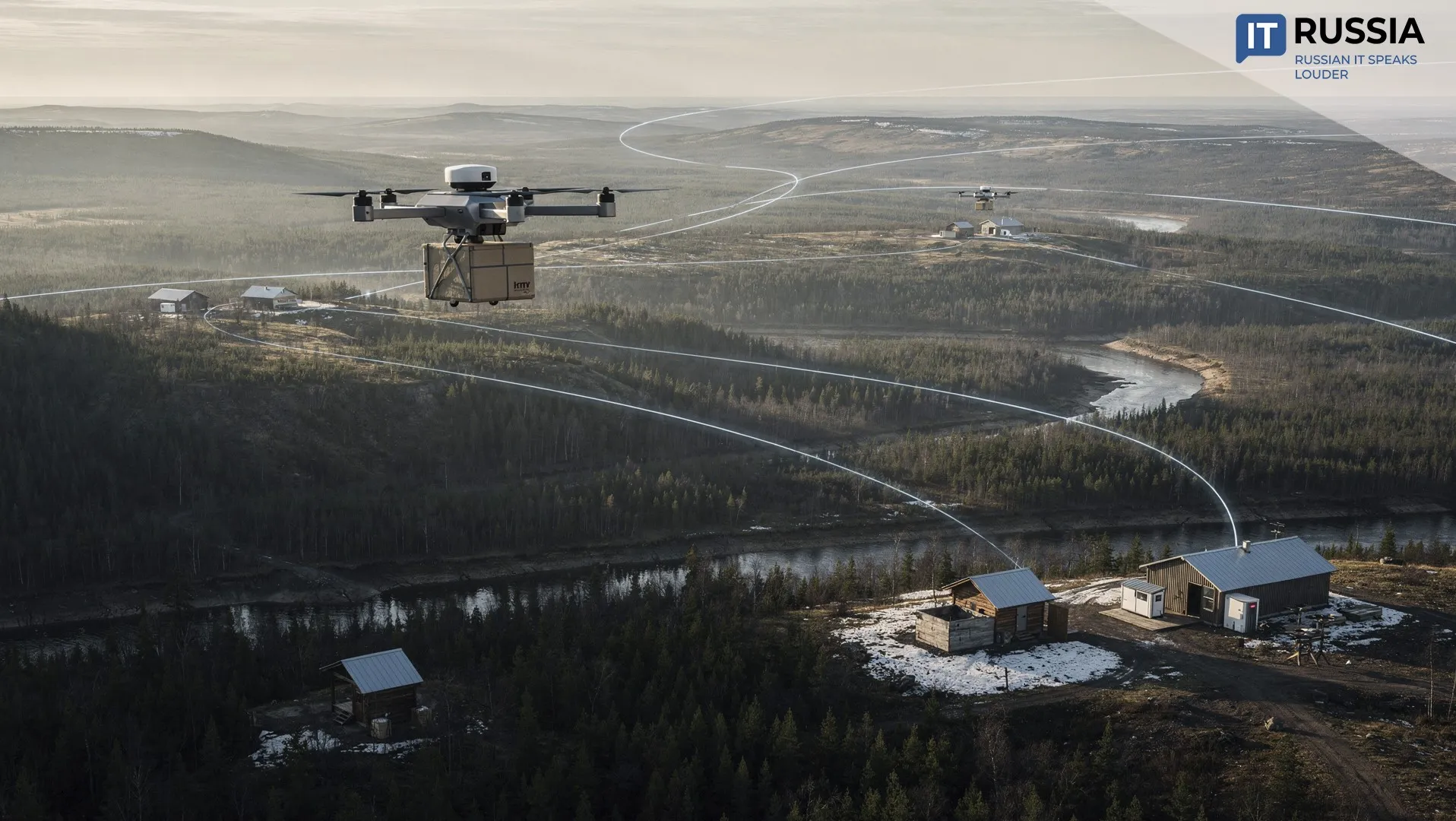
The Digital Region Regional Coordination Center and Aero-Hit have signed an agreement to create an unmanned cargo delivery system. The first trials are scheduled for this fall: the drone is expected to fly autonomously for about three kilometers without relying on a radio link. This is critical because autonomous flight means the aircraft can navigate using onboard systems without requiring continuous operator control – an important capability in areas with unstable communications coverage.
The project involves building a full-fledged digital transportation system: software for aircraft management, automated route planning, infrastructure for storing and servicing UAVs – including droneports and drone boxes – as well as dispatching components. For Russia, the project marks a shift in unmanned aviation systems from the experimental stage toward practical use in the civilian economy. Similar approaches could be useful in the Arctic, Siberia and the north – anywhere low population density makes conventional delivery costly and slow.
Routes and Markets
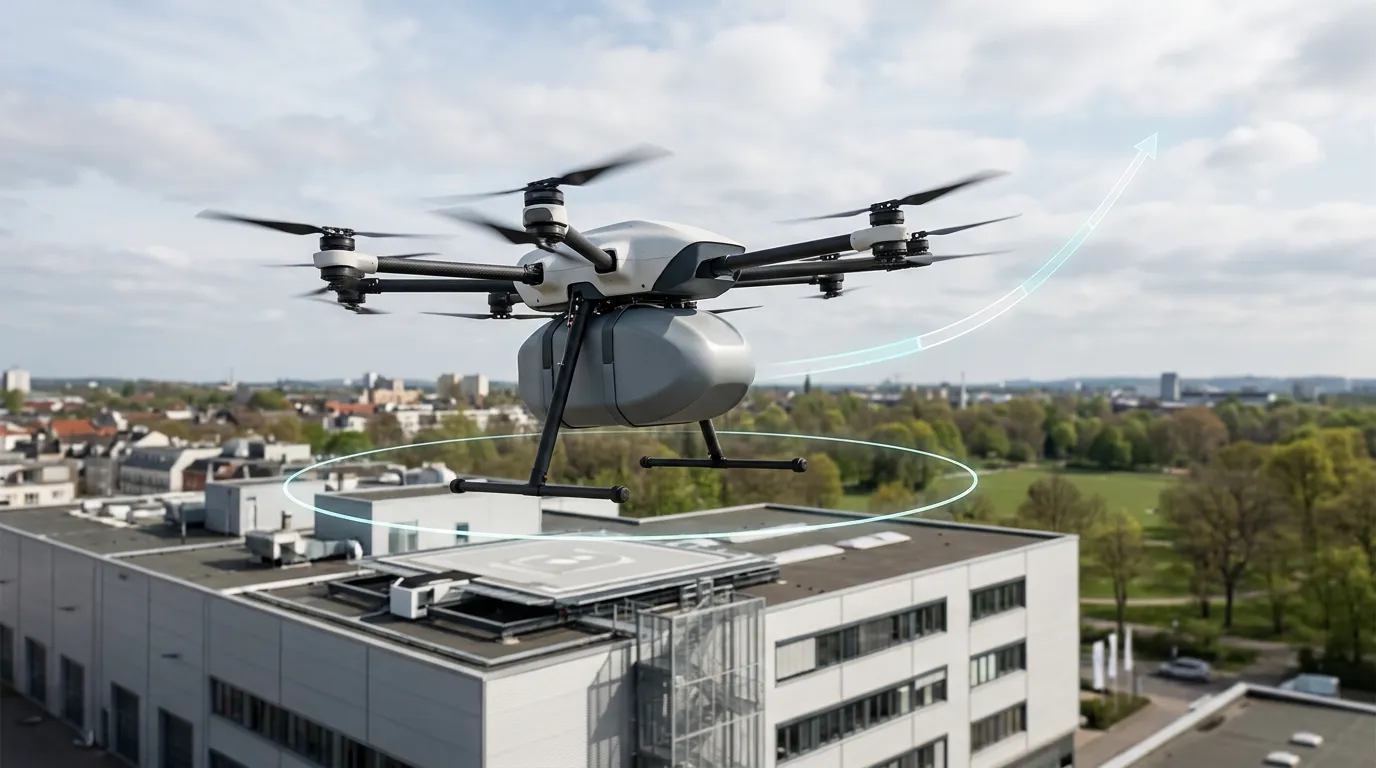
The project’s main opportunity lies in building a regional unmanned logistics network. The first stage will test whether the system’s components work as intended, but the longer-term plan calls for a route between Komsomolsk-on-Amur and Nikolayevsk-on-Amur using a fleet of 10 drones, each capable of carrying up to 30 kilograms. This would move the technology beyond a local experiment and closer to a regular transportation service.
For the IT sector, the key element is not the drone itself but the digital infrastructure around it: fleet-management software, technical-condition monitoring systems, route-building algorithms, and integration with electronic trading platforms and regional logistics services.
Export potential lies in countries where large territories are combined with limited transportation infrastructure – for supplying northern territories, island regions or rural areas. Within Russia, meanwhile, potential applications include delivering medicines, food, documents and components to areas with limited transportation access.

Five Years of Progress
Russia’s unmanned logistics sector has moved from concepts toward regular services over the past five years. In 2021, the Ministry of Transport and businesses developed the Unmanned Logistics Corridors project, initially focused on freight trucks. It established an approach similar to what future systems for delivering goods by drone would require: autonomous vehicles, digital route monitoring and software for managing transportation.
In 2022, Russian Post began testing drone deliveries in hard-to-reach areas of the Yamalo-Nenets Autonomous Okrug. The project demonstrated the main use case for cargo UAVs – maintaining transportation access to areas with low population density.
In 2024, the Nenets Autonomous Okrug launched its first drone cargo-delivery routes to remote communities, carrying food, medicines and other essential goods. Finally, in 2025, Yakutia launched a regular service for delivering small cargo under the Vozdushnaya Pereprava (Air Crossing) project between Yakutsk and Nizhny Bestyakh. The Yakutian experience showed that one of the most promising applications for cargo UAVs is transporting small consignments over long distances in challenging natural conditions.

Ecosystems, Not Aircraft
The launch of the Khabarovsk Krai project reflects a broader shift in Russia’s unmanned industry from developing individual aircraft toward building integrated digital ecosystems. The main value lies not only in using drones as a means of transportation, but also in creating software platforms for fleet management, service infrastructure and new models for regional logistics.
In the coming years, unmanned delivery is likely to focus on regions where conventional logistics are most costly: the Far East, the Arctic, Siberia and remote rural areas. Successful pilot projects will help determine the technology’s economic efficiency, infrastructure requirements and potential for scaling.