Robot-Assisted Knee Replacement Performed for First Time on Sakhalin
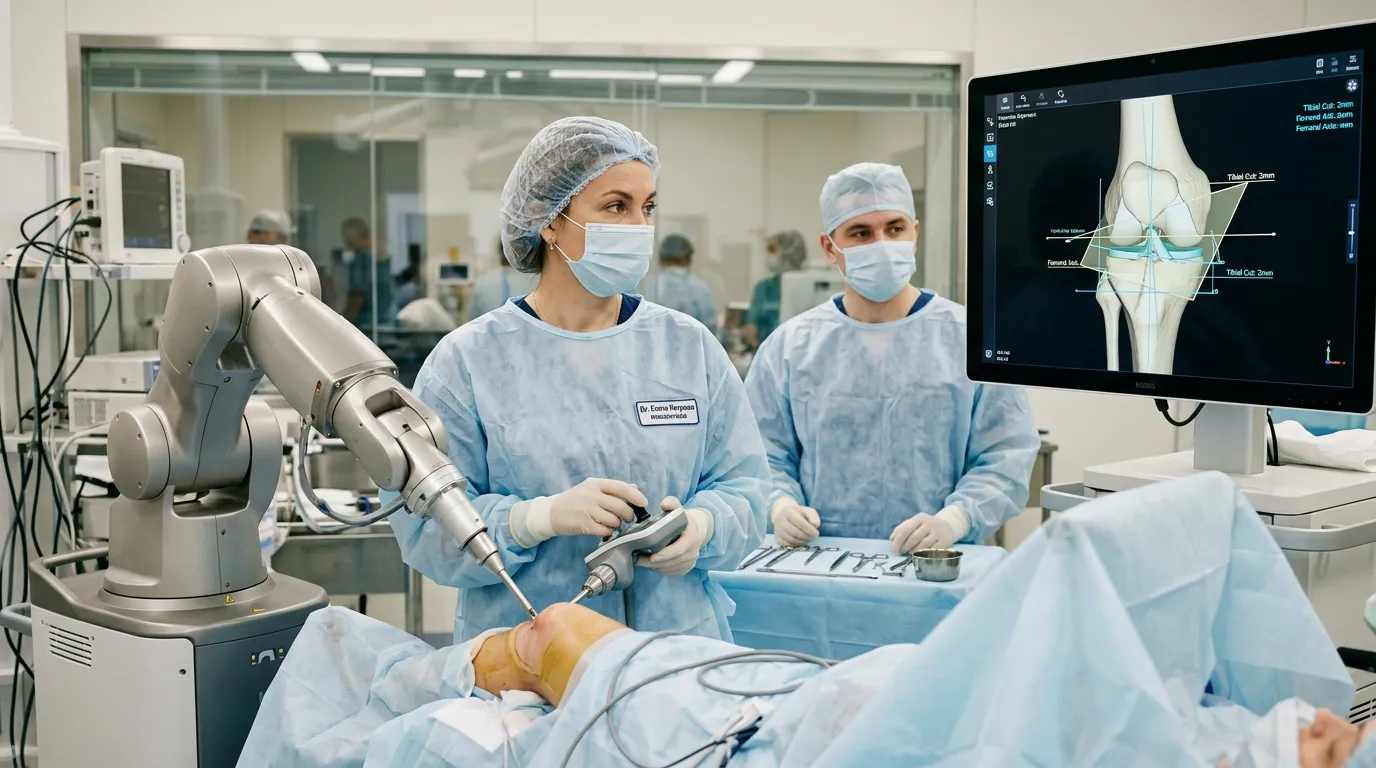
For the first time on Sakhalin, surgeons performed a total knee replacement with the help of a robotic system. Four procedures were carried out under the supervision of a clinician from Barnaul, after which local surgeons will be able to use the system independently. The technology helps position the implant more precisely based on the patient’s anatomy.
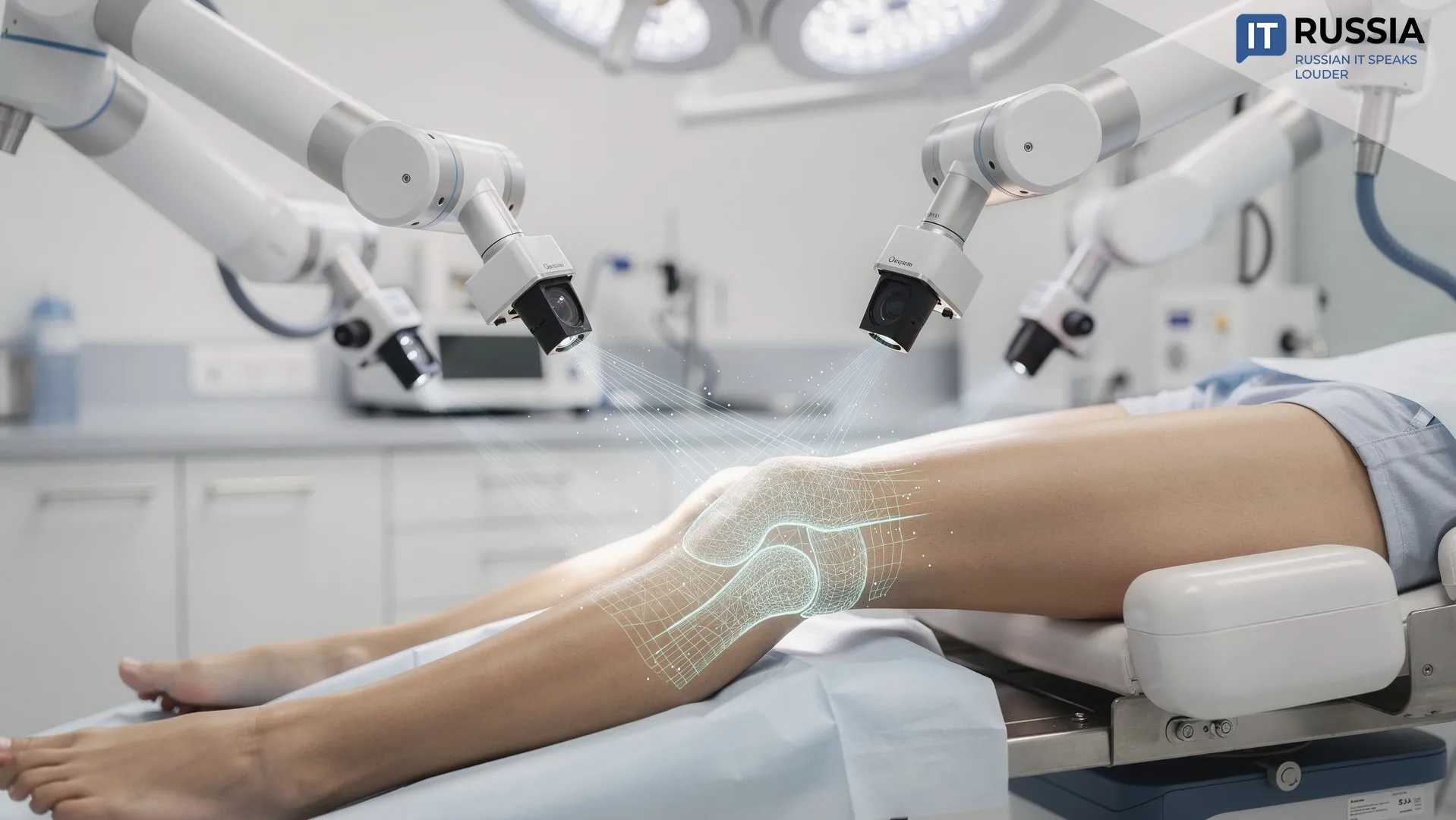
A series of demonstration knee replacement procedures using a robotic system was performed at the Fyodor Ankudinov City Hospital in Yuzhno-Sakhalinsk. Vadim Golnik, a leading specialist from the Federal Center for Traumatology, Orthopedics and Joint Replacement in Barnaul, came to the region to train Sakhalin medical professionals. Under his supervision, island surgeons performed four procedures.
The goal of the project is to give doctors hands-on experience with the robotic equipment. After completing the training, they will be able to use the system independently. This is particularly important for Sakhalin because deploying complex medical equipment requires not only installing it, but also having professionals who can operate it in a real operating room with real patients.
Uniqueness of the Procedure
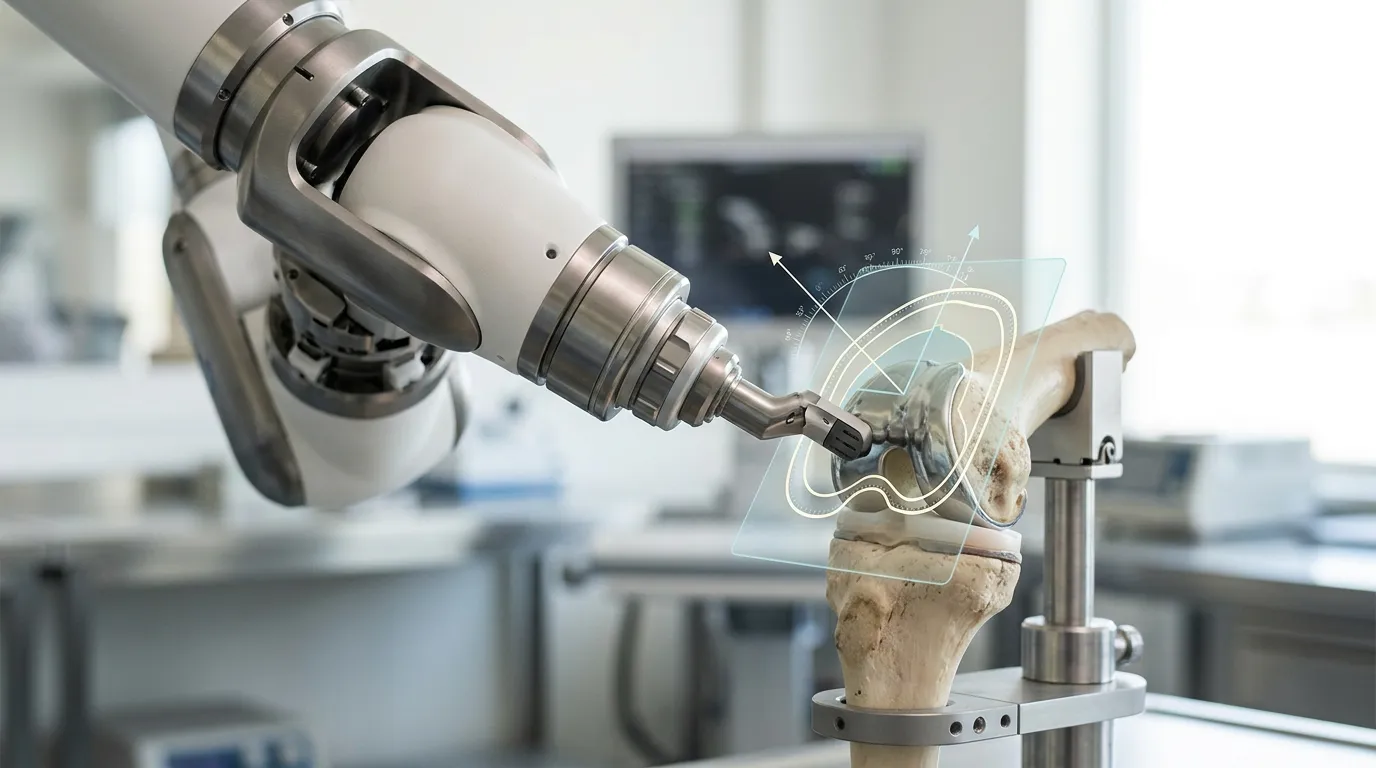
During conventional joint replacement, the surgeon must determine the position of the components of the future prosthesis as precisely as possible. The accuracy of this positioning affects how the implant will function after surgery and whether it will provide a high-quality replacement for the patient’s natural joint once it has become damaged and nonfunctional.
A robotic system, by contrast, can take the patient’s individual anatomical characteristics into account and position the components of the joint replacement more precisely. The potential benefit for patients is clear: the more accurately a surgeon can execute a pre-calculated plan, the less room remains for subjective judgment at individual stages of the procedure. Sakhalin clinicians also expect the technology to help accelerate patients’ recovery after surgery.
Robotics Comes to Healthcare
Robotic orthopedics is developing in Russia with an emphasis on homegrown solutions. Over the past several years, these systems have moved steadily from individual pilot projects to routine clinical use. One early example emerged in Moscow in January 2022. The N. I. Pirogov National Medical and Surgical Center reported the first robot-assisted total hip replacement in Russia performed through a minimally invasive approach without cutting the muscles. The robot was used to position the components of the joint replacement precisely.
That summer, robot-assisted procedures began at the Ryazan Regional Clinical Hospital as part of a clinical evaluation. The system used computed tomography data and helped the surgeon adjust the procedure in real time.
For some hospitals, the next step was to move to permanent use of the equipment. At the Ya. L. Tsivyan Novosibirsk Research Institute of Traumatology and Orthopedics, for example, the Mako robotic system was initially evaluated in 2022 and then installed in the operating suite for permanent use in fall 2023. The system was put to work for both hip and knee replacement procedures.
In 2026, the technology continued to spread beyond Russia’s largest federal medical centers. In May, robot-assisted knee replacement was performed for the first time at the Surgut Clinical Trauma Hospital. In June, a robotic joint-replacement system was launched at the Tula Regional Clinical Hospital.
The Human-Machine Tandem
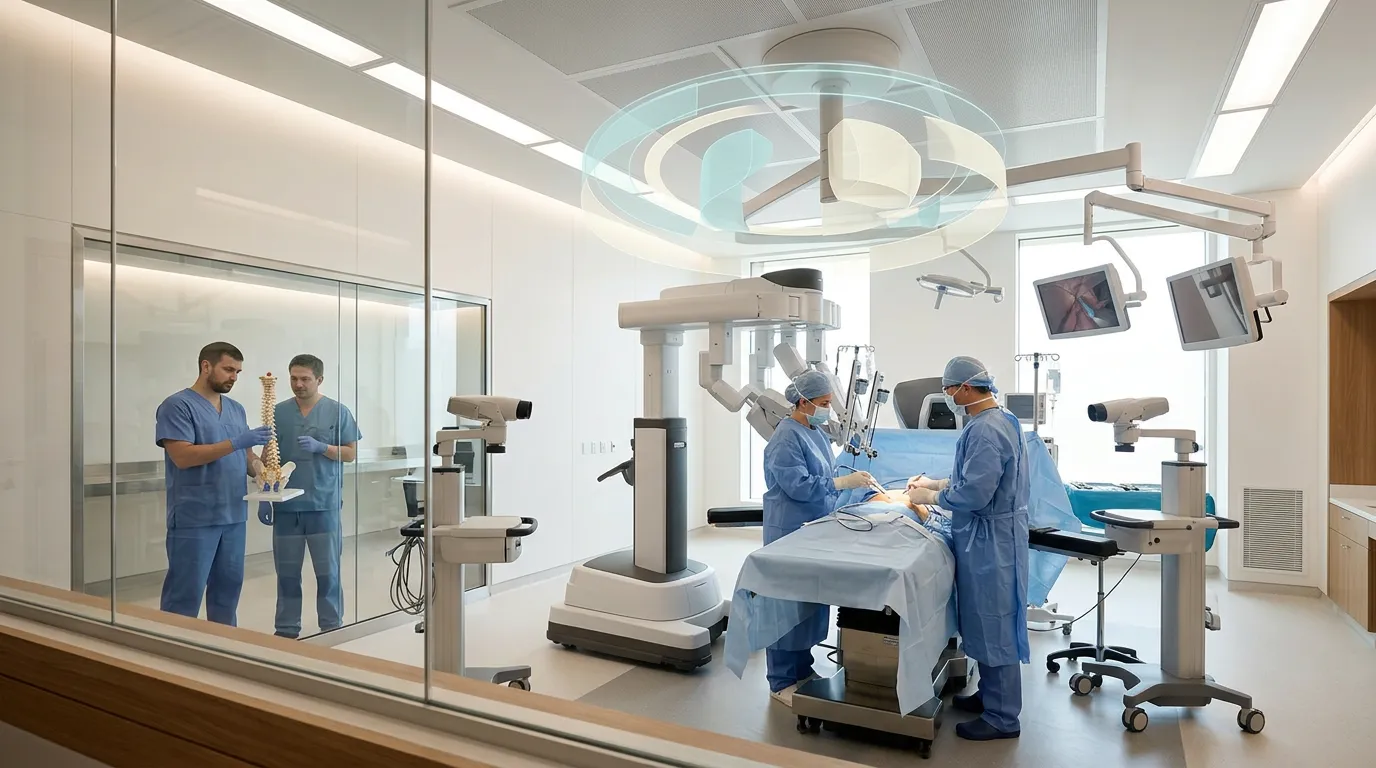
Robotic surgery is more than a mechanical manipulator in the operating room. These systems are built around patient data, three-dimensional models and a pre-calculated surgical plan. Every patient is different, and fitting a prosthesis with extreme precision is a challenging task. In knee replacement, the system helps connect an individual patient’s anatomy with the parameters of the future implant. The physician can determine its position in advance and then follow the calculated parameters more precisely during surgery. This approach shows how information technology can improve medical procedures. Computer models, data processing and robotic equipment work together, while the final decision always remains with the physician.