


YADRO Develops Dual-Band Radio Module for Base Stations
It is designed for LTE and 5G networks, and mass production is set to begin this fall.

Russian telecom operators are gradually rolling out 5G networks. Ahead of their launch, developers have built their own technology base for the transition and continue to improve the equipment.
Perfect for Expanding Network Capacity
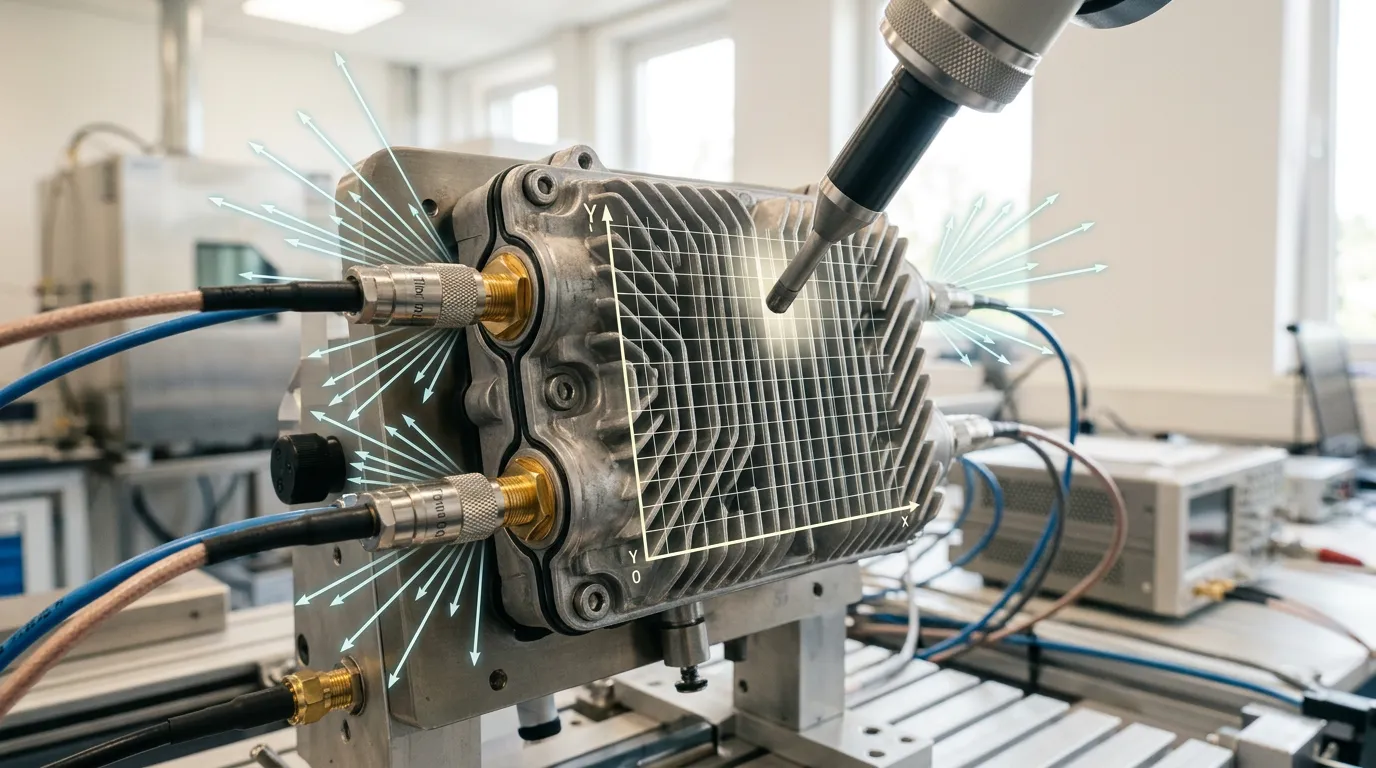
Russian company YADRO, part of IX Holding, has announced a new radio module for its YADRO BTS8100 base station. The module’s key feature is support for two frequency bands at once – 2100 and 2600 MHz. It is also the first radio module in the company’s lineup to operate with four antenna ports and support 4×4 MIMO technology. Importantly, the component is compatible with both LTE and 5G.
YADRO says that supporting two frequency bands in a single module makes it possible to optimize the base station’s equipment configuration. Four antenna ports and 4×4 MIMO support increase data transmission speeds, expand network capacity and improve coverage quality. The radio module has a transmit power of up to 80 W per antenna port. The new device is also optimized for operation in challenging weather conditions and functions normally at temperatures ranging from −40°C to +55°C.
YADRO’s base station mass production began in December 2025. The equipment is currently being used by MegaFon and Beeline. It has already been deployed in 37 Russian regions, both in small communities and in heavily loaded networks in major cities. In May 2026, the first domestically produced base station began operating in a city with a population of more than 1 million – Nizhny Novgorod.
“The new 2100/2600 MHz radio module is set to enter mass production in fall 2026 at the YADRO Fab Dubna plant. In the first quarter of 2027, the company plans to launch production of the next radio module in the lineup, for the 800/900 MHz bands. Further work will focus on testing and deploying the equipment in cooperation with Russian telecom operators,” the company said.
Keeping Pace With Global Leaders
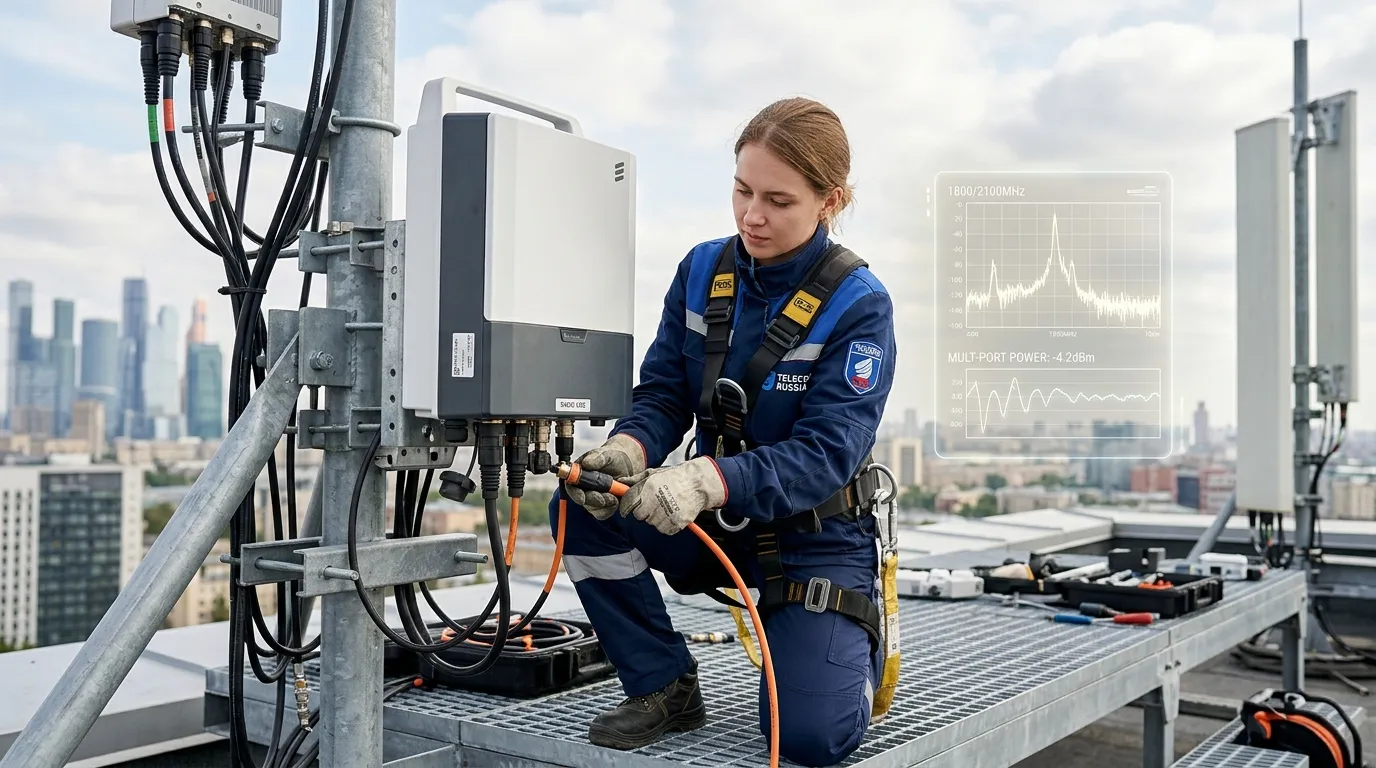
Developing the new radio module is an important step toward ensuring that Russian base stations not only meet domestic market needs but can also compete with products from leading international vendors. Strengthening the component base is particularly important for equipment deployed in major cities, where mobile networks operate under especially heavy loads. The new radio module can also be used to improve LTE connectivity. Although 5G has begun rolling out, deployment of the new standard will take considerable time. Reliable connectivity, meanwhile, is already essential not only for consumers but also for businesses.
As for YADRO, the company has been developing and supplying equipment for several years. Back in 2022, it signed forward contracts with MegaFon and Rostelecom. The agreements covered the development of GSM/LTE equipment with a path toward 5G. In practice, these contracts gave the company guaranteed demand for its products several years ahead.

Demand for Equipment Is Growing
At the same time, base stations from other major manufacturers are also being actively deployed across Russia. In February 2024, for example, 20 stations from Bulat were undergoing tests on a live network, while in February 2025, Rostelecom announced that the equipment had moved into commercial operation in the Nizhny Novgorod Region. Around the same time, a decision was made to begin mass production.
In 2024, MTS began pilot operation of base stations from IRTEYA. A total of 200 units were tested across 37 regions of the country. The equipment is now being produced in large volumes.
Development of new Russian radio modules is set to continue. The market needs specialized solutions that can provide stable 5G operation on frequencies allocated by the government. At the same time, the YADRO platform has already demonstrated its technical ability to operate in fifth-generation networks.