«Rosatom» Prepares Akkuyu NPP Control Systems for Pre-Commissioning Work
Preparation has begun at Turkey’s first nuclear power plant, Akkuyu, to bring the automated process control system for Unit 1 to the stage of pre-commissioning testing.
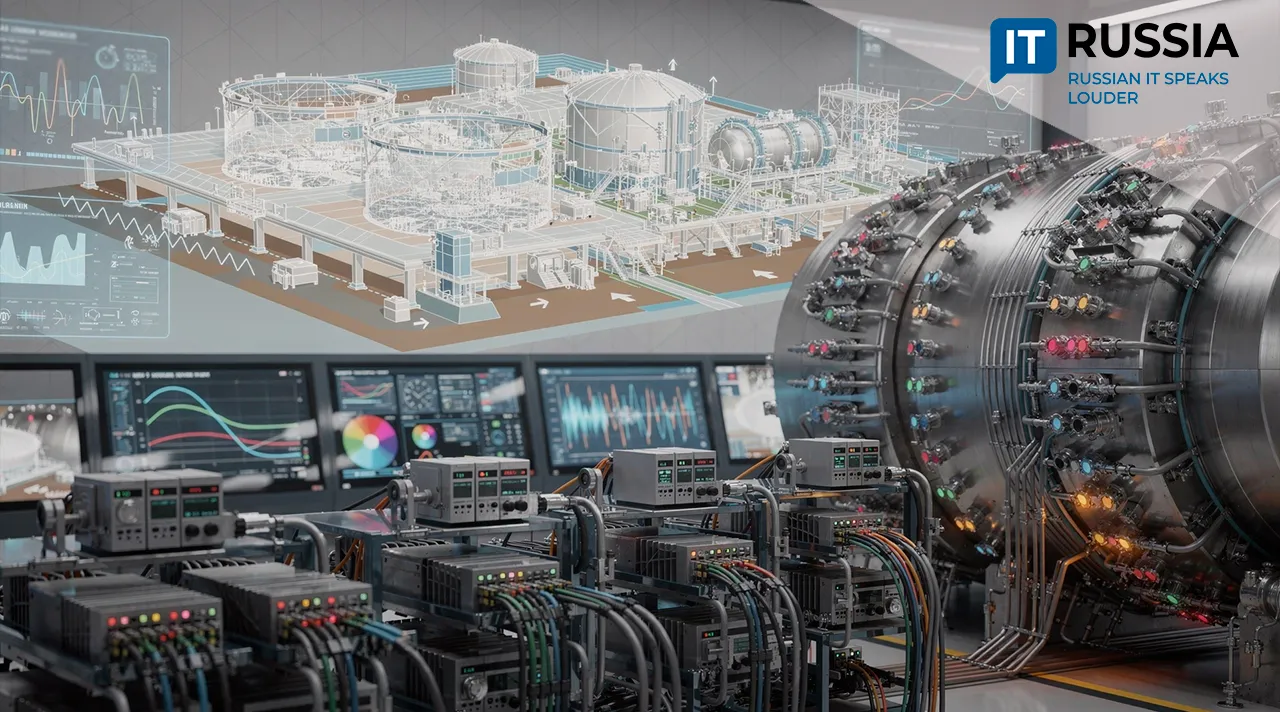
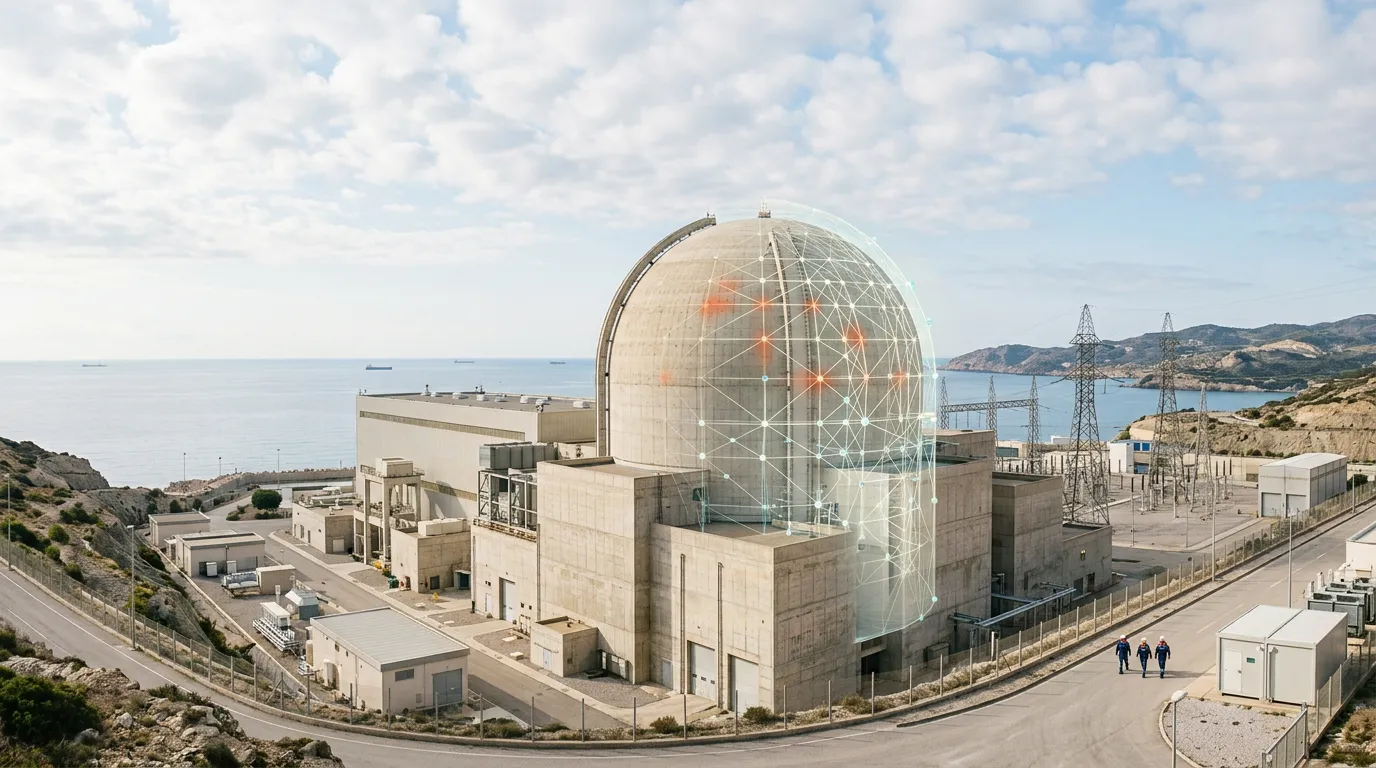
Engineers are completing installation of systems that monitor the reactor building’s containment, while thousands of sensors are already transmitting data to the unit-level control system. The equipment was manufactured and supplied by Russian company JSC RASU.
Containment Monitoring
Work is now nearing completion on preparations to test the inner containment of the first reactor unit – a critical part of the reactor’s safety barrier. The containment protects the environment from radioactive releases in abnormal situations. It is designed to withstand both internal overpressure and external forces, including seismic loads.
To test the containment for leak tightness, engineers have installed specialized automated systems. They monitor loads on the reinforced-concrete structures and the prestressing tendons that create tension in the containment. The prestressing system makes the containment resistant to the tensile forces that arise as pressure increases inside the sealed volume.
A separate set of sensors monitors for air leakage during testing. Algorithms detect even the smallest pressure deviations and immediately alert operators to any loss of leak tightness. This makes it possible to identify and correct defects in the containment before nuclear fuel is loaded into the reactor.
Safety Architecture
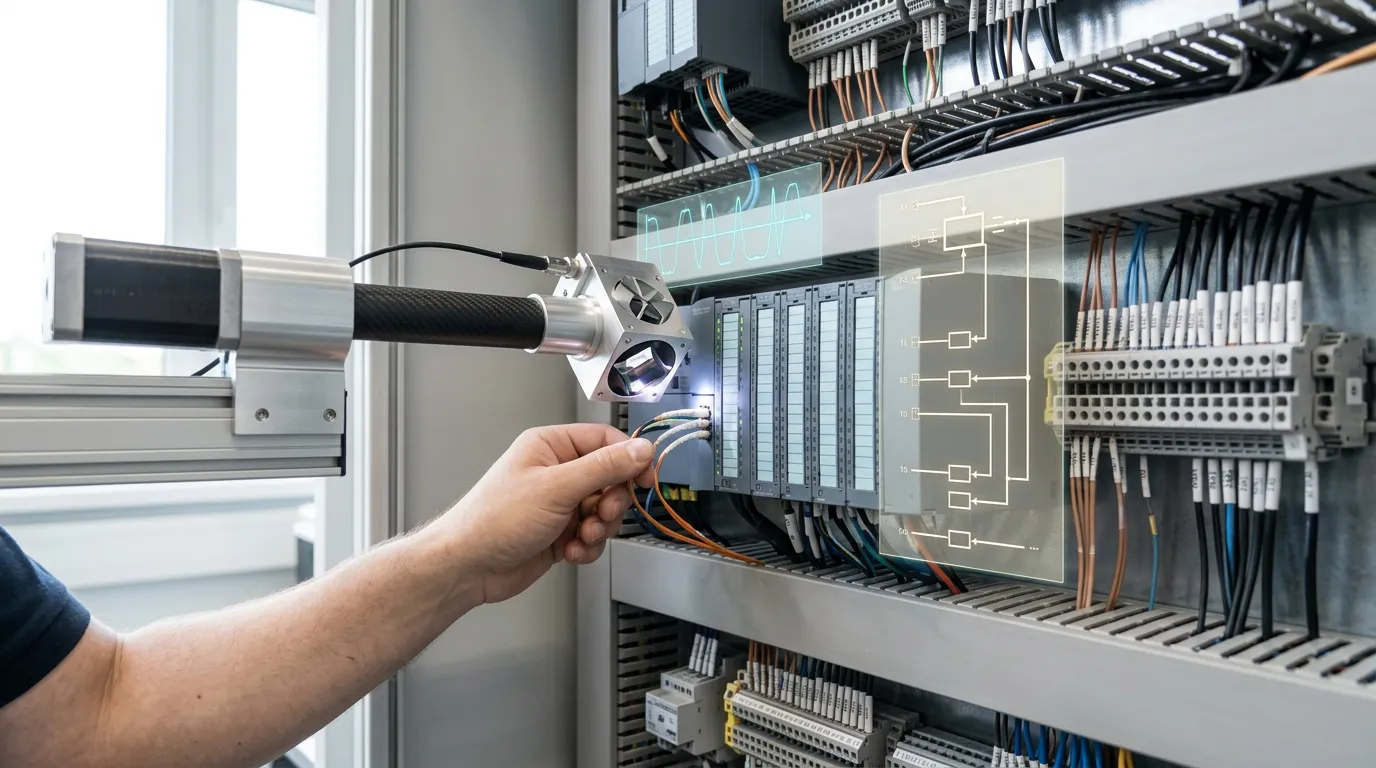
The unit’s automated process control system is based on the reliability level of the proven VVER-1200 reactor. The failure tolerance of the emergency protection system is rated at 10 to the minus fifth power, meaning there is only a one-in-100,000-year probability of an error during continuous operation.
Two safety-system channels and three control channels provide a very high level of reliability and protection across the control system, ensuring that if any component fails, redundant channels immediately take over control. If necessary, active safety systems will be initiated automatically without operator intervention.
Digital modules continuously test the equipment, with checks performed at intervals of no more than a few milliseconds. The system detects internal failures on its own and switches to functioning components before a fault can affect the process, so operators at the unit control room console always receive reliable information about the status of the reactor unit.
System Scale and Seismic Resistance
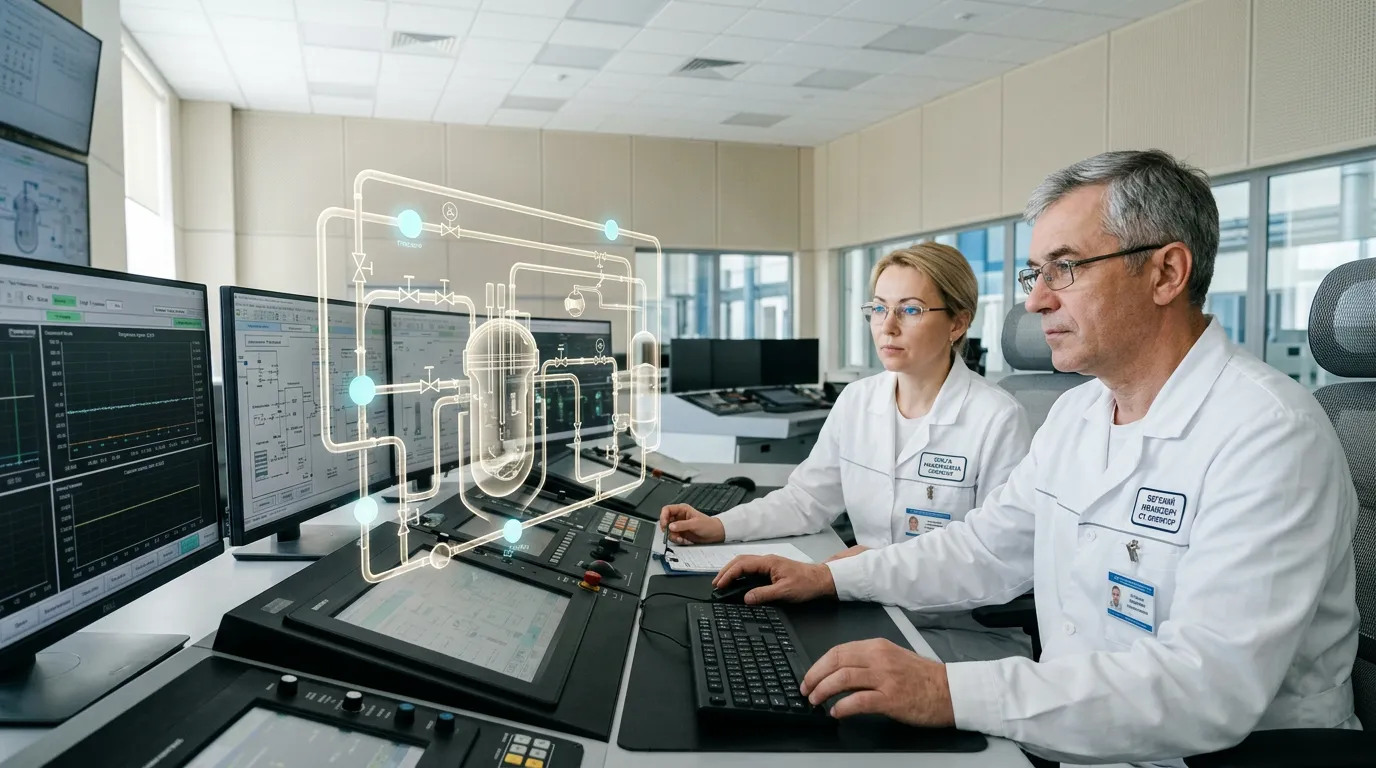
The automated process control system for Unit 1 comprises more than 42,000 pieces of equipment with a combined weight of more than 555 metric tons. The system includes control cabinets, controllers, computing modules and auxiliary components required to operate the reactor monitoring and protection control systems.
All equipment has been manufactured to meet seismic-resistance requirements because Turkey is located in a seismically active region. Sensors, controllers and servers undergo multistage vibration and impact-load testing during production, and every system component must remain operational during an earthquake.
The high degree of automation allows a relatively small number of personnel to manage all of the nuclear power plant’s processes effectively.
Digital Solutions for International Projects
Production, testing and delivery of the control systems were carried out by Russian company JSC RASU. It serves as the supplier of control systems for VVER-1200 units throughout their life cycle.
Similar digital solutions are also being deployed at other international sites. At the Rooppur nuclear power plant in Bangladesh, specialists have integrated the Operator Information Support System into the automated process control system for Unit 1. This is the first deployment of the system outside Russia. The Operator Information Support System analyzes the status of tens of thousands of parameters, optimizes how information is presented and supports operators in decision-making.
Akkuyu is being built under the Build-Own-Operate model. It is the first project in the global nuclear industry to use this organizational and economic model. The plant consists of four 1,200 MW units. Reaching the stage of preparing for pre-commissioning operations opens the way to hot and cold testing of the reactor system and the subsequent startup of the first unit.