

Robots, Neural Networks and Digital Twins: Rosatom IntelMash Is Transforming the Industry
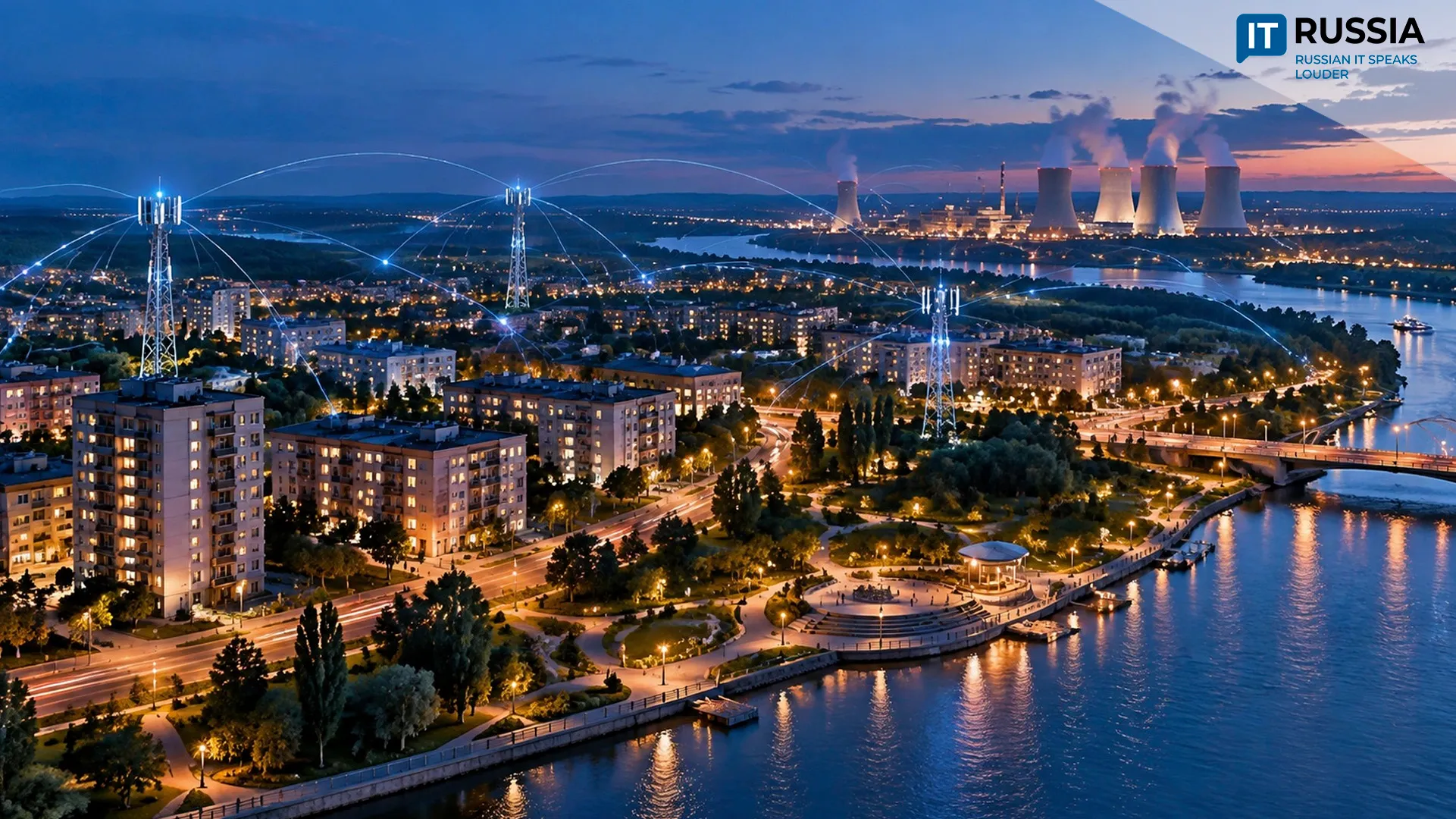
The company is actively involved in the comprehensive digitalization of nuclear production. It develops industrial robots and digital twins and is also deploying artificial intelligence systems.
The company's technologies can automate hazardous operations, predict equipment condition and optimize the operation of nuclear facilities overall.
Robots for Extreme Conditions
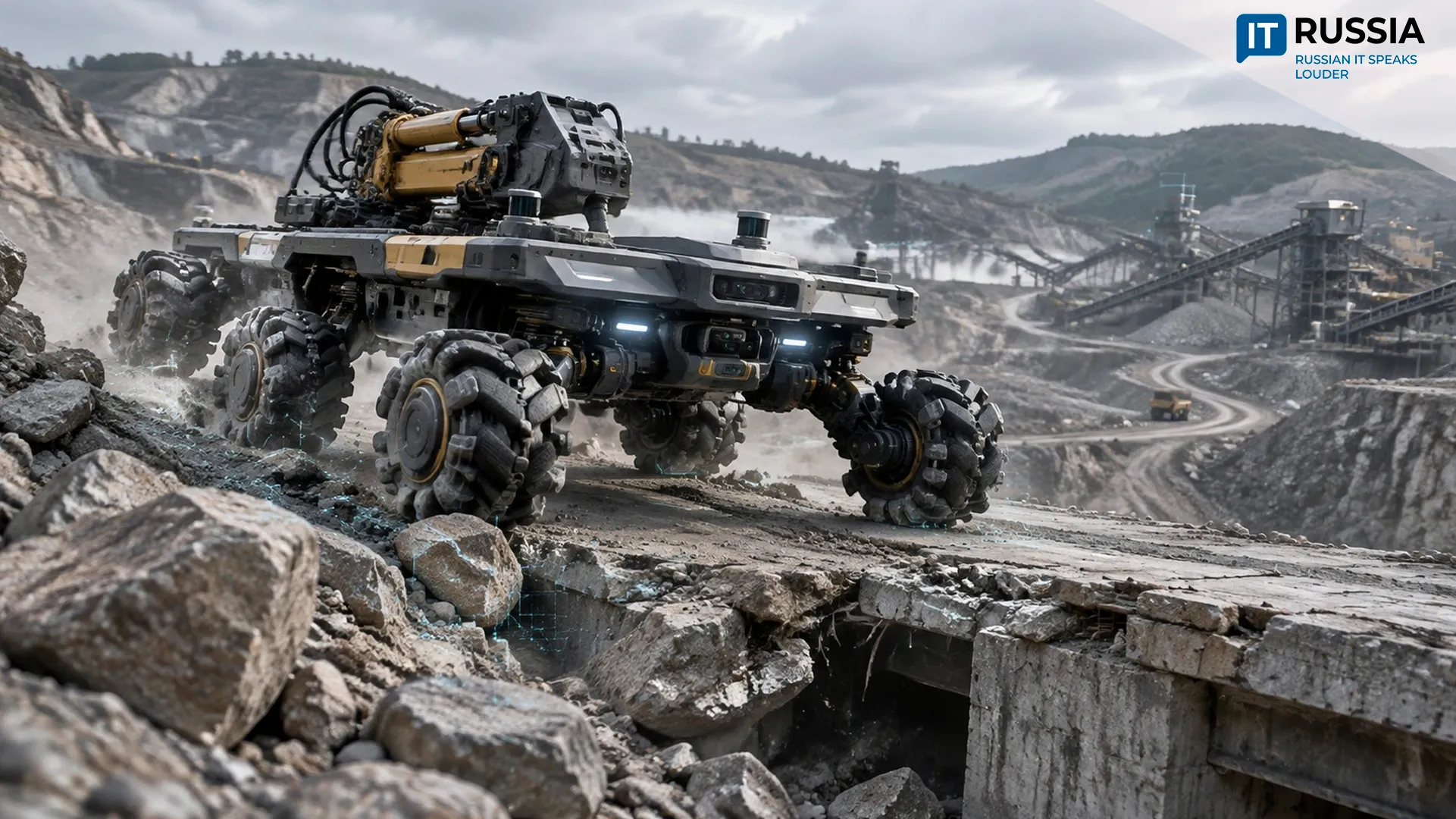
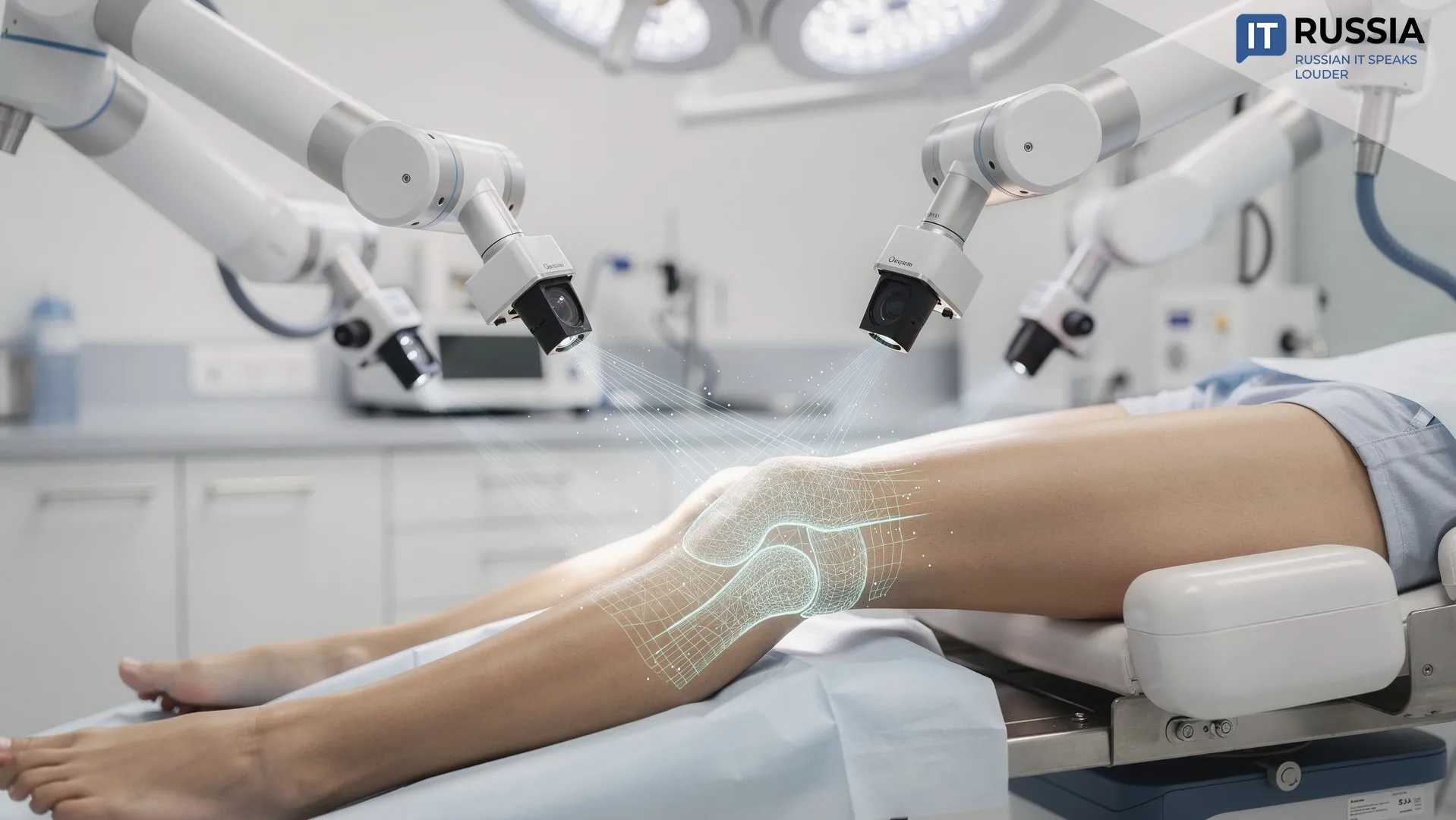
Rosatom IntelMash is developing robotic systems for operations in high-hazard areas, including environments with high radiation levels. They replace personnel during equipment maintenance, inspections and response to abnormal situations. Robotics reduces workers' radiation exposure and significantly improves the safety of operations.
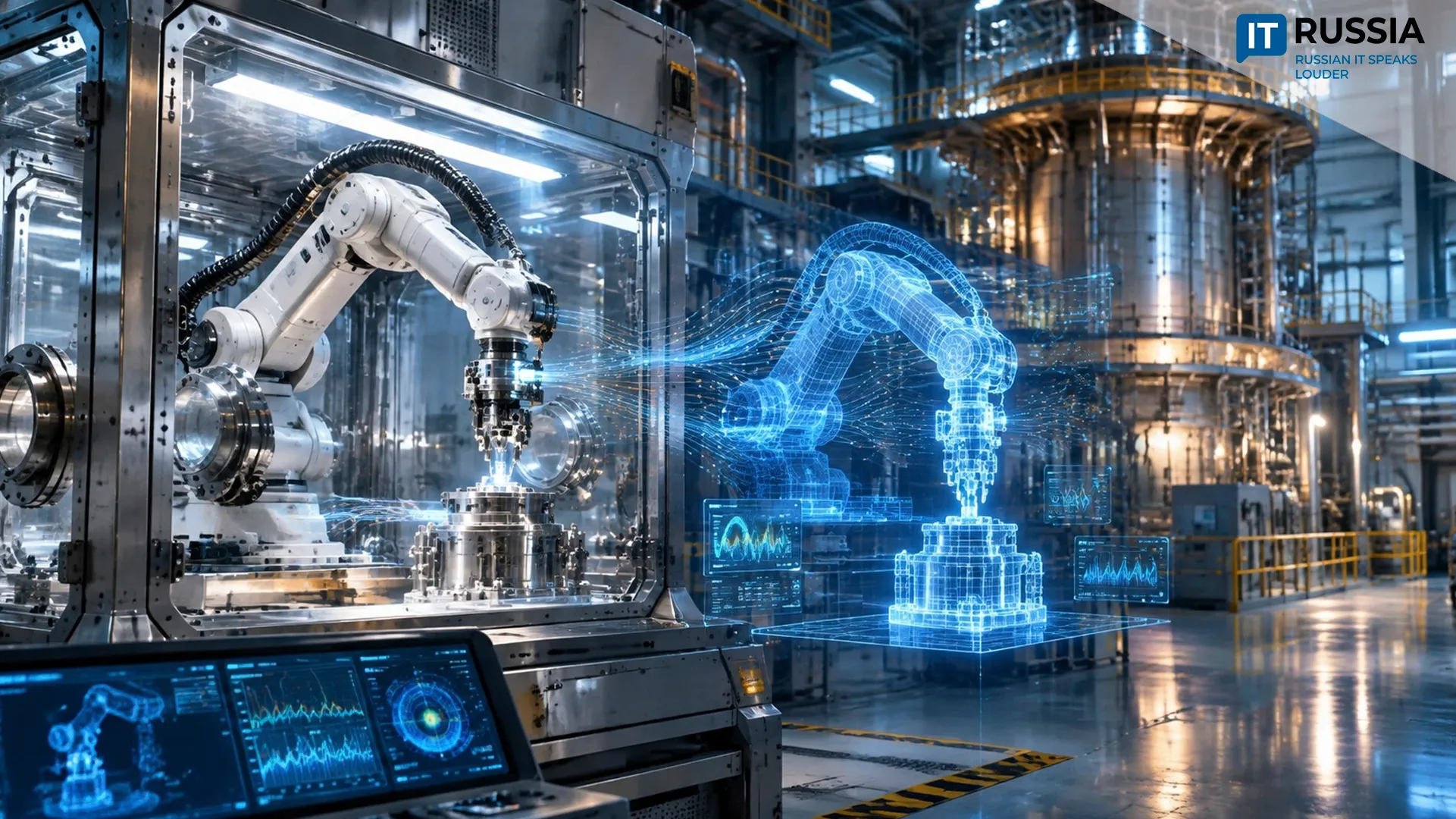
The company has now begun testing a Russian-made robotic manipulator designed to handle radioactive materials and perform precise operations inside specialized sealed boxes. The robot is equipped with machine-vision and tactile-feedback systems. All operations are controlled remotely.
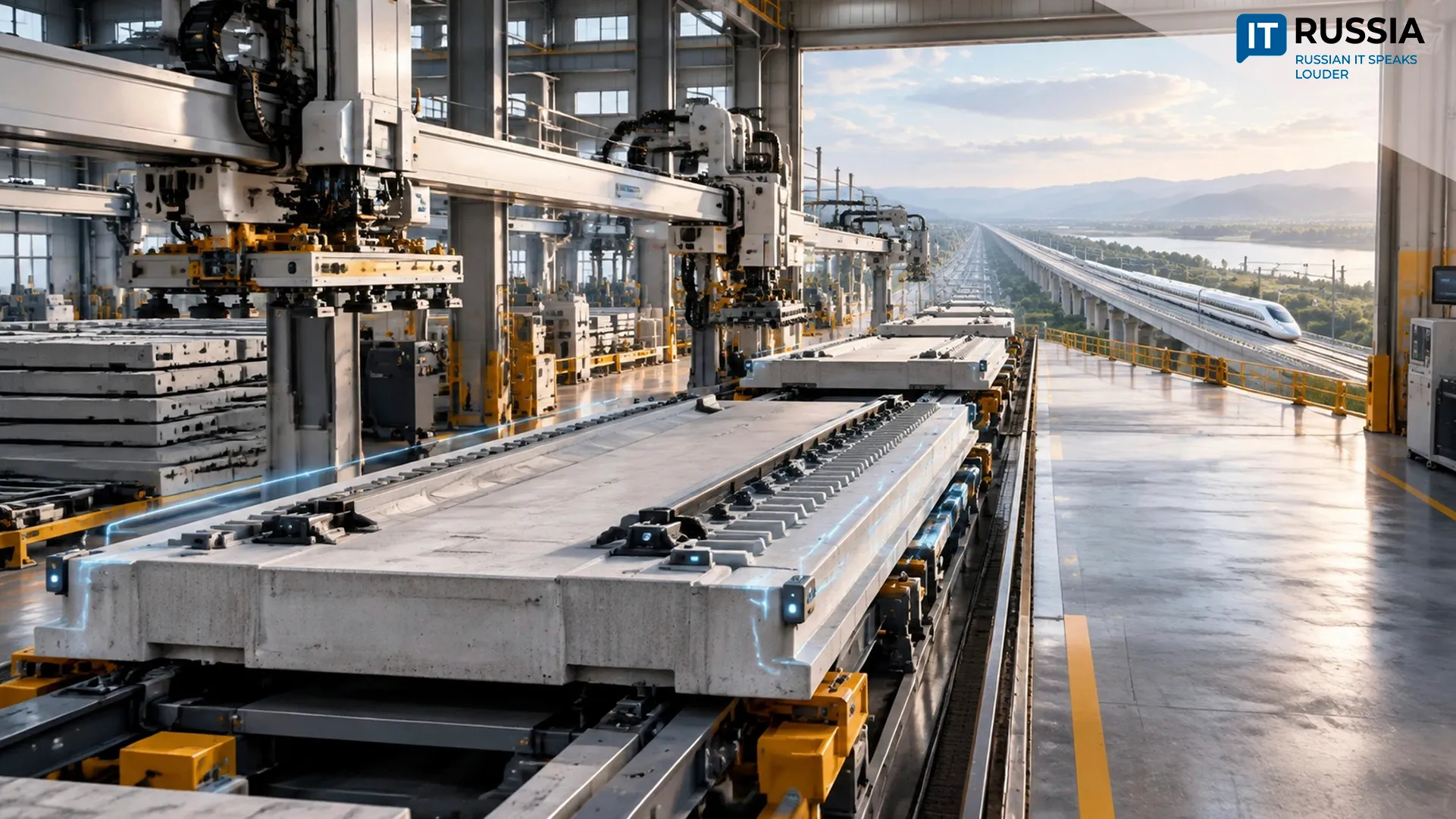
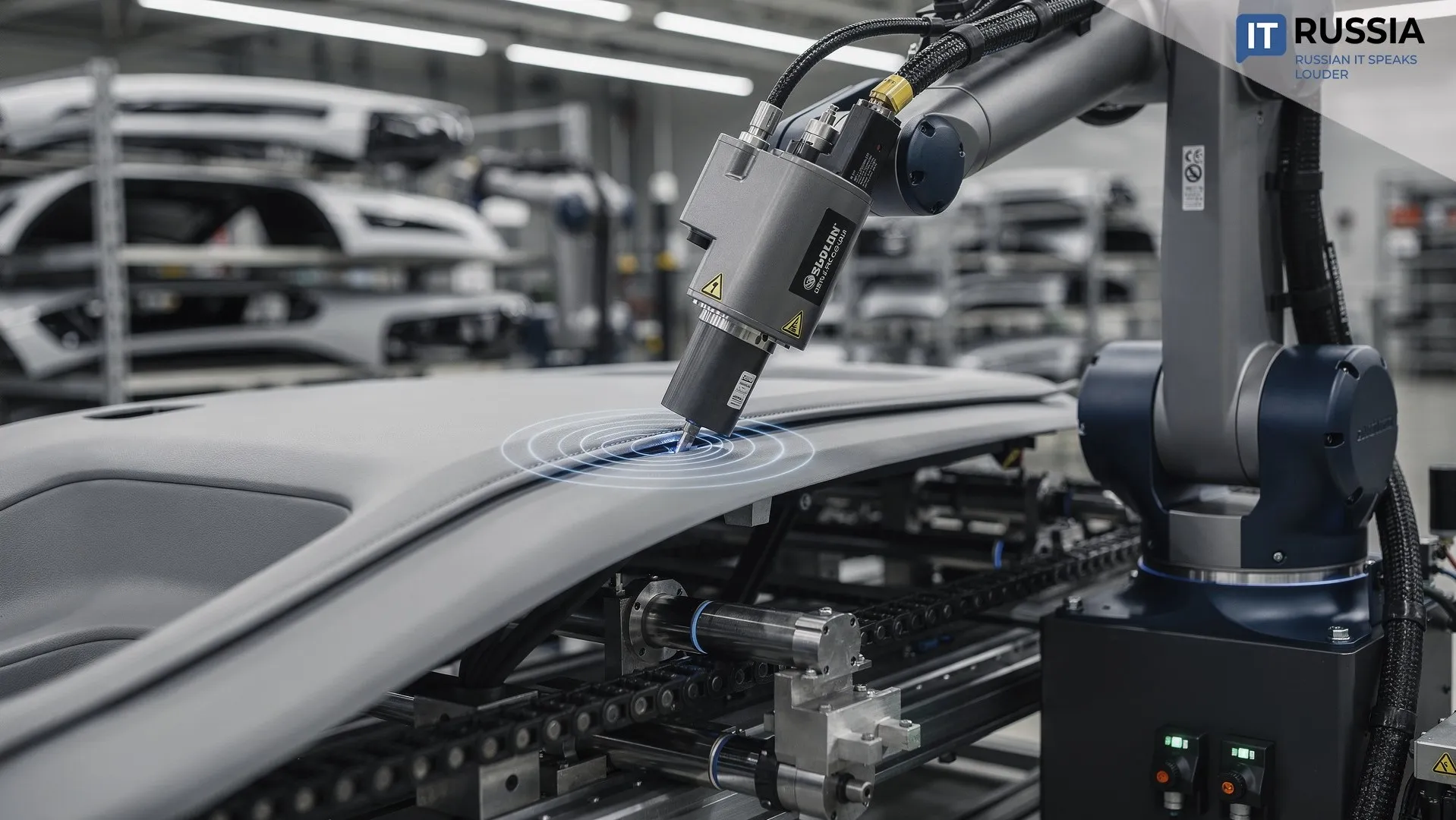
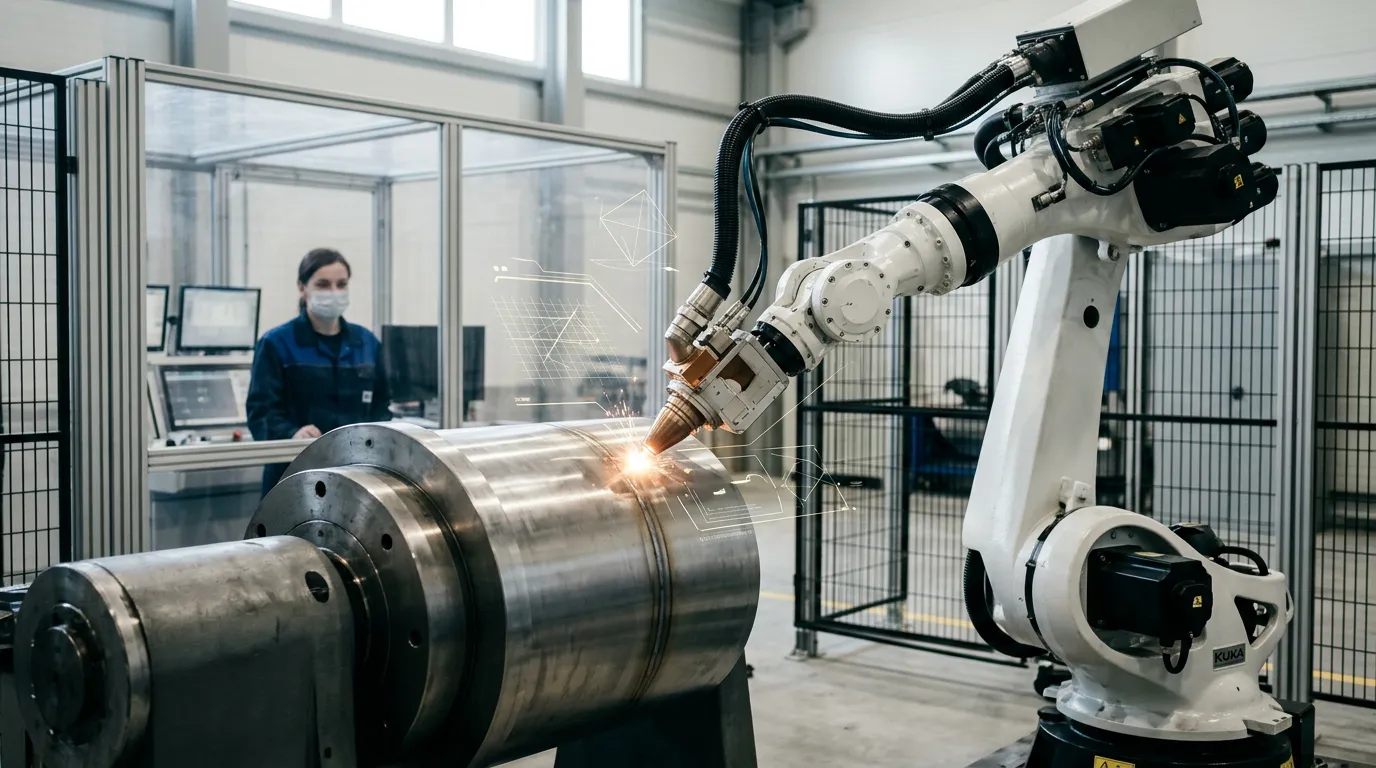
Robots are also being used to automate routine operations, including welding, cutting, assembly and component transport. The company plans to launch serial production of robots for large-scale deployment at nuclear industry facilities.
Digital Twins of Equipment
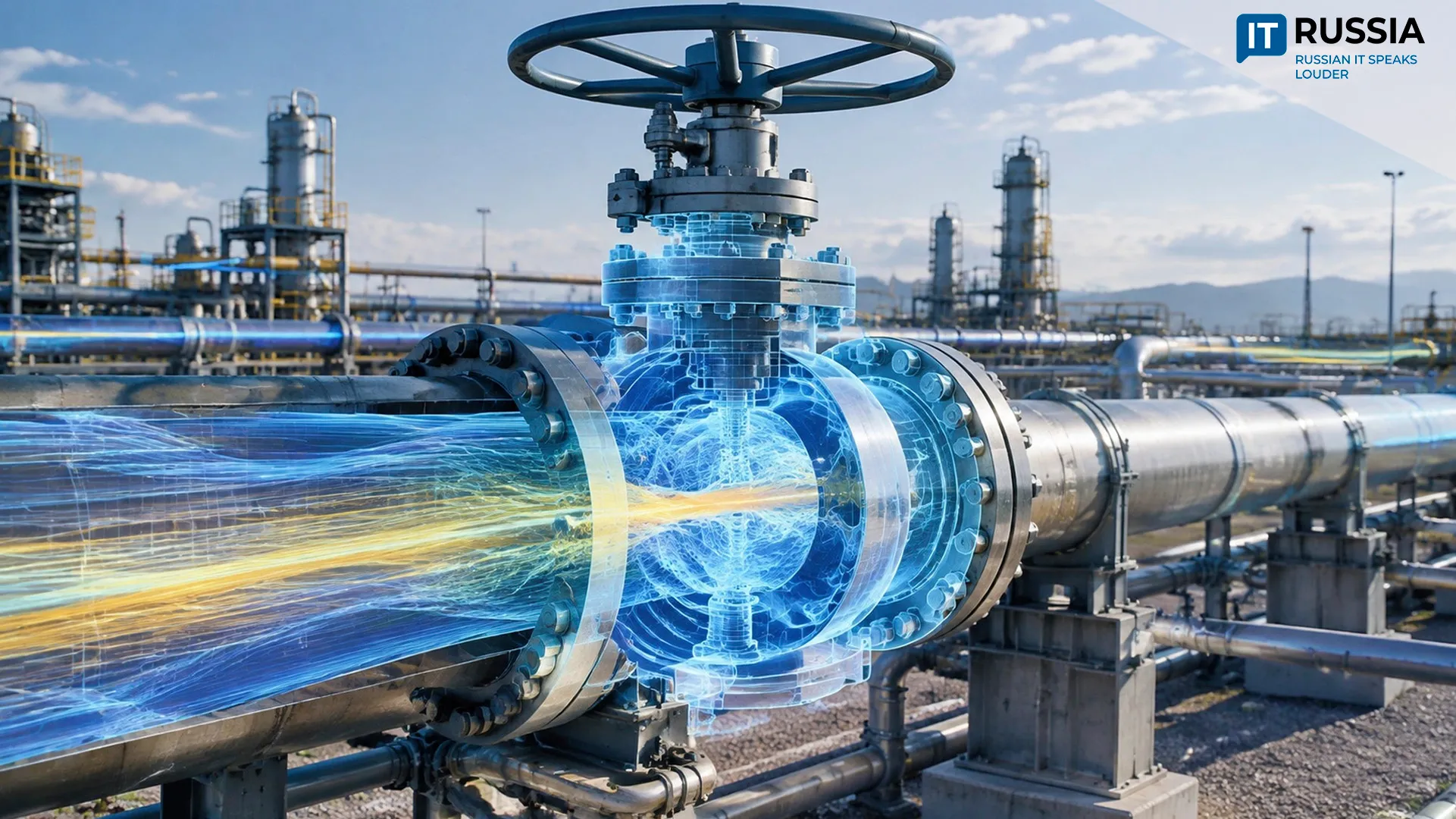
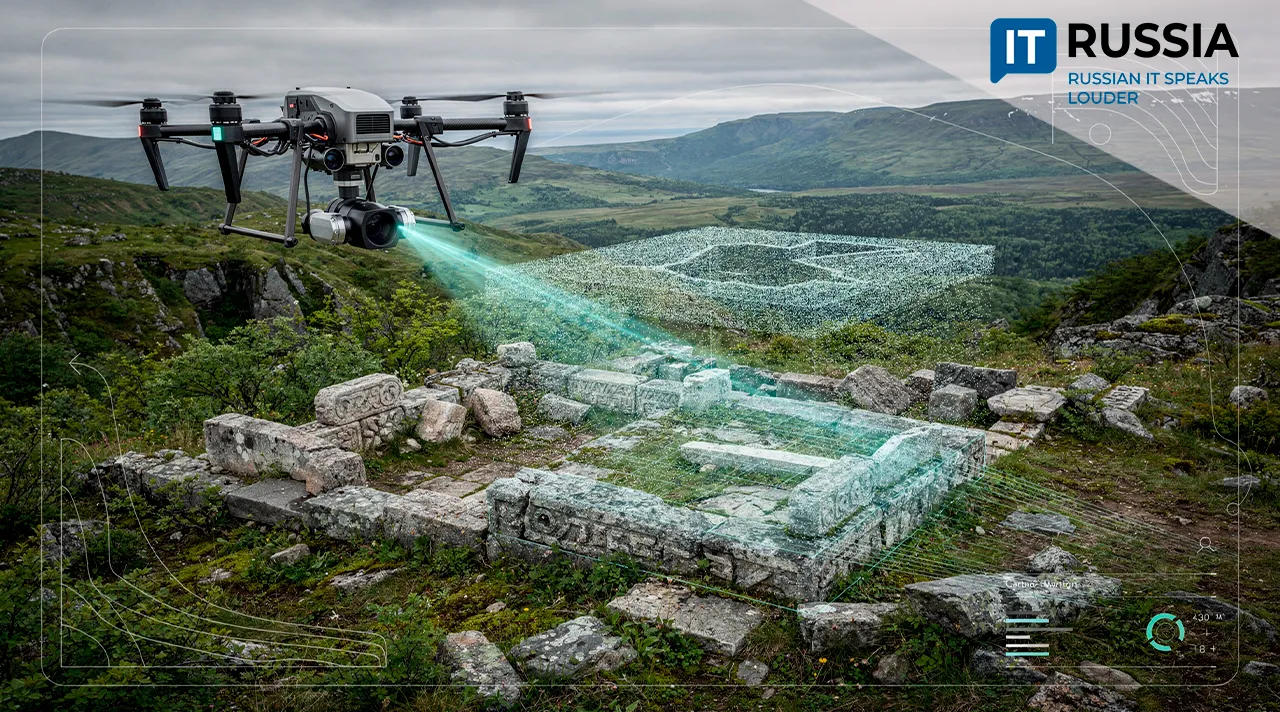
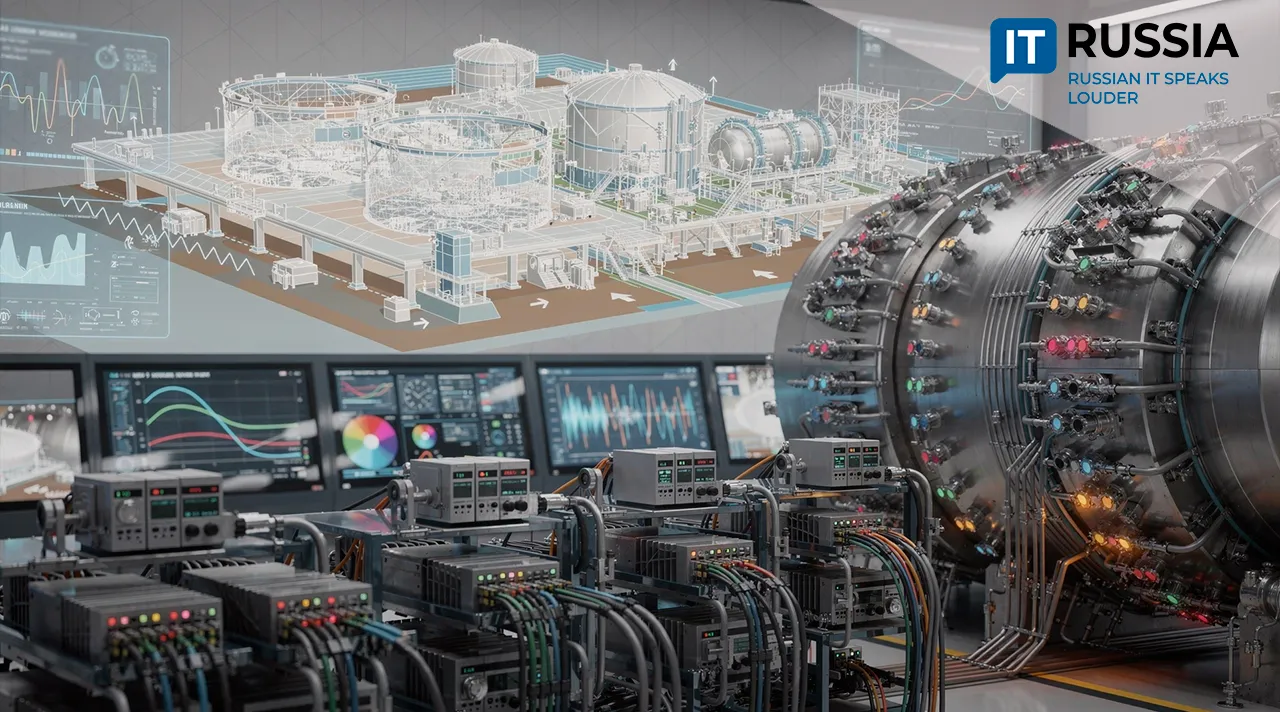
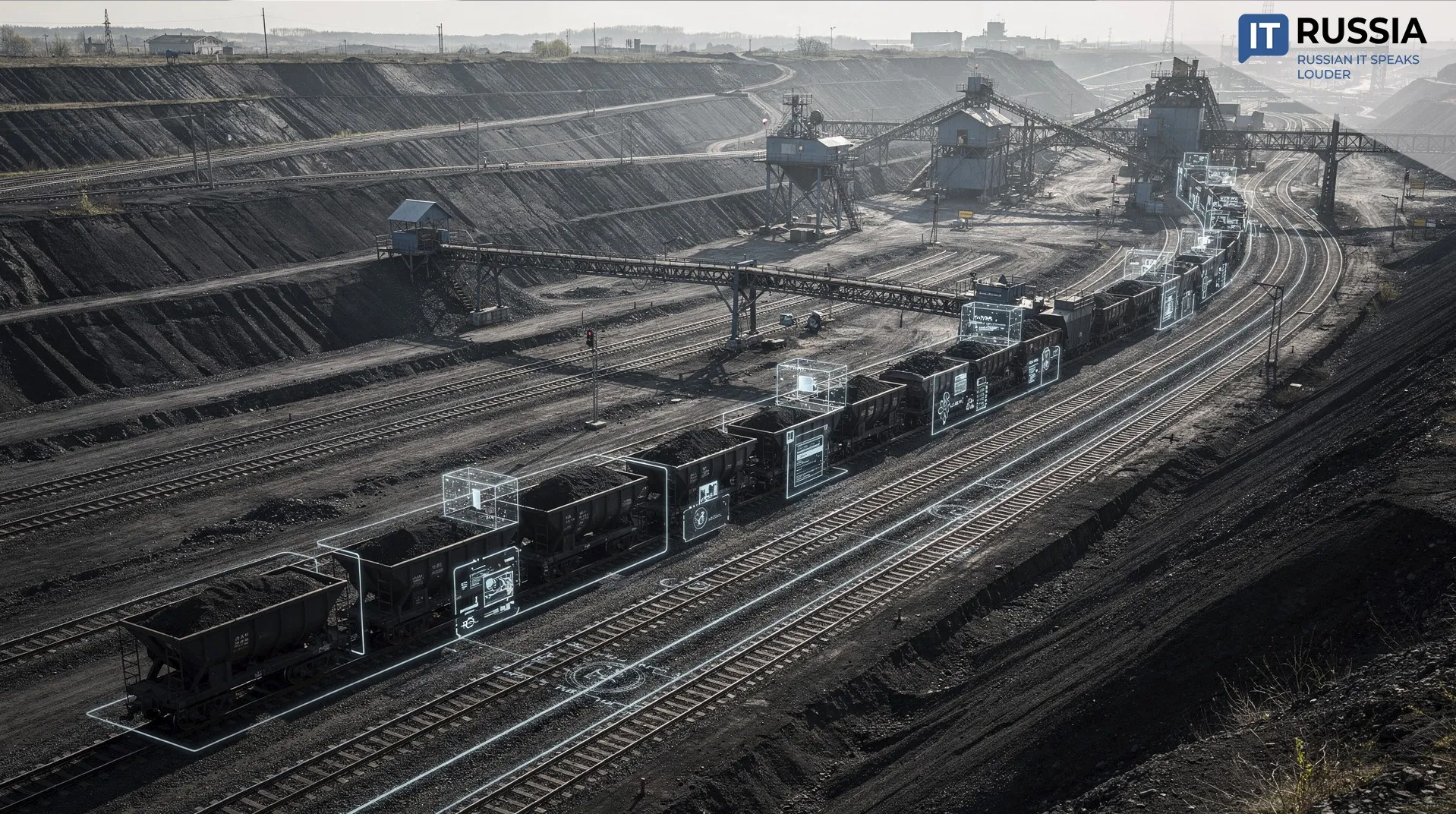
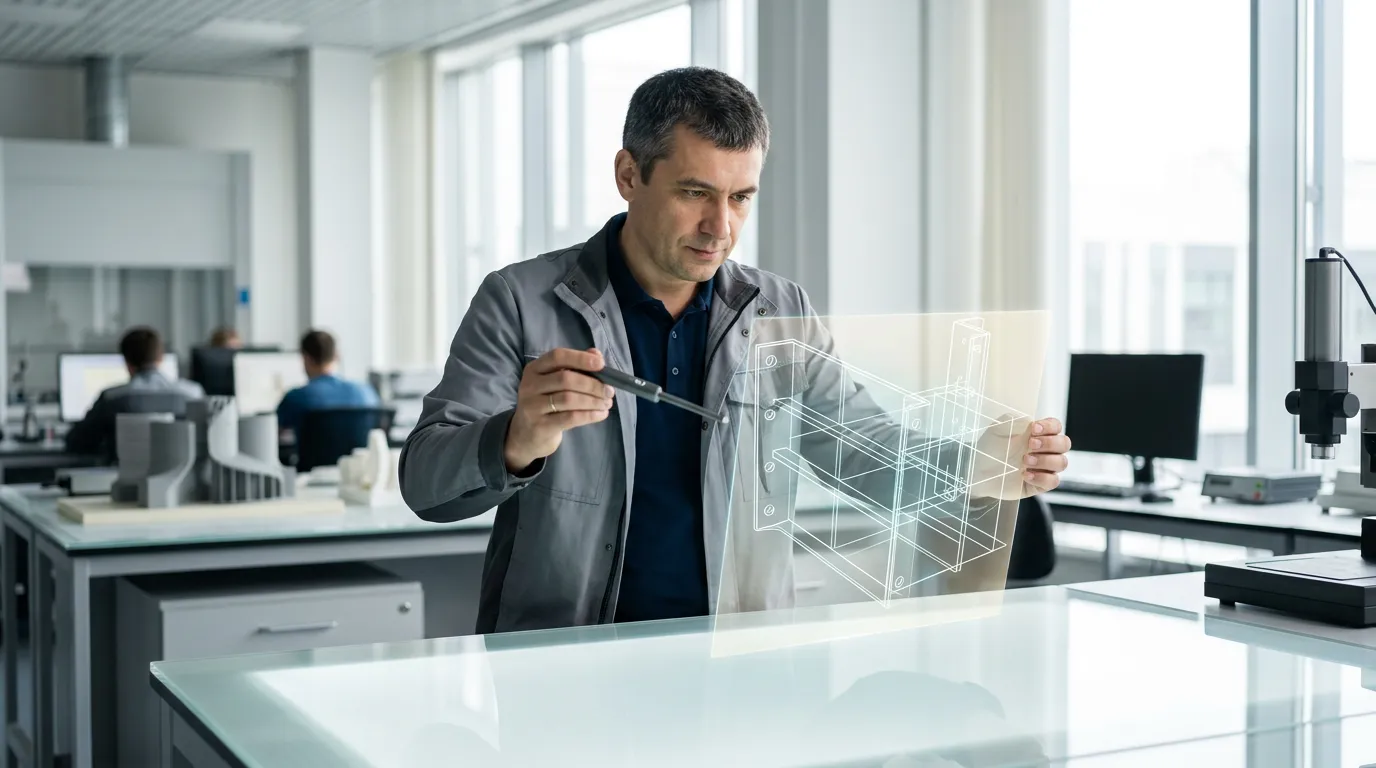
The second area of development is the creation of digital twins of industrial facilities and equipment. The digital model accurately reproduces the physical characteristics of the equipment and reflects its current condition in real time because sensors installed on the physical asset continuously transmit data.
Engineers use digital twins to analyze equipment performance and identify any deviations. Algorithms compare current parameters with calculated values and flag potential problems, allowing faults to be detected at an early stage and abnormal situations to be prevented before they develop into accidents.
Digital models are also used to optimize equipment operation. Engineers test different operating scenarios in a virtual environment and select the most effective ones. This shortens commissioning timelines and reduces costs. Digital twins can accompany machines and equipment from the design stage through the end of their service life.
Artificial Intelligence and Predictive Analytics
The third major area of work is neural networks. Artificial intelligence systems process data from thousands of sensors, identify hidden patterns, analyze information and forecast how situations may develop. This makes it possible to move from scheduled maintenance to predictive maintenance, servicing equipment precisely when it is actually needed.
AI systems also help operators make decisions in complex situations. Algorithms analyze current parameters and recommend optimal actions. This reduces the cognitive load on personnel and lowers the likelihood of errors. The systems continuously learn from new data and improve the accuracy of their forecasts.
Another area of development is computer vision for automated quality control. Neural networks analyze images of welds, component surfaces and assemblies, while algorithms identify defects that can be difficult to detect during visual inspections.
Technology Integration and Prospects
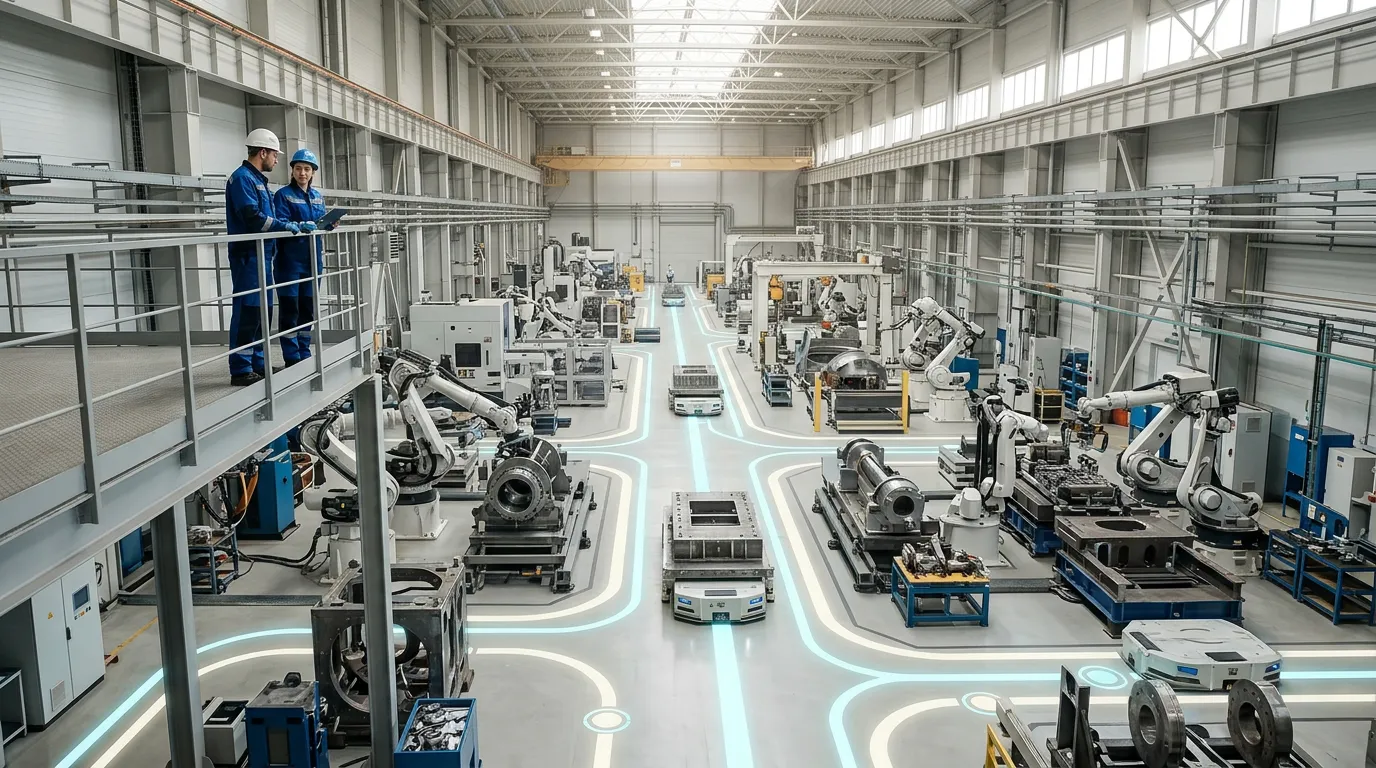
Rosatom IntelMash's technologies bring industrial robotics, digital twins and artificial intelligence into a single ecosystem. A closed-loop digital system can autonomously perform complex technological operations.
These technologies are in demand beyond the nuclear industry. Robotic systems and digital twins are also used in metallurgy, mechanical engineering and the chemical industry. The company adapts its solutions to the requirements of different sectors of the economy and is expanding its geographic reach.
The development of comprehensive digitalization is creating a technology base for the nuclear power industry of the future. Unmanned production, autonomous control systems and predictive maintenance are becoming standards for modern industrial facilities. Modern Russian technologies address the industry's needs while strengthening the country's technological sovereignty.