Digital Twin Developed by Tomsk Scientists Could Help Protect Expensive Equipment
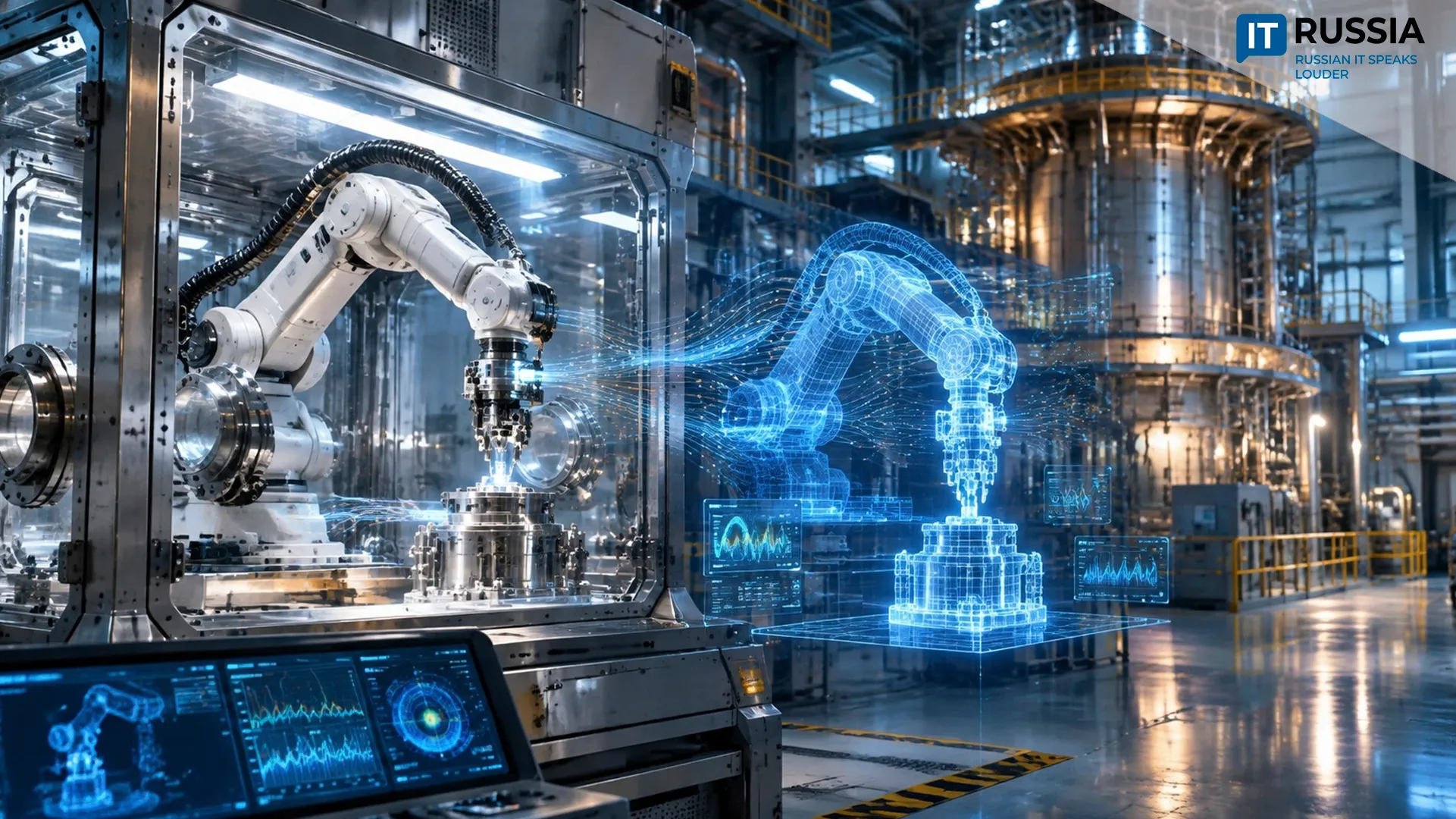
Scientists at Tomsk State University have developed a digital model of an industrial valve used in oil and gas transmission systems. Its creation will allow companies to conduct experiments without putting expensive equipment at risk.
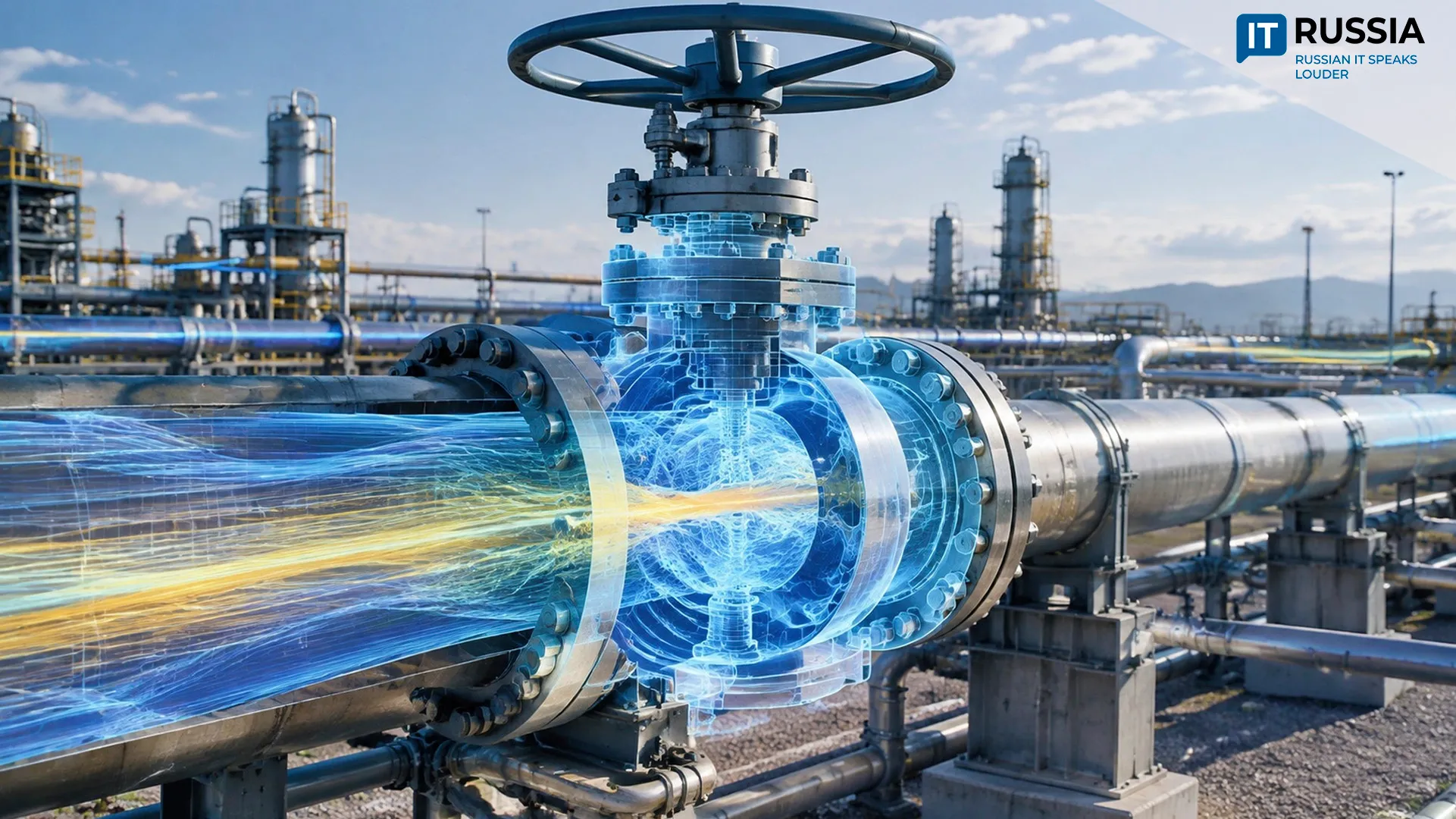
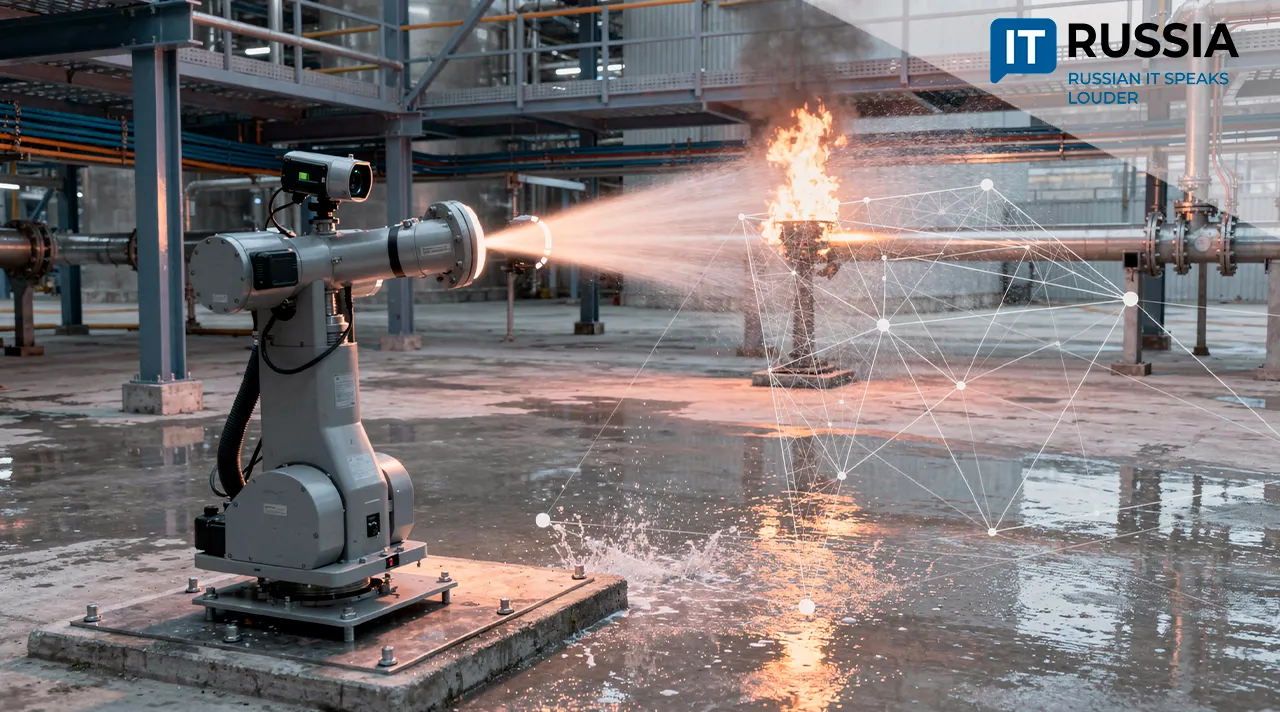
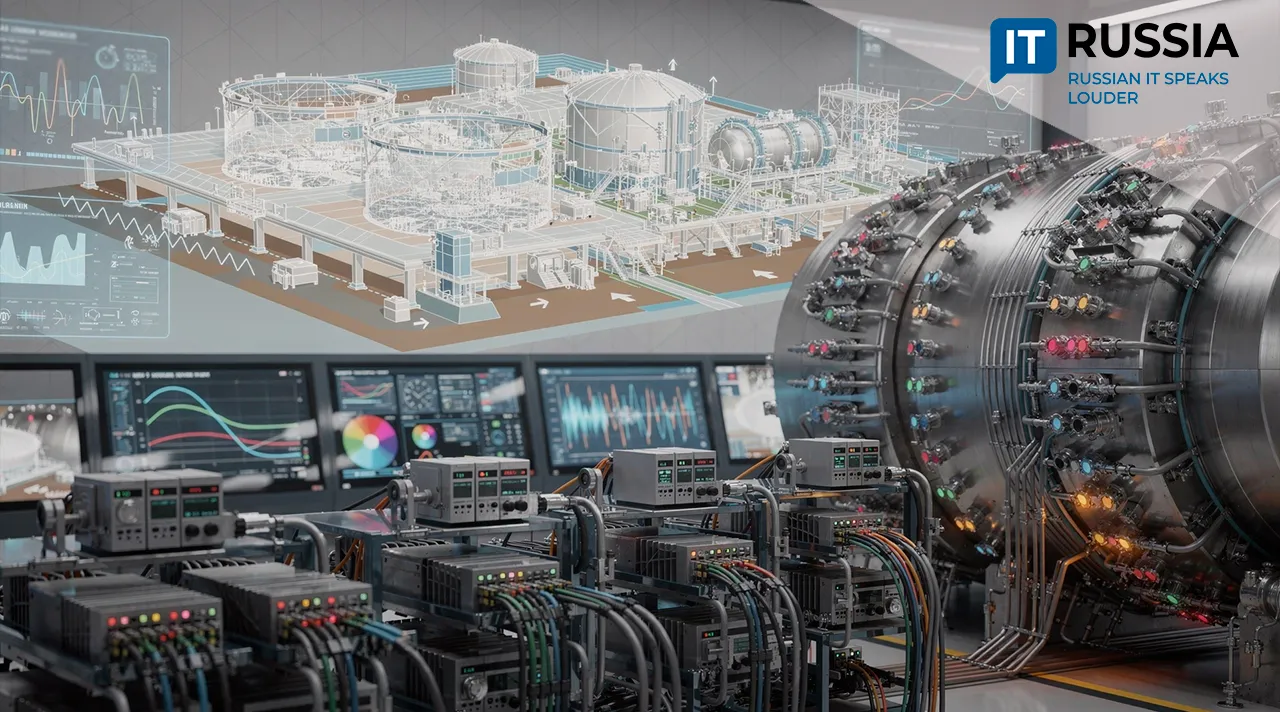
Developed at the request of Gazprom Transgaz Tomsk LLC, the model simulates gas flow inside the valve, calculates the loads that arise and analyzes different operating conditions without stopping production.
The digital twin is based on mathematical models of physical processes. They predict equipment behavior as pressure changes, gas flow rates vary and the valve opening changes. The model can reduce the number of physical tests while also improving the safety of industrial operations.
This approach brings together IT expertise, engineering calculations, mathematical modeling and industrial know-how. As Russia pursues import substitution, solutions of this kind are becoming part of the domestic engineering software market.
From University Expertise to the Industrial Sector
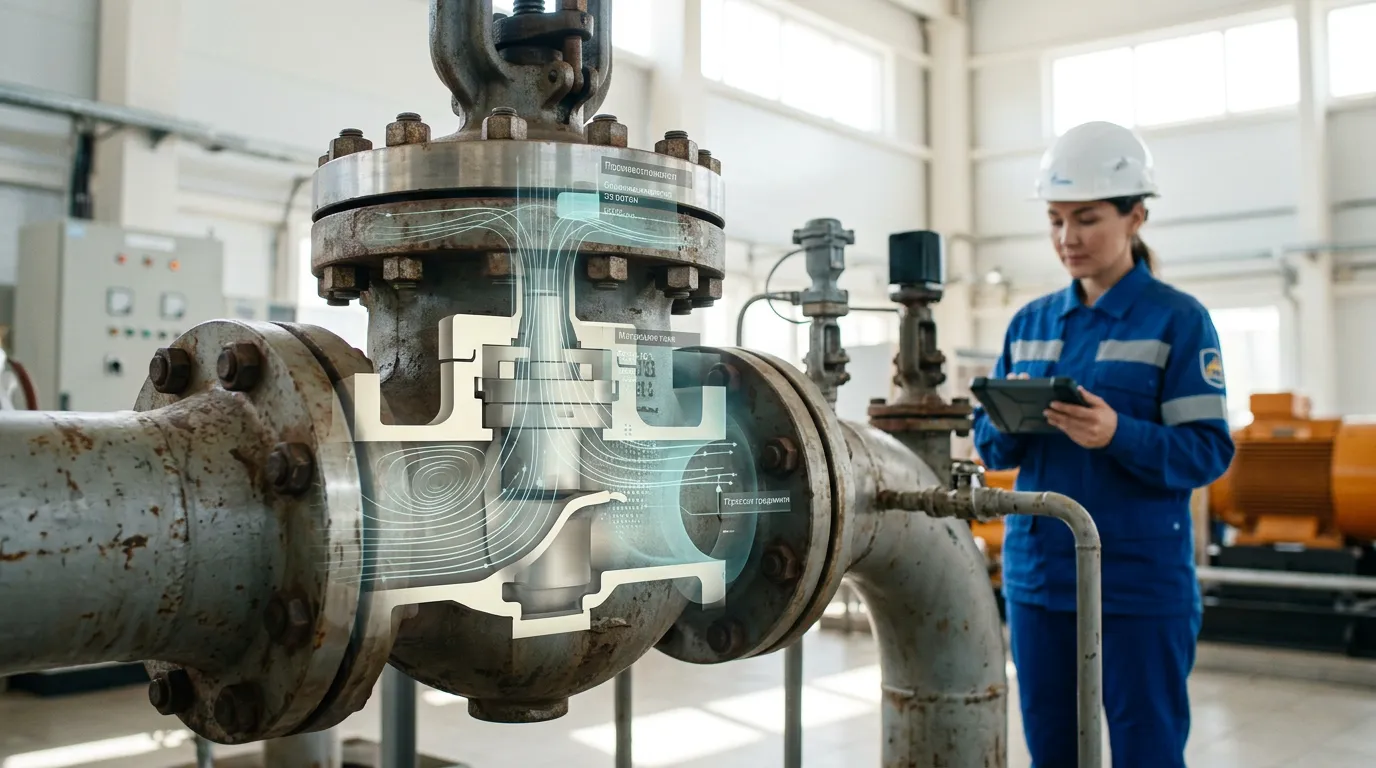
Creating a digital twin of a valve is just one example of how Tomsk State University is developing this field together with industrial partners. The university uses real-world production challenges in its modeling programs, giving students hands-on experience as they prepare for future careers.
Since September 2025, TSU's Faculty of Mechanics and Mathematics has offered a professional master's program in Modeling and Digital Twins. It is the university's first program with a project- and technology-focused curriculum: students work on real production cases from industrial partners rather than abstract academic exercises. Each project addresses a real engineering problem and includes a numerical calculation methodology.
The university's regular partners include Modeling and Digital Twins JSC, KillBot Group, TomskNIPIneft JSC and Gazprom. Graduates are prepared to work for major state-owned corporations as well as IT companies developing Industry 4.0 solutions.
TSU's Regional Research and Educational Mathematical Center provides organizational and financial support for developing the courses included in the program's professional modules. It was established in 2017 following a competition held by Russia's Ministry of Education and Science and brings together education and research across the entire learning path from school to university to industry.
The university is also deliberately building a foundation for training professionals in mathematical modeling, computational fluid dynamics and industrial software.
A Sign of the Times
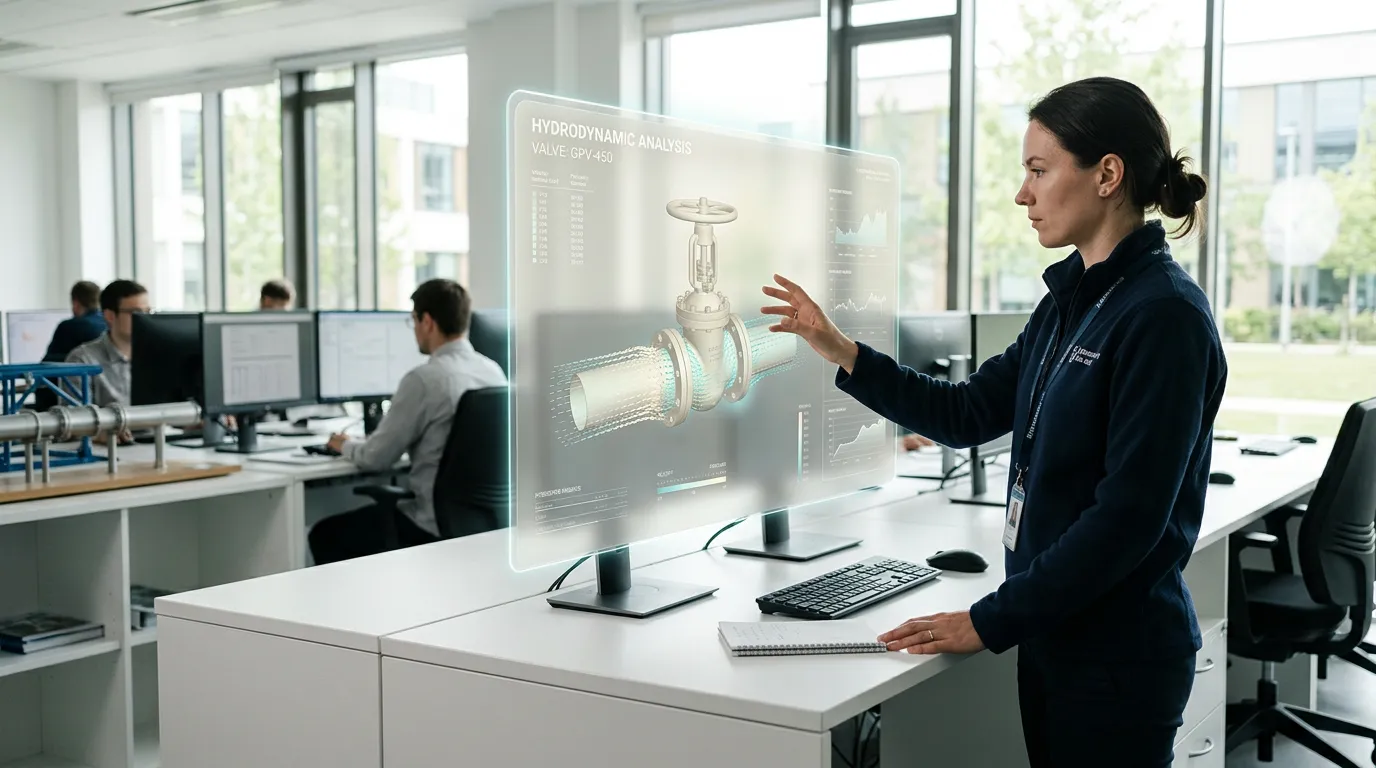
The partnership between Tomsk State University and Gazprom is not unique. Similar collaborations with industrial companies are taking place at universities across Russia and respond to the government's push to strengthen the country's technological sovereignty.
For example, in late 2023, the engineering center at Peter the Great St. Petersburg Polytechnic University, together with Tsentrotekh-Engineering LLC, part of Rosatom State Corporation's TVEL Fuel Division, developed a digital twin of a selective-perforation isolation assembly. Mathematical models were also created for this oil and gas production equipment. Virtual tests showed a high degree of agreement with physical experiments. (fea.ru)
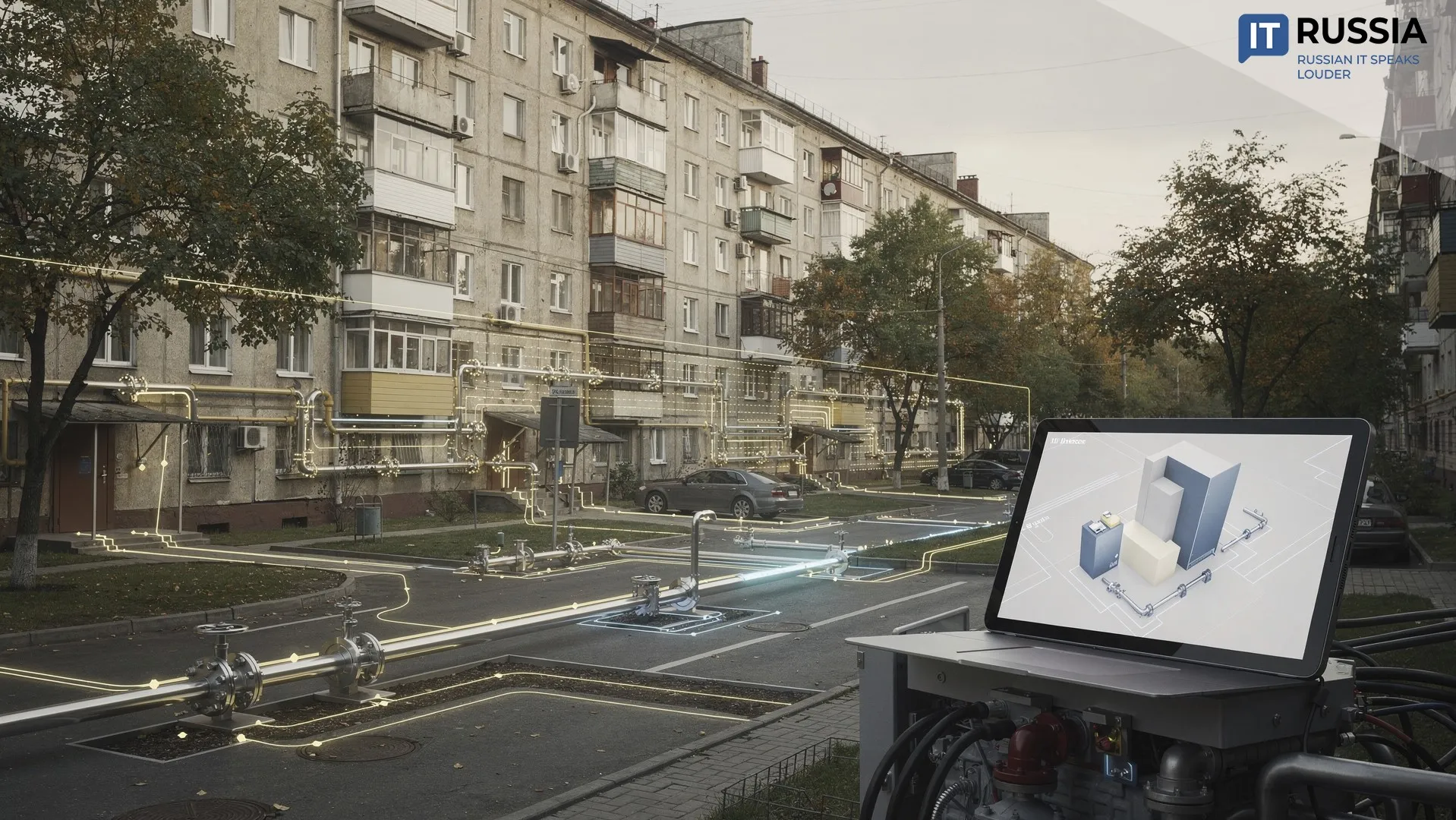
At the same university, work on a digital twin of the Romanovka gas distribution station was completed in March 2026. Gazprom Transgaz St. Petersburg commissioned the project. The model incorporates data on 670 meters of pipelines, 70 valve units, and the station's cleaning, pressure-reduction, metering and odorization units. It calculates pressure, temperature and flow velocity at any point in the facility, predicts equipment wear and generates maintenance plans.
Also in 2026, the National Research University Moscow Power Engineering Institute, together with Gubkin Russian State University of Oil and Gas and with the participation of Transneft Electrosset Service LLC, developed a digital-twin system for oil pumping stations. The solution combines two models – one for the power supply system and one for the pumping process. Its key feature is the ability to run both models simultaneously in real time, making it possible to see how electrical-grid and hydraulic processes affect each other.
This is also what makes TSU's new project significant: the technology's main value lies not in visualizing equipment, but in the ability to conduct virtual tests, predict loads and optimize equipment operation.
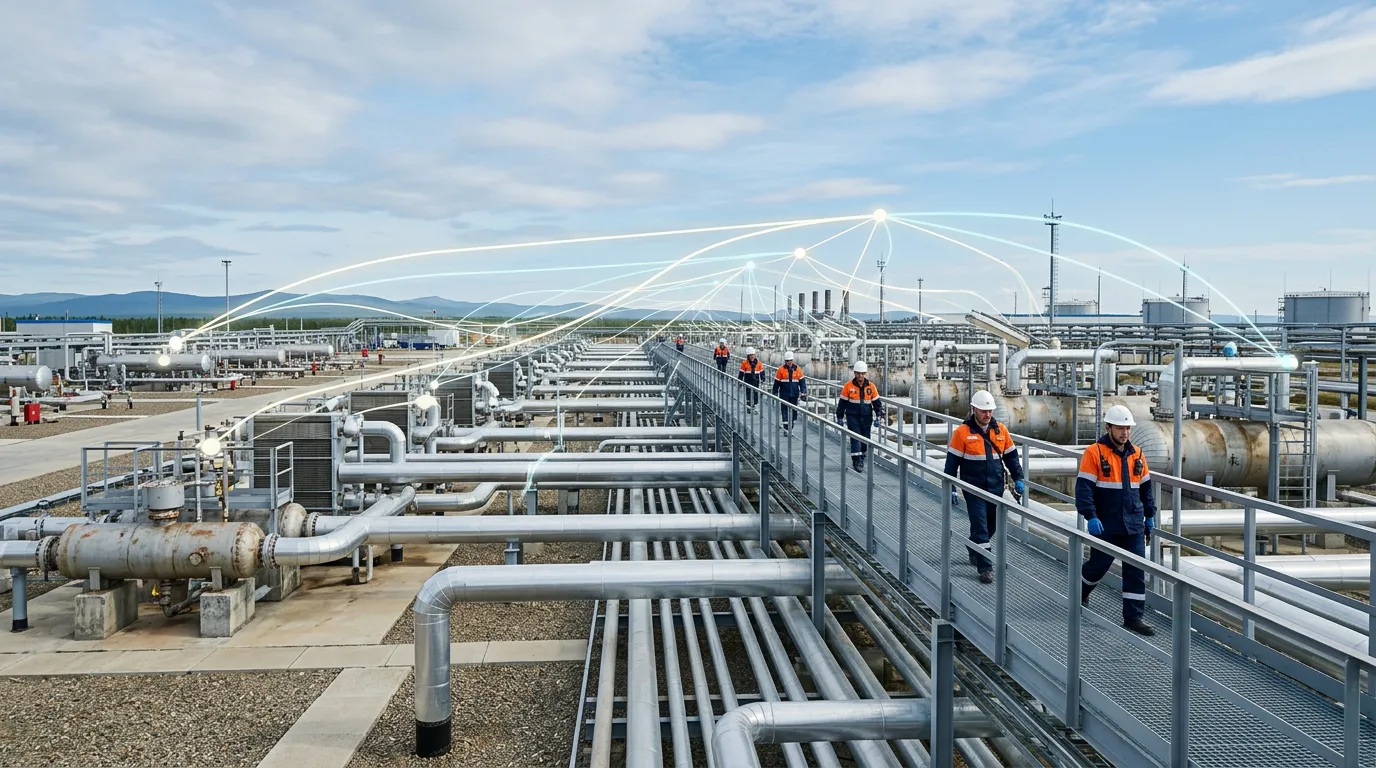
Russia can already point to an established and sustainable practice in this area. Universities are developing digital twins of specific pieces of equipment at the request of oil and gas companies, allowing costly physical tests to be replaced with computational experiments and enabling personnel training without putting production at risk.