

MIPT Develops Neural Network Inspired by the Human Cerebellum
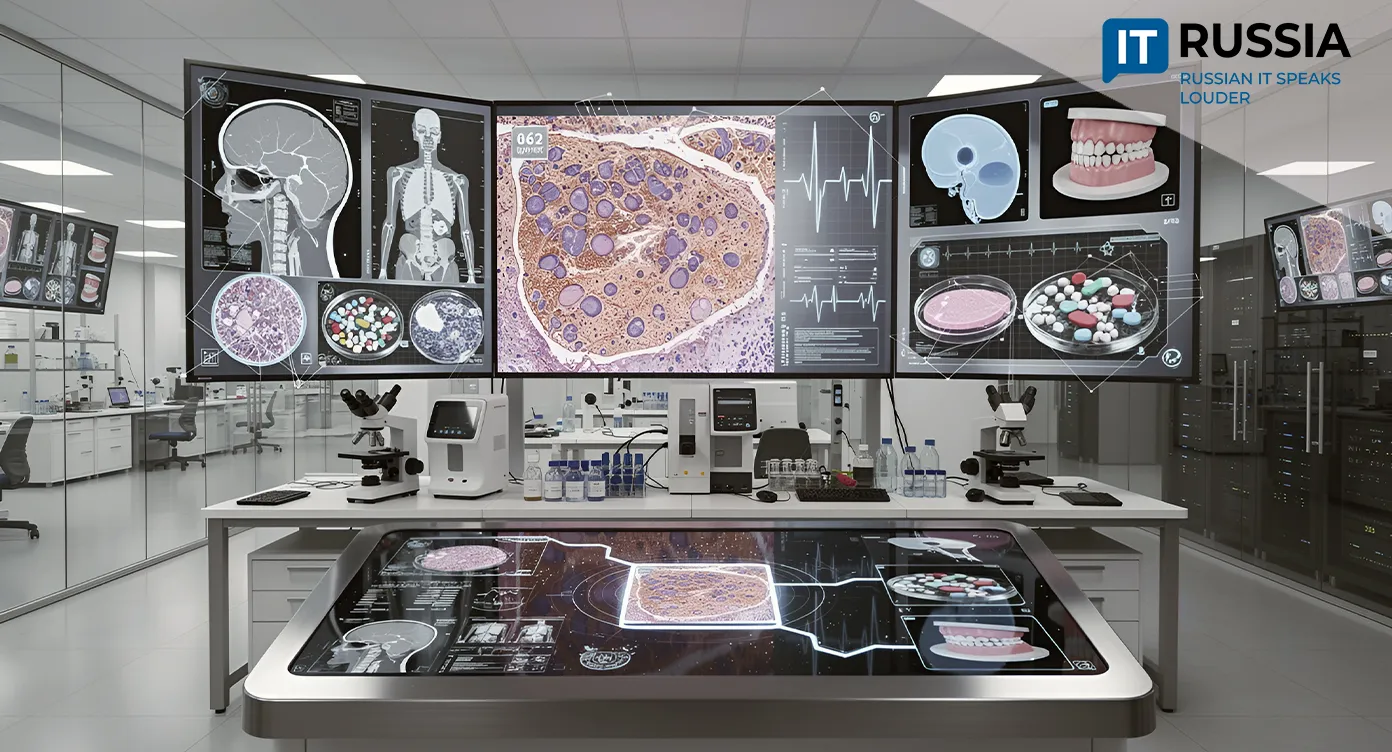
Scientists at the Moscow Institute of Physics and Technology (MIPT) have developed a hybrid cerebellar-inspired neural network whose architecture is based on how the human cerebellum works. The model is designed to analyze cardiac MRI scans and automatically segment the left atrium when preparing for procedures to treat atrial fibrillation.
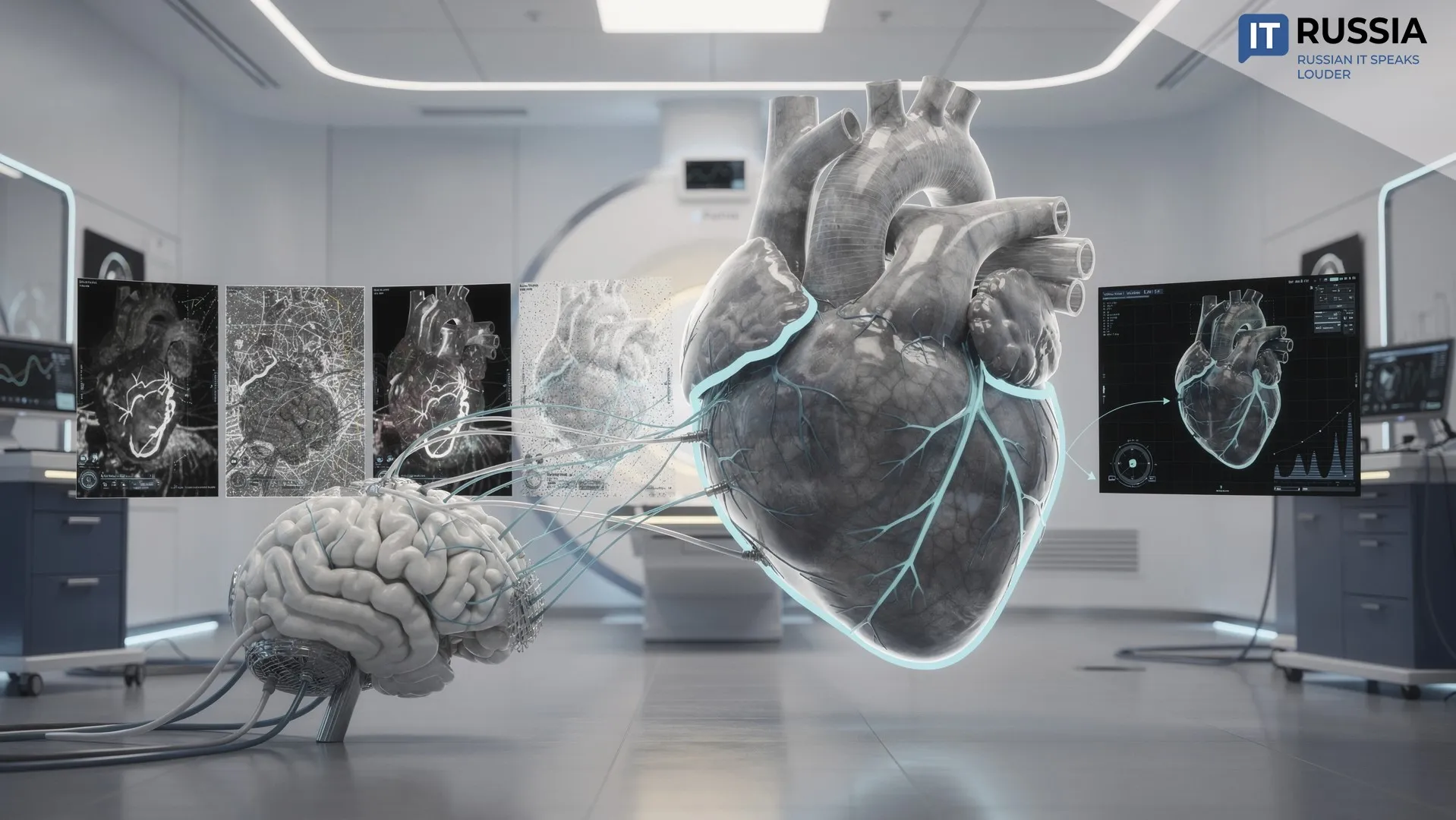
Medical imaging offers a unique window into the human body, but that window is often blurred. Patients breathe, their hearts sometimes beat irregularly, and MRI scanners can produce noise and motion artifacts. For conventional AI systems, such interference can seriously disrupt performance, leading to failures and inaccurate diagnoses. MIPT scientists have addressed these problems by creating a hybrid neural network whose architecture mirrors principles of how the human cerebellum works. The approach makes the algorithms more resistant to noise and artifacts commonly encountered during magnetic resonance imaging.
How Does It Work?
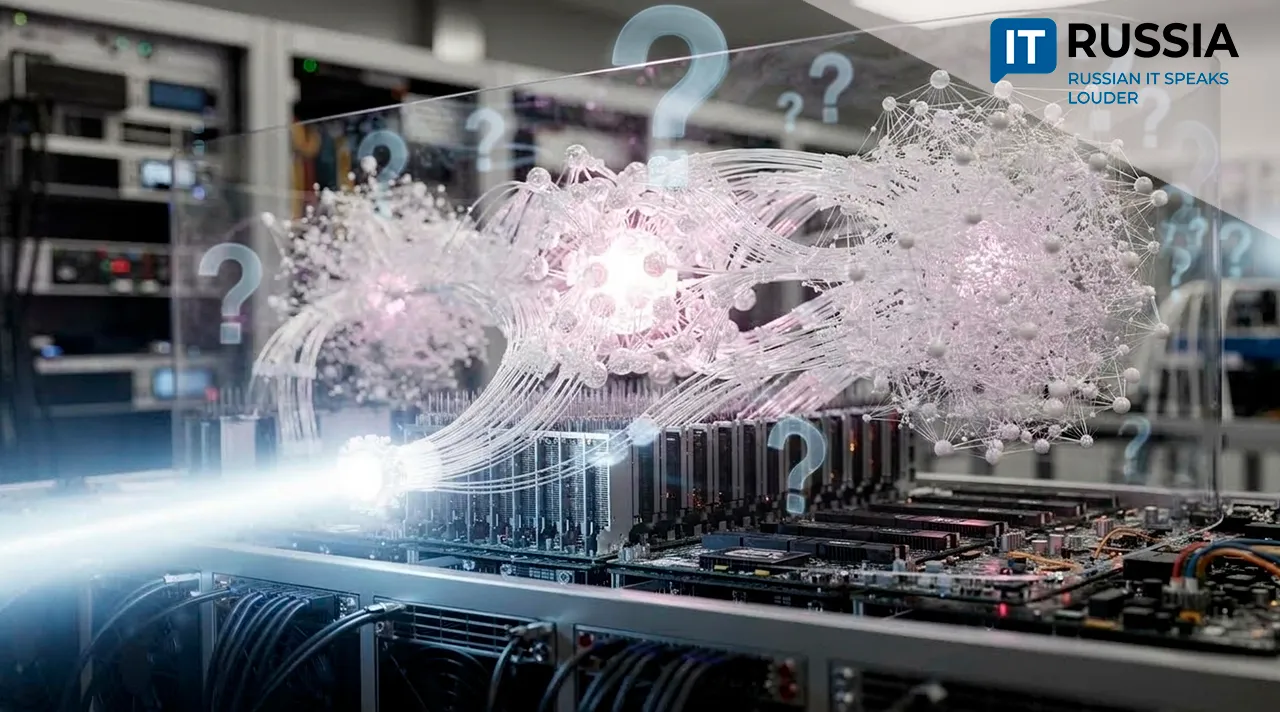
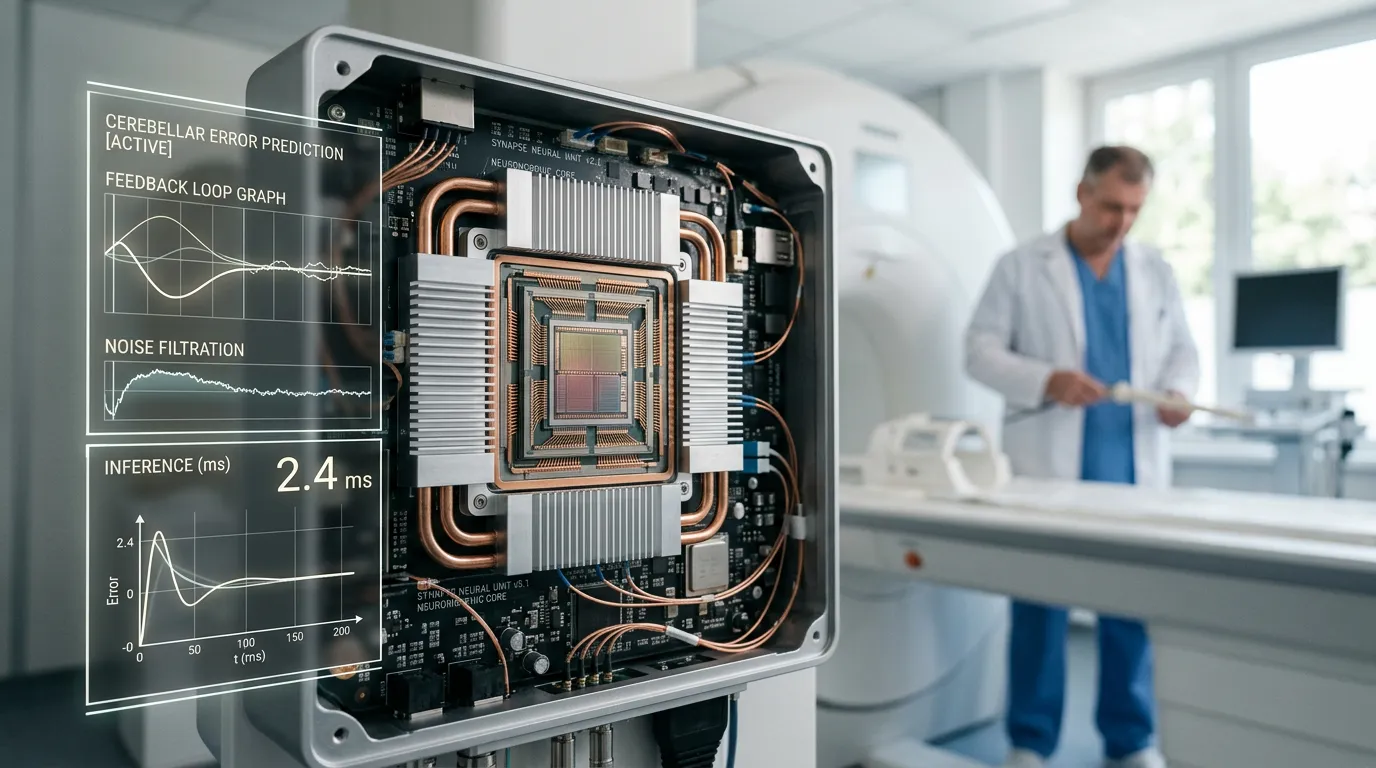
To improve stability, the researchers turned to neuroscience for inspiration. Alongside the core module responsible for automatically segmenting the left atrium in MRI scans, they added a specialized “cerebellar” block. In the living brain, the cerebellum is responsible for precise coordination of movement and, critically, for predicting and correcting motor errors and forecasting future states of the cerebral cortex, sending corrective signals to prevent mistakes. In the AI system, this module acts as a strict checker: it predicts possible distortions in the data and corrects the main network in advance, helping prevent errors.
Segmentation accuracy on noisy data, measured by the Dice metric, increased from 0.801 to 0.815. The numbers may look small, but in medicine, the researchers say, such a difference can mean the difference between a successful procedure to treat atrial fibrillation and a potentially fatal medical error.
The algorithm is also remarkably fast and resource-efficient: processing a complex 3D scan takes just 18 milliseconds, while the model requires only about 109 MB of video memory. That low resource demand could allow clinics to run the AI on ordinary computers.
Benefits for Clinics and Patients
For hospitals in Russia, the technology offers a practical way to deploy AI without purchasing expensive computing systems. The development could speed up the processing of MRI data and reduce the workload of radiologists, who can spend hours manually labeling scans. The AI handles the preliminary work while maintaining a stable and reliable result even under less-than-ideal clinical conditions.
The Evolution of Biomorphic AI: From Synapses to Brain Logic
MIPT’s 2026 development is the latest step in a five-year trajectory for Russian research into neuromorphic computing. In 2021, the Russian Academy of Sciences, Rosatom and Lomonosov Moscow State University were laying the groundwork by exploring how machines could be made to operate according to biological principles. In 2022, Kaspersky Lab and Motive NT presented the Altai neuromorphic processor and a platform for spiking neural networks.
By 2023–2024, the focus had shifted toward energy efficiency and hardware. Researchers at MIPT, ITMO University and Skolkovo Institute of Science and Technology developed flexible artificial synapses and domestic memristors, basic building blocks for future computers. In 2025, neuromorphic approaches moved into robotics, enabling autonomous systems to learn very quickly. Now, in 2026, Russian scientists have moved from copying individual “components” of the brain to transferring its broader computational logic. The cerebellar architecture has demonstrated that reliable AI needs to be able to recognize uncertainty and correct its own errors.
Horizons Beyond Medicine
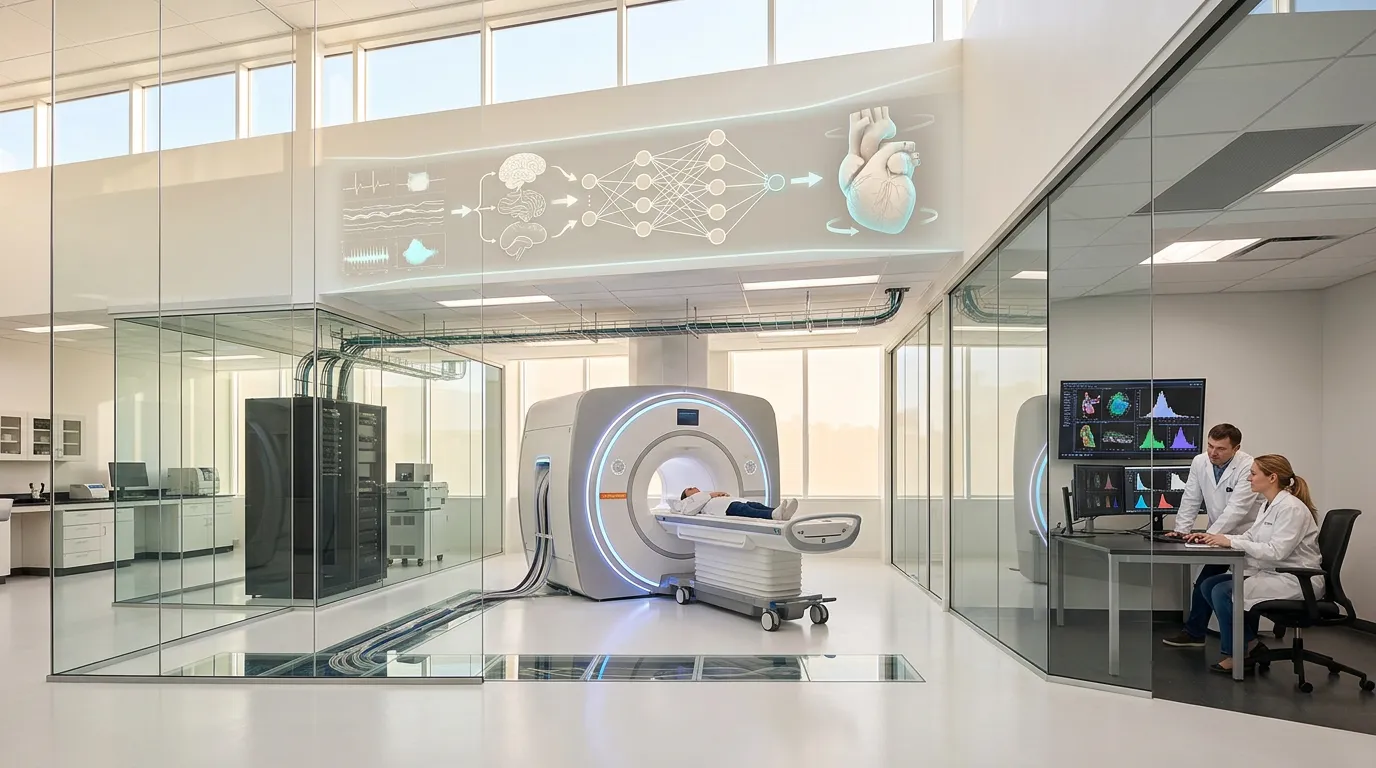
The model is currently at the research stage, and bringing it to broad commercial markets will still require clinical trials and adaptation to international standards. However, publishing the source code openly already allows the research community to study and further develop the approach.
In the longer term, the technology could extend well beyond cardiology. The principle of “predicting and correcting errors” is well suited to industrial AI, where sensors operate amid significant interference, as well as autonomous robotics and edge computing. We are seeing a shift in approach: the era of neural networks relying on brute force and enormous energy consumption is giving way to biomorphic AI. This type of AI could become a more reliable assistant for people.