Artificial Intelligence to Assess Building Safety in Russia
The system classifies structural wear and reduces the risk of emergency situations.
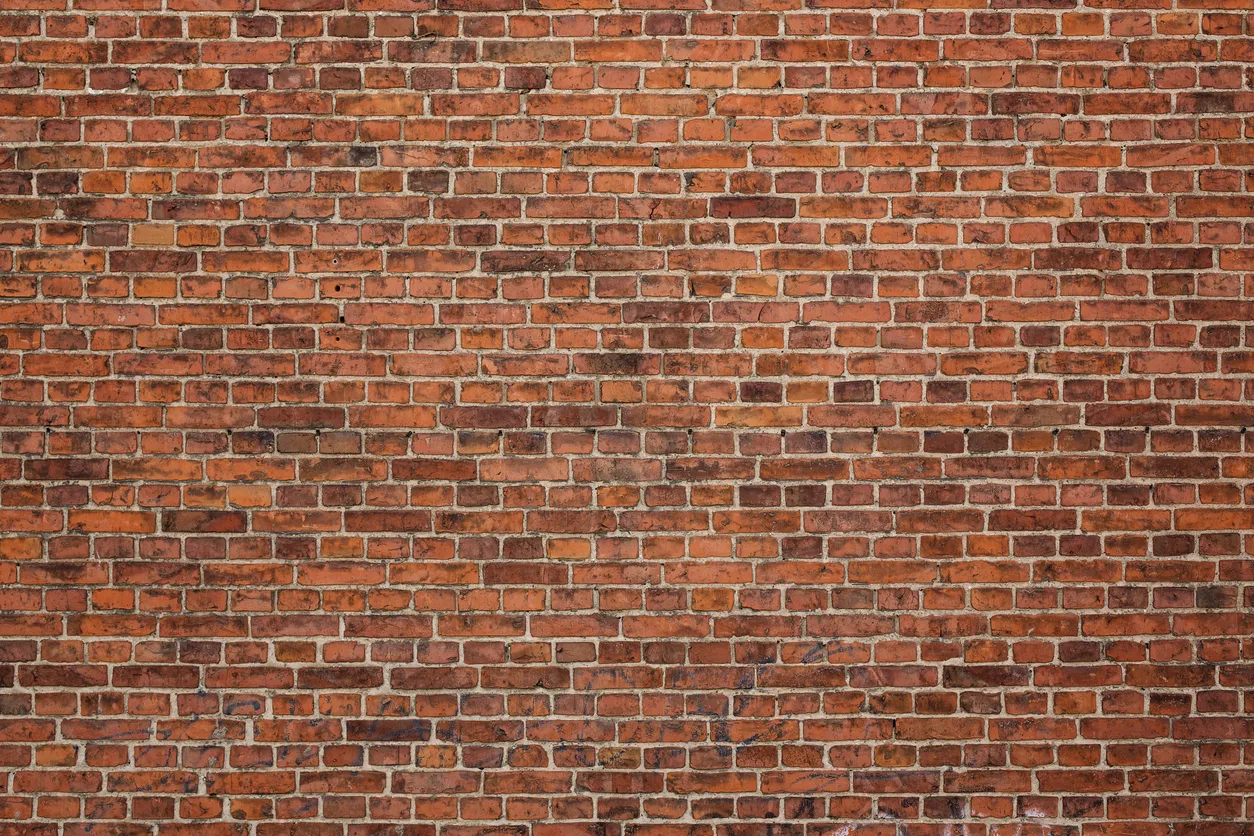
Scientists at Perm Polytechnic University have developed a program that automatically assesses the technical condition of the exterior walls of brick buildings. The system classifies the degree of structural wear with an accuracy of up to 84 percent, the university said.
In Russia, residential buildings and other structures are regularly declared unsafe. Traditional inspection methods do not fully cope with the task, allowing hidden defects to accumulate in structures and remain unnoticed until buildings reach a critical state of deterioration.
Machine Learning Algorithms and System Architecture
The Perm Polytechnic research team created the system using artificial intelligence. To do this, they analyzed and digitized archival data from building inspections and then assembled a training dataset describing building facades across 18 parameters. Based on this analysis, the system assigns one of four condition categories defined by national standards: normal, serviceable, limited serviceability, or unsafe.
To build the intelligent system, the researchers tested five machine learning algorithms for neural networks. According to Galina Kashevarova, Doctor of Technical Sciences and professor at the Department of Structural Engineering and Computational Mechanics, the program is designed to process information in several stages.
Training the Model and Results
Sergey Krylov, a postgraduate researcher at the same department, added that the training process also took place in several stages.
On the training dataset, the model achieved an accuracy of 92.3 percent. On the validation dataset not used during training, accuracy reached 84.62 percent.