Electronic Nose: Russian Researchers Teach AI to Detect Lung Disease From a Single Breath
Researchers in Russia have developed an algorithm that distinguishes lung diseases by analyzing a patient's exhaled breath. The technology is still at the research stage, but it could eventually become a rapid screening tool in clinical practice.

Researchers at Sechenov University have developed a machine learning model capable of distinguishing four serious lung diseases using nothing more than a patient's exhaled breath. Bronchial asthma, chronic obstructive pulmonary disease (COPD), cystic fibrosis and lymphangioleiomyomatosis (LAM) each leave a distinct chemical "fingerprint" in exhaled air. The algorithm has been trained to recognize these signatures and differentiate one disease from another. Although the technology remains in the research phase, its potential for future clinical use is considerable.
How It Works
The research team analyzed exhaled breath samples from 843 individuals, including patients with the four target diseases as well as healthy volunteers. Participants were asked to breathe into a dedicated analytical device.
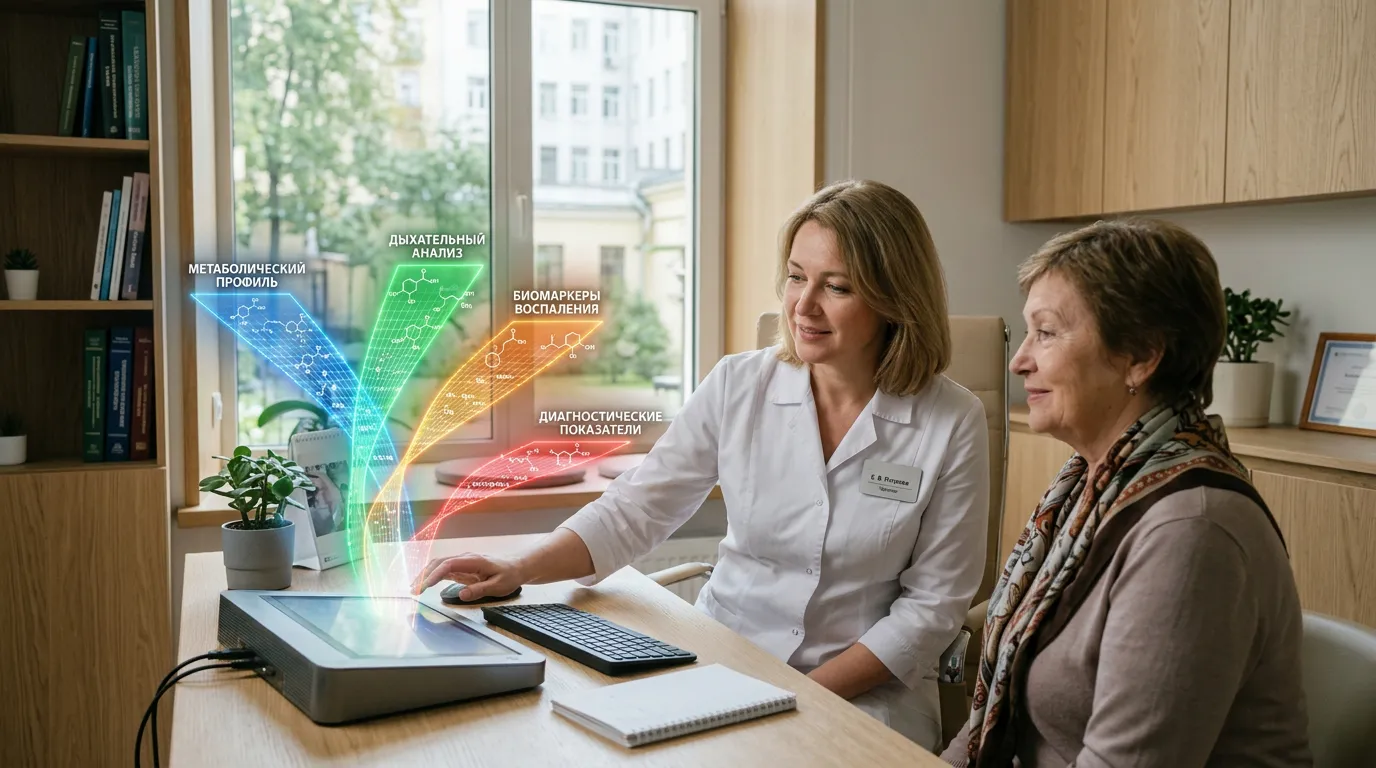
Breath composition was examined using high-resolution proton-transfer-reaction mass spectrometry. The technique detects volatile organic compounds in real time. The resulting data were then processed using machine learning algorithms.
Rather than evaluating individual compounds, the model analyzed characteristic combinations of volatile molecules. The researchers found that each disease produces its own unique chemical profile. The system achieved its highest diagnostic accuracy in identifying cystic fibrosis, while successfully distinguishing all four diseases overall.

Why It Matters
Lung diseases are particularly dangerous not only because they impair breathing and reduce oxygen delivery throughout the body. They also trigger a cascade of complications that affect multiple organ systems. In their early stages, many pulmonary disorders produce only mild symptoms or none at all. Patients may ignore persistent cough or shortness of breath for months, attributing them to fatigue or aging.
Conventional diagnosis often depends on complex and costly procedures such as spirometry, bronchoscopy and computed tomography (CT). By contrast, the breath analysis approach developed at Sechenov University is noninvasive, rapid and completely painless. It requires no special patient preparation and could be performed in a wide range of healthcare settings, from hospitals to community outpatient clinics.
What It Means for Patients
Sechenov University's work is far from the first effort in this field, but it is among the largest studies conducted to date. In 2021, researchers in the Netherlands introduced an electronic nose (eNose) system designed to analyze breath samples following lung transplantation.
During 2023-2024, Russian researchers also worked on a portable electronic nose for tuberculosis detection. Those earlier projects, however, were either narrowly focused or demonstrated more limited diagnostic accuracy.
The defining strength of the new study is its scale. It included 843 participants representing four different pulmonary diseases, providing a substantial scientific foundation for future clinical validation and implementation.
Early diagnosis offers patients an opportunity to slow disease progression. Individuals with COPD or asthma who begin treatment at an earlier stage are more likely to preserve their quality of life for many additional years. For patients with cystic fibrosis, a rare genetic disorder, every month of appropriate therapy can extend survival while maintaining quality of life.
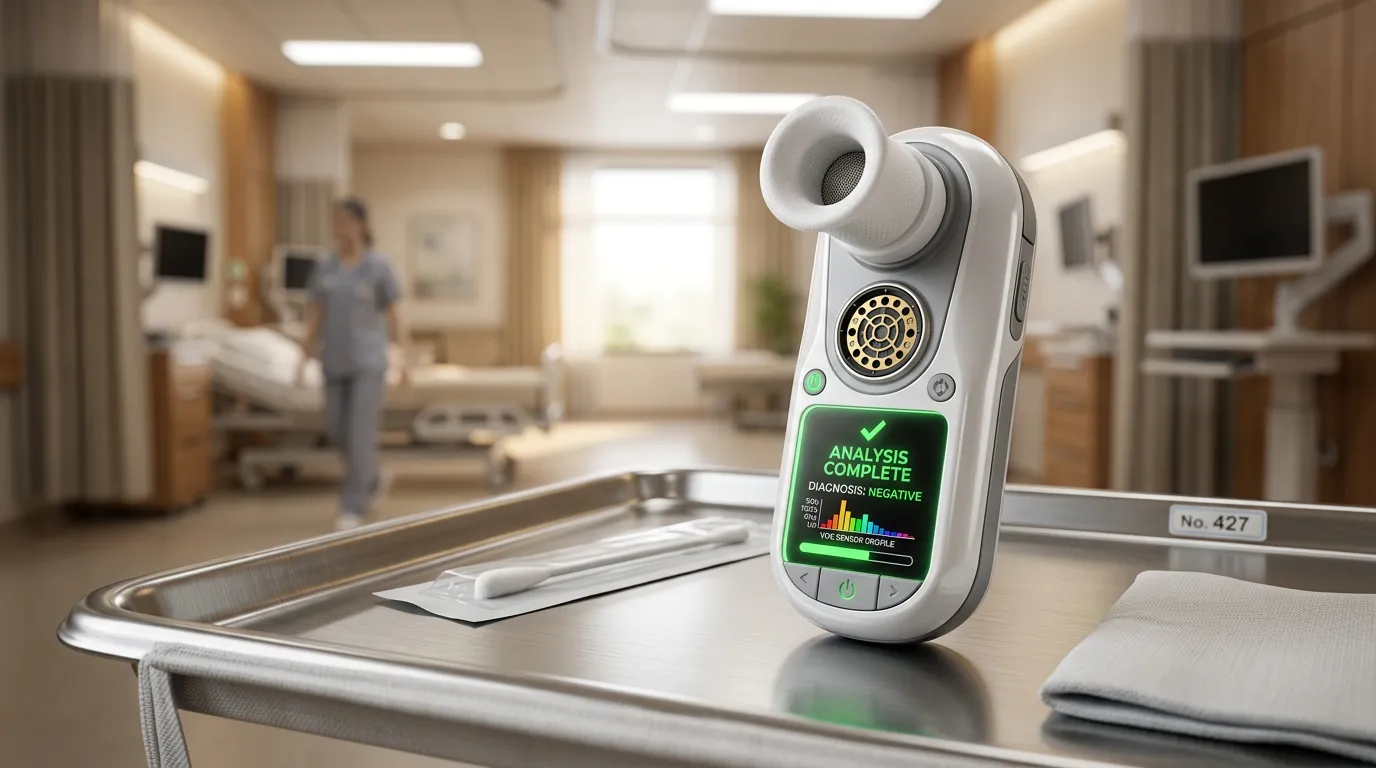
The technology could eventually serve as a frontline screening tool in outpatient clinics. A patient presenting with a persistent cough, for example, could simply breathe into the analyzer and receive a preliminary assessment within minutes.
Benefits for Physicians and Healthcare Systems
For physicians, such a device would provide an objective diagnostic aid capable of identifying serious disease before it progresses. For healthcare systems, it offers an opportunity to reduce pressure on pulmonary specialists. Rather than referring every patient with a cough to a pulmonologist, clinicians could first perform rapid screening and identify those most likely to require specialist evaluation.
The Sechenov University project illustrates how Russian research is advancing at the intersection of medicine and information technology. Rather than relying on imported technologies, Russian researchers are developing solutions tailored to the needs of the country's own healthcare system.
The project team plans to expand the study by increasing the clinical cohort, validating the algorithm across multiple healthcare institutions and evaluating how age, smoking, diet and coexisting medical conditions affect diagnostic accuracy. Longer term, the researchers aim to develop similar algorithms for cardiovascular diseases, endocrine disorders and selected types of cancer.