Smart Foam and Gas Hydrates: Tomsk Researchers Develop a New Way to Extinguish Bitumen Fires
Researchers from the Heat and Mass Transfer Laboratory at Tomsk Polytechnic University (TPU), supported by the Russian Ministry of Science and Higher Education's Priority 2030 federal program under the Youth and Children national project, have developed a technology for extinguishing petroleum product fires in storage tanks with large liquid surface areas. The solution covers the entire technological chain, from designing extinguishing agents based on artificial gas hydrates to developing algorithms for their delivery. The technology is particularly effective for fighting fires involving highly viscous liquid petroleum products. The proposed approach could also become the foundation for Russia's first regulatory framework governing bitumen fire suppression, an area where no dedicated standards currently exist.
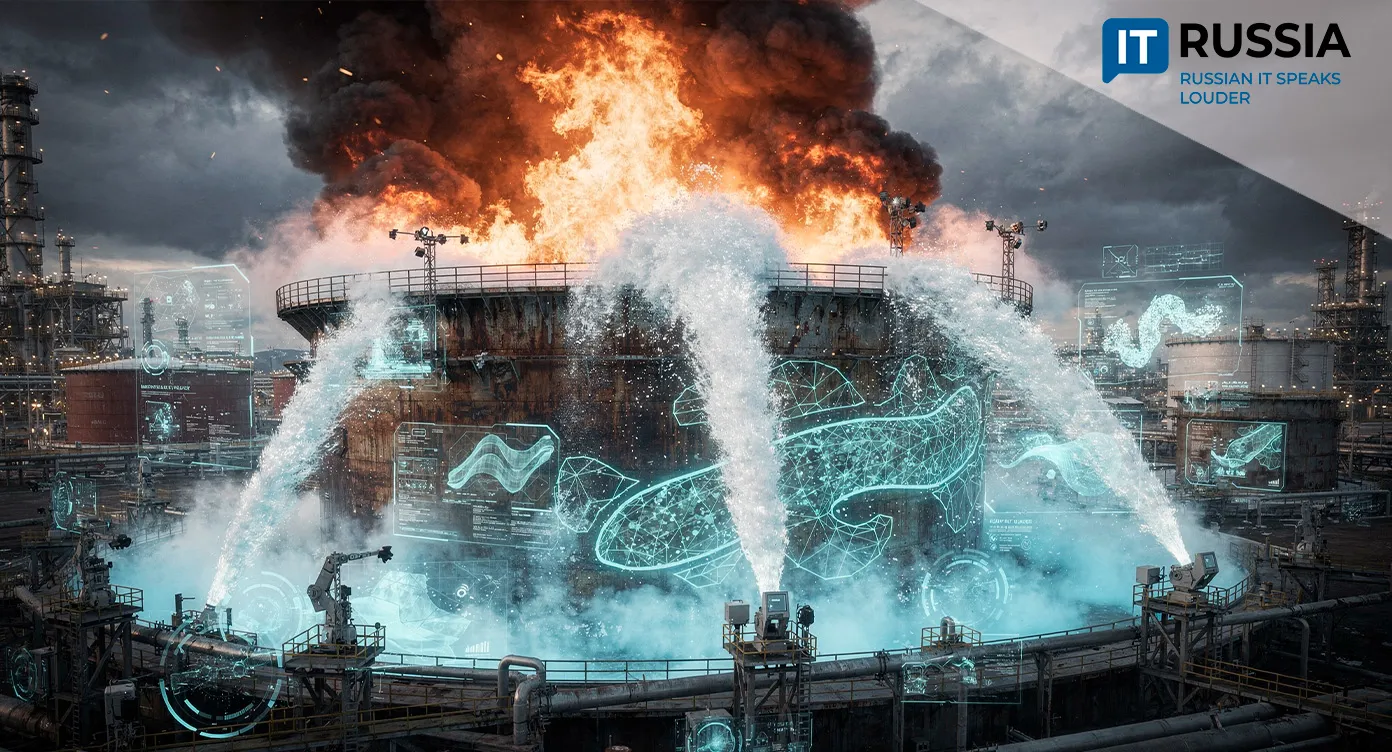
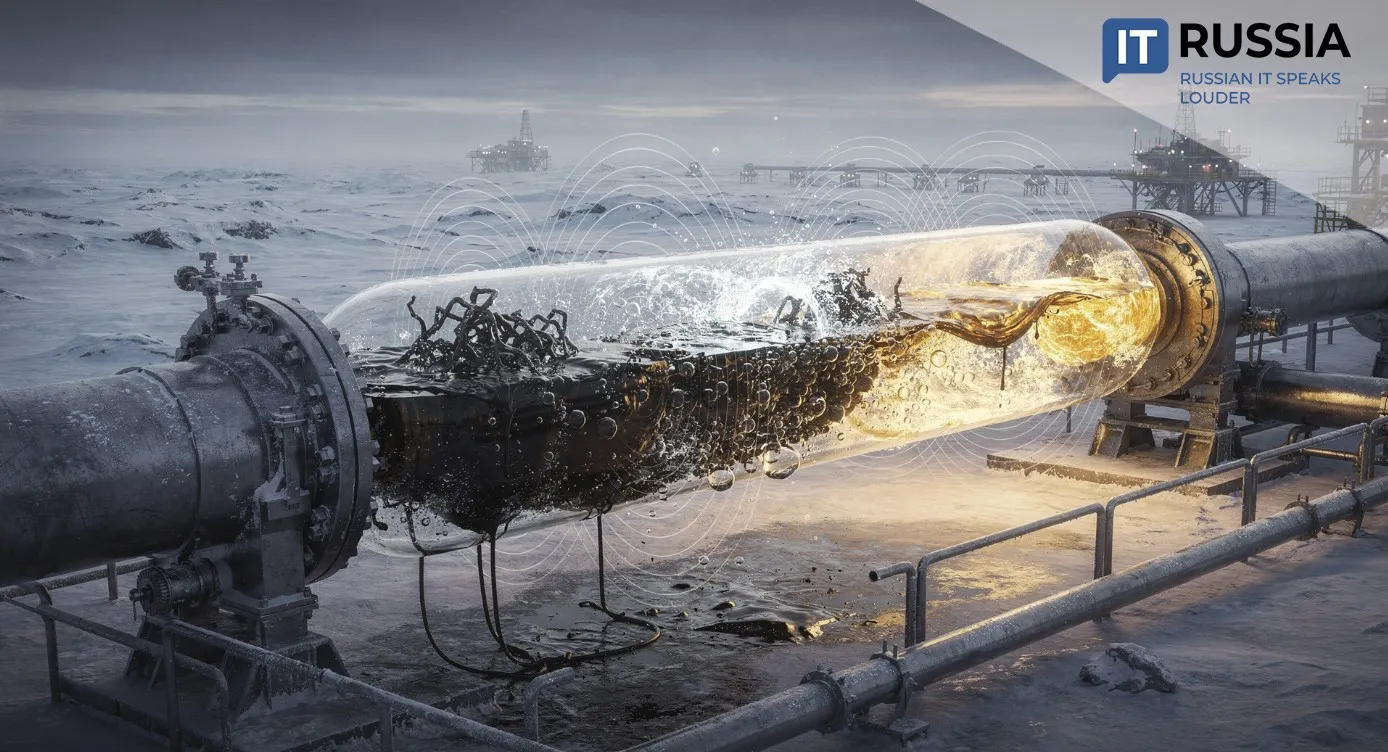
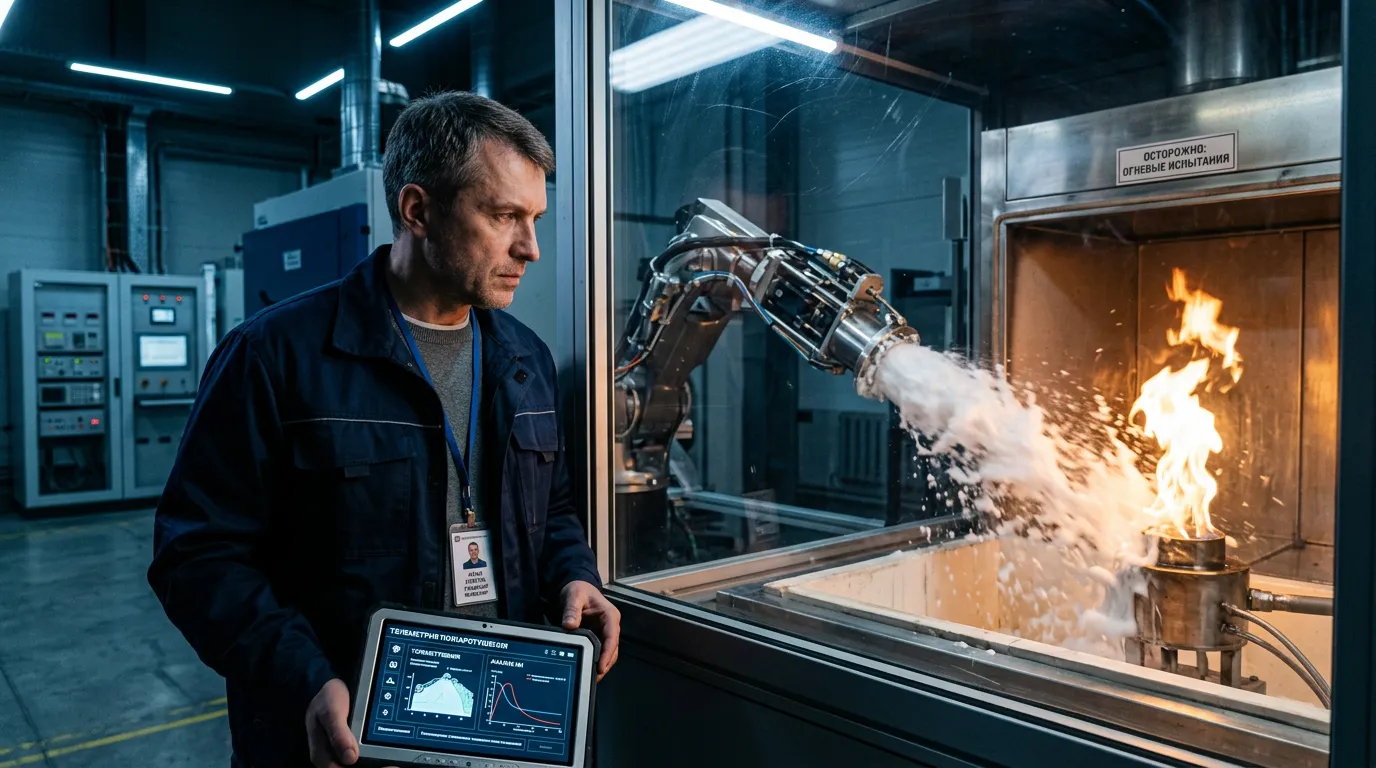
Bitumen fires are among the most difficult emergencies firefighters face. The burning viscous mass does more than burn – it boils, splashes, overheats storage tank walls and produces dense toxic smoke. At temperatures exceeding 1,000°C, steel tank walls undergo critical geometric deformation. Conventional firefighting methods often prove ineffective or require enormous resources. Yet, it seems, researchers at Tomsk Polytechnic University (TPU), working with the All-Russian Research Institute for Fire Protection of the Russian Emergencies Ministry (VNIIPO) and industrial partners, have found an effective solution by developing an automated technology for extinguishing burning bitumen.
Ice, Gas and Artificial Intelligence
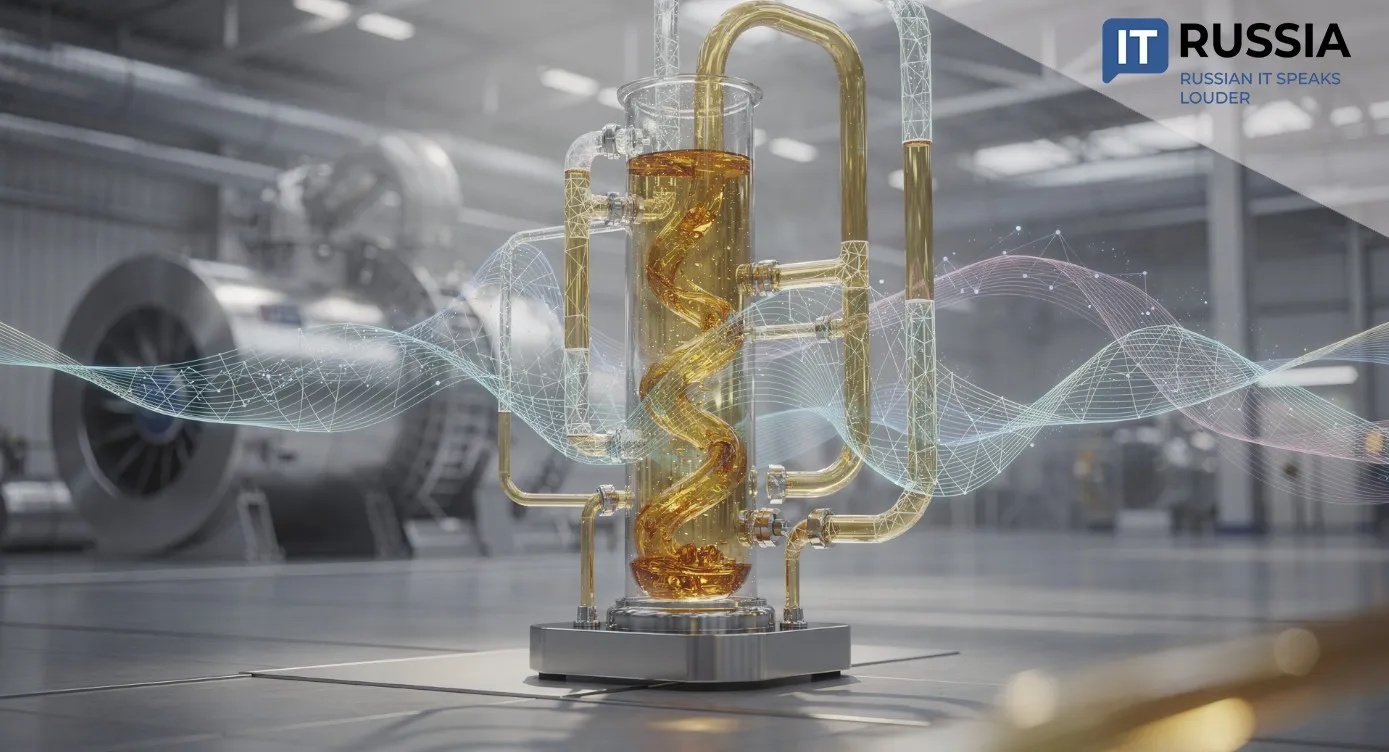
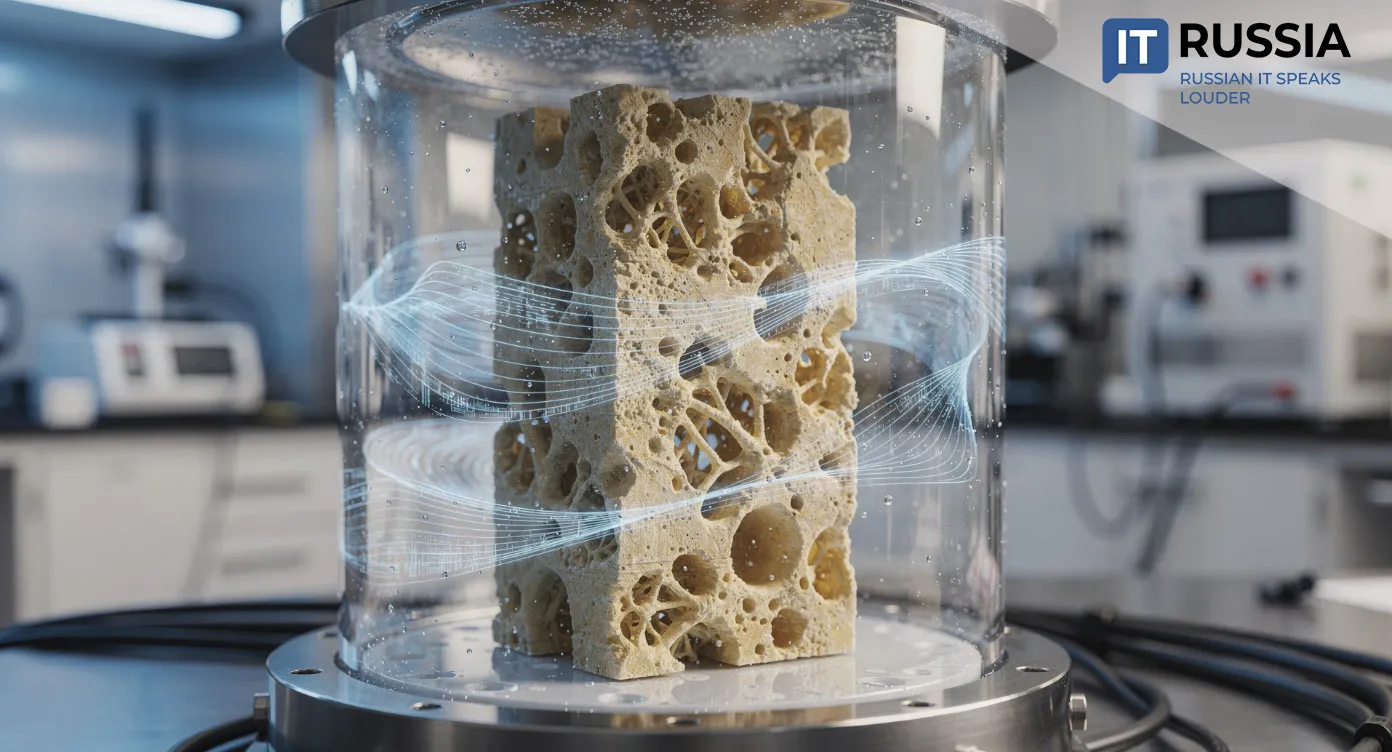
The technology is built around a firefighting agent based on artificial gas hydrates rather than conventional foam. When exposed to fire, the hydrates act like microscopic cold bombs, rapidly cooling the burning surface while displacing oxygen with inert gas.
The project's main innovation, however, lies in its digital component. An AI-powered intelligent system that combines thermal imagers, video cameras and sensors does more than detect a fire – it directly controls the suppression process. The developers introduced an adaptive pulse-delivery algorithm that applies foam in bursts lasting three to ten seconds with pauses between them. That approach cuts extinguishing-agent consumption by 20% while accelerating tank-wall cooling by 60%, significantly reducing the risk of boiling over and burning bitumen overflow.
From Laboratory Research to Industrial Scale
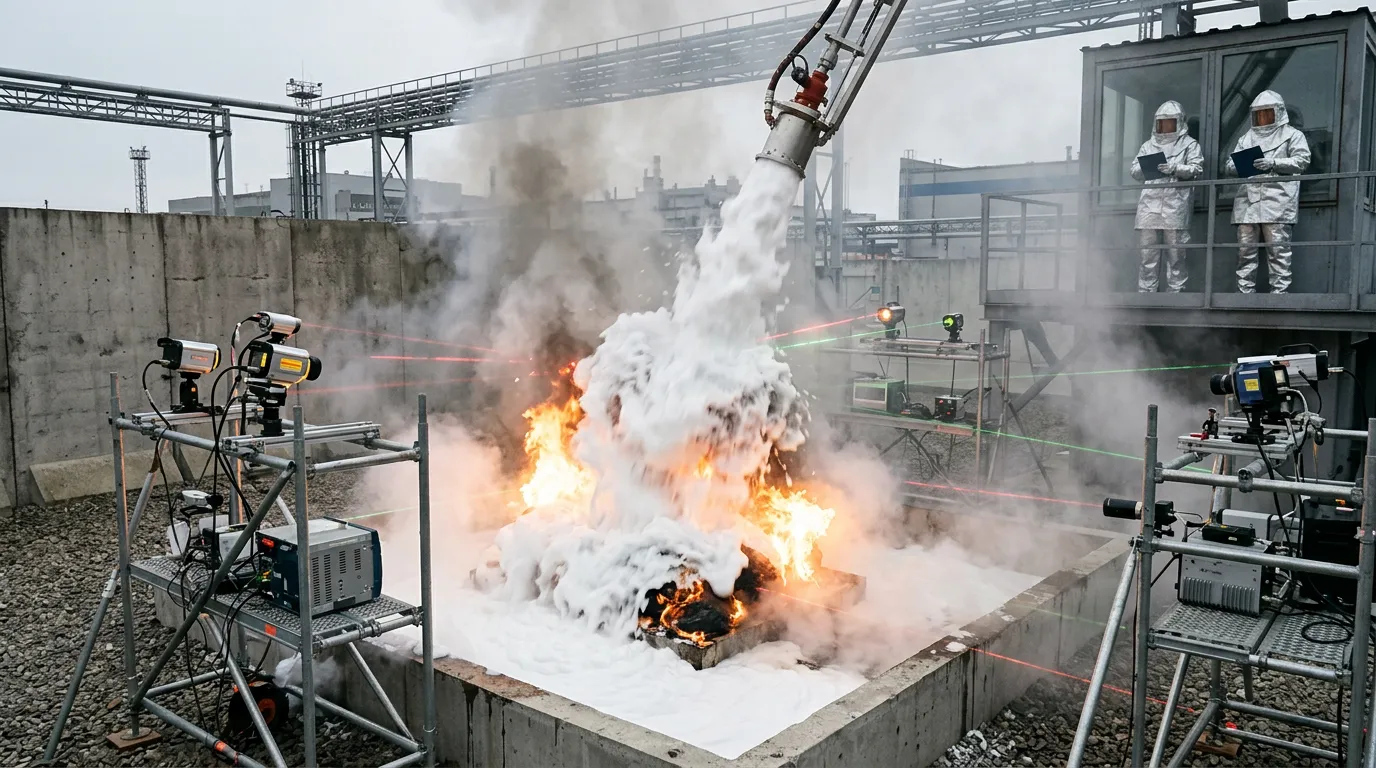
The breakthrough is the result of several years of work spanning both fundamental and applied research. In 2023, TPU researchers conducted hundreds of experiments on small-scale fires to study the basic properties of gas hydrates. By 2024, they had created a self-activating fire extinguisher.
The project reached a turning point in 2025, when TPU established a youth laboratory dedicated to gas hydrates and began targeted firefighting experiments involving petroleum products, reducing the process's energy consumption by 40%. In 2026, the team shifted its focus to scaling up the technology. The experimental fire area increased from one to 4.5 square meters, while complete extinguishment now takes between 75 and 330 seconds, about one-and-a-half times faster than current regulatory requirements. The next major milestone will be full-scale tests on industrial storage tanks with liquid surface areas of up to 314 square meters.
New Industry Standards and Export Potential
The significance of the project extends well beyond academic research. TPU and VNIIPO are preparing Russia's first dedicated regulations for extinguishing bitumen fires. Until now, no specialized standards have existed for this type of incident.
For the public, that translates into tangible safety benefits by reducing the risk of toxic emissions and large-scale evacuations near oil depots and refineries. For industry, it means preserving millions of liters of petroleum products. Another promising application involves upgrading existing automatic fire suppression systems at industrial facilities by adding an intelligent control module without replacing the underlying infrastructure.
The technology also has considerable international potential. The integrated engineering solution – from the chemical formulation to the software platform – could find demand in the Middle East, Asia and Latin America, where ports and oil refining facilities are being built at a rapid pace.
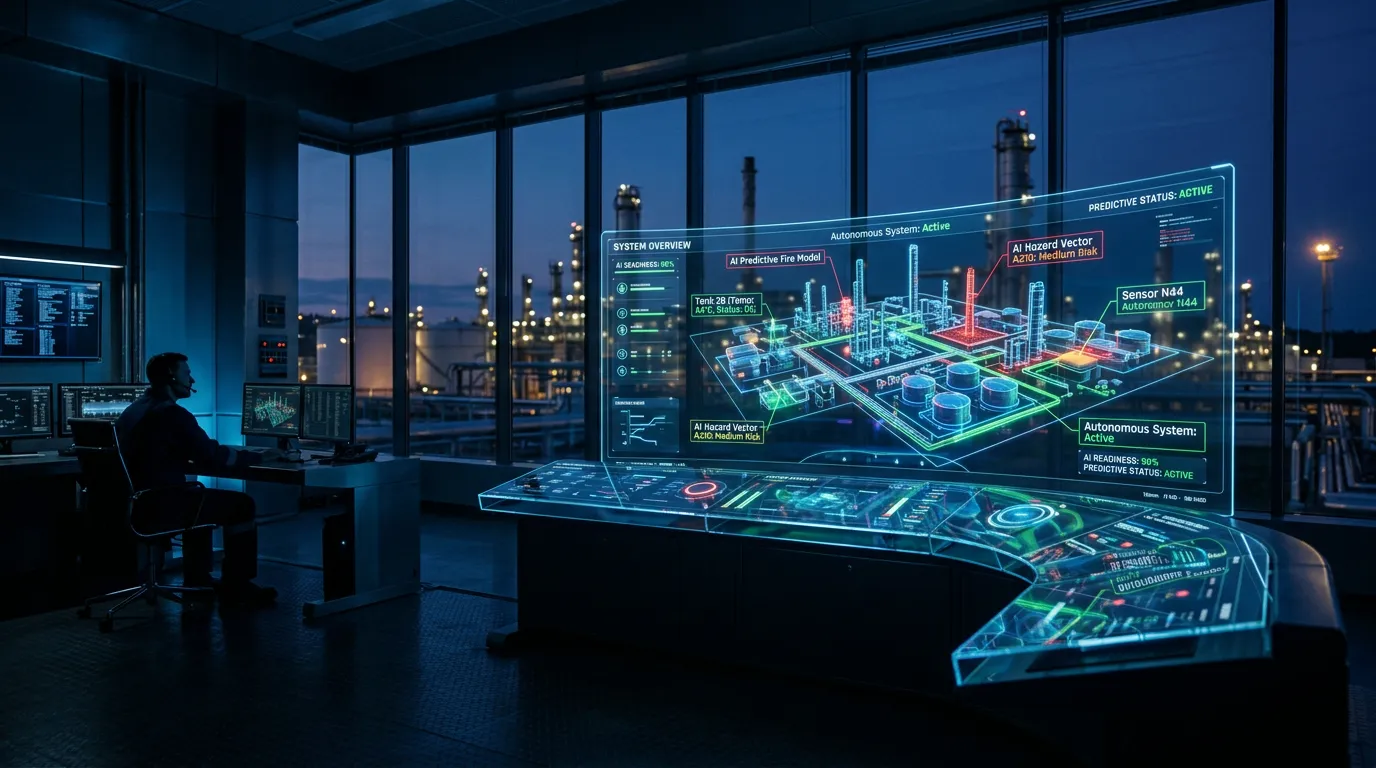
The TPU project illustrates how Russia's industrial digital technologies are evolving from passive monitoring to active intervention. Looking ahead, fully autonomous safety systems could classify spill types, select the appropriate response strategy and suppress fires at their earliest stages without human intervention. Science is no longer limited to detecting hazards – it is beginning to place them under intelligent, automated control.