Fueling the Future With AI and Used Cooking Oil: TPU Builds Russia's First End-to-End Alternative Fuel Platform
Researchers at Tomsk Polytechnic University (TPU) have built Russia's first multi-stage platform that brings together every step required to develop, test, and manufacture multiple types of alternative fuels. The next phase of the project will incorporate digital twins and neural networks to further optimize fuel development.
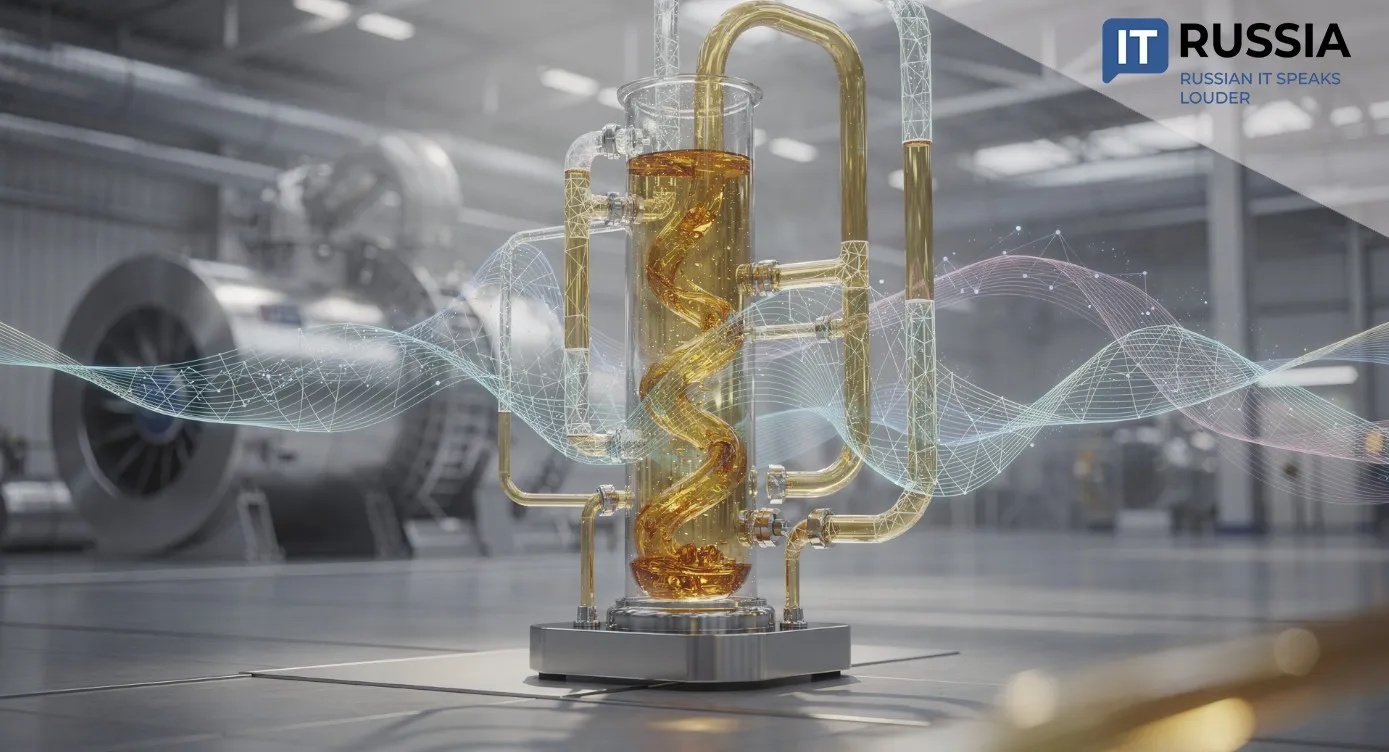
The new platform developed at TPU covers the entire technological chain, from selecting raw materials and synthesizing laboratory samples to manufacturing finished fuel and conducting full-scale performance testing. Fuel can be produced from virtually any biological feedstock, including vegetable oils, used cooking oils, and biomass, as well as from low-grade coal, plastics, municipal waste, and industrial waste.
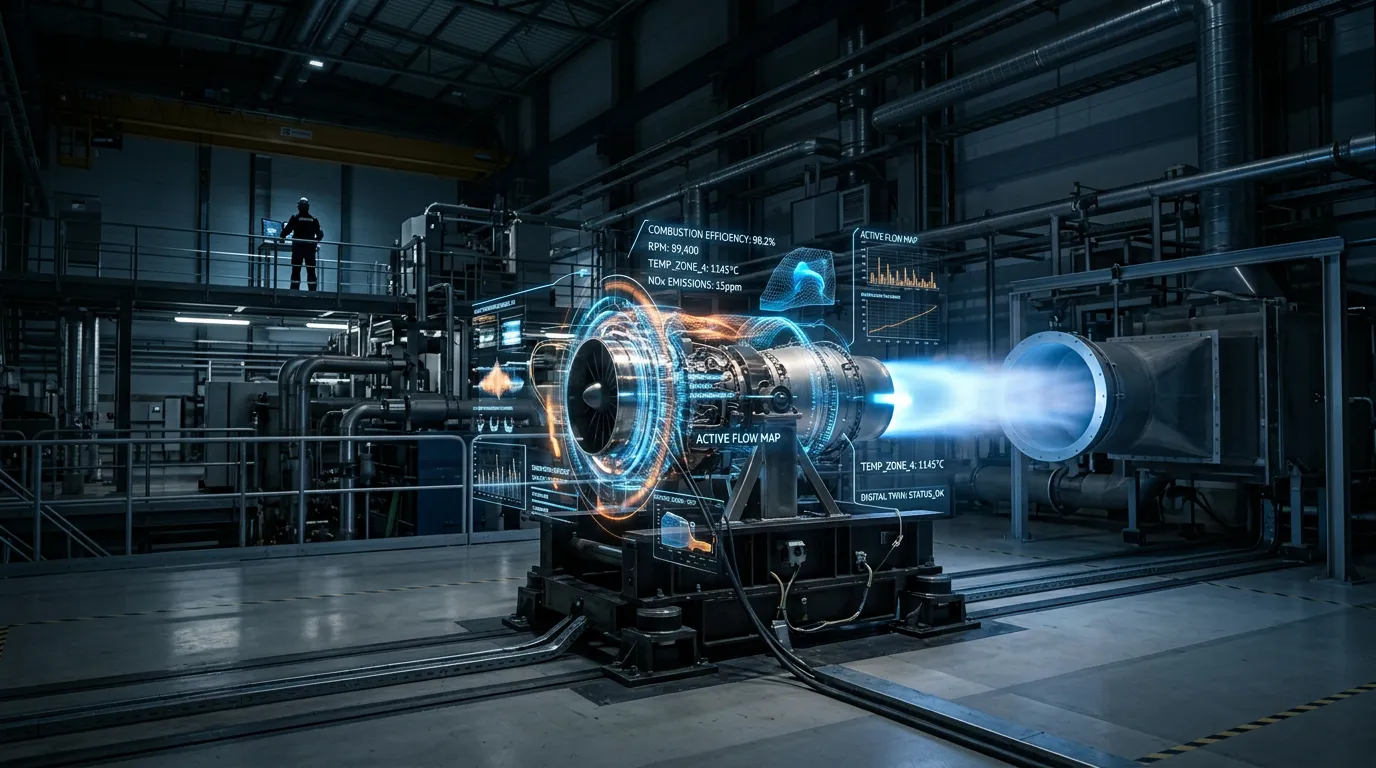
Specialized intelligent systems optimize the fuel production process. Researchers analyze the resulting fuel samples, while the most promising formulations move on to testing at full-scale experimental facilities. TPU researchers are now creating digital twins of different engine systems and developing neural network algorithms that will determine the optimal operating conditions for various fuel formulations, further advancing the technology.
The project is supported through the federal Prioritet-2030 (Priority-2030) program under the national project Molodezh i deti (Youth and Children), as well as the federal Advanced Engineering Schools program. For Russia's IT sector, it demonstrates how artificial intelligence can support scientific research while delivering measurable industrial benefits for both the energy sector and engine engineering. More broadly, technologies like these could help reduce harmful emissions while turning a wide range of biological waste streams into useful energy resources.
New Fuel for Distributed Energy Systems
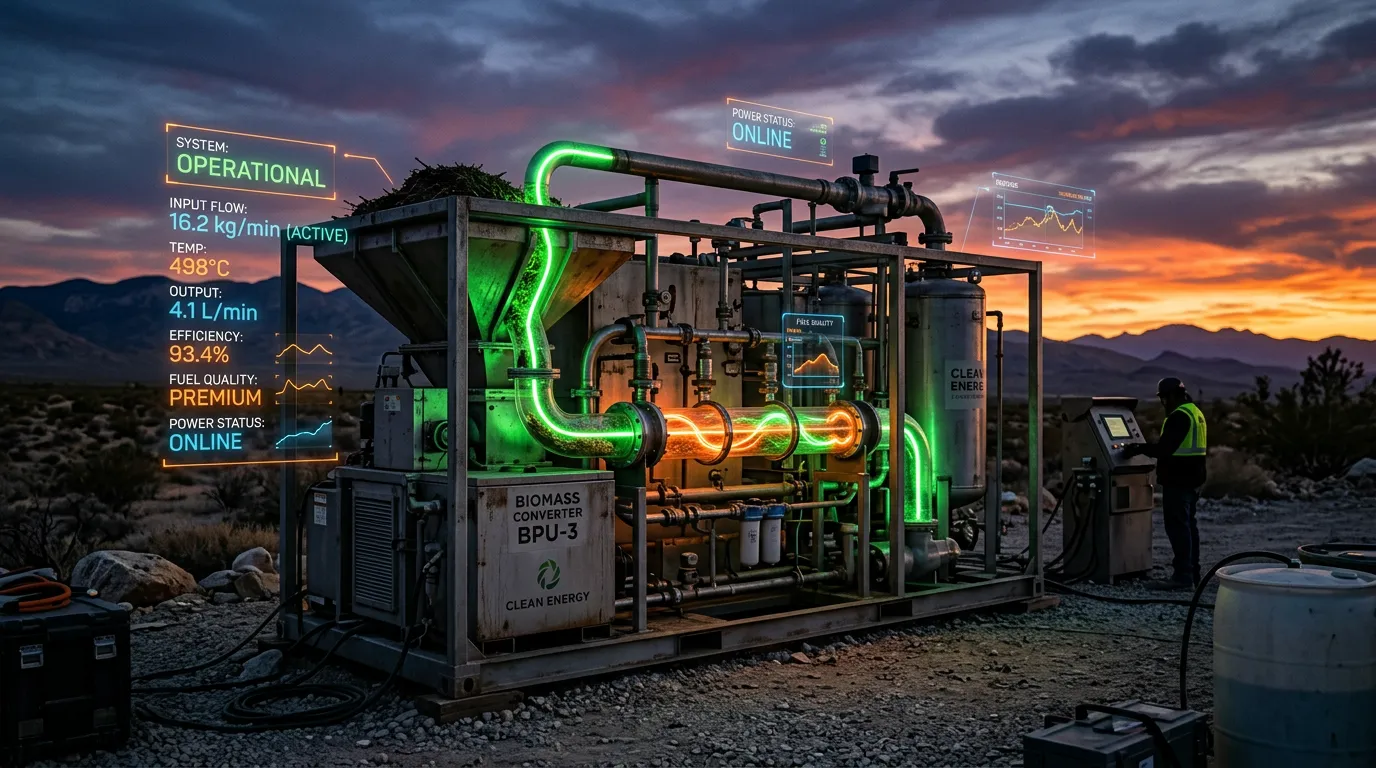
The research team's next objective is to move beyond laboratory and test-bench evaluations toward long-term operational testing of the new blended fuel formulations. In the longer term, these biofuels are not expected to replace conventional fuels entirely. Instead, they could support distributed production facilities located where suitable waste streams and nearby consumers already exist. That approach is particularly relevant for small gas turbine units and autonomous generators supplying electricity to remote facilities. The flexibility of TPU's technology also makes it possible to tailor fuel formulations to locally available feedstocks using the university's intelligent optimization system.
The technology developed at TPU could find applications not only across Russia but also internationally. Markets in the CIS, Asia, Africa, and the Middle East face similar demand for biofuels produced from diverse waste materials.

A Timeline of Breakthroughs
The creation of this multi-stage platform for alternative fuel production and testing reflects years of coordinated work across several TPU research divisions. Scientists from the Research School of High-Energy Physics Processes, the Engineering School of Energy, the Engineering School of Natural Resources, and several other research teams all contributed to the project.
In 2022, TPU researchers developed mathematical models describing how droplets of alternative fuels behave inside aircraft engine combustion chambers. In 2023, they produced their first fuel samples from camelina oil, rapeseed oil, tall oil, and used cooking fats. Work on the intelligent production optimization system also began that year.
A pilot-scale processing unit capable of converting waste materials and low-grade feedstocks entered operation in 2024. In 2025, TPU's alternative fuel formulation received a patent from Rospatent. By 2026, all of these individual components had been integrated into a single technological platform.
The Next Step Is Industrial Deployment
The launch of a full-cycle development and testing platform at TPU marks a significant step from laboratory research toward industrial deployment. Digital twins and neural network algorithms are expected to dramatically accelerate the adaptation of different fuel formulations for use in specific engine systems.
Over the next several years, TPU researchers plan to complete certification of the technology, establish partnerships with industrial companies, and identify commercial customers before moving to full-scale market deployment.