Sechenov University to Develop Electrodes for Connecting Prosthetics to Human Nerves
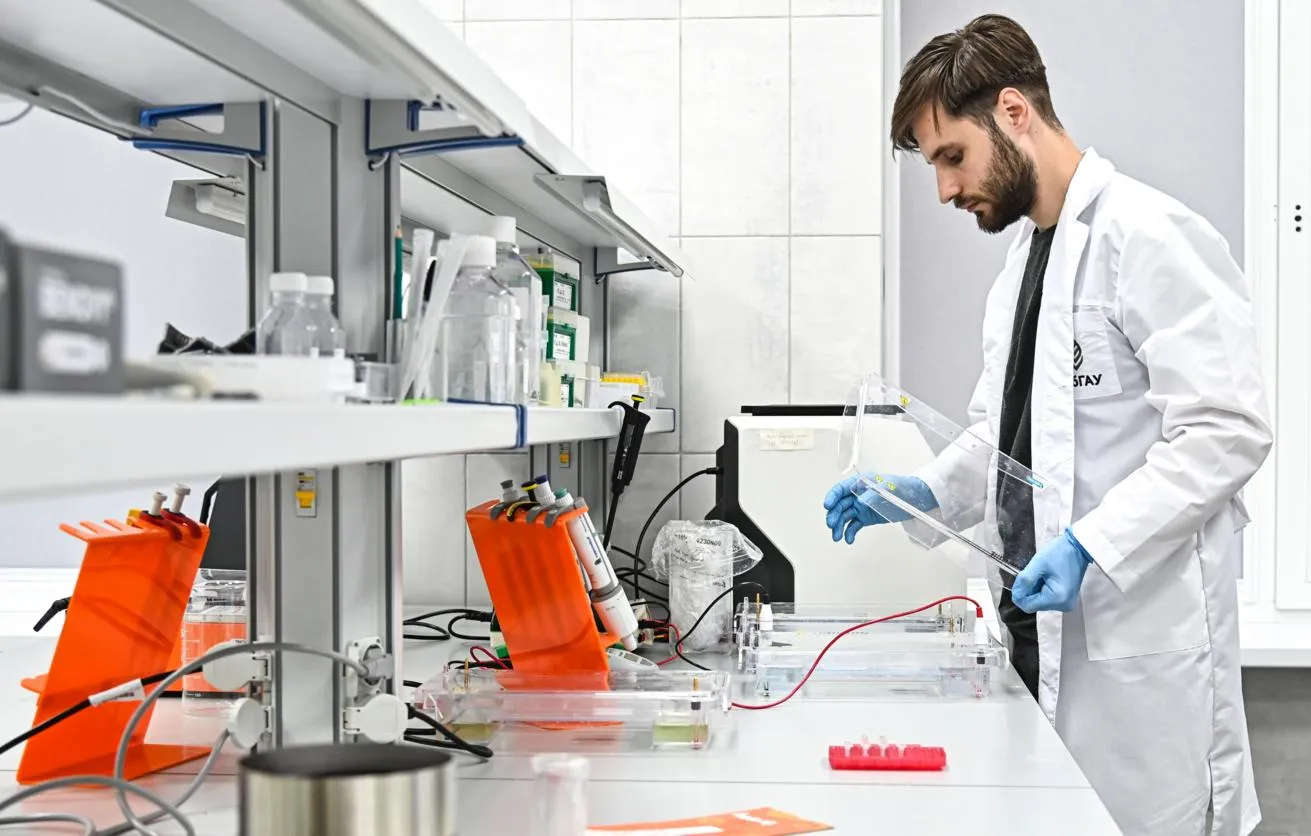
Sechenov University has joined an interdisciplinary project focused on developing limb-prosthetics technologies with direct connections to the human nervous system. The initiative is being carried out under a competition organized by the Russian Science Foundation and supported by Gazprombank. The project brings together four research teams, each responsible for a separate technological component of the future system.
The initiative aims to create a comprehensive exoprosthetics ecosystem – from the neural interface itself to power supplies and control systems. In addition to Sechenov University, the project includes the National Research University of Electronic Technology (MIET), the Moscow Institute of Physics and Technology, and Motorica Orto.
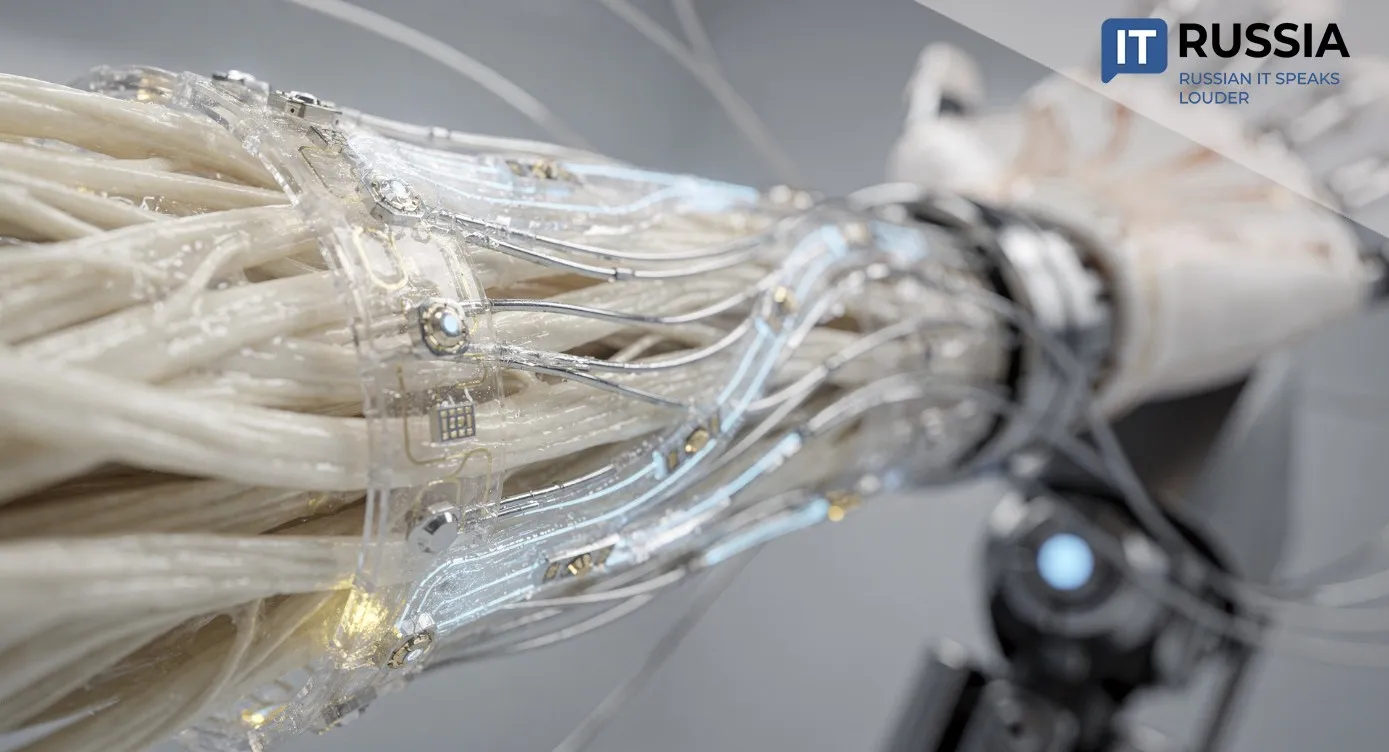
Sechenov University is responsible for developing thin-film elastic electrode matrices – a key element that enables communication between the human nervous system and a prosthetic device. These structures are implanted onto peripheral nerves and can record and transmit electrical activity.
The electrodes under development are flexible multi-channel structures capable of wrapping around nerve fibers. This architecture makes it possible to read signals more accurately and distinguish between them – for example, when controlling individual fingers of a prosthetic hand.
Unlike existing systems, where users often need retraining and must rely on unfamiliar muscle signals, capturing signals directly from peripheral nerves could make interaction with prosthetics feel much more natural for patients.
The project is designed to run for three years. During that period, the participants aim to move from laboratory samples to an experimental prototype ready for further testing and potential deployment.
In the long term, technologies like these could significantly expand the functional capabilities of modern prosthetics and make them more intuitive for patients to use. At the current stage, the primary challenge remains building a reliable and reproducible interface between the nervous system and the device – one that can later be scaled and adapted for different clinical applications.