Students at SPbPU Propose Advanced Solutions for Future Nuclear Power Plants
A roundtable dedicated to the use of advanced technologies in nuclear energy was held at Peter the Great St. Petersburg Polytechnic University (SPbPU).
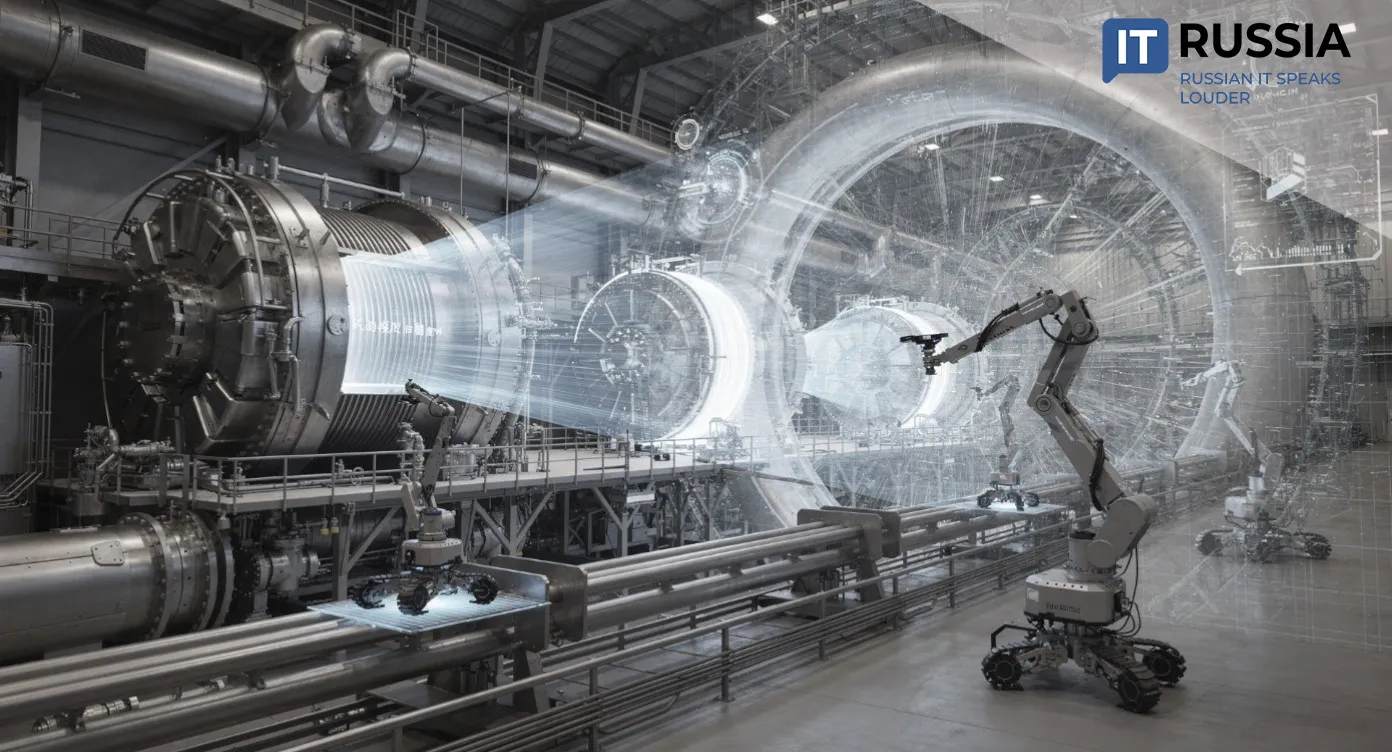
The event brought together specialists from Kontsern Rosenergoatom and experts from operating and under-construction nuclear facilities. Students presented projects that apply modern technologies to improve the safety and reliability of nuclear power plants.
Defect Detection and Failure Prediction
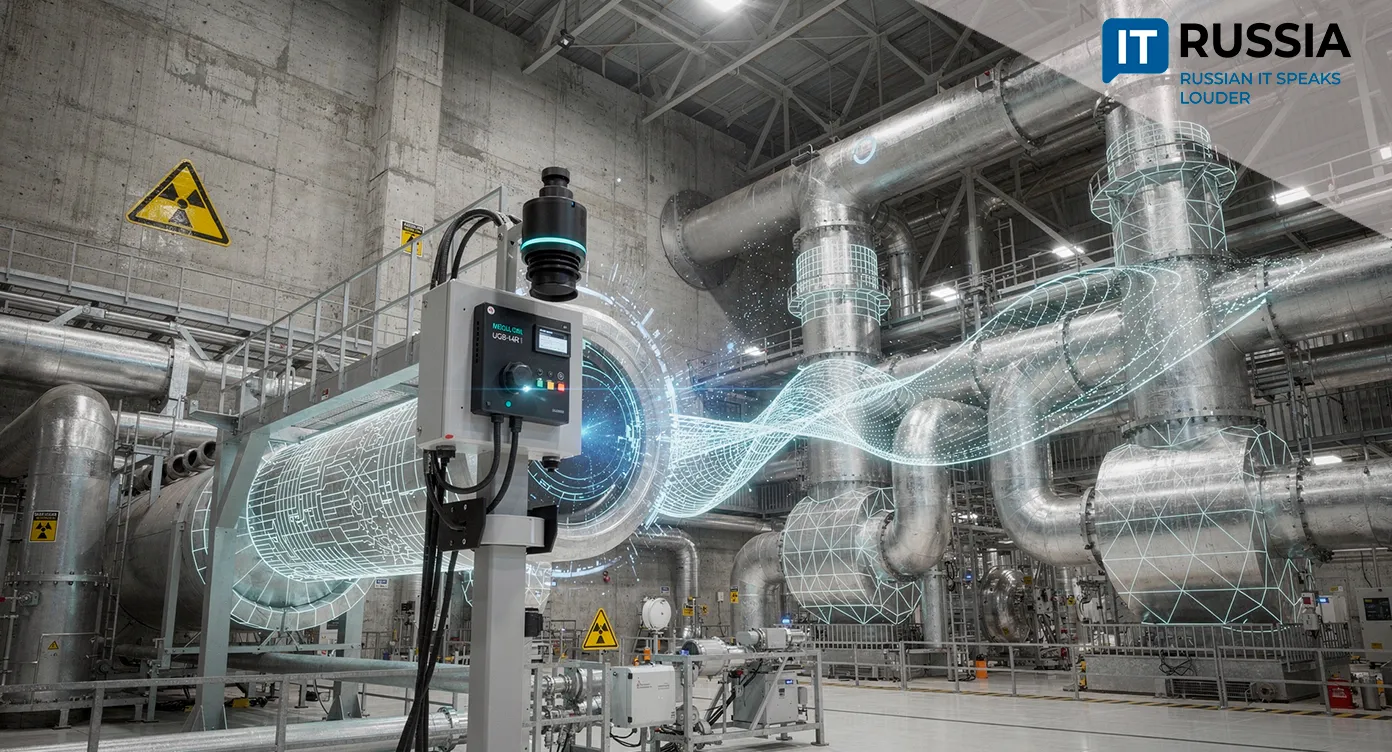
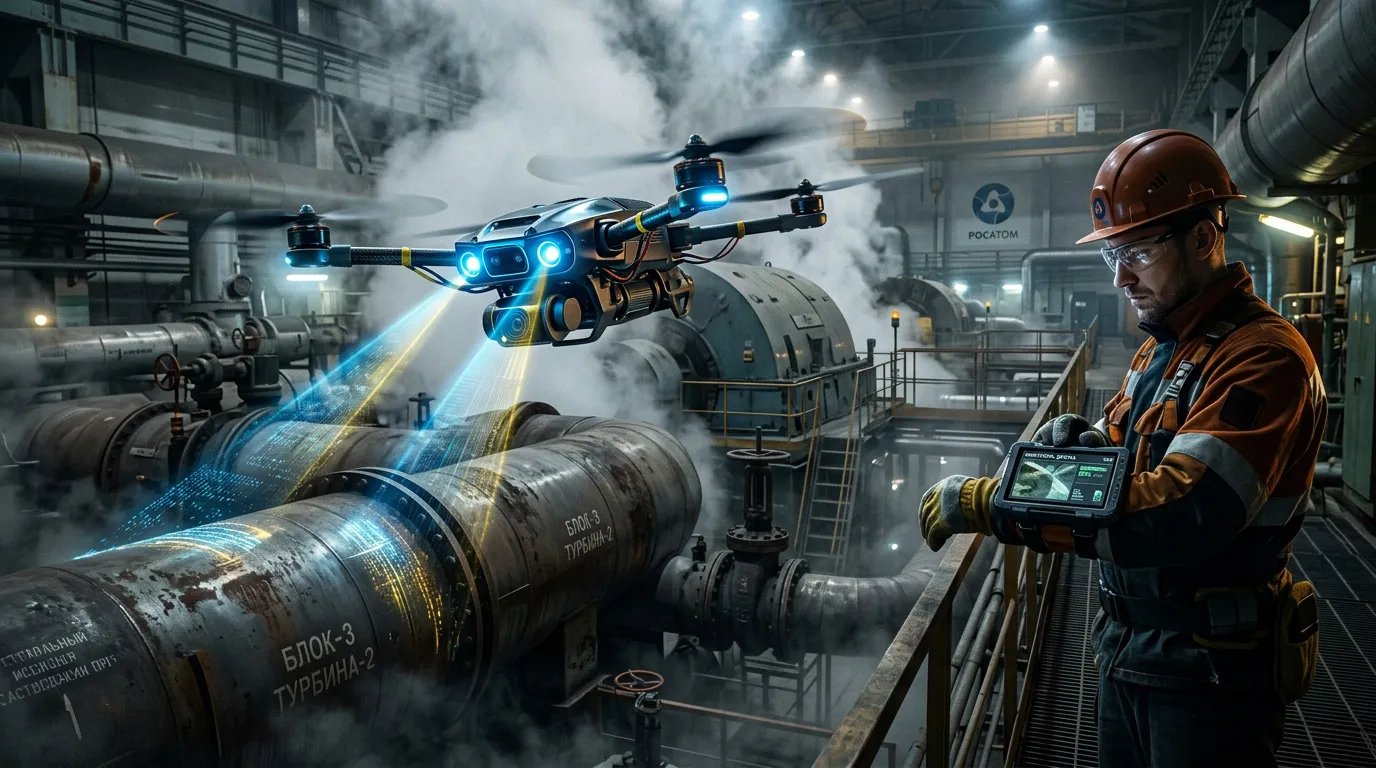
One of the most notable projects focused on using neural networks for quality control of equipment at nuclear power plants. Students developed algorithms capable of detecting hidden defects in metal and welded joints – including those not visible to the human eye. In practice, this approach reduces reliance on manual inspection and helps limit human-factor risks in quality assurance.
Another student team focused on integrating predictive maintenance, artificial intelligence, and robotics. Their system analyzes sensor data, predicts equipment wear, and recommends actions to prevent failures before they occur. This matters most for complex systems, where unexpected equipment failure can lead to extended downtime of a power unit.
Safety as a Priority
Safety considerations formed the core of another study. Students proposed using machine learning to analyze large volumes of data from plant monitoring systems. The algorithms support operators in identifying deviations from normal conditions more quickly, detecting potential threats, and making decisions under high workload conditions.
Significant attention was also given to adapting established engineering models to current operational requirements. One project demonstrated how neural networks can be used to refine operating maps in the RELAP5/MOD2 software package, which is used to simulate accident scenarios at nuclear power plants. This could improve calculation accuracy and support the design of safety systems.
Another project explored the development of a high-strength composite material using energy from nuclear power plants. The nuclear sector can act not only as a consumer but also as a source of innovation in related fields such as materials science, chemistry, and industrial manufacturing. Such approaches open pathways for developing new structural materials capable of operating under extreme conditions.
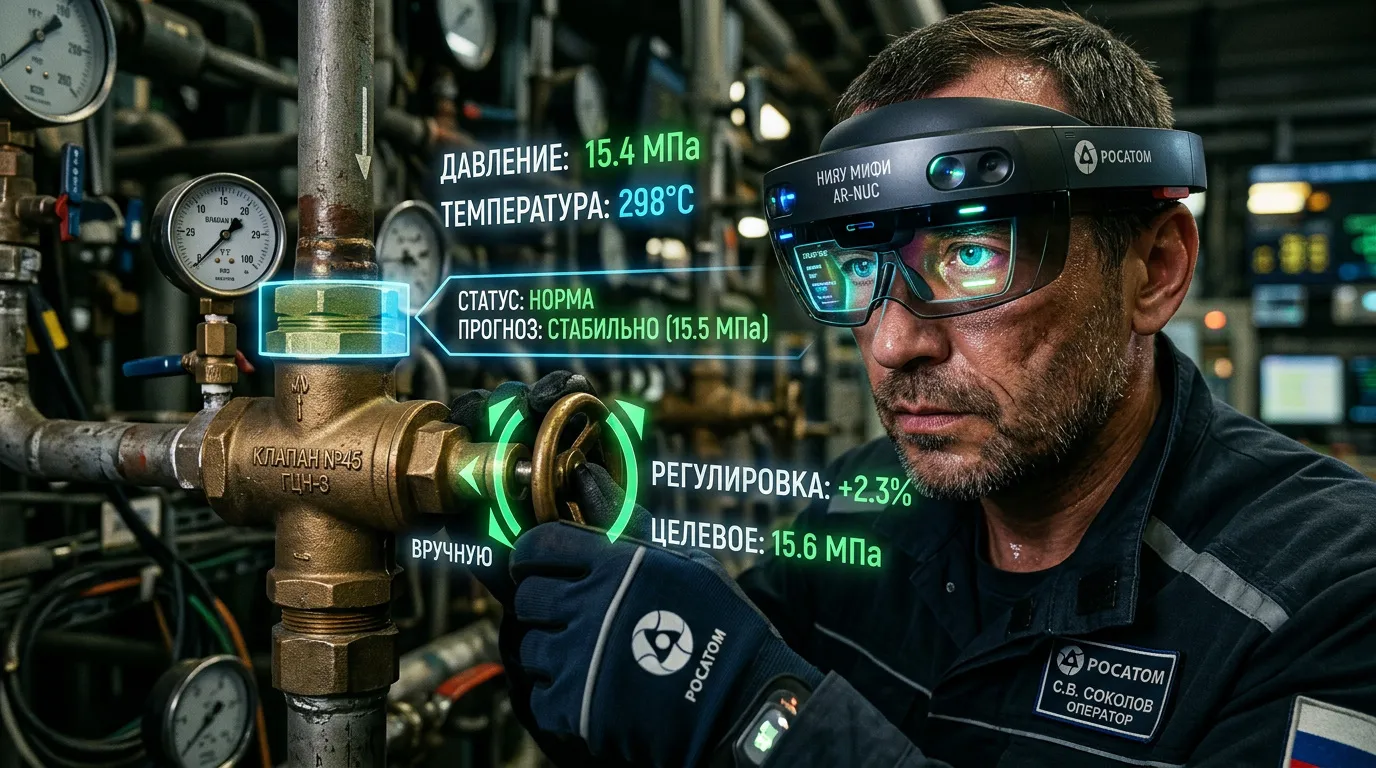
Student initiatives at SPbPU align directly with the updated Unified Digital Strategy of Rosatom through 2027, which calls for a significant expansion of AI-driven projects. The strategy prioritizes the development of industrial AI to improve the reliability and efficiency of critical infrastructure. The proposed solutions can be used as modular approaches that align with current industry priorities.
From Student Concepts to Deployment
Representatives of nuclear industry enterprises, including PATES and Kursk NPP-2, took part in the discussion. The projects presented correspond to real industry requirements. For example, Kursk NPP-2 already includes an operator support system that uses artificial intelligence technologies.
The event marked another step in implementing the cooperation roadmap between SPbPU and Rosenergoatom. For students, such platforms provide an opportunity to move from theory to practical problem-solving, while for the industry they serve as a source of new ideas and future specialists.
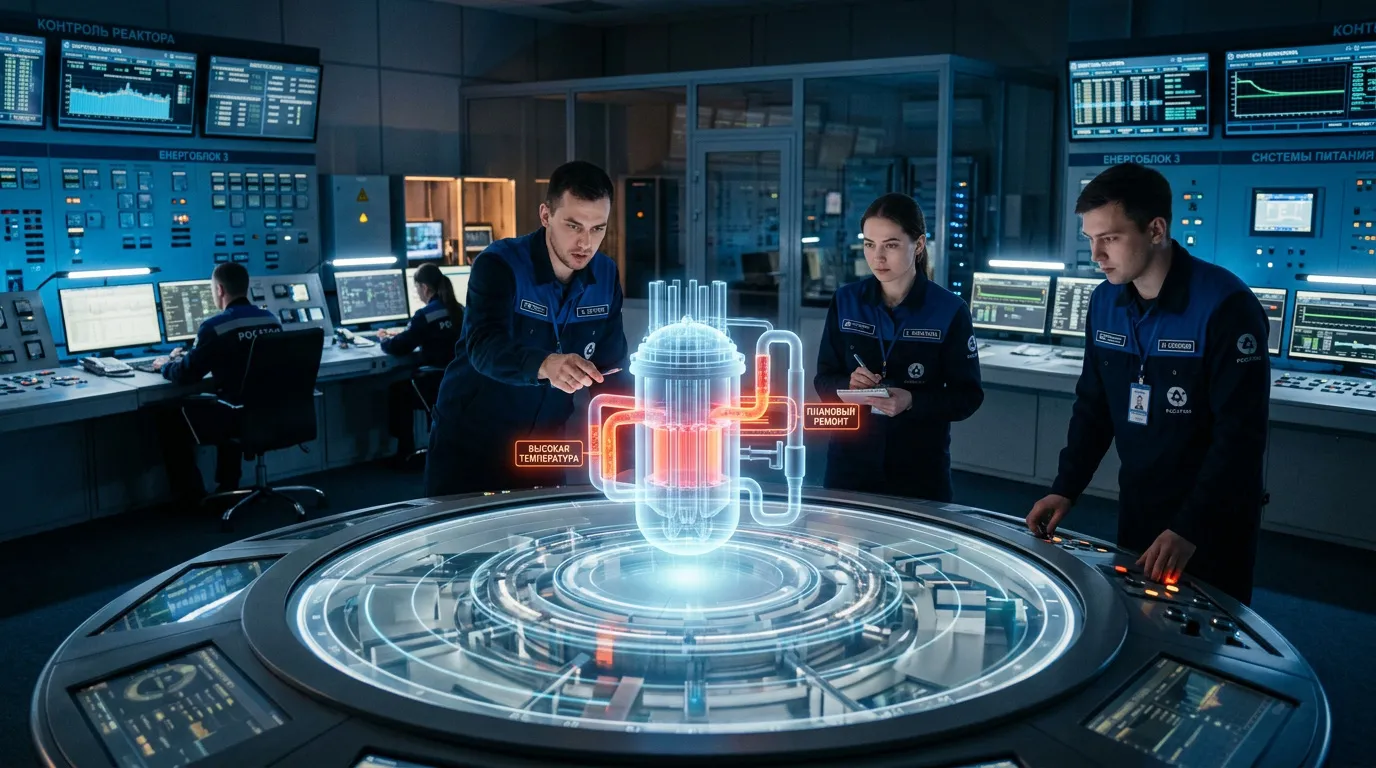
Artificial intelligence in nuclear energy is moving beyond the conceptual stage. It is already contributing to making nuclear power plants safer, more reliable, and more efficient.