

Three Clicks to a Doctor: Digital Medical Cabinet Launchs in MAX Messenger
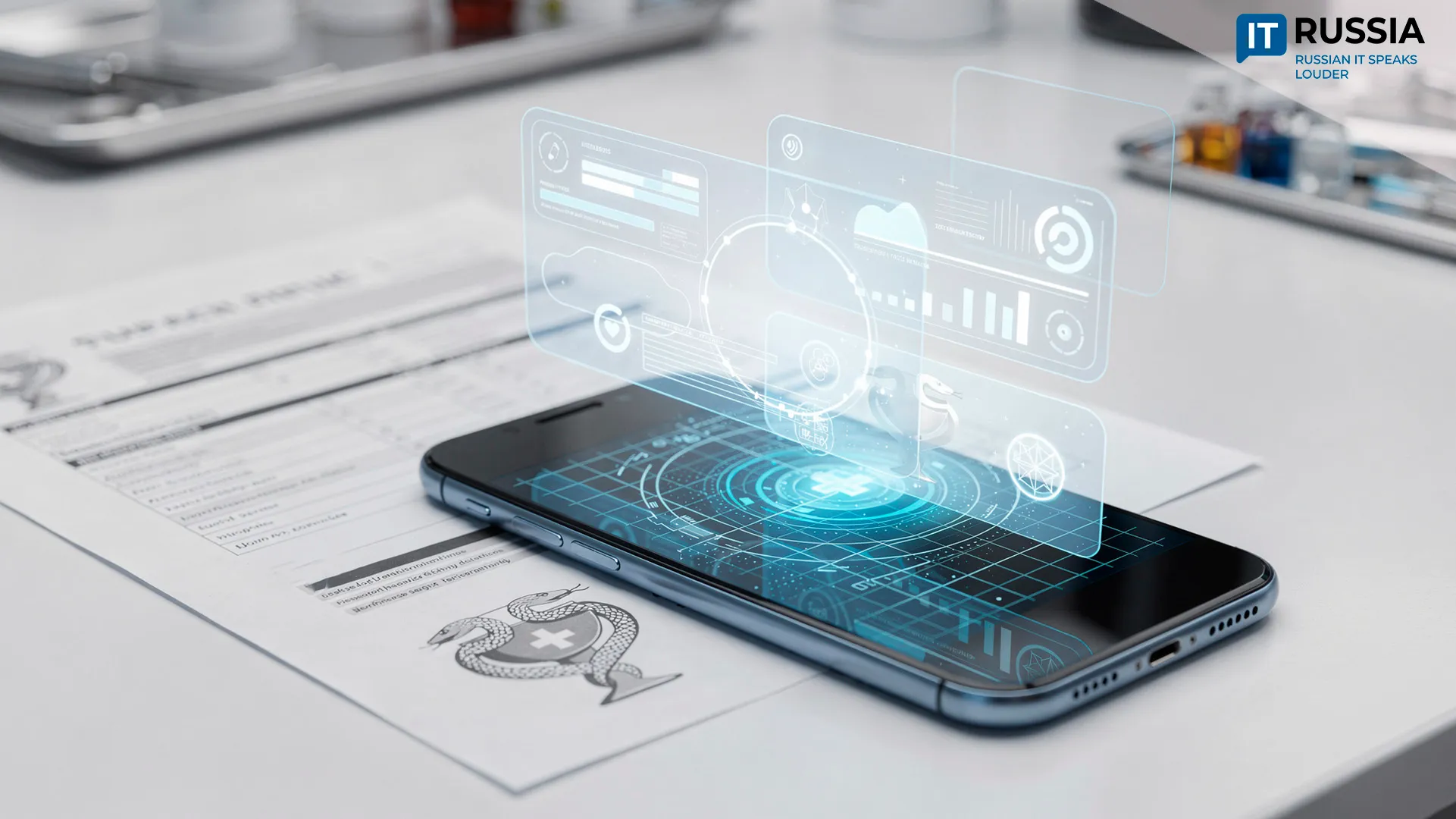
The “Medical Personal Patient Account” (Meditsinskiy lichnyy kabinet patsienta, MLK) service is now available through a chatbot assistant in the national MAX messenger. Through the bot, residents can sign in with a verified Gosuslugi account and access essential healthcare services.
Imagine opening the same app you use to message colleagues and friends and, within a few taps, booking a doctor’s appointment, receiving lab results or ordering a subsidized prescription. For residents of the Murmansk region, this is already a reality. A chatbot called “Medical Personal Patient Account,” developed by Spargo Technologies, has recently been launched inside the MAX messenger.
What can users do with the bot?
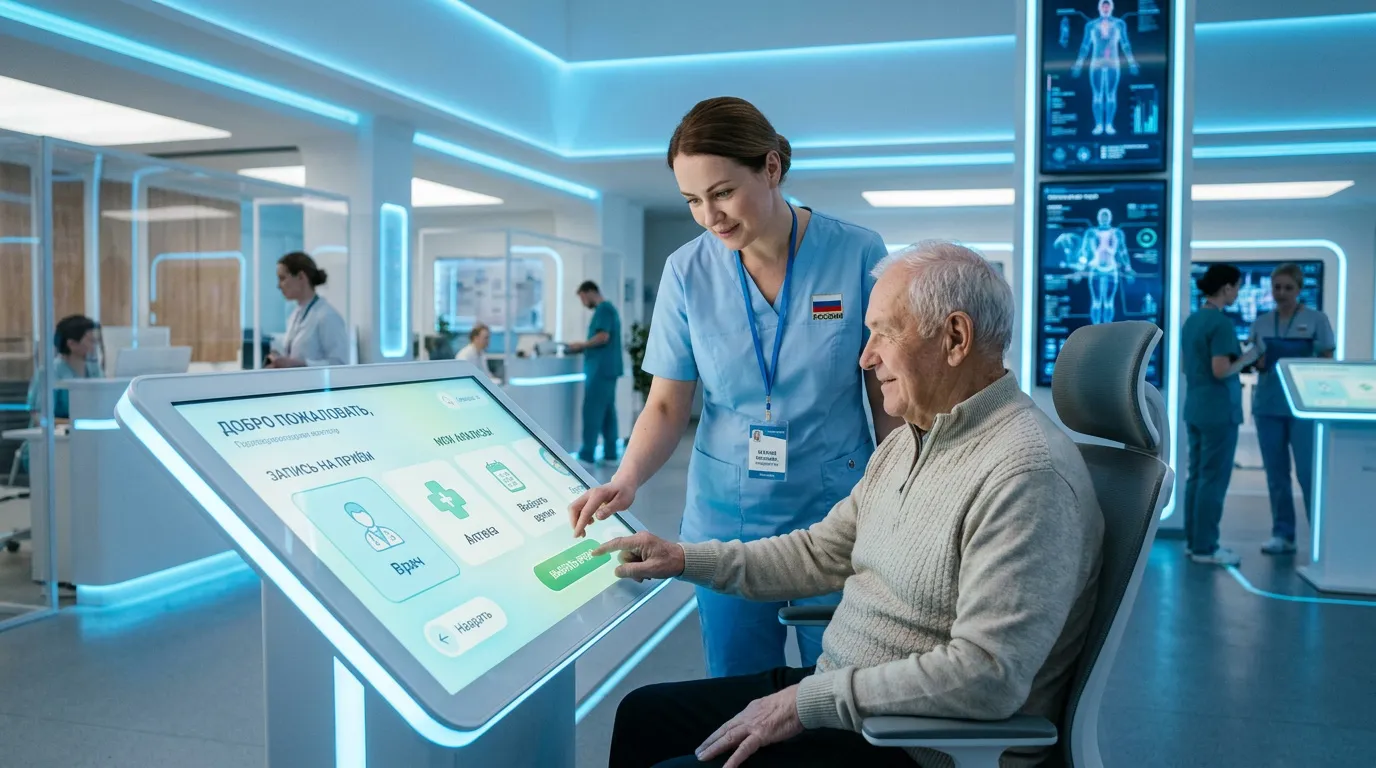
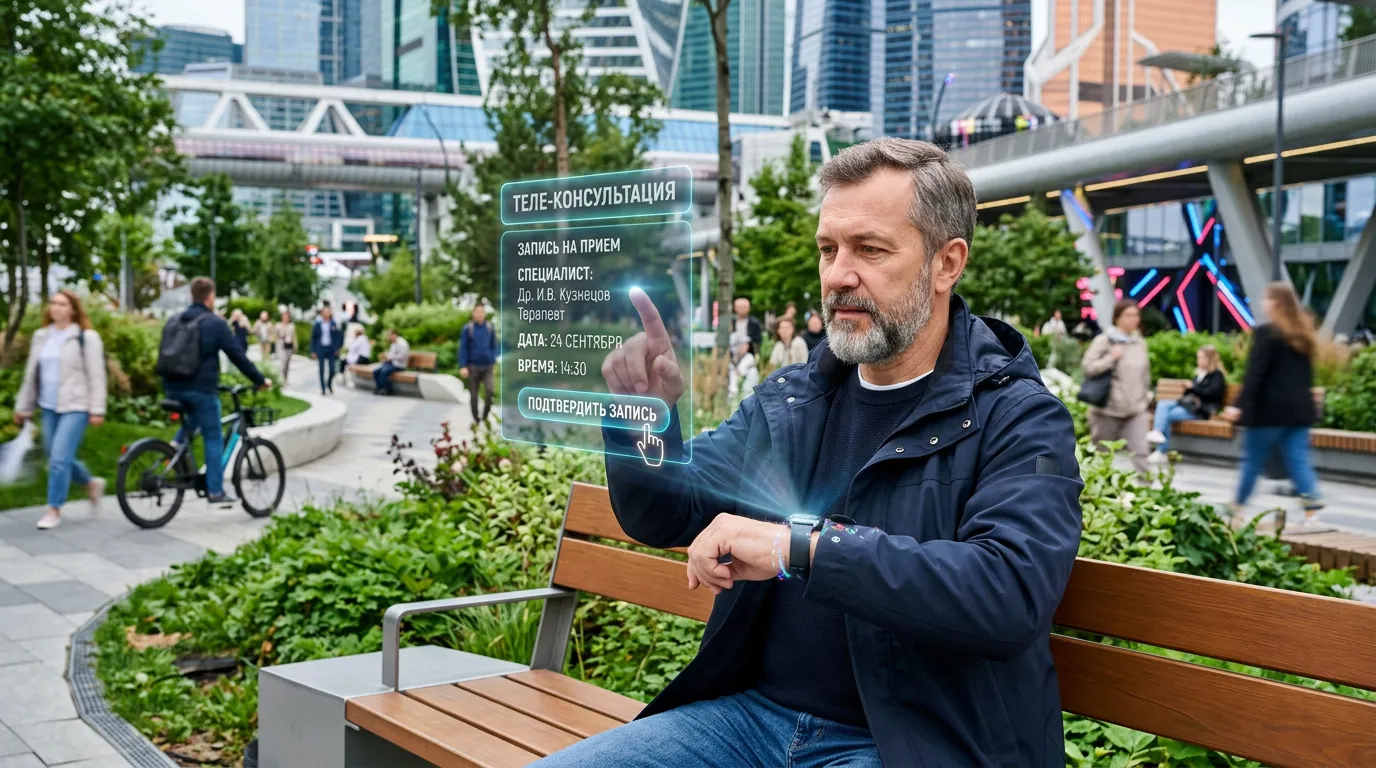
Users can authenticate via Gosuslugi and immediately access core healthcare services. They can book appointments for themselves or for children under 14, participate in doctor-patient telemedicine consultations, and access their electronic health record, which includes visits, lab tests and diagnostic results. The bot also allows users to request subsidized prescriptions or more than 20 types of medical certificates, complete questionnaires and submit requests to clinics. All of these functions are available in a single interface without switching between different websites or apps.
The chatbot has already been verified within MAX and is fully operational. It can be accessed via a direct link in the messenger, through the “News” section of the regional MLK service or via a QR code. No additional installation is required – users only need a Gosuslugi account and the MAX messenger installed.
Regional Digital Infrastructure
Such a service does not emerge overnight. It reflects several years of systematic development that began well before integration with MAX. In 2022–2023, Spargo Technologies started deploying the Medical Personal Patient Account as a regional digital infrastructure layer – a system that connects patients with healthcare providers. From the outset, it was designed not just a front-end interface but as a fully functional operational tool.
In the Arkhangelsk region, more than 400,000 electronic prescriptions were issued through MLK in autumn 2023. Patients could book appointments or telemedicine consultations directly from their accounts. By the end of 2024, the company focused on expanding remote services to reduce the number of in-person clinic visits. Patients began ordering certificates, checking test results and getting prescriptions without taking time off work or waiting in line.
What Does This Mean for Russia and Its Citizens?
For Russia, such services translate into a gradual but consistent reduction in the burden on primary healthcare. Reception desks, call centers and help lines are freed from routine inquiries and can focus on more complex tasks. For regions, especially remote ones, it also improves access. Residents of small settlements no longer need to travel dozens of kilometers just to check test results or renew prescriptions.
For patients, the benefits are easy to see. They save time, manage their health with less administrative friction and receive reminders about appointments directly through the bot. Their entire medical history is stored in one place – not in a separate app that can be deleted or forgotten, but within a familiar messaging environment. The chat-based interface is intuitive even for users with limited digital experience.
Looking Beyond National Borders
Solutions of this kind could be exported. Electronic prescription systems, telemedicine services and patient portals are ready-to-deploy digital products that are in demand globally. This is especially true in countries where public healthcare is going digital and facing similar challenges – long queues, lost paperwork and inefficient appointment scheduling.
Russian solutions in this domain are competitive. They have been tested across regions with varying infrastructure, integrated with Gosuslugi and mandatory health insurance systems, and designed to meet strict data protection requirements. Markets in BRICS countries, the Middle East and Southeast Asia are likely adoption markets.
Future Outlook
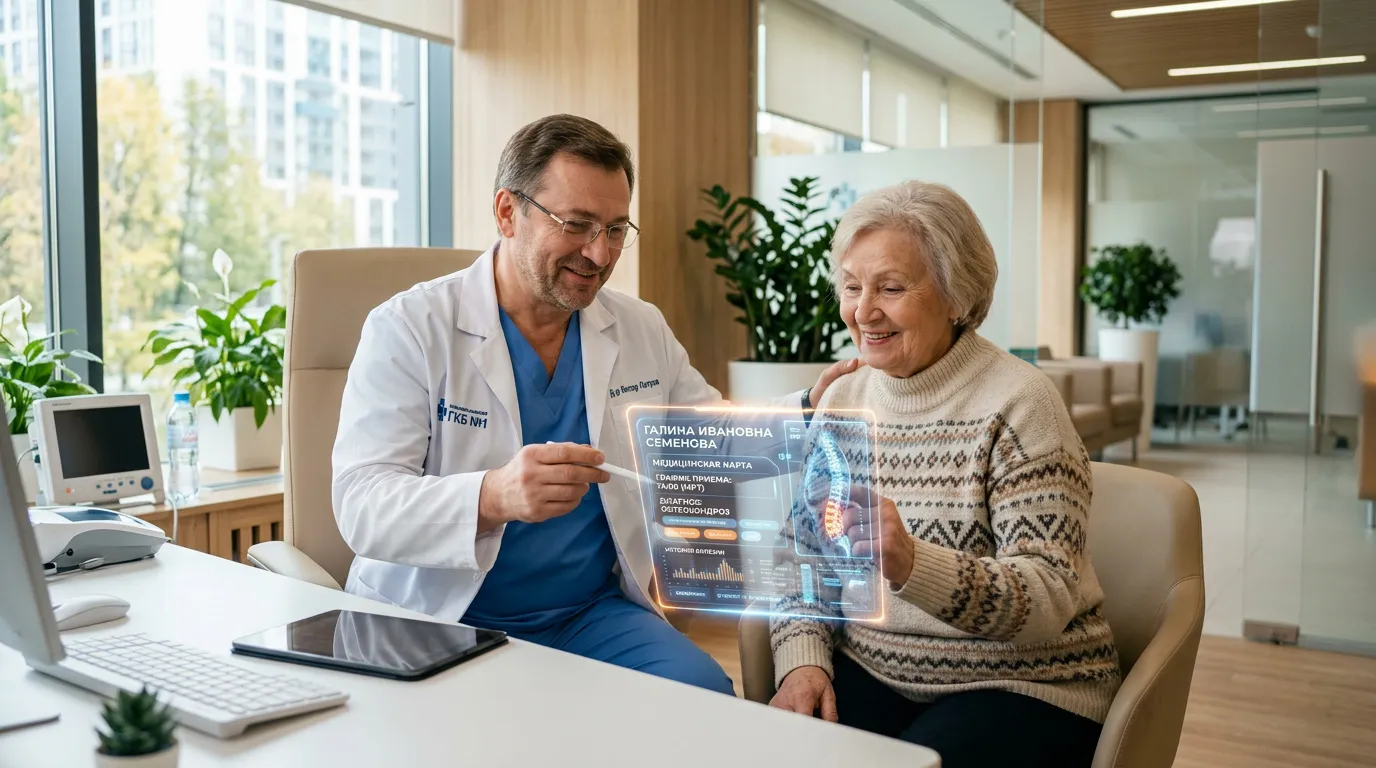
The MAX messenger has surpassed 100 million registered users, with daily active users reaching 70 million. As millions of people begin using digital medical accounts, large volumes of anonymized data on symptoms, diagnoses and treatment outcomes are generated. This provides a foundation for AI-driven clinical decision support.
The next step is personalized medicine, where recommendations for each individual are based on a comprehensive digital health history, genetic data and lifestyle factors. The more accessible and familiar the interface becomes, the faster advanced technologies will become part of routine care.