Young Engineers at Kursk NPP Present Automation and 3D Printing Innovations
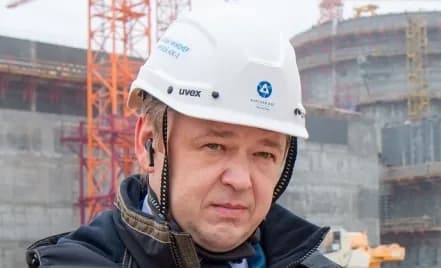
The qualifying stage of the annual competition for the best scientific and technical reports for 2026 has been held at Kursk Nuclear Power Plant.
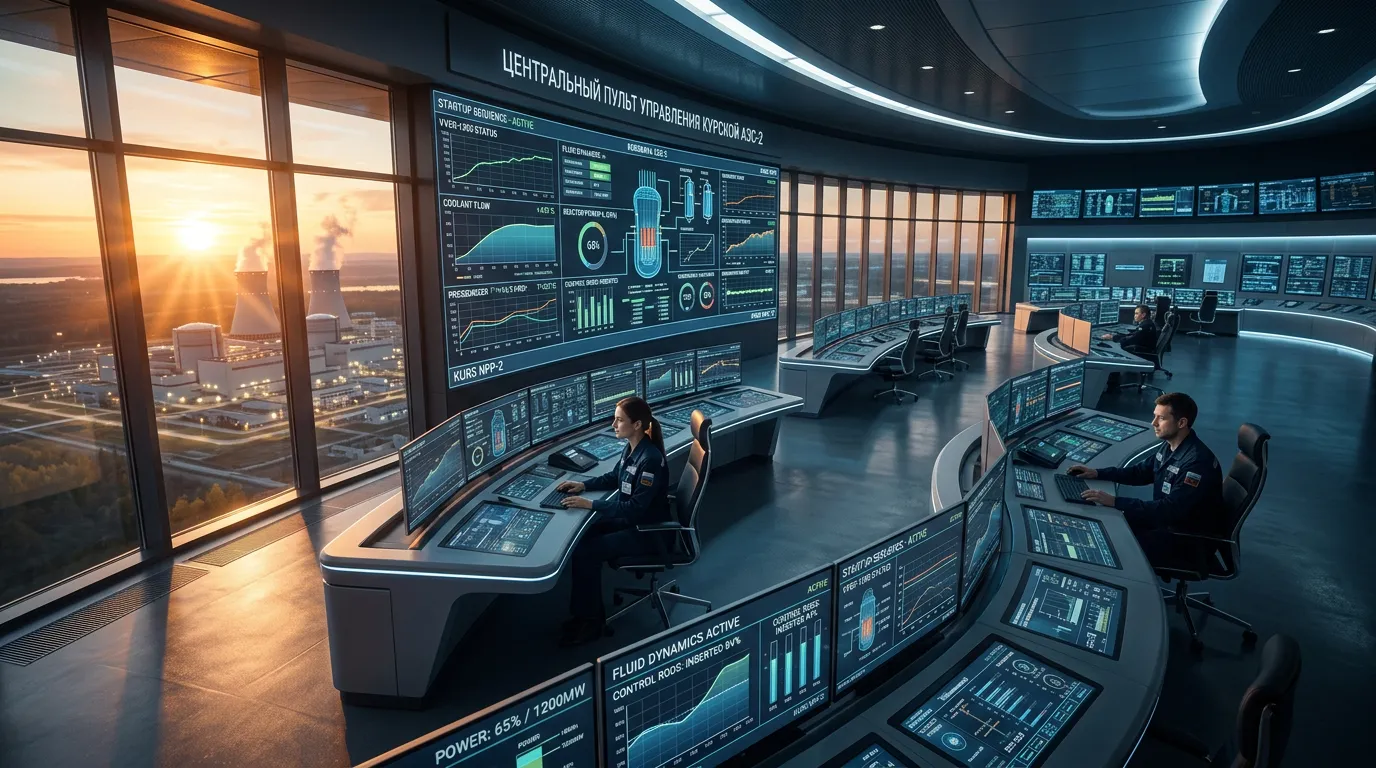
The young professionals presented projects aimed at upgrading equipment, optimizing control algorithms, and applying additive manufacturing technologies. The winning entry, which focuses on automating the staged startup of Unit 1 at Kursk NPP-2, will now advance to the industry-level competition.
Control Algorithm Optimization
First place was awarded to Anna Gruzdeva, an engineer in the Instrumentation and Control Department. Her report focused on optimizing the staged startup automation algorithm for Unit 1 of Kursk NPP-2. The unit is equipped with a Generation III+ VVER-TOI reactor, whose technological processes have already undergone extensive digitalization and automation.
A staged startup is a complex process that brings both the reactor and the turbine generator to operating parameters through a strictly defined sequence of operations. The proposed changes to the control system logic are expected to shorten transition periods and reduce the workload for operators in the unit control room. The enhanced algorithms are expected to reduce the risk of operator error and improve the overall stability of the unit's power ascension process. The project will represent Kursk NPP at the divisional stage of the competition, where the best engineering concepts from across Rosenergoatom's nuclear power plants are evaluated.
Radiation Safety and Isotope Production
Second place was shared by two projects addressing nuclear physics and radiation safety. Aleksandra Kunash, a nuclear safety engineer, presented an assessment of the feasibility of producing the radioisotope cobalt-60 in the core of a VVER reactor. Cobalt-60 is widely used for industrial weld inspection and sterilization of medical instruments. Installing dedicated irradiation targets inside the reactor makes it possible to use a power unit not only for electricity generation but also for isotope production.
Darya Mitina, an engineer in the Radiation Safety Department, focused on preventing tritium accumulation within process systems. Tritium is generated in the reactor coolant during operation, and controlling its concentration requires complex water management schemes. Improving the balance scheme for handling tritium-containing water can enhance the plant's environmental safety while simplifying the treatment of liquid radioactive waste before its final disposal.
Additive Manufacturing to Address Equipment Shortages
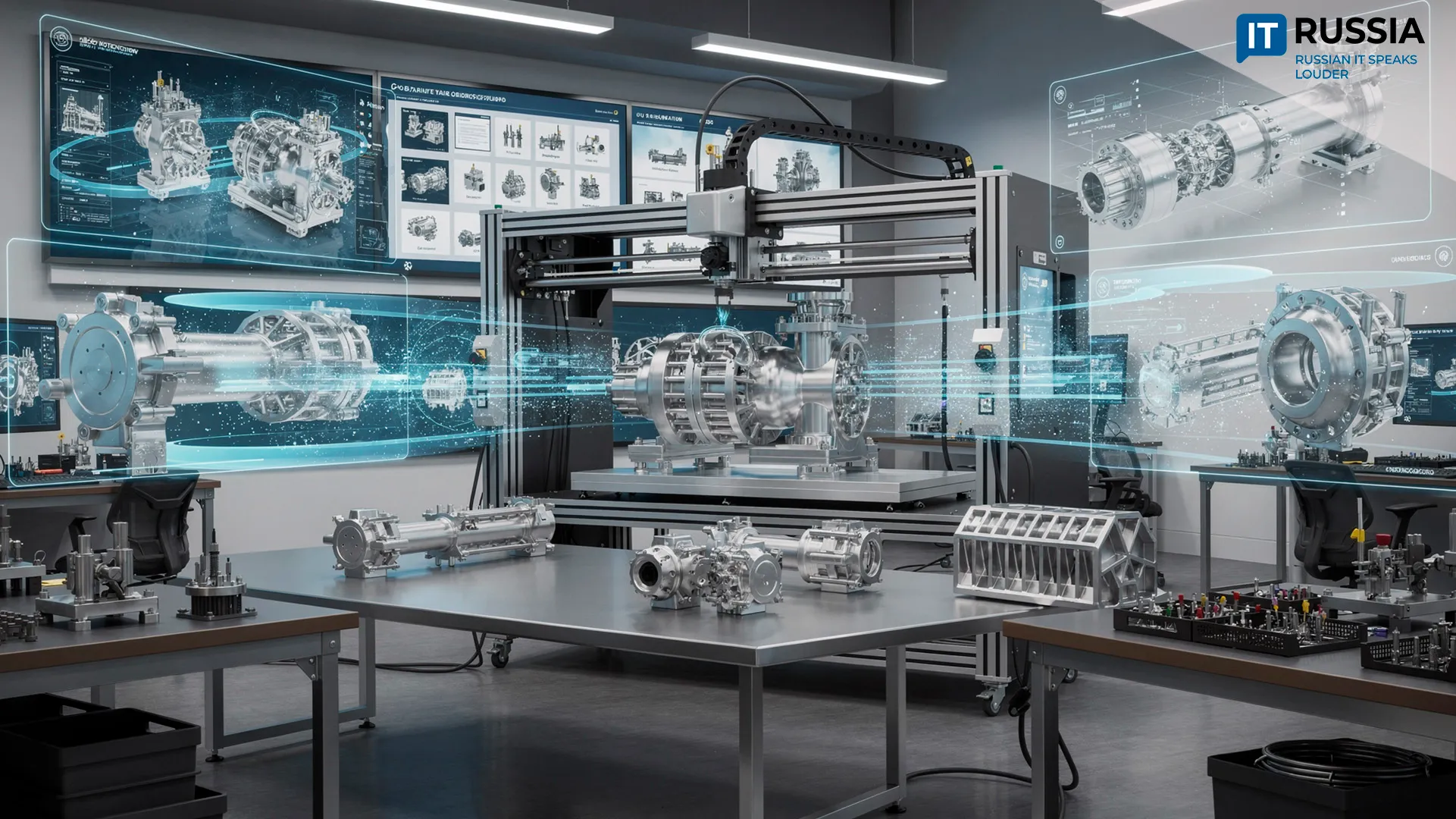
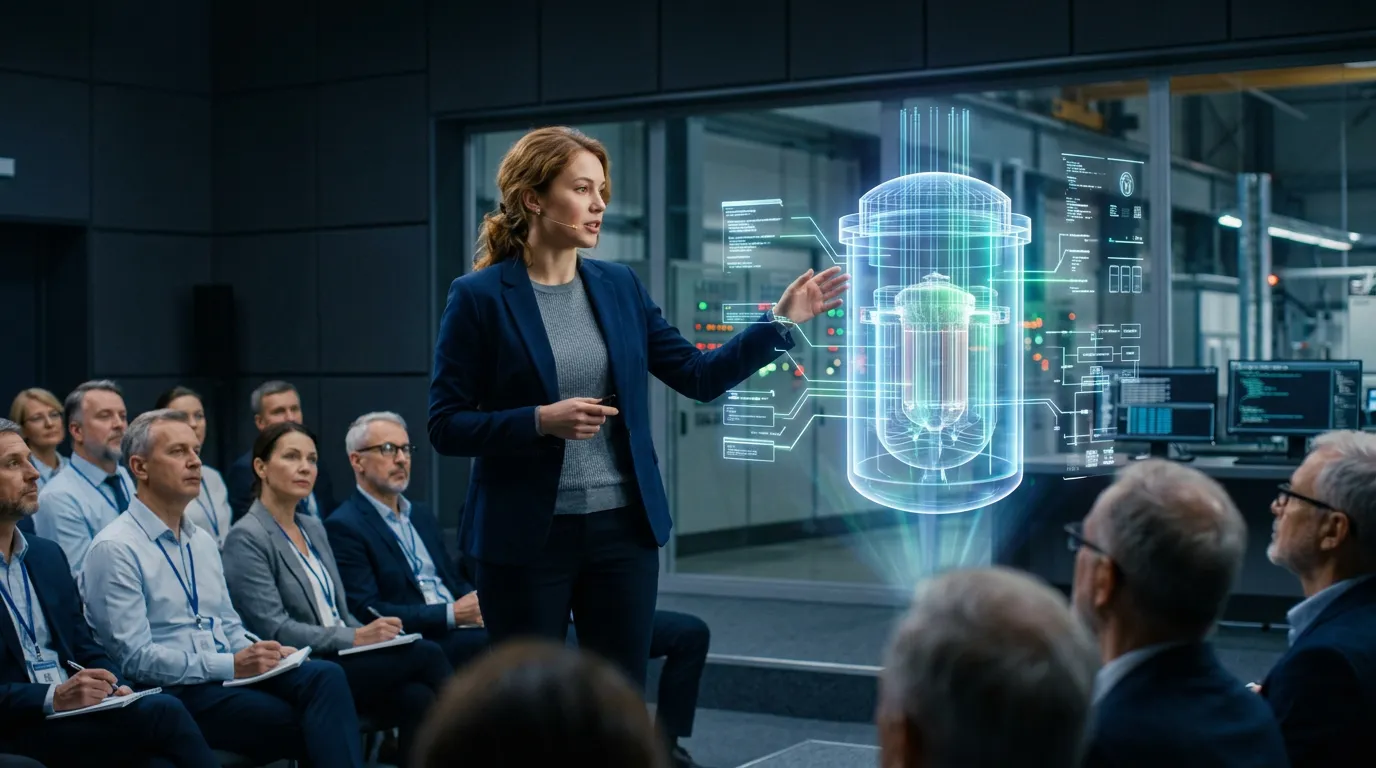
Third place went to Konstantin Morozov, a specialist in the Licensing Department, for research on the application of additive manufacturing technologies. His report examined the use of industrial 3D printing to produce spare parts and equipment components that are no longer manufactured or have extended delivery times.
For nuclear power plants that remain in operation for decades, sourcing components for aging auxiliary systems is an increasingly important challenge. Applying reverse engineering, three-dimensional scanning, and additive manufacturing would allow plants themselves, or local production facilities, to manufacture the required parts. That approach could shorten repair schedules, reduce dependence on external suppliers, and lower the cost of maintaining spare parts inventories. The initial focus is expected to be on manufacturing components for ventilation systems, cable support structures, and auxiliary pipelines.
Scalable Solutions for the Nuclear Industry
The expert panel evaluated not only the originality of the reports but also their practical value. A key criterion was scalability – specifically, whether the proposed solutions could be applied at other nuclear power plants operating similar reactor designs.
Initiatives developed by young engineers help address day-to-day operational challenges, while ideas generated at plant level are grounded in practical experience gained through daily operation of nuclear power equipment.
The projects selected at the station level will be further refined and implemented at Kursk NPP-2. Successful algorithms and engineering approaches will then be submitted to Rosenergoatom's specialized technical organizations for potential deployment across other nuclear power facilities.