

Gas Turbine Solutions for Data Centers: UEC Rostec Addresses Power Capacity Constraints
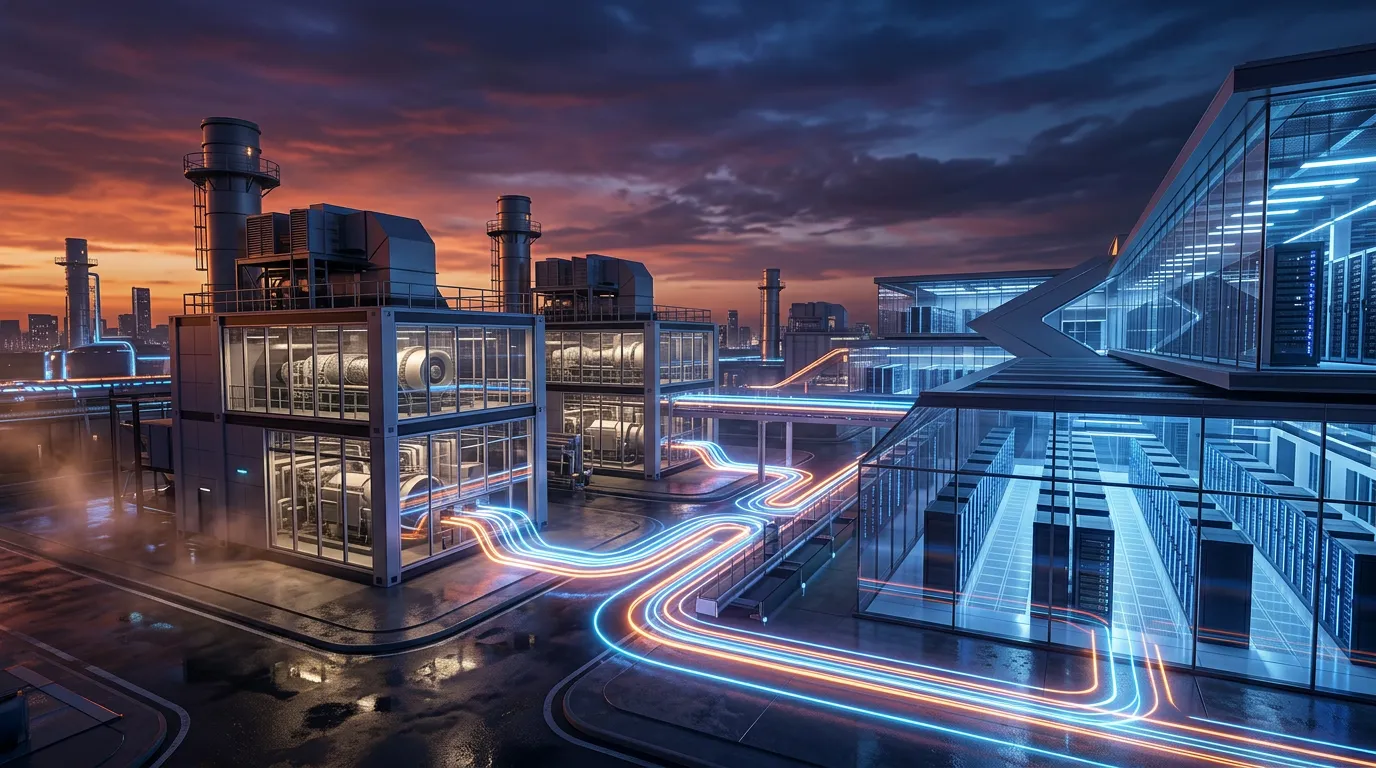
The rapid expansion of data centers has pushed available grid capacity in Russia's central regions to its limits, with connection capacity already allocated years in advance. United Engine Corporation (UEC), part of Rostec, is offering the IT industry an alternative through gas turbine power systems capable of supplying electricity to data centers almost anywhere.
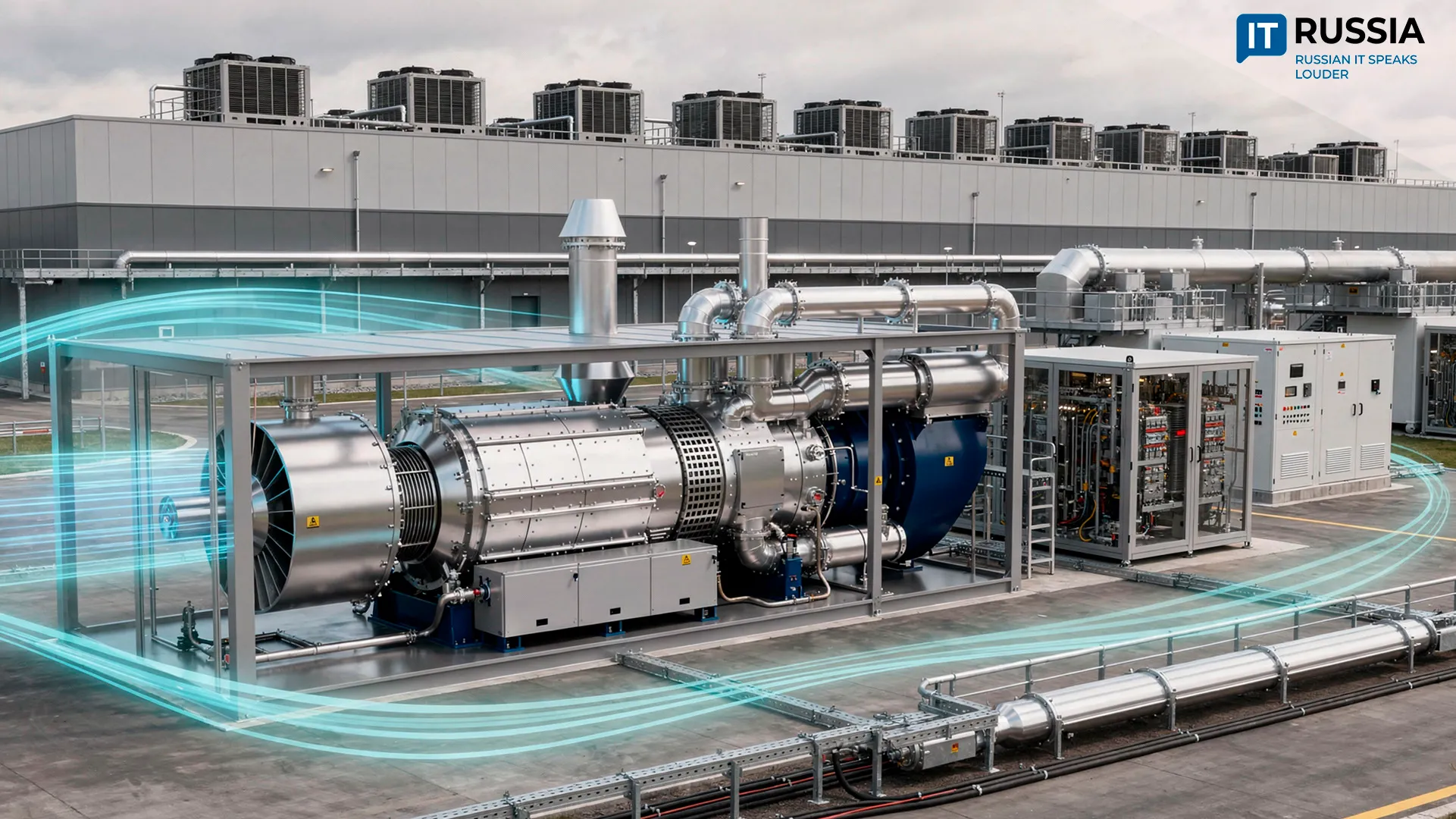
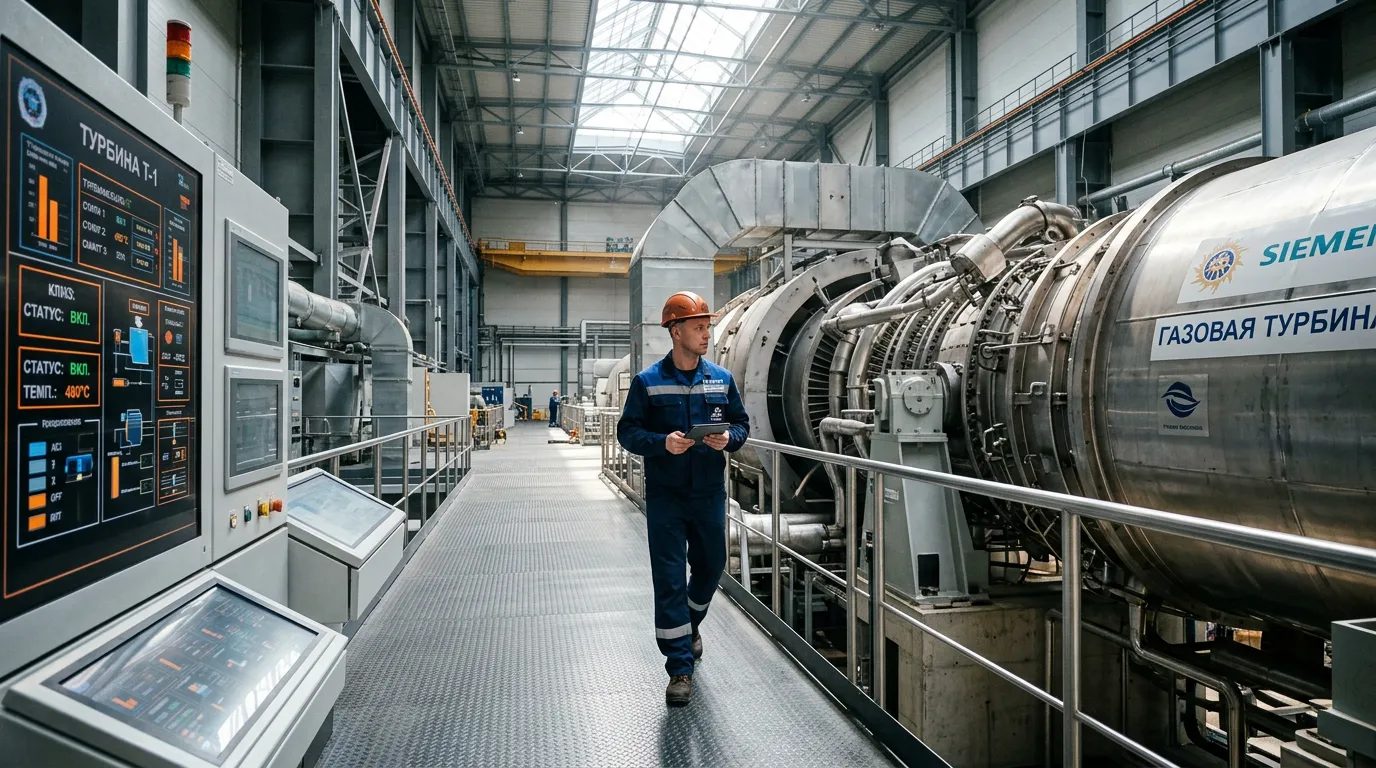
At the international industrial exhibition Innoprom 2026 in Yekaterinburg, UEC unveiled a solution for autonomous power generation designed to supply electricity to data centers. The system is built around the serially produced GTD-6/RM gas turbine engine, developed and manufactured by UEC-Saturn, with an output of 6MW.
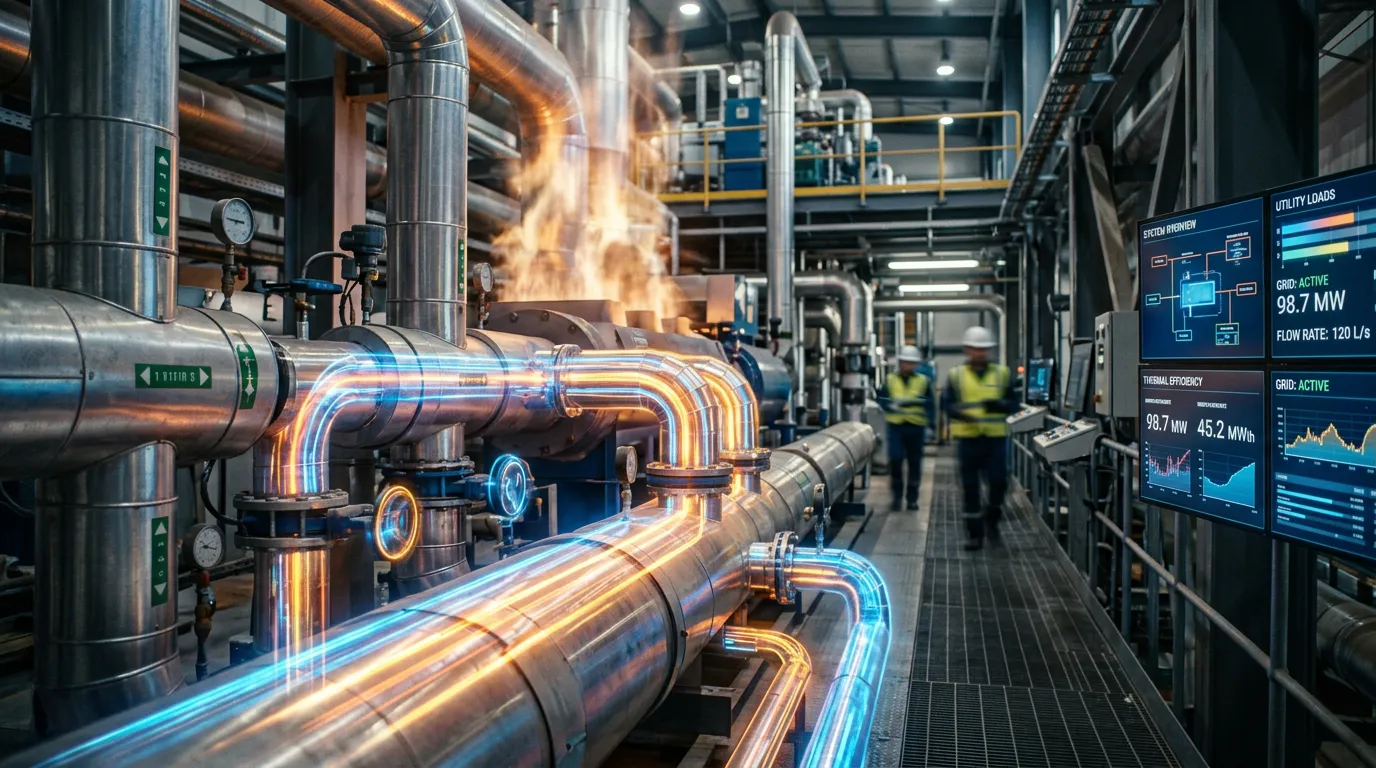
A key advantage of UEC's offering is that it goes beyond a standalone generating unit. Instead, it provides a modular power system whose capacity can be expanded as data center demand grows. The solution also incorporates cogeneration. Operating on a combined-cycle configuration, the plant generates both electricity and heat, allowing thermal energy to be supplied to nearby industrial facilities or residential developments.
UEC can build gas turbine power plants based on Russian industrial engines ranging from 6MW to 32MW, with efficiency exceeding 32%. For Russia's IT sector, the solution creates an opportunity to build new data centers regardless of current constraints on available grid capacity.
An Energy Turning Point: Demand Drives New Solutions
Gas turbine power solutions for data centers have significant growth potential in Russia. As of April 2026, the country's installed data center power capacity had reached 4.2GW. Between 2022 and 2025, data centers almost doubled their share of Russia's total electricity consumption from 1.4% to 2.2%. That figure is expected to reach 2.4% by the end of 2026, while installed data center capacity could grow to 2.5GW by 2030.
Meanwhile, Russia's central regions, particularly Moscow and St. Petersburg, are experiencing shortages of available generating capacity. UEC's solution would allow new data centers to come online without waiting for access to centralized power grids, provided sufficient natural gas infrastructure is available.
The strongest demand for these systems is expected to come from the domestic market. At the same time, power shortages affecting data center development are not unique to Russia but reflect a global trend. As a result, UEC's gas turbine power plants could also find opportunities in friendly countries that are rapidly expanding their own data center infrastructure.
From Early Concepts to Practical Power Solutions
Russia began exploring the idea of locating data centers near power generation facilities well before it became an international trend. As early as 2014, Rosatom (State Atomic Energy Corporation Rosatom) announced plans to build its own data center adjacent to the Kalinin Nuclear Power Plant. Today, Rosatom is also evaluating the use of small modular reactors to supply electricity to large-scale data centers in both Russia and international markets.
In October 2020, UEC commissioned the 52MW Tutaev PGU-TEC combined-cycle cogeneration plant, which is integrated into the power supply system of a data center. The facility also provides thermal energy for the city of Tutaev.
Over the past five years, modular data centers have become increasingly widespread. For these facilities, autonomous generation was initially viewed as a backup power source, but it is now increasingly becoming the primary source of electricity.
Fueling Digital Sovereignty
UEC's gas turbine solution represents more than the launch of a new power generation system. It addresses a major infrastructure bottleneck that could otherwise limit future data center construction in Russia. Reliable local power generation would support the continued expansion of cloud platforms, artificial intelligence, and digital government services without being constrained by shortages of available grid capacity.
Demand for autonomous power generation is expected to continue rising in the coming years. UEC's project demonstrates that Russia has the industrial capabilities needed to meet that demand.