3D Tours Beneath the Surface
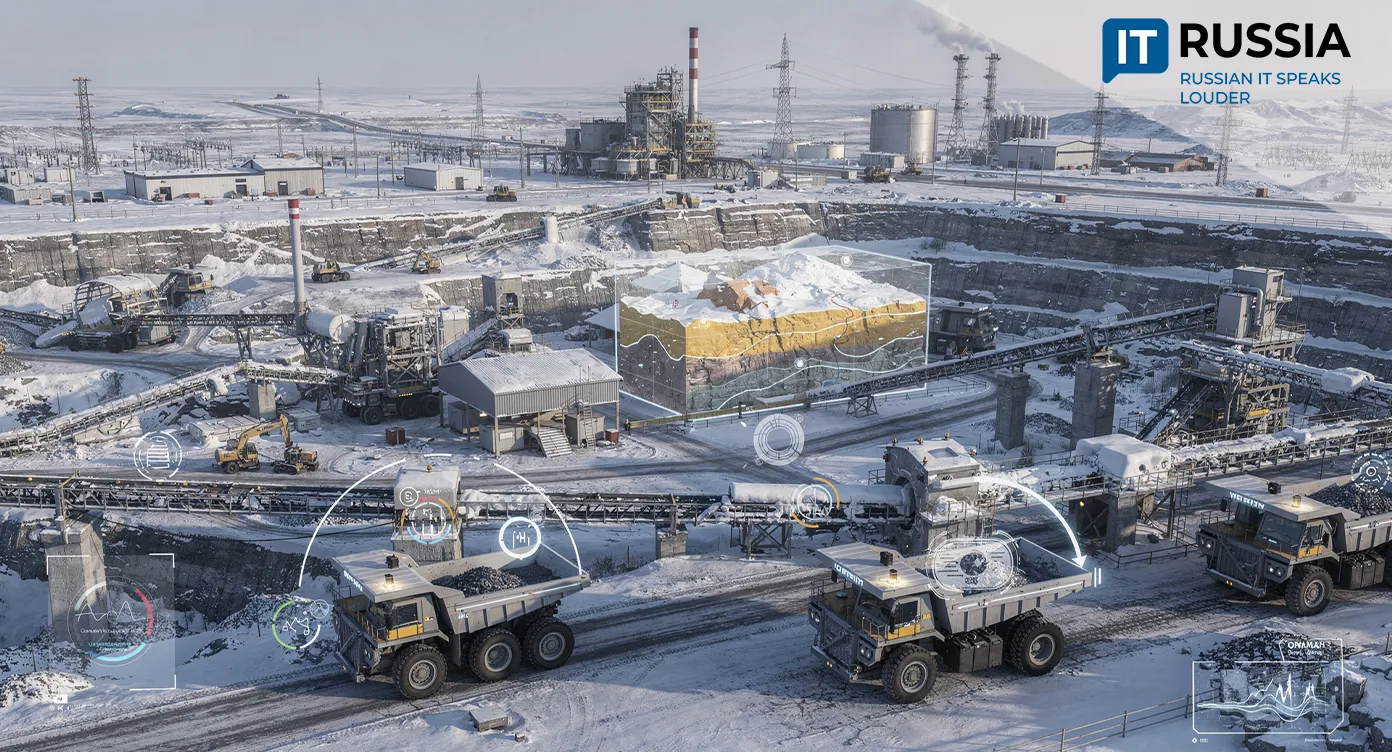
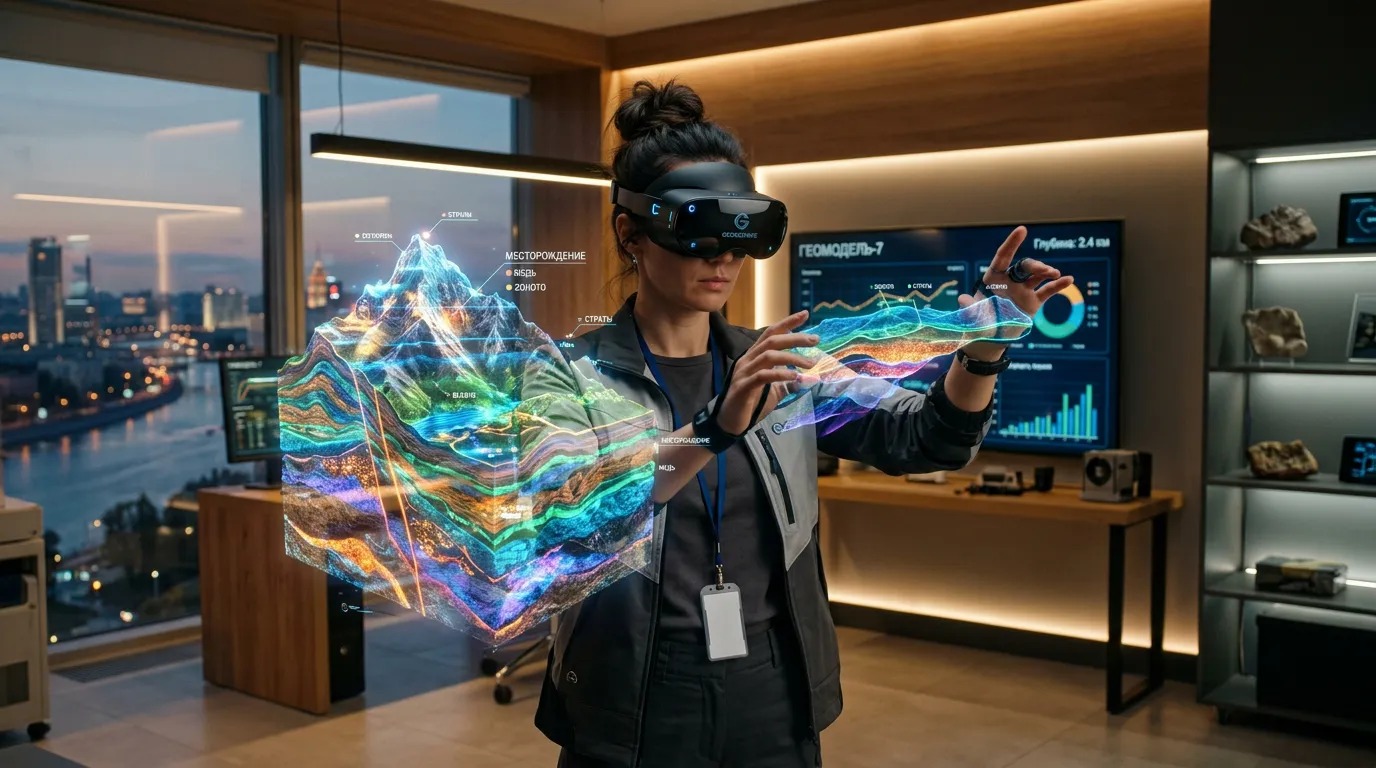
TatNIPIneft has proposed creating interactive digital twins of geological outcrops using virtual reality. The approach would allow geologists to move through subsurface formations, examine rock structures, and analyze geological cross-sections within an immersive digital environment.
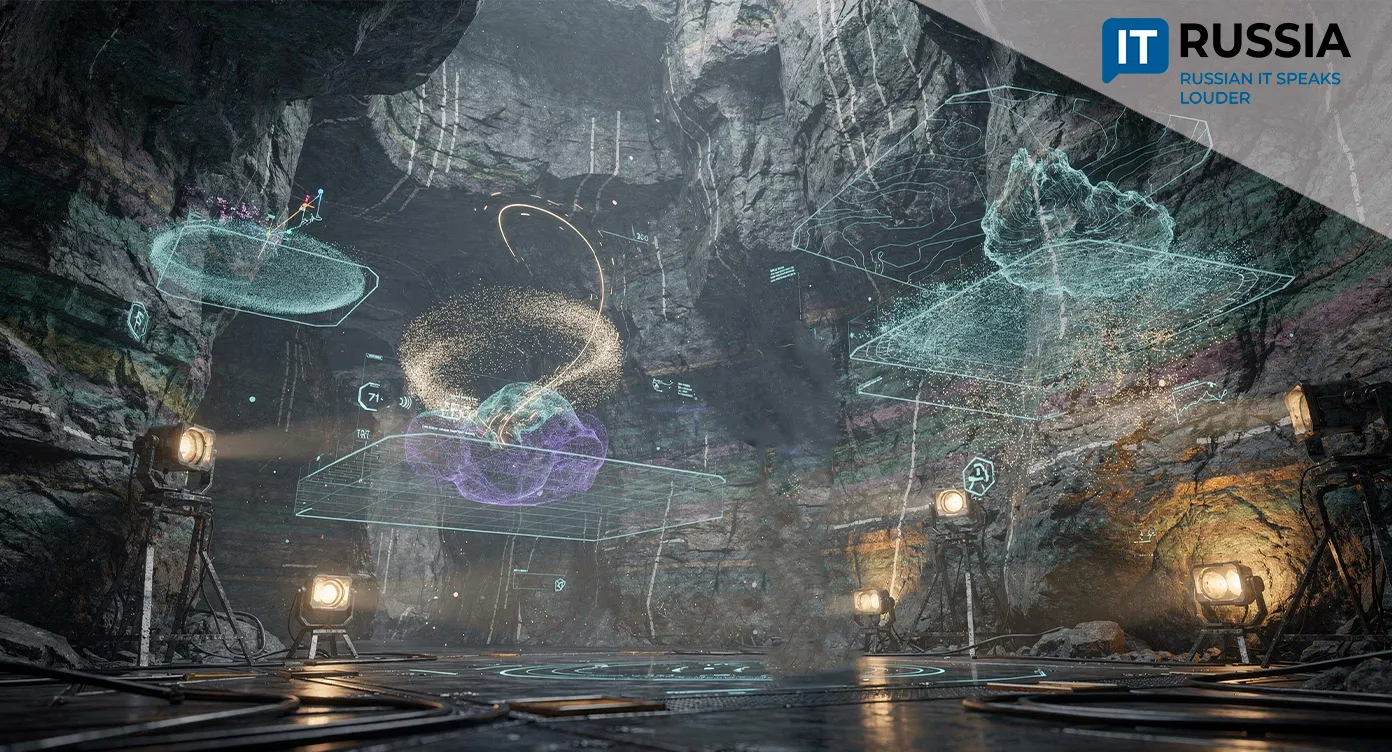
The innovation won top honors at Tatneft's Young Professionals School and is now advancing as both an educational and an operational solution. Looking ahead, the VR platform is expected to support well planning by helping engineers select drilling trajectories more accurately and reduce geological uncertainty.
Experience shows that some of the most effective innovations emerge where different disciplines intersect. Combining geology with virtual reality technologies illustrates that principle. Unlike conventional 3D models, the proposed platform allows users to interact with geological objects rather than simply viewing them. Within the virtual environment, geologists can move through the model, examine rock formations in detail, analyze geological cross-sections, and virtually collect samples for further study.
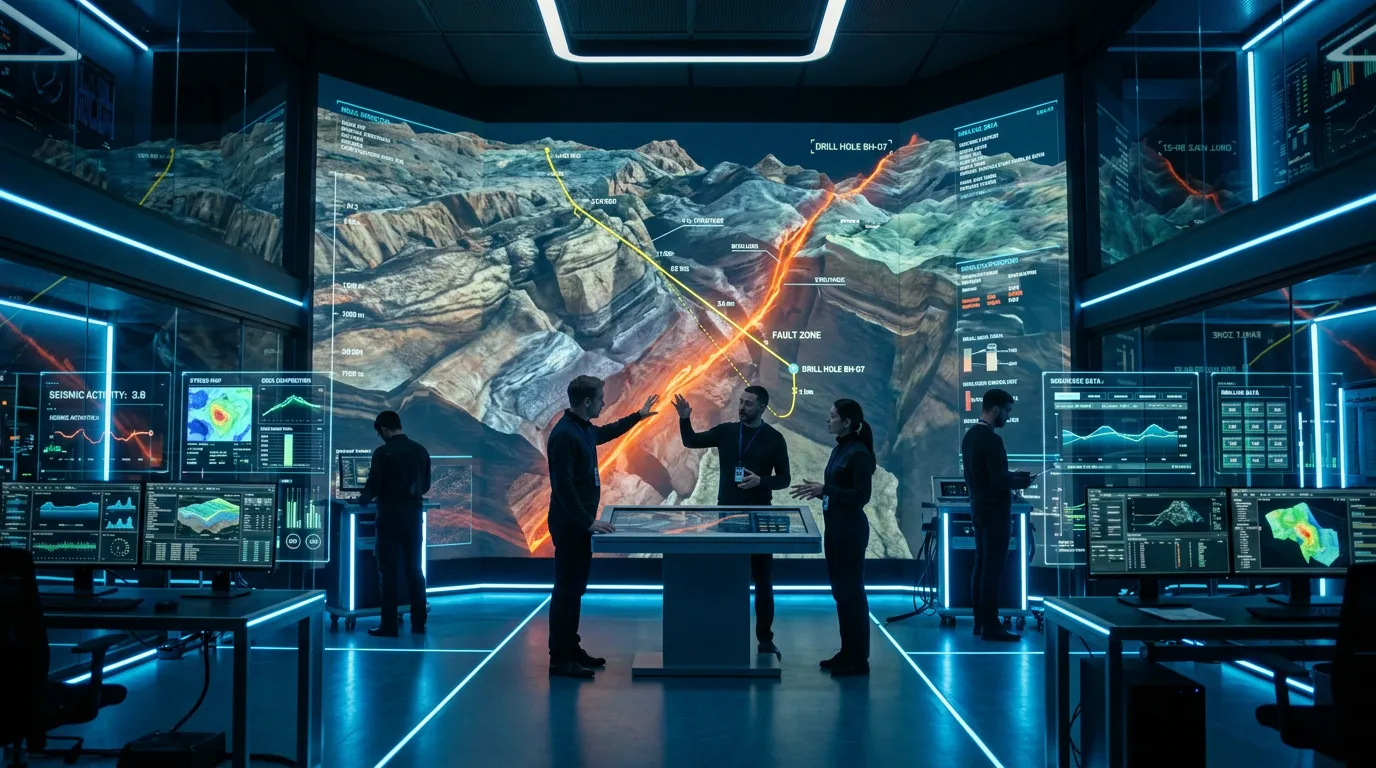
From an operational perspective, the technology is particularly valuable during well planning. Working inside the digital model, engineers can more accurately assess the spatial relationships between geological formations, evaluate subsurface risks, and determine the optimal drilling trajectory. Another promising application is the creation of a virtual model of the well itself, allowing specialists to move along the wellbore, see precisely how it intersects reservoir layers, and improve coordination between different elements of the well design.
In the Context of the Nizhnekamsk Downfold
Ancient reef formations within the Nizhnekamsk Trough were selected as the pilot site for testing the project. Geologists regard these formations as promising hydrocarbon traps.
An important advantage of the technology is that it allows students and early-career professionals to study complex geological formations remotely. That capability becomes especially valuable when field sites are difficult to access, including locations in remote regions or areas with limited seasonal access. The educational impact of the platform strengthens the preparation of qualified personnel while also increasing its practical value for the industry.
The project is the result of work carried out through Tatneft's Young Professionals School. For several years, participants have spent six months working under the guidance of mentors, completing educational modules, meeting with industry experts, and visiting production facilities. In practice, a pressing operational challenge identified at the field site becomes the basis for a new engineering project.
VR in Russia's Oil Industry: Opportunities and Limitations
In 2021, Tatneft announced plans to create digital models of all its oil fields to evaluate multiple development scenarios and identify the most economically efficient production strategies. The current VR initiative can be viewed as a continuation of that digital transformation strategy.
In 2022, Russian specialists in environmental and industrial supervision, together with Gazprom Neft, implemented a project based on virtual and augmented reality technologies. The system enabled remote oversight of construction activities hundreds of kilometers from the field site at the Archinskoye field, marking the first example of remote industrial supervision in Russia. Using AR headsets, specialists were able to examine field infrastructure in detail from a distance of approximately 600 kilometers. Gazprom Neft's platform already allows users to scale and rotate geological outcrop models, measure distances, and analyze rock textures more effectively than is possible on a conventional flat display.
Industry experts view the TatNIPIneft development as a foundation for creating a dedicated digital workstation for geologists. The system could be expanded with tools for measuring distances and formation dip angles, adding annotations, enabling collaborative model reviews, correlating geological datasets, and evaluating alternative well trajectories.
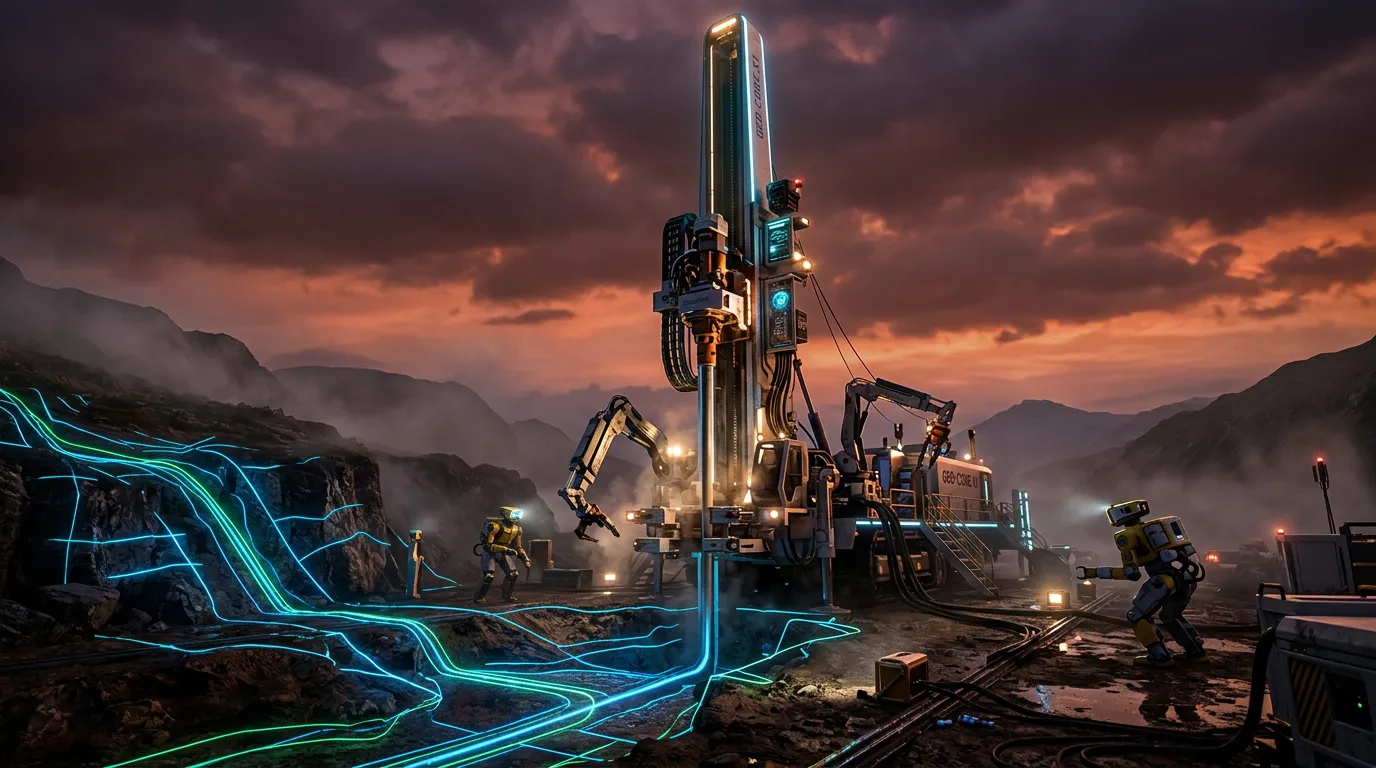
A further opportunity lies in integrating the VR environment with Tatneft's digital twins of its producing assets. The company has previously announced plans to maintain continuously updated models containing geological information, reserve estimates, reservoir pressure data, and field development dynamics. An immersive interface could become another way to work with these datasets, although a VR headset alone does not improve the accuracy of engineering calculations, which still depends on the quality of the underlying data and the geological model itself. Russia's industrial VR projects currently rely on imported headsets, controllers, and related hardware. At the same time, domestic software platforms already support engineering data formats, multi-user collaboration, and integration with reservoir modeling and simulation systems.