AI Spots White Patches Earlier: Russian Developers Create an Assistant for Early Vitiligo Detection
Russia has introduced an artificial intelligence-powered service that helps detect vitiligo at an early stage and monitor treatment outcomes. The system could become an additional tool for diagnosis, remote patient monitoring, and the training of future dermatologists.

A small white patch on the skin can easily be mistaken for the effects of sun exposure, a minor pigmentation variation, or simply go unnoticed. Yet that is often how vitiligo begins. The condition is a chronic autoimmune disorder in which the immune system destroys the cells responsible for producing melanin. Melanin is the pigment that determines the color of the skin, hair, and eyes while also protecting the body from ultraviolet radiation.
The disease is neither contagious nor life-threatening, but it can progress over time and often causes significant psychological distress. The sooner changes are recognized and evaluated by a physician, the greater the opportunity to bring the condition under control. That is why digital technologies are increasingly becoming valuable clinical support tools.
One such solution has been introduced by the Russian company Scanderm. The company's engineers developed an AI-powered service that helps identify early signs of vitiligo using ordinary photographs of the skin.
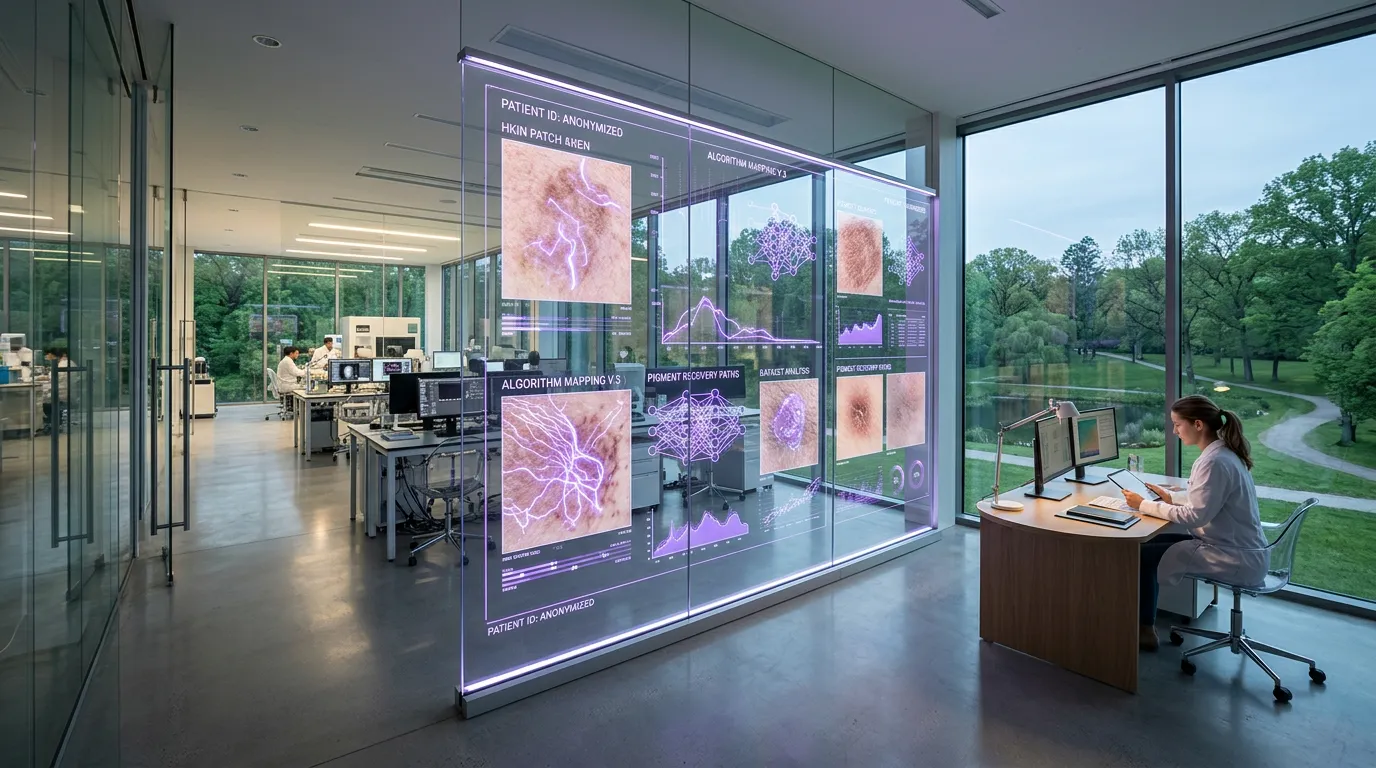
Turning a Photograph into Medical Data
Using the service is straightforward: a user photographs an area of skin, and the image is analyzed by an AI algorithm. Behind that simple workflow, however, lies a sophisticated neural network.
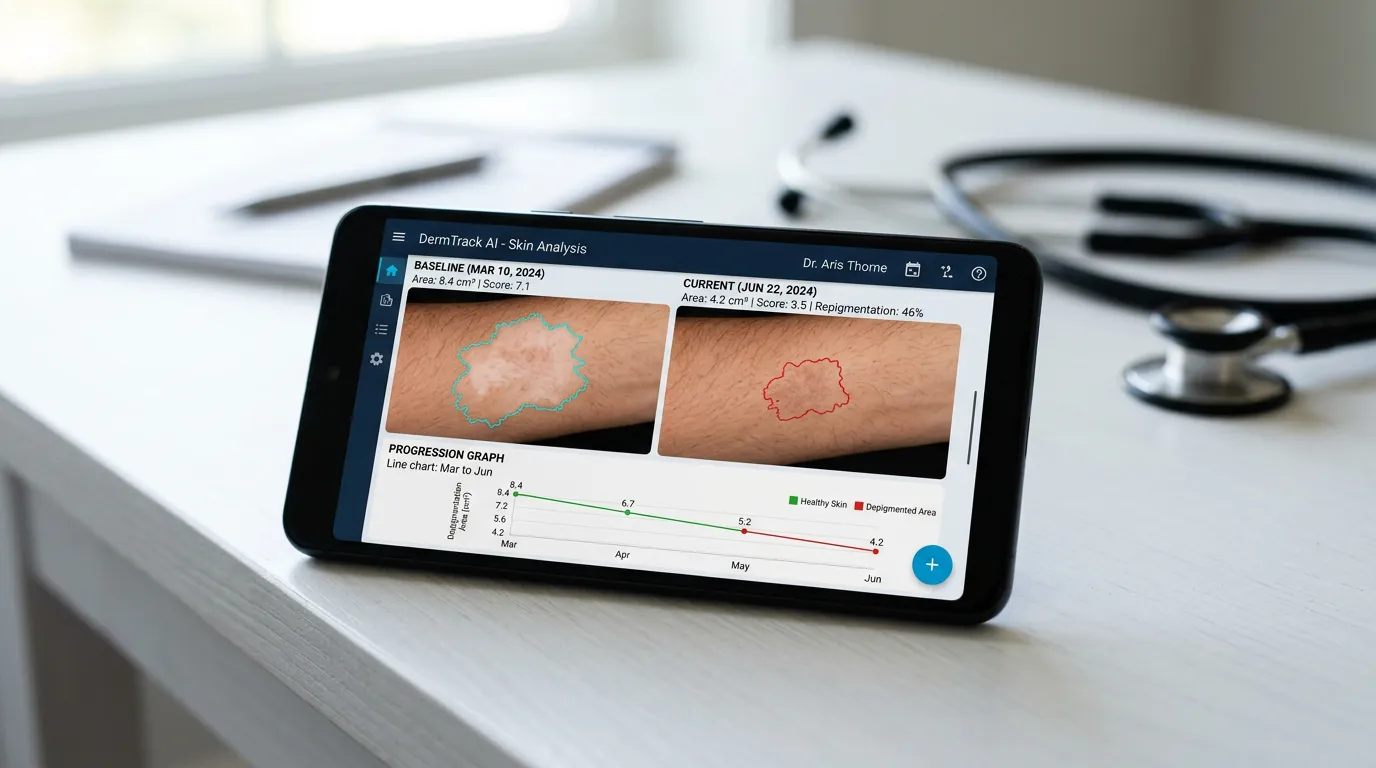
The system was trained on more than 50,000 physician-annotated photographs. As a result, it can distinguish healthy skin from depigmented areas, measure the extent of affected tissue, and compare new images with earlier ones. This makes it possible to determine whether lesions are shrinking in response to treatment or continuing to spread.
In effect, the AI converts visual changes into measurable clinical data. Previously, physicians largely relied on visual examinations and photographs to assess disease progression. Now they can compare objective metrics derived from thousands of reference cases.
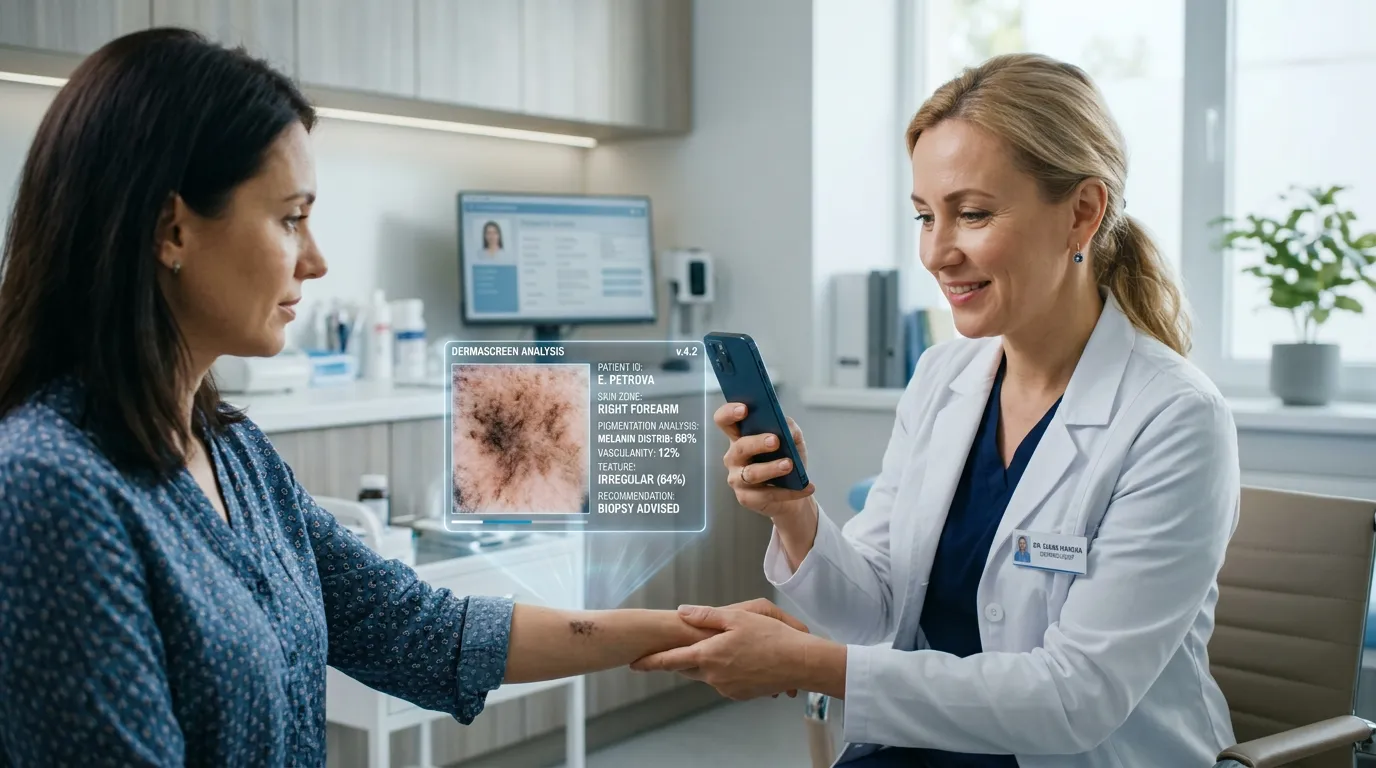
Why It Matters
Vitiligo affects an estimated 1–3% of the population. Although the disease is not life-threatening, it can significantly reduce quality of life. White patches may appear almost anywhere on the body, and skin that has lost melanin becomes especially vulnerable to sunlight, making it more prone to sunburn. As a result, affected skin requires additional protection with appropriate skincare products.
Another challenge is that the earliest changes are often barely noticeable. In some cases, several months pass before a patient realizes that the affected areas are expanding. That is where digital technologies can be particularly valuable. AI can identify subtle changes that are difficult to detect through visual assessment alone.
A Tool for Both Physicians and Patients
The new system developed by Russian researchers is intended for use beyond the dermatologist's office. According to its developers, the service can also benefit patients directly. During treatment, users can regularly photograph affected areas and monitor changes between physician visits. The platform is also being considered as an educational resource for medical students and dermatology residents, helping future physicians learn to recognize different stages of the disease. For healthcare systems, solutions like this also create new opportunities to expand remote patient monitoring.
Part of a Global Trend
Artificial intelligence is playing an increasingly important role in healthcare worldwide, and Russia is actively advancing work in this field.
In 2024, researchers at Sechenov University reported new approaches to treating vitiligo, including studies involving cell-based therapies and the development of treatments designed to slow disease progression. That same year, scientists also highlighted the strong potential of machine learning in dermatology, emphasizing that such technologies could substantially assist physicians in analyzing skin images.
Later, a review published in the Russian Medical Journal reported research demonstrating that neural networks can achieve high accuracy in detecting vitiligo and distinguishing it from other pigmentation disorders. At the same time, experts emphasized that systems of this kind must undergo clinical validation and should be used only as decision-support tools rather than replacements for clinical judgment.
From Russian Clinics to International Markets
Scanderm's solution has already completed trials in India. The company's next step is to supply the service to healthcare institutions and universities across BRICS countries.
The interest is understandable. Skin diseases are widespread around the world, while dermatologists remain in short supply in many regions, particularly in smaller communities. Tools that help clinicians analyze medical images more quickly and track changes in a patient's condition are becoming increasingly valuable across healthcare systems.