Russia’s Grid Giant Is Using Digital Assets to Fund Power Infrastructure Upgrades
State-controlled utility Rosseti has completed the first issuance of digital financial assets, or DFAs, in Russia’s electric grid sector. Rosseti placed 2 billion rubles (about $25.5 million) worth of tokenized assets to bridge-finance an investment program focused on upgrading and modernizing power-grid infrastructure.
Rosseti raised investor funding for three months at an annual rate of 15.25% to cover a temporary liquidity gap. Compared with many DFAs already circulating on the Russian market, that yield looks relatively modest. The tradeoff is the issuer itself: investors are effectively betting on one of the country’s largest state infrastructure operators, where default risk is considered extremely low.
Testing Tokenized Finance in Capital-Intensive Industries
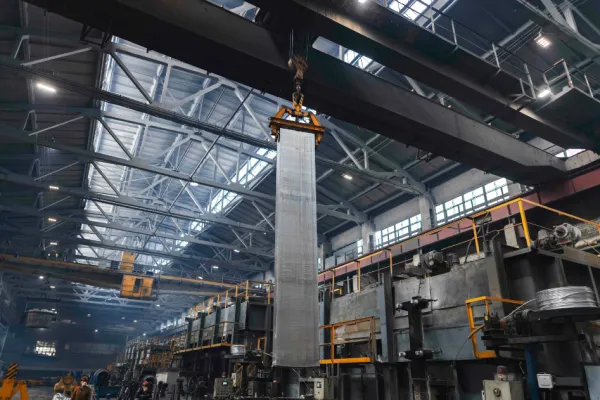
This case suggests tokenized debt instruments are beginning to attract systemically important companies, not just fintech startups and banks. DFAs are now being tested as short-term corporate financing tools in capital-intensive industries. Rosseti’s investment program for 2026 totals 900 billion rubles (about $11.5 billion). “As part of our investment program, we are planning new construction projects, modernization work, and reconstruction of existing power-grid facilities,” Rosseti CEO Andrey Ryumin told Russian President Vladimir Putin in early April.
Borrowing through DFAs gives companies a way to cover short-term operating costs while waiting for larger funding inflows, without relying on bank loans whose rates are currently much higher. The issuance was conducted on the Tokeon platform, part of the PSB Group, under Russia’s Federal Law No. 259-FZ regulating digital financial assets.
The DFA Market Is Expanding Quickly
According to the Bank of Russia, DFA placements reached 1.65 trillion rubles (about $21 billion) in 2025, with most issuances concentrated in short-term debt instruments that economically resemble bonds. In April 2026 alone, the market recorded 111 digital-asset issuances totaling 77 billion rubles (about $980 million). More than 70% of issuance volume came from the banking sector. Telecom companies, developers, marketplaces, industrial manufacturers, agricultural producers, and even wineries have also raised funding through DFAs.
State-backed infrastructure companies are now moving into the market as well. Rosseti’s entry matters because it represents the first case in which DFAs could reduce borrowing costs for a national grid operator and potentially accelerate modernization of power infrastructure. Indirectly, that could improve the reliability of electricity supply itself.

From Pilot Issuances to Large-Scale Adoption
One of the earliest real-world corporate financing cases involving DFAs came in 2022, when Nornickel conducted a pilot issuance. In 2023, Russian Railways placed 15.5 billion rubles (about $200 million) in DFAs, which at the time became the largest issuance in Russia’s digital-financial-assets market. Rostelecom also completed its first issuance, reinforcing the idea that infrastructure companies are increasingly interested in tokenized financing tools.
In 2024, Russian legislation formally allowed DFAs to be used in international settlements. By 2025, the market had reached a record 1.65 trillion rubles in placements, dominated largely by short-term debt issuances.
A Blueprint for Other Industries
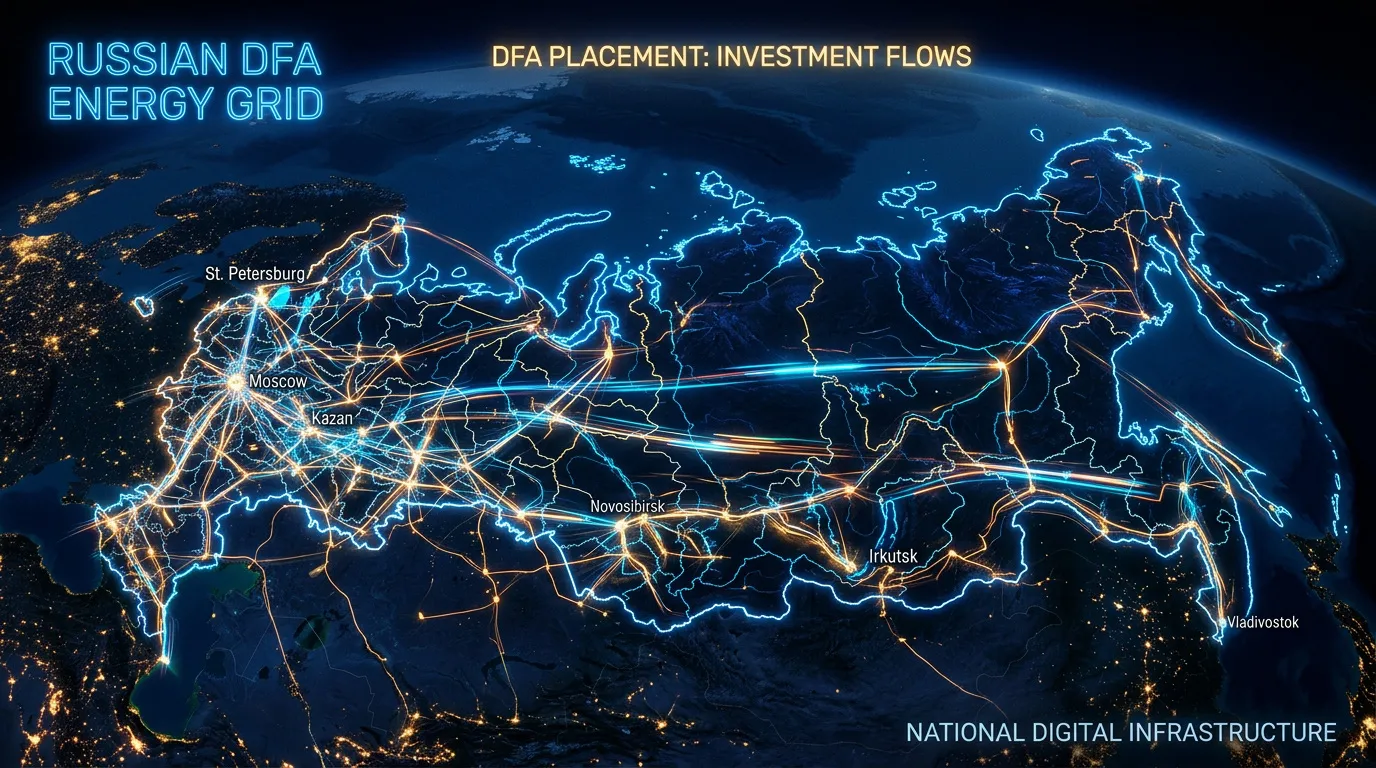
For Rosseti, the pilot 2 billion ruble issuance could become the foundation for repeat offerings, with tokenized debt instruments helping the company bridge financing gaps between the launch of infrastructure projects and the arrival of long-term funding. A likely next step is expansion of this model into other capital-intensive sectors such as transportation, utilities, and manufacturing, where large investment programs create demand for more flexible liquidity-management tools. DFAs are increasingly becoming part of a broader digital-finance architecture for Russia’s real economy.