AI Could Help Protect Cattle Joints and Udder Health
Students in Yekaterinburg have developed an AI-powered system that monitors the health of cattle using computer vision and neural networks.
Accurately assessing the musculoskeletal health of cattle is an essential part of animal health management and herd operations. Detecting disease at an early stage allows veterinarians to begin treatment sooner and helps producers forecast animal productivity, supporting stable performance in both dairy and beef production. In turn, these improvements can enhance the economic efficiency of livestock farms.
Identifying early signs of disease in a large herd, however, remains difficult. Students from the Institute of Radioelectronics and Information Technologies – RTF at Ural Federal University (IRIT-RTF UrFU) have developed Fusion AI, a system designed to monitor the health and behavior of farm animals.
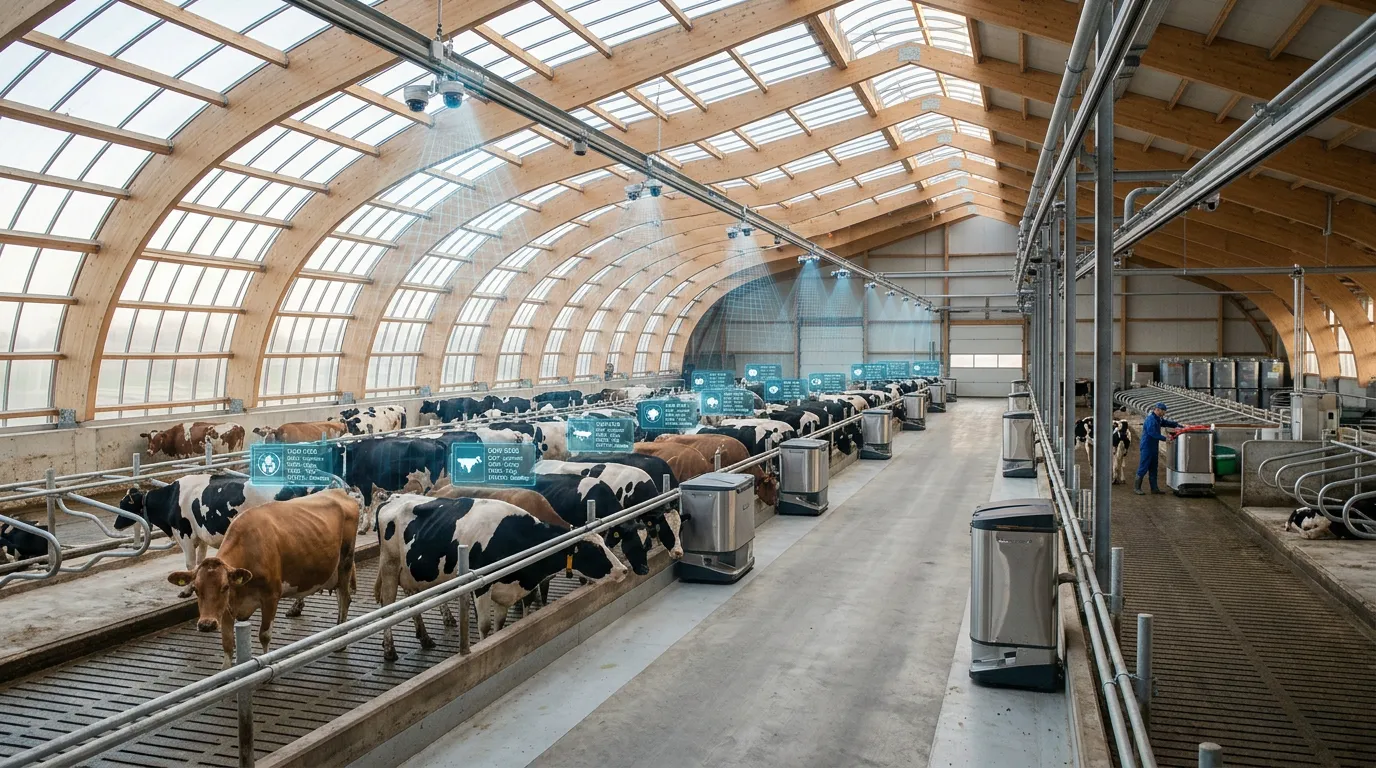
AI Tracks Skeletal Movement and Gait
Kirill Belotserkovets and Gleb Mozglyakov, students at IRIT-RTF UrFU, developed an intelligent system that continuously monitors the health and behavior of both cattle and small ruminants using computer vision and neural networks.
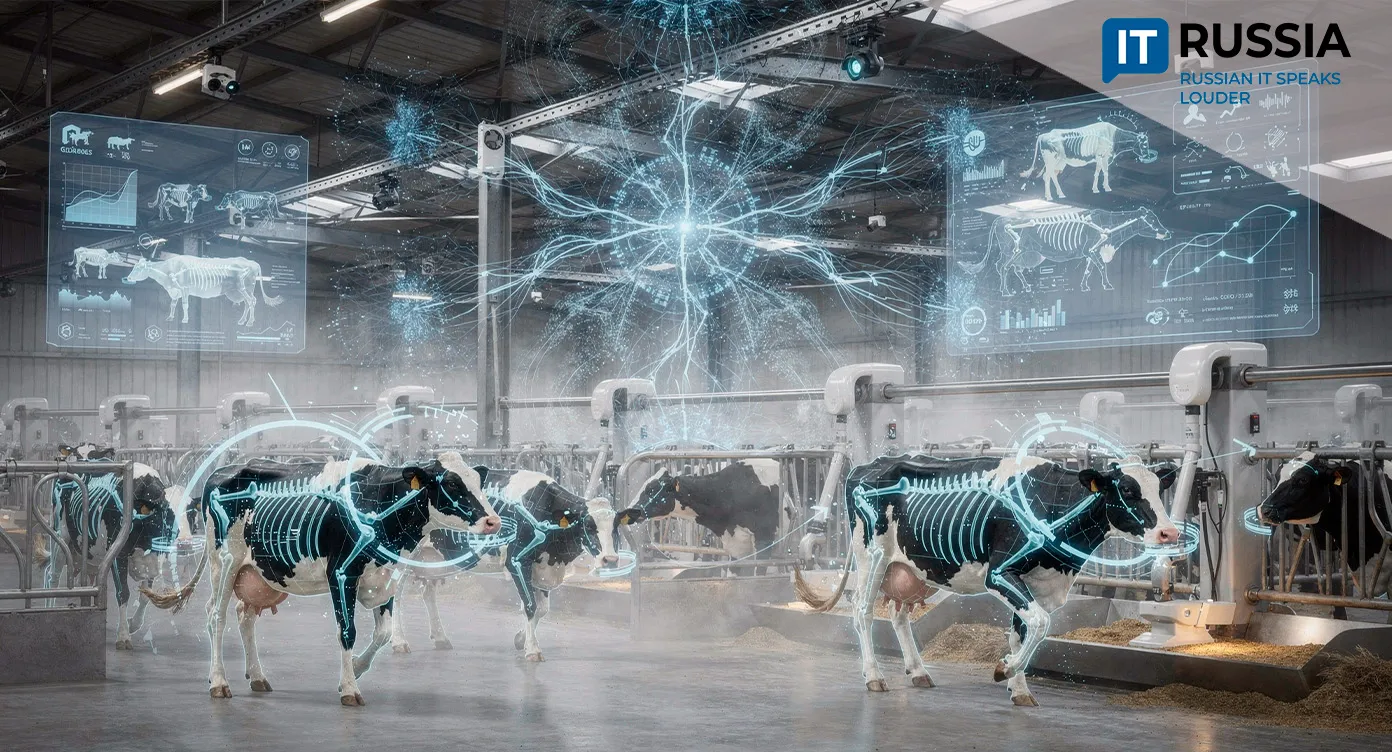
Using video cameras, Fusion AI captures and analyzes images of individual animals and compares them with previously collected data. The system evaluates changes in gait, behavior, feeding patterns, and activity levels, allowing it to identify potential signs of disease at an early stage.
One distinguishing feature of the project is that the platform operates without wearable sensors or specialized collars. Instead, video streams serve as its primary data source. That approach could simplify deployment while reducing farms' equipment and maintenance costs. At the same time, it enables continuous monitoring of every animal within large herds.
The platform detects lameness at an early stage, when manual assessment may not yet produce a reliable diagnosis. Its AI algorithms analyze walking speed, stride length, weight-bearing asymmetry, spinal curvature, and subtle pauses in movement. The resulting data are consolidated into a central monitoring system that assigns one of five lameness grades to each animal. A healthy cow receives Grade 1, while animals assessed at Grade 2 or higher are referred for veterinary treatment.
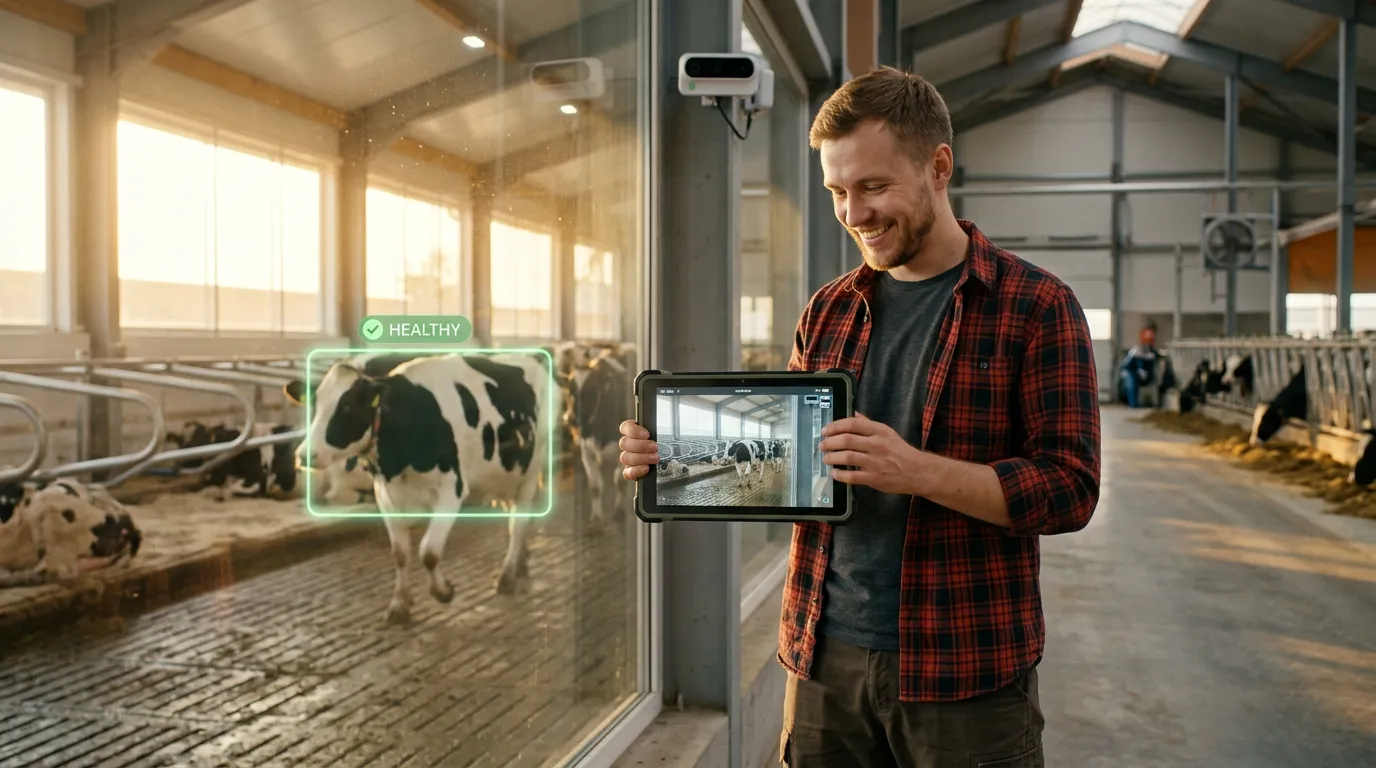
AI Could Detect Mastitis and Monitor Calving
Fusion AI operates around the clock and rapidly builds a detailed health profile for every animal. Earlier detection can reduce treatment costs and lower the number of severe disease cases. In practice, timely intervention helps prevent productivity losses and reduces the need to cull animals from commercial livestock operations.
The developers presented Fusion AI at the nationwide Startup as a Diploma competition for graduation projects, where it won first place. As the competition's top award, the team received a grant of 500,000 rubles (approximately USD 6,400) to support further development.
The team is now expanding the platform into additional areas of digital livestock diagnostics. One direction focuses on early mastitis detection, with the system designed to identify the first signs of udder inflammation before clinical symptoms become visible. Another targets early diagnosis of bursitis by automatically detecting joint swelling in cattle and pinpointing its location. The developers also plan to introduce daily body condition scoring with instant recommendations for adjusting feed rations, monitoring of post-milking teat treatment, and automated livestock classification. Using cameras and computer vision algorithms, the platform would objectively evaluate each animal's conformation, body condition, productivity, and reproductive potential. Another planned capability is automatic recognition of the stages of labor, identifying the onset of each phase of calving and alerting veterinarians to help protect the health of pregnant cows.
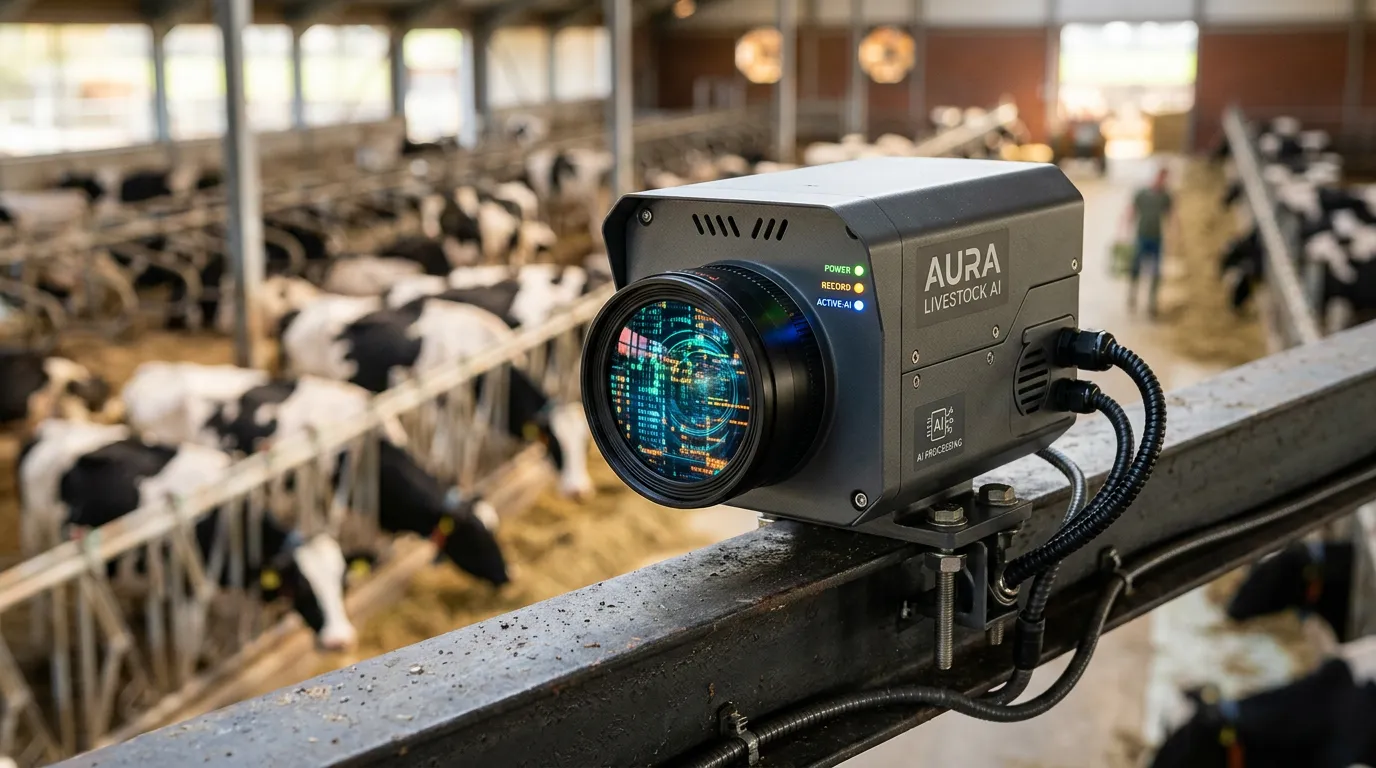
A Growing Landscape of AI Technologies for Livestock Farming
The Yekaterinburg students' project illustrates how digital technologies for agriculture are emerging at the intersection of information technology and artificial intelligence. Continued development of projects like Fusion AI could strengthen a growing ecosystem of Russian AI platforms for livestock management, where universities and private companies are beginning to compete with complementary solutions. For example, SMART FARM has expanded its dairy farm video analytics platform by adding a computer vision module for detecting lameness in cattle.
Researchers at the Project Institute for Digital Transformation of the Russian State Agrarian University – Moscow Timiryazev Agricultural Academy are also developing an intelligent system for early lameness diagnosis in cattle. Their platform combines computer vision, thermal imaging, 3D video capture, and artificial intelligence. The developers expect the final system to achieve more than 96% accuracy in recognizing and evaluating repeated animal movement patterns.
Once validated under commercial farming conditions, Russian intelligent livestock monitoring systems could become part of the smart farming platforms that are beginning to emerge across the country.
Digital detection of disease and veterinary monitoring systems also have strong export potential. According to expert estimates, livestock diseases cause approximately USD 300 billion in losses worldwide each year. Once their effectiveness has been validated on Russian farms and the algorithms have been adapted for different animal breeds, systems such as these could find demand in countries with expanding livestock industries.