Radiation Exposure Reduction Methods Developed by Beloyarsk NPP Engineer
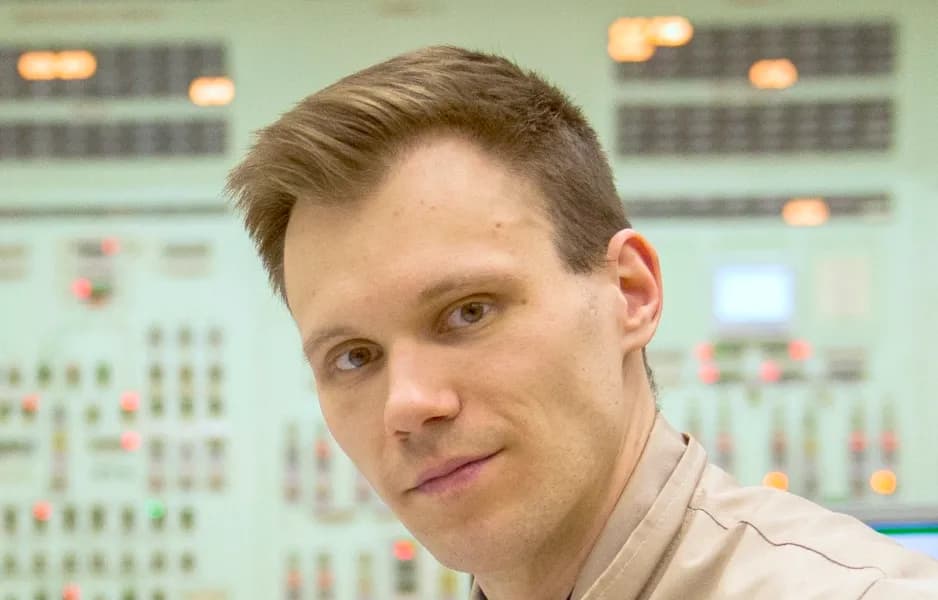
Daniil Zavadsky, a lead engineer in Reactor Unit No. 2 at Beloyarsk Nuclear Power Plant, has defended his dissertation for the degree of Candidate of Technical Sciences at Ural Federal University, presenting new methods designed to reduce radiation exposure for personnel working at nuclear power plants with sodium-cooled fast reactors.
The research was supervised by Professor Oleg Tashlykov, Doctor of Technical Sciences at Ural Federal University. The study focuses on developing modern methods to reduce radiation doses received by nuclear power plant personnel during the operation of power units equipped with sodium-cooled fast neutron reactors.
Optimizing Routes Through Radiation Fields
One of the fundamental objectives of nuclear power plant operations is to keep personnel radiation exposure as low as reasonably achievable. In areas with non-uniform radiation fields, where dose rates can vary significantly from one location to another, every unnecessary step can increase the dose received by a worker. Until now, personnel routes have largely been planned using operational experience and general radiation maps, which did not always identify the lowest-dose path.
Zavadsky conducted a comprehensive analysis of personnel dose records and radiation conditions in the BN-600 reactor facilities throughout the preparation and implementation of the plant's life extension programme. The work identified the activities responsible for the highest radiation doses, determined the principal factors contributing to the collective radiation dose, and developed approaches for reducing it further.
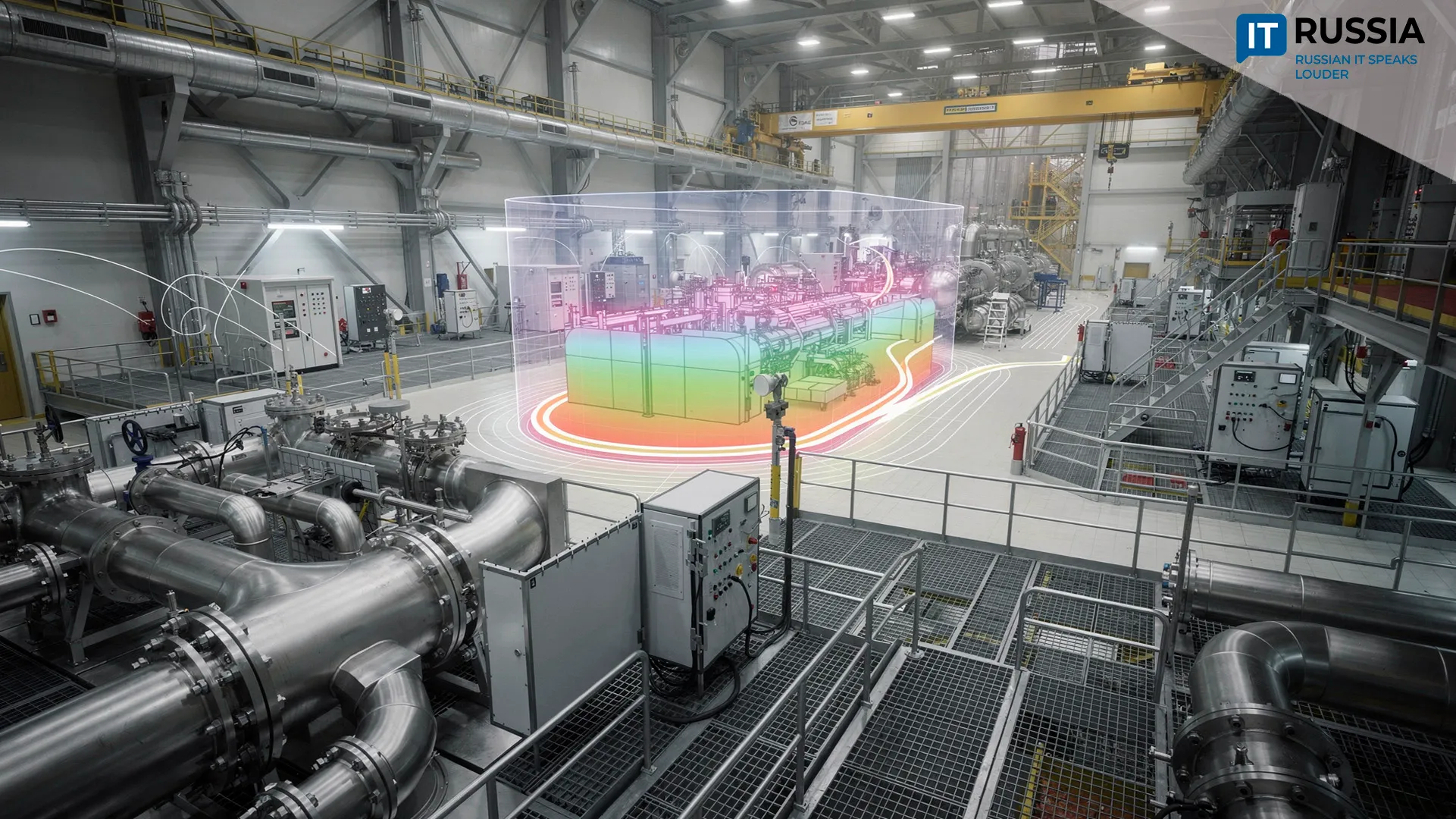
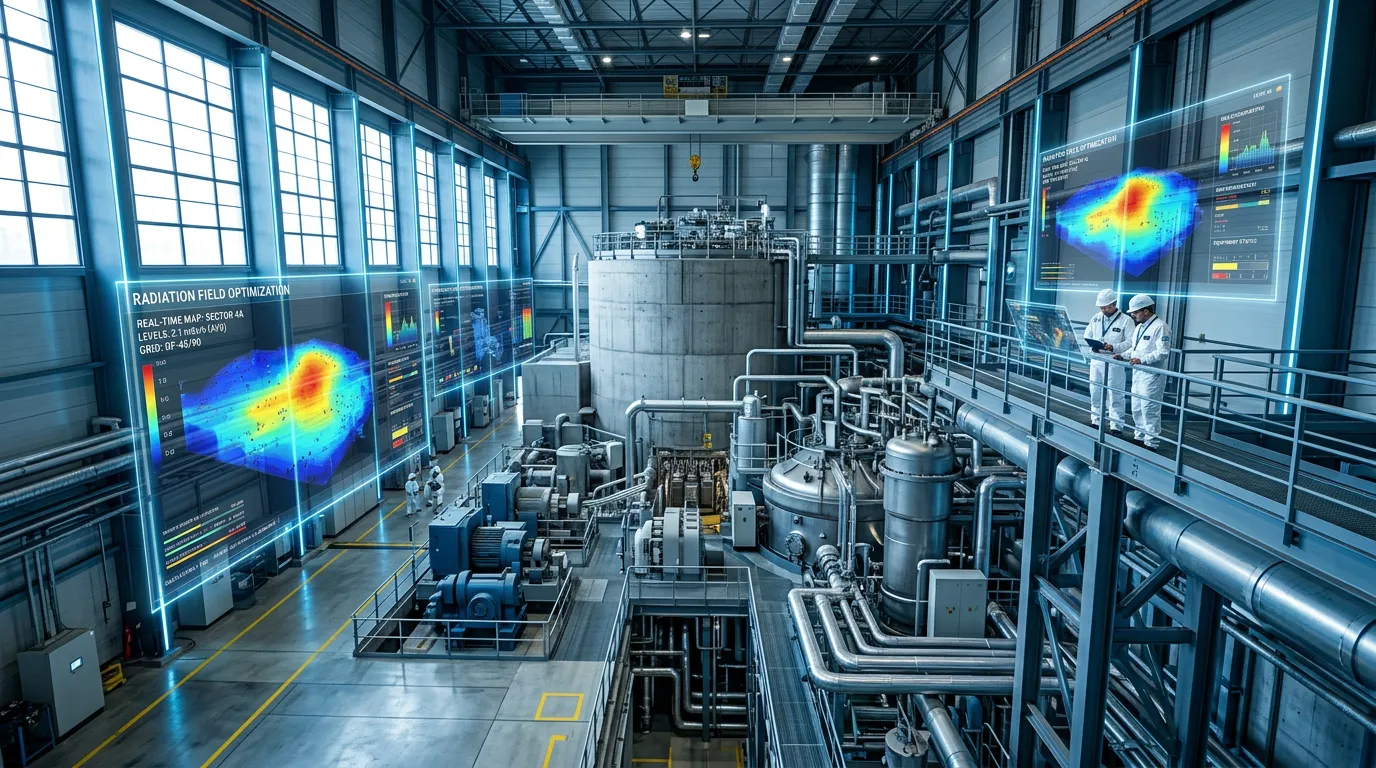
The study produced mathematical models and software algorithms capable of calculating optimal personnel movement routes within such facilities. The system takes into account the actual radiation distribution, the time required for each operation and the sequence of work, recommending routes that minimize radiation exposure without reducing operational efficiency.
Three-Dimensional Modelling and Engineering Solutions
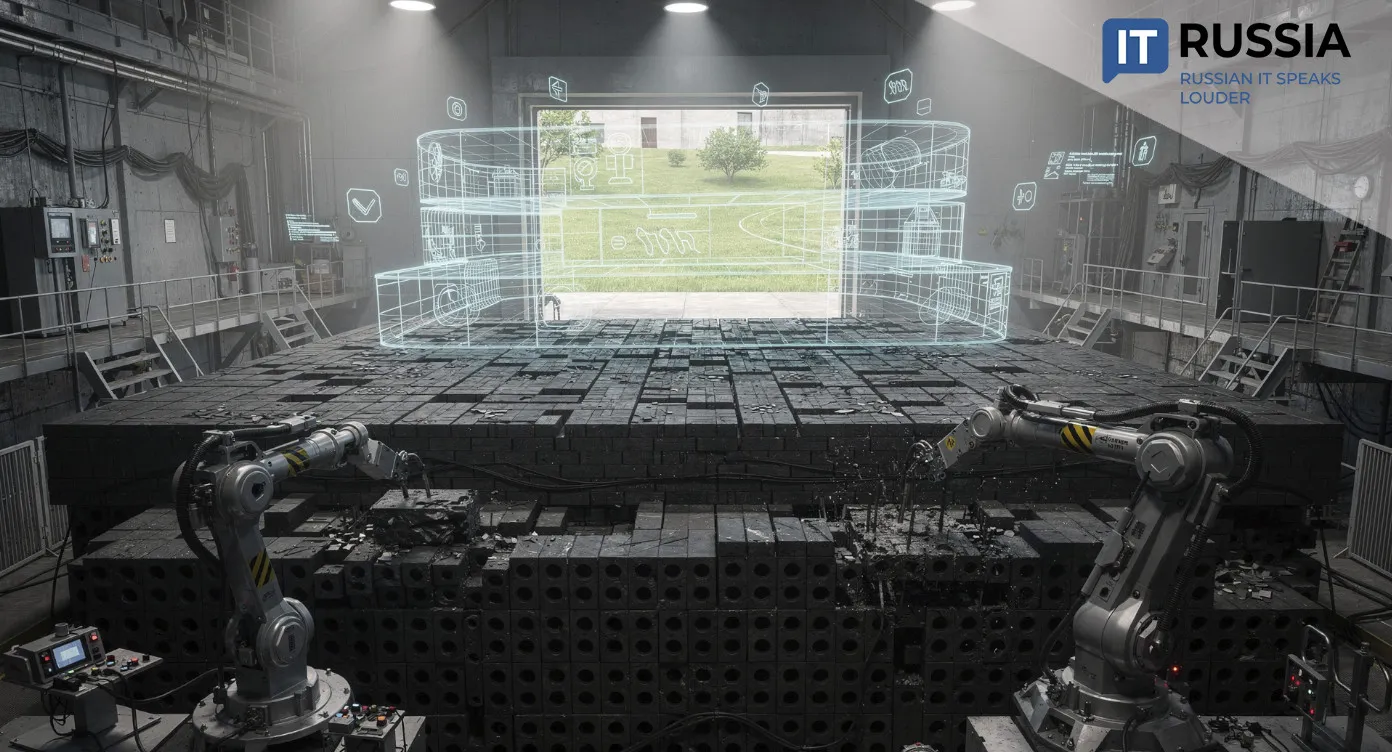
In addition to routing algorithms, the dissertation developed three-dimensional information models of the spent fuel storage pool systems and the primary sodium circuit pipelines. These models make it possible to visualize radiation conditions, plan equipment placement and evaluate the effectiveness of shielding measures before maintenance work begins.
The research also devoted considerable attention to engineering solutions for shielding pipelines and equipment. The author proposed a methodology for the rapid installation of protective shielding under elevated radiation conditions. That is particularly important during maintenance and preventive outage activities.
Applying these methods can reduce personnel radiation doses by approximately 10% to 30% without significant additional cost. The improvement comes from more accurate work planning, shorter time spent in high-radiation areas and better sequencing of maintenance operations.
The results are already being applied at Beloyarsk Nuclear Power Plant, where the BN-600 and BN-800 fast neutron reactors are in operation. These reactors differ from conventional pressurized water reactors and require specialized approaches to radiation protection. The sodium coolant, elevated operating temperatures and distinctive equipment design create a unique working environment for plant personnel. Looking ahead, the models and methodologies developed through the research could also be incorporated into the design of the BN-1200M reactor project.

Research Integrated with Industry Practice
Daniil Zavadsky combines operational responsibilities at a functioning nuclear power unit with active research work.
Initiatives of this kind receive support from both Russia's nuclear industry and the higher education sector. Ural Federal University is one of Rosatom's partner universities for training nuclear specialists. Collaboration between operating companies and universities helps address practical industry challenges while strengthening the scientific foundation of the nuclear sector.
Earning the academic degree opens new professional opportunities for the author, both in terms of career development at the plant and the opportunity to teach specialist engineering disciplines. He plans to continue both his research and his work in the nuclear industry.

Digital technologies and mathematical modelling are already contributing to higher levels of nuclear safety. For the industry, that means lower radiation exposure for personnel while creating a methodological foundation that can also be applied at other nuclear facilities.