

What Frescoes Looked Like in the Age of Ivan the Terrible Will Soon Be Revealed in Yaroslavl
Digitized frescoes from the Spaso-Preobrazhensky sobor have been transferred to a dedicated digital platform, allowing visitors to examine 16th-century biblical scenes in extraordinary detail for the first time.
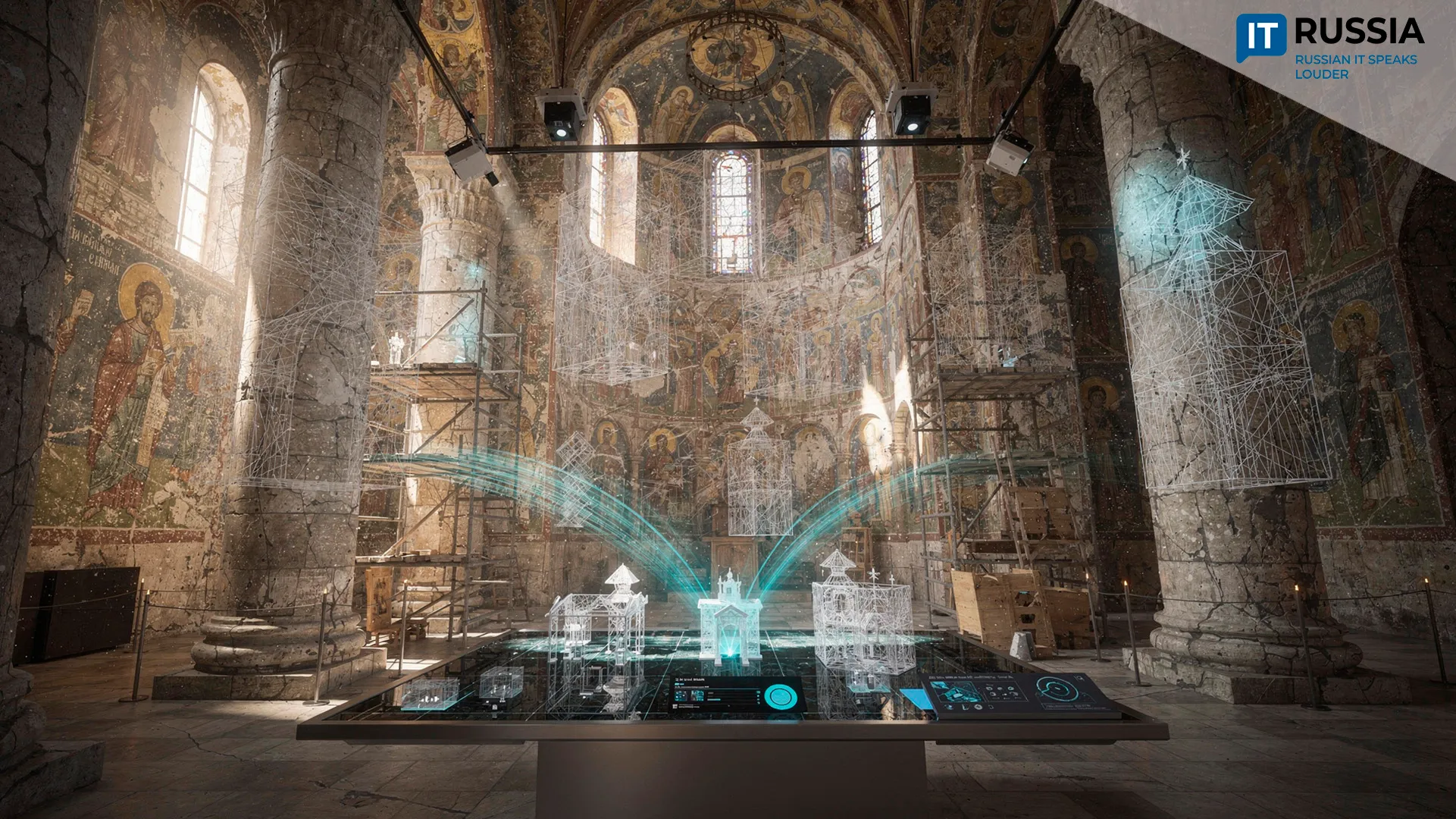
The Spaso-Preobrazhensky sobor was built during the reign of Grand Prince Vasily III and painted under his son, Tsar Ivan the Terrible. Today, the cathedral remains one of Yaroslavl’s defining landmarks and the only surviving example of monumental painting from the era of Ivan the Terrible.
Until now, the frescoes had never undergone complete photographic documentation, and the paintings themselves remained relatively understudied. Specialists from the Yaroslavl Museum-Reserve decided to change that. The multimedia project Polnaya publikatsiya monumentalnoy zhivopisi Spaso-Preobrazhenskogo sobora v Yaroslavle. 1563–1564 gody (Complete Publication of the Monumental Paintings of the Spaso-Preobrazhensky sobor in Yaroslavl. 1563–1564) is being funded through a presidential grant. The federal budget allocated 1 million rubles (about $13,000) for photographic documentation of the cathedral’s frescoes, while the Yaroslavl Museum-Reserve contributed an additional 300,000 rubles (about $4,000).
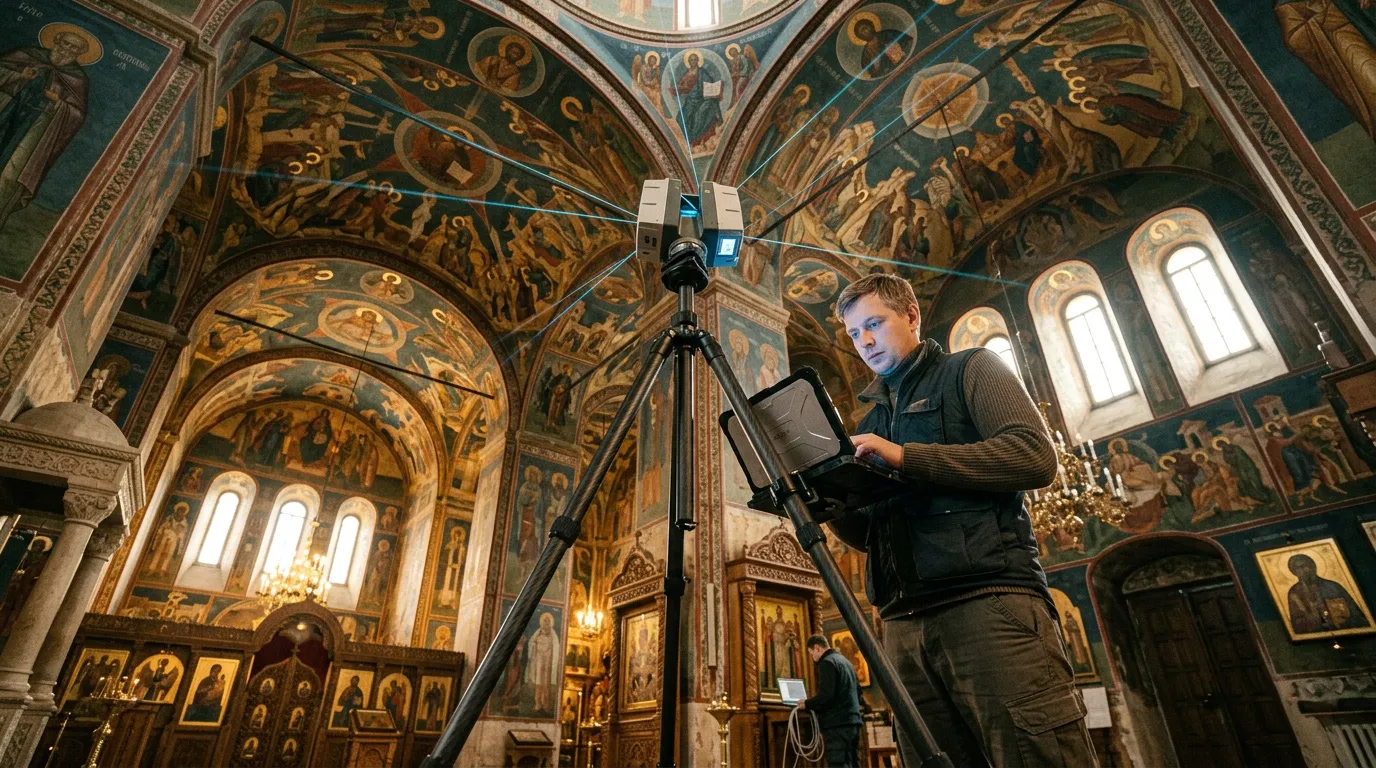
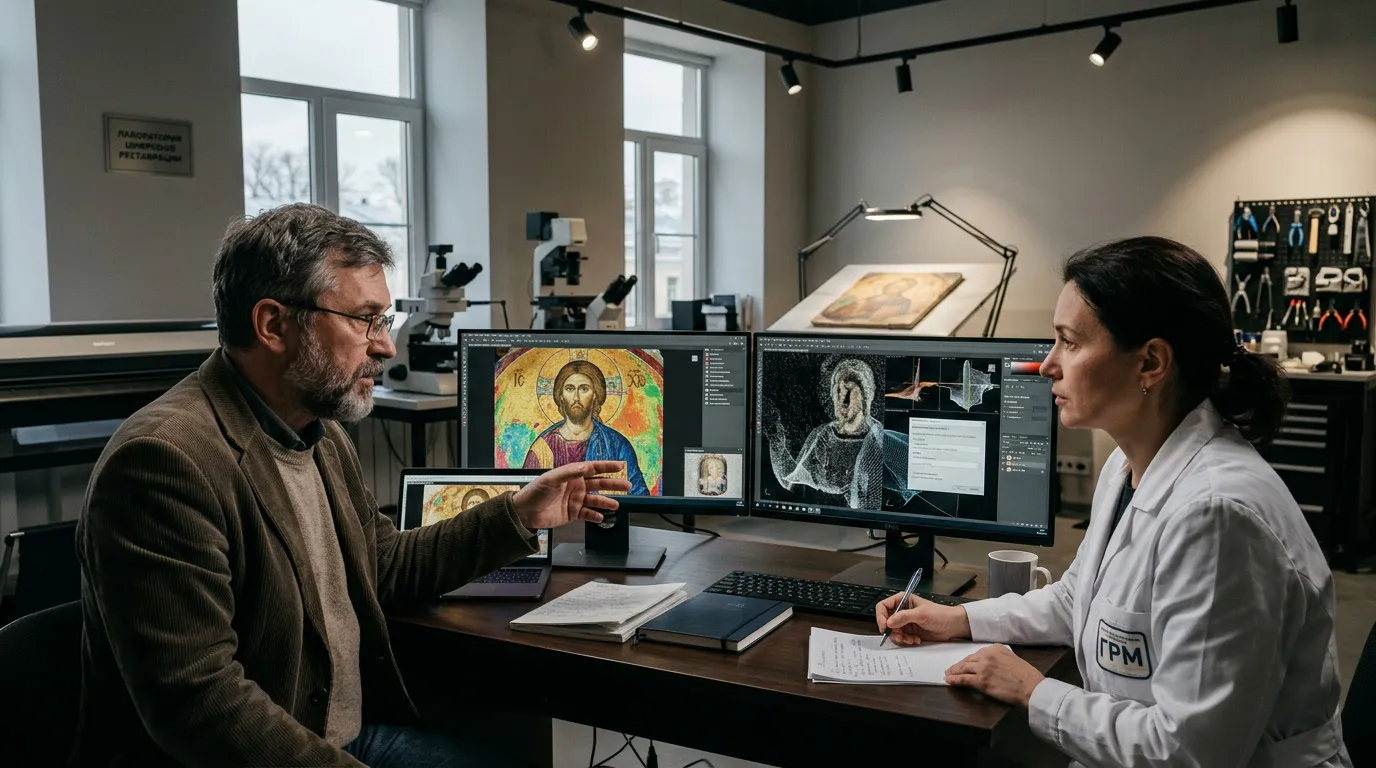
Photographers documenting and 3D-scanning the frescoes worked under unusually difficult conditions. They climbed construction scaffolding and used tripods extending up to 15 meters in length. Thanks to that painstaking process, visitors can now engage with the artwork in ways that were previously impossible.
Frescoes Will Appear on an Interactive Digital Table
The frescoes created during the reign of Ivan the Terrible have now been fully photographed, digitized and assembled into a single publicly accessible resource for the first time. Specialists from Demidov Yaroslavl State University transferred the images onto a dedicated digital platform that will include complete fresco maps, explanations of biblical scenes and scholarly commentary. The imagery reveals details that visitors standing below the cathedral walls simply cannot see with the naked eye.
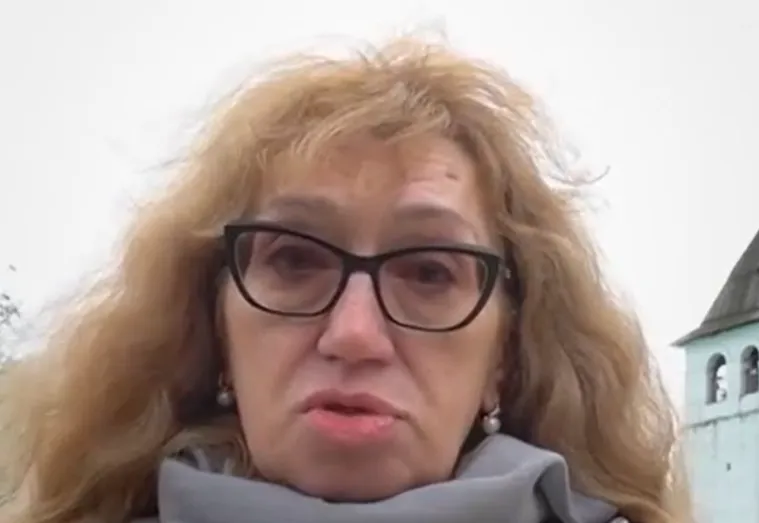
“When we saw the final result, we were absolutely astonished. We had never viewed the faces in these frescoes from such a close distance before. The cathedral’s wall paintings are distinguished by delicate craftsmanship, attention to detail and the individuality of the saints portrayed there. If we compare these murals with their counterparts in churches painted in the following century, that individuality already gives way to a certain standardization. These frescoes from the Spaso-Preobrazhensky sobor showed us just how little we truly know about Russian art from the time of Ivan the Terrible,” says project author Svetlana Blazhevskaya, deputy director of the Yaroslavl Museum-Reserve.
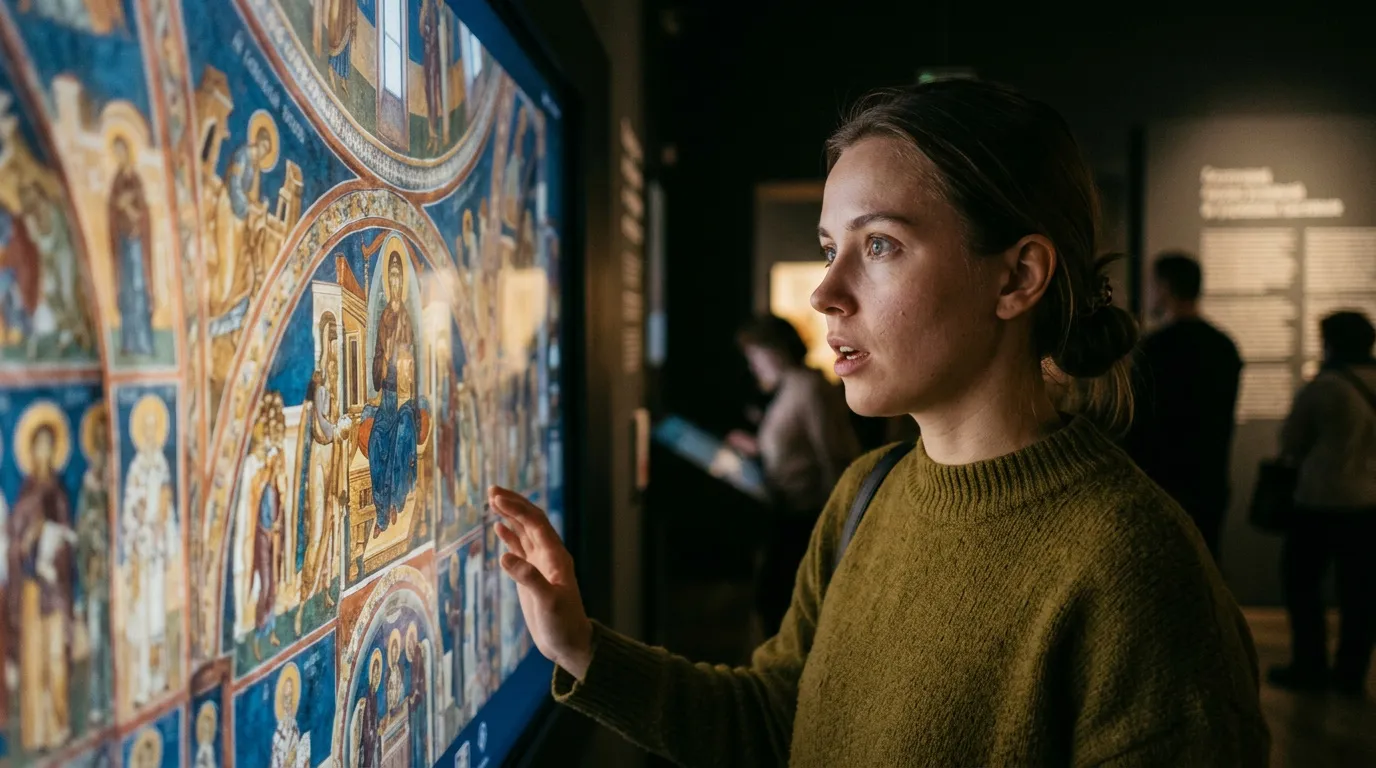
The completed digital product will be installed on a dedicated interactive table inside the Spaso-Preobrazhensky sobor itself.
“Starting with the next tourist season, we will install a touchscreen kiosk where visitors will be able to select an image they are interested in and view it in high magnification. They will also receive commentary explaining the scene depicted there,” explained Alla Khatyukhina, director of the Yaroslavl Museum-Reserve.
A Stream of Virtual Tourists
For Yaroslavl, the project creates an opportunity to present the Spaso-Preobrazhensky sobor at both the national and international level. Large tourist flows place additional strain on historical monuments, which is why museums increasingly rely on hybrid formats that combine in-person tours with online experiences.
The newly captured materials will become the foundation for interactive tours, multimedia lessons, educational programs, virtual exhibitions and tourism routes across Yaroslavl. One especially promising format combines a physical cathedral visit with digital screens or mobile services that allow visitors to zoom in on hard-to-see details.
The project is also expected to support restoration specialists and researchers. Digital documentation creates a “control copy” of the monument’s condition at a specific point in time. That becomes important for monitoring fresco preservation, planning restoration work and producing scholarly analysis of the artwork. Within museum practice, 3D models and digital twins are increasingly viewed as practical tools for both researchers and restoration teams.
A rare example of Old Russian monumental painting will soon become accessible through a digital platform.
How Museums Are Reinventing Heritage Preservation
The IT sector is entering a period of much closer collaboration with museums and cultural heritage sites. Organizations are increasingly turning to technology professionals for new ways to preserve historical artifacts and architecture. The trend also highlights how IT tools are moving beyond traditional commercial industries into applied cultural use cases, including computer vision, 3D scanning, digital archives, museum interfaces, ultra-detailed imaging and the storage and publication of large-scale visual datasets. Russian developers are rapidly establishing a presence in this niche.
Over the next several years, projects like this are expected to become standard practice for major museums and historical landmarks. The most promising direction involves combining 3D models, scholarly descriptions, virtual tours, educational content and restoration data into unified digital platforms. For regional institutions, that creates an opportunity to promote cultural heritage not only through tourism, but also through digital products and online engagement.