

Industrial-Scale Safety: Smart Testing System Deployed at Solikamsk Magnesium Plant
At the Solikamsk Magnesium Plant in Perm Krai, an automated AVITs-880 unit has gone into operation to test one of the most critical pieces of personal protective equipment used in heavy industry. The move underscores how Russian manufacturers are tightening industrial safety standards through automation and digital control.
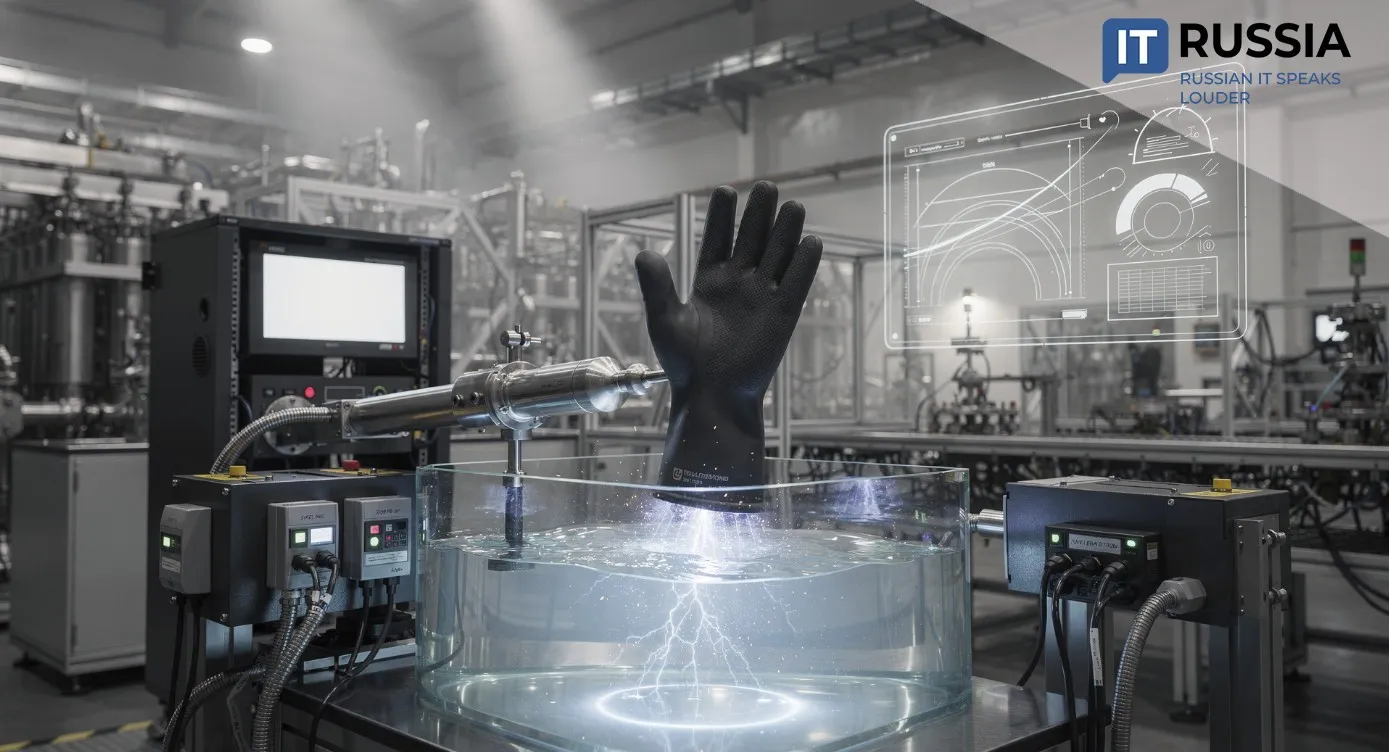
Dielectric gloves are a critical layer of protection for anyone working with electrical equipment. Made from specialized rubber or polymer compounds that do not conduct electricity, they allow workers to safely handle live components. For operations up to 1,000 volts, these gloves serve as primary protection. At higher voltages, they function as an additional safeguard in combination with other personal protective equipment, or SIZ (personal protective equipment).
Electricians, power engineers, electrical technicians, and part of the staff at nuclear power plants and metallurgical facilities rely on them daily. Even a microscopic breakdown in the insulating layer can result in severe injury or death. For that reason, testing SIZ at such enterprises is conducted on a regular schedule. The difference now is that the process is handled by smart equipment rather than solely by human operators.
Strategic Production in Northern Perm Krai
The Solikamsk Magnesium Plant is part of Rosatom’s Mining Division and accounts for up to 40 percent of Russia’s magnesium production. The facility is located in the northern part of Perm Krai, about 380 kilometers from the regional capital. In addition to magnesium, the plant extracts and processes rare earth metals including niobium and tantalum – strategic materials used in nuclear and aerospace industries.
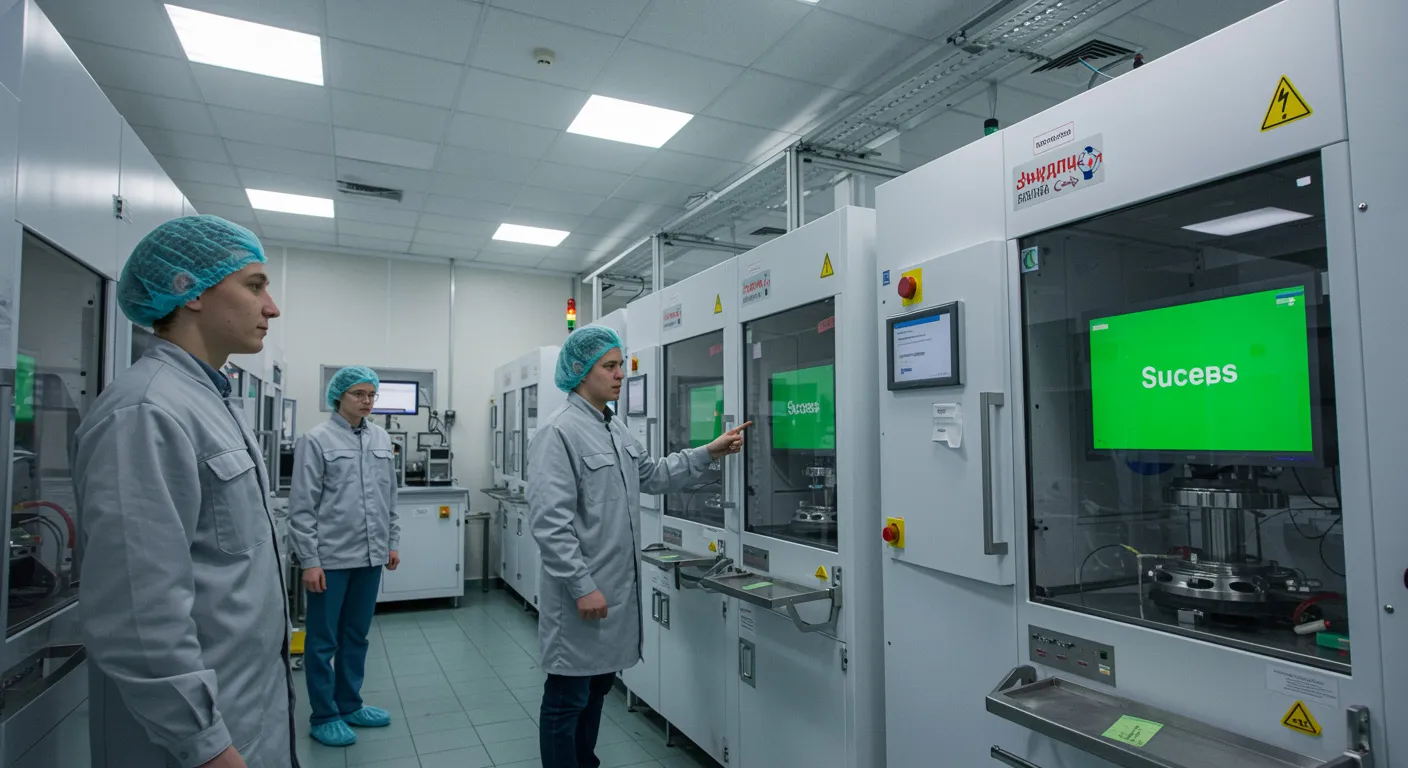
Operating high-voltage equipment at the plant requires strict oversight of personal protective equipment. Previously, dielectric gloves were tested manually. An operator would submerge each glove in a water bath, apply voltage, and visually identify breakdowns. That approach left room for human error. Fatigue, distraction, or subjective judgment could result in a defect being overlooked. For an electrical technician working at 6 – 10 kilovolts, the consequences could be fatal.


How AVITs-880 Works
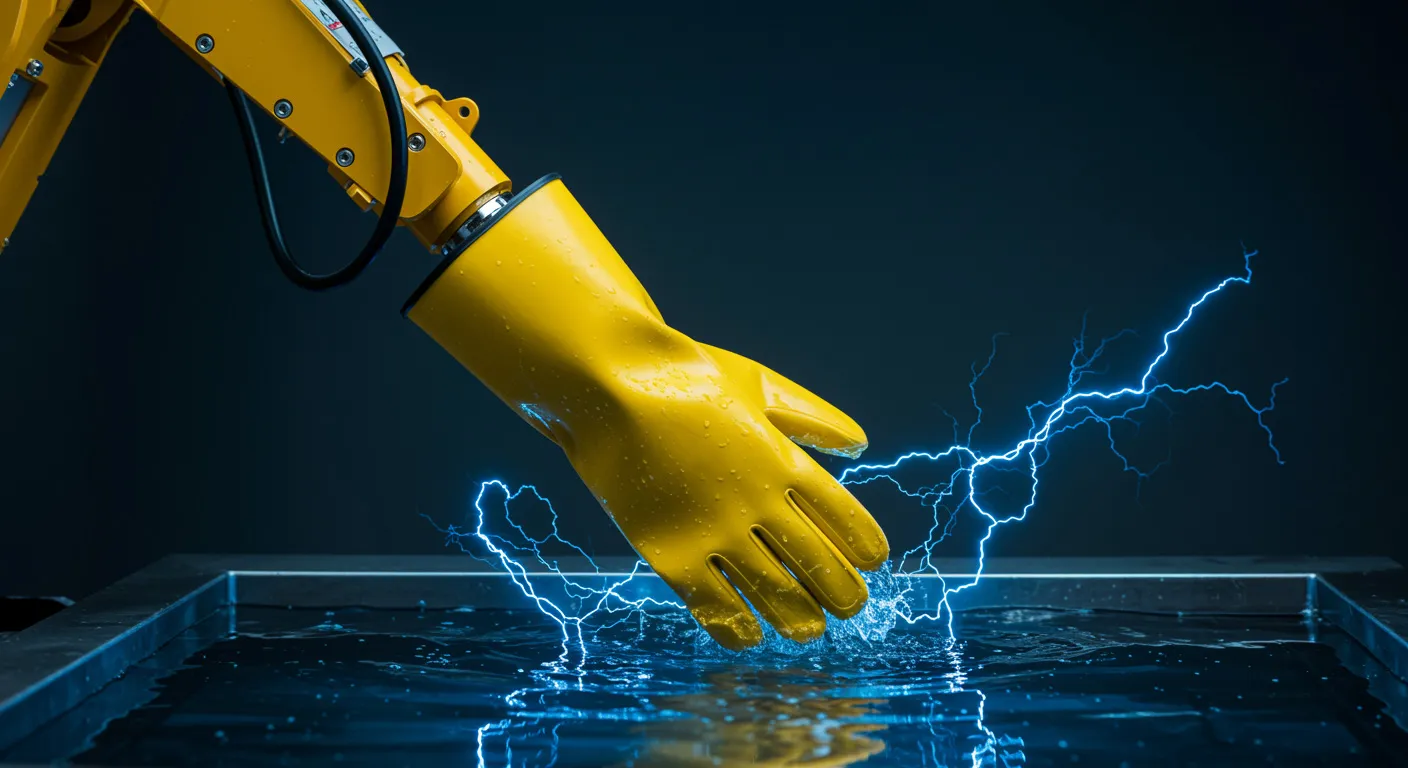
The new AVITs-880 system fully automates the testing process. A glove is placed onto a specialized electrode, submerged in dielectric fluid, and subjected to voltage of up to 6 kilovolts. Built-in sensors continuously scan the glove and detect even the smallest current leakage. The operator monitors the procedure in real time on a display screen but does not intervene in the test cycle.
A defining feature of the system is its decision-making algorithm when defects are detected. If the sensors register a breakdown in even a single glove from a batch, the unit automatically initiates retesting of all items in that series. This prevents defective products from entering service due to inattention or time pressure. The full testing cycle takes no more than two minutes – three times faster than the previous manual method.

Industrial Safety as a Strategic Priority
For electrical technicians working in magnesium production, dielectric gloves represent their primary defense against electric shock. The plant operates high-capacity electrolyzers where voltage can reach tens of kilovolts. Even a microscopic puncture in a glove can pose a lethal threat.
Automating SIZ quality oversight forms part of a broader industrial safety strategy at the plant. Over the past three years, the facility has introduced a video monitoring system capable of detecting violations of occupational safety rules, sensors that track concentrations of hazardous substances in workplace air, and personal dosimetric monitoring devices for staff.
Toward a Full Spectrum of PPE
The current version of AVITs-880 is designed to test dielectric gloves, but it was built with future expansion in mind. Plans include adapting the system to evaluate other protective equipment such as rubber boots, insulating mats, voltage indicators, insulating rods, and specialized tools.
Particular interest centers on the system’s ability to test multilayer composite materials that are increasingly used in next-generation protective gear. These materials require comprehensive evaluation of both electrical and mechanical properties. The digital platform allows additional sensors and algorithms to be integrated without replacing the core hardware, making long-term automation investments economically justified.
Automating routine inspection tasks is already reducing monotorious workload, improving production safety, and increasing the reliability of protective equipment used across high-risk industrial environments.