

Natalka Advances Monitoring: Slope Stability System Upgraded at Gold Mine
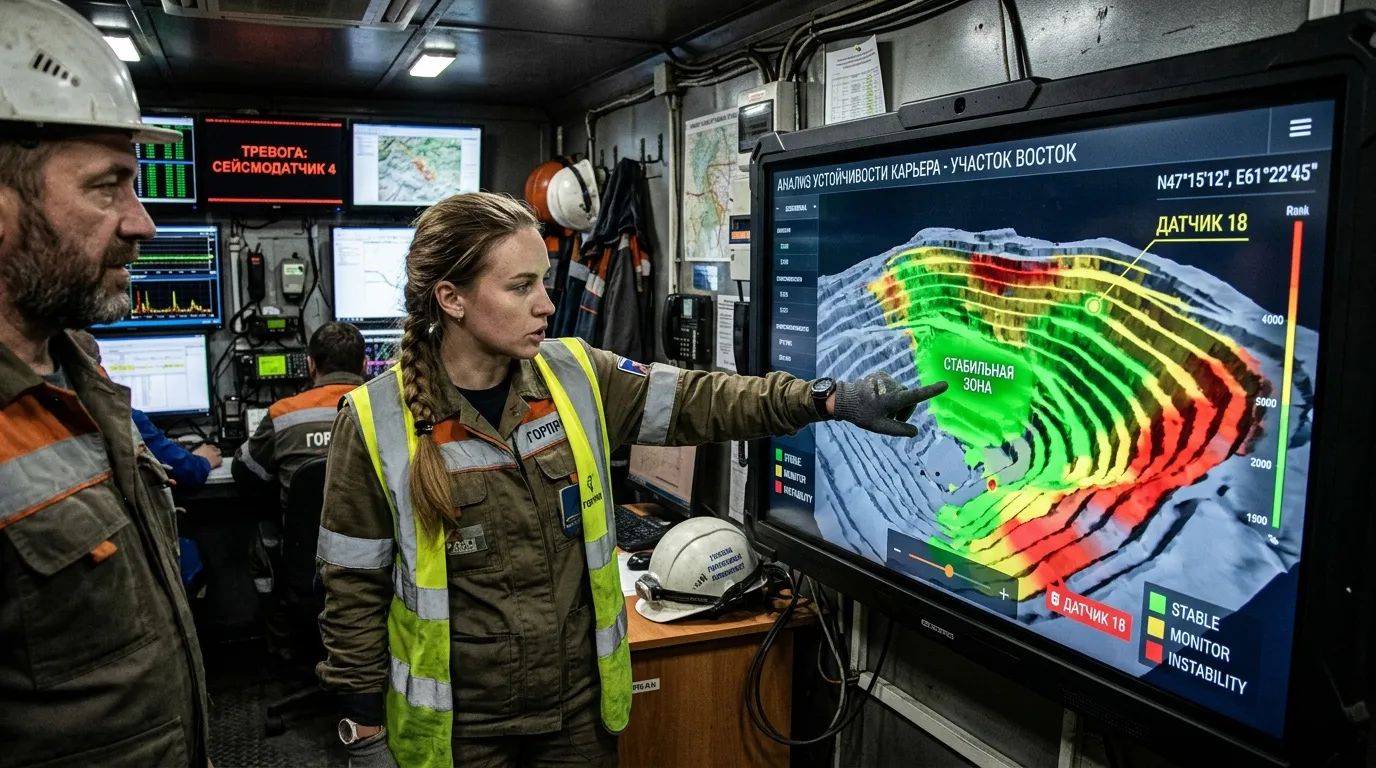
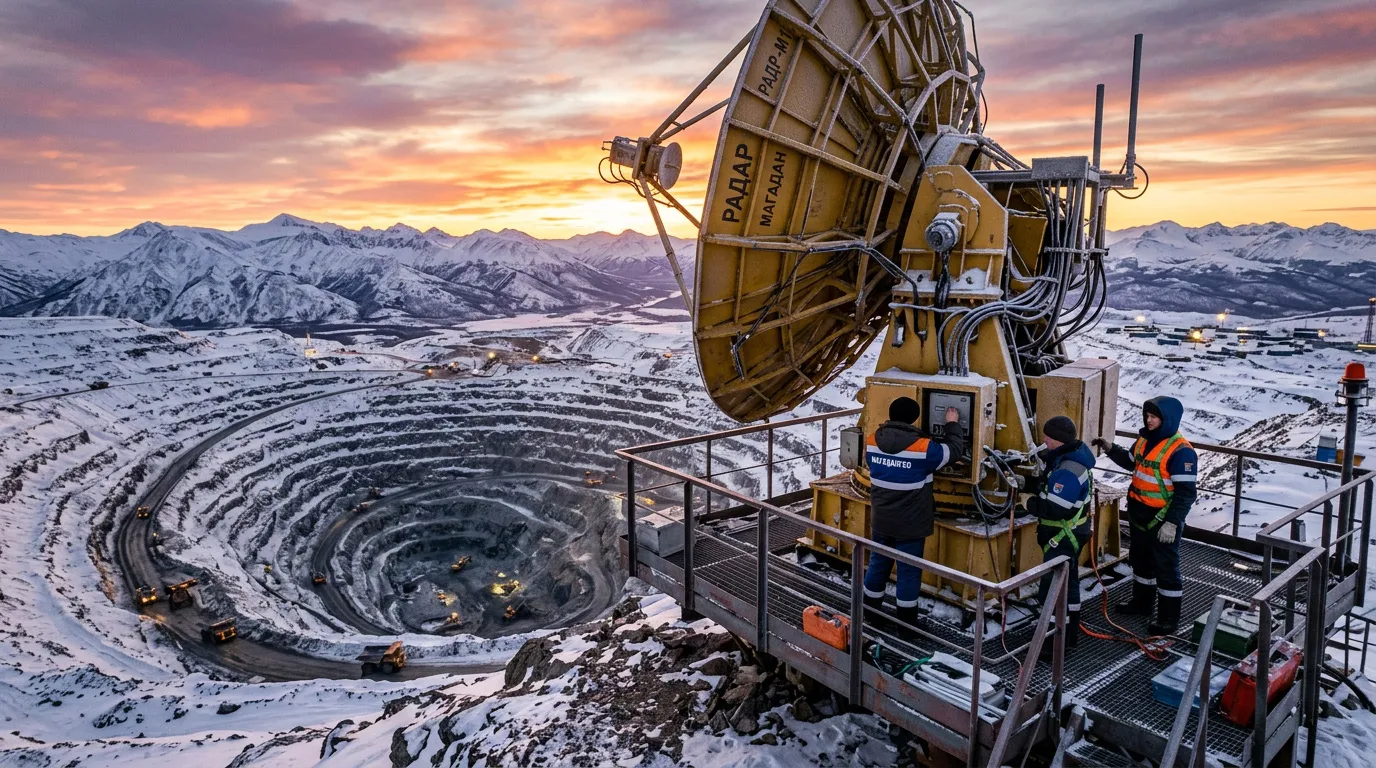
At the Natalka gold deposit operated by Polyus, a third radar has been commissioned for slope stability monitoring, extending coverage to remote areas and enabling detection of even sub-millimeter ground movements.
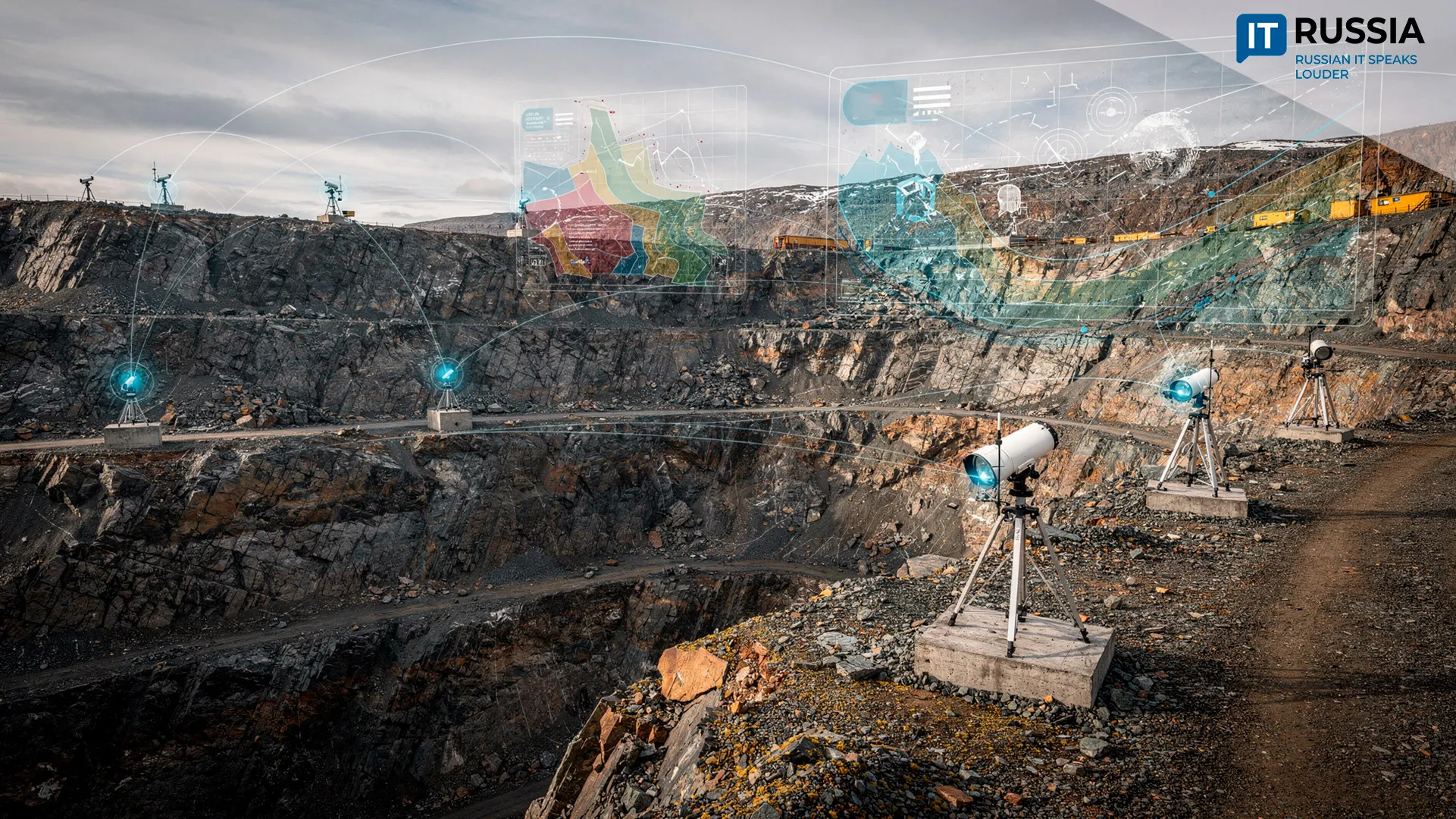
Early identification of potential instability gives management more room to respond. Teams can evacuate personnel and equipment from high-risk zones or take measures to reinforce pit walls. While slope instability is an inherent risk in active open-pit mining, in practice it can be anticipated and managed.
Advance Warning Capability
Polyus now provides one of the most large-scale examples of digitalisation in industrial safety. Importantly, the deployment has taken place at a key operating asset – the Natalka deposit. Given the results, the approach is likely to be replicated across other company sites.
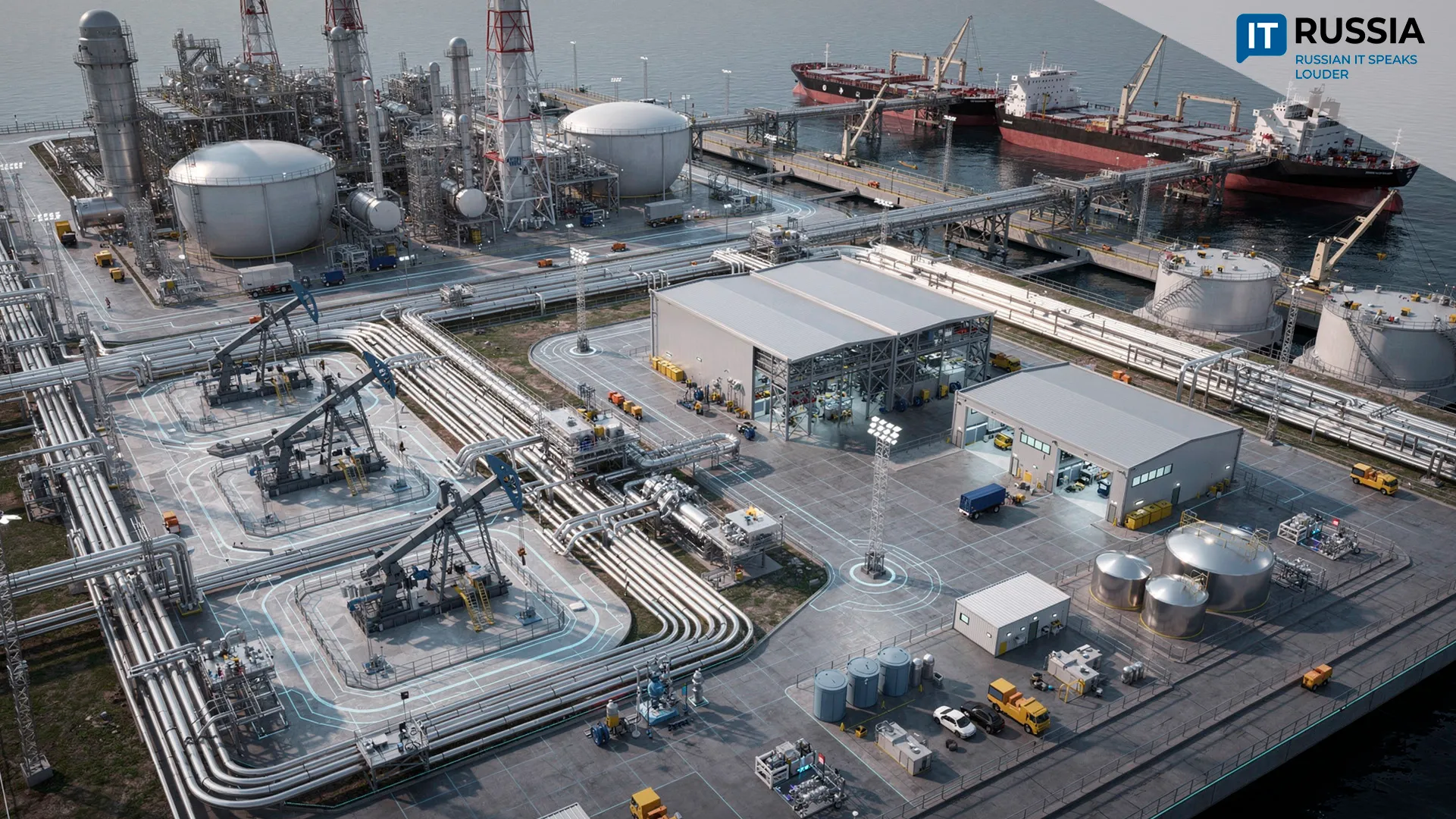
Across the sector, a broader class of industrial digital systems is taking shape. These include geotechnical monitoring, deformation analytics, early warning systems and the integration of radar, UAVs, geospatial data and dispatch platforms. For Russia’s IT sector, this reflects steady demand from heavy industry for industrial IT, predictive analytics, data visualisation, digital twins of mines and risk management software.
Closer Look at the Asset
Natalka, located in the Tenkinsky district of the Magadan Region, is one of the largest gold deposits in Russia and globally. The deposit was discovered in 1942, with underground mining beginning in 1945. Until the mid-1950s, operations relied on forced labour from Gulag prisoners and special settlers. A gold processing plant equipped with new technology began operating in 1972. Open-pit mining started in 1990. Production was suspended in 2004, followed by intensive exploration.
In 2012, Polyus began construction of a mining and processing facility with a capacity of up to 10 million tonnes of ore per year. Mining resumed in 2017. In October 2025, the company reported reaching a milestone of 100 tonnes of gold produced.
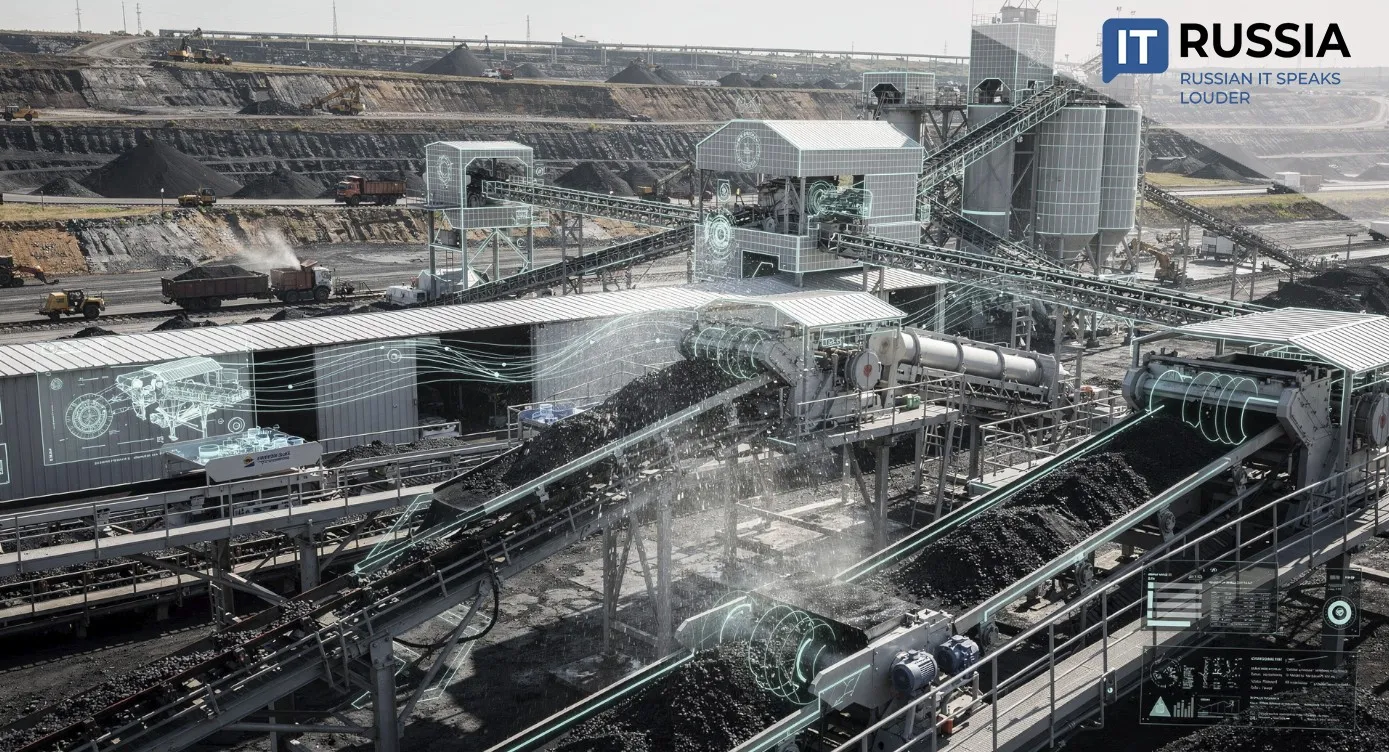
The operation uses modern technologies, including ball mills, flotation units and a fully automated ore crushing and conveyor system that transports ore from the pit to the processing plant. Automated control systems are also in place, with processes monitored in real time through analytical software to optimise gold recovery.
In 2024, the Natalka deposit produced about 14 tonnes of gold. At planned production levels, the mine life is expected to exceed 30 years.
Digital Safety Matures
The implementation at Natalka reflects a broader shift in mining from reactive to proactive safety models. This is reinforced by regulatory requirements for pit wall stability set out in federal industrial safety standards overseen by Rostekhnadzor, which are in force until January 1, 2027. More broadly, digital systems are becoming part of core safety infrastructure rather than optional tools. That trend is driving adoption of radar monitoring, LiDAR, InSAR, deformation analytics and early warning technologies. It is also opening opportunities for Russian software developers, system integrators and technology providers.
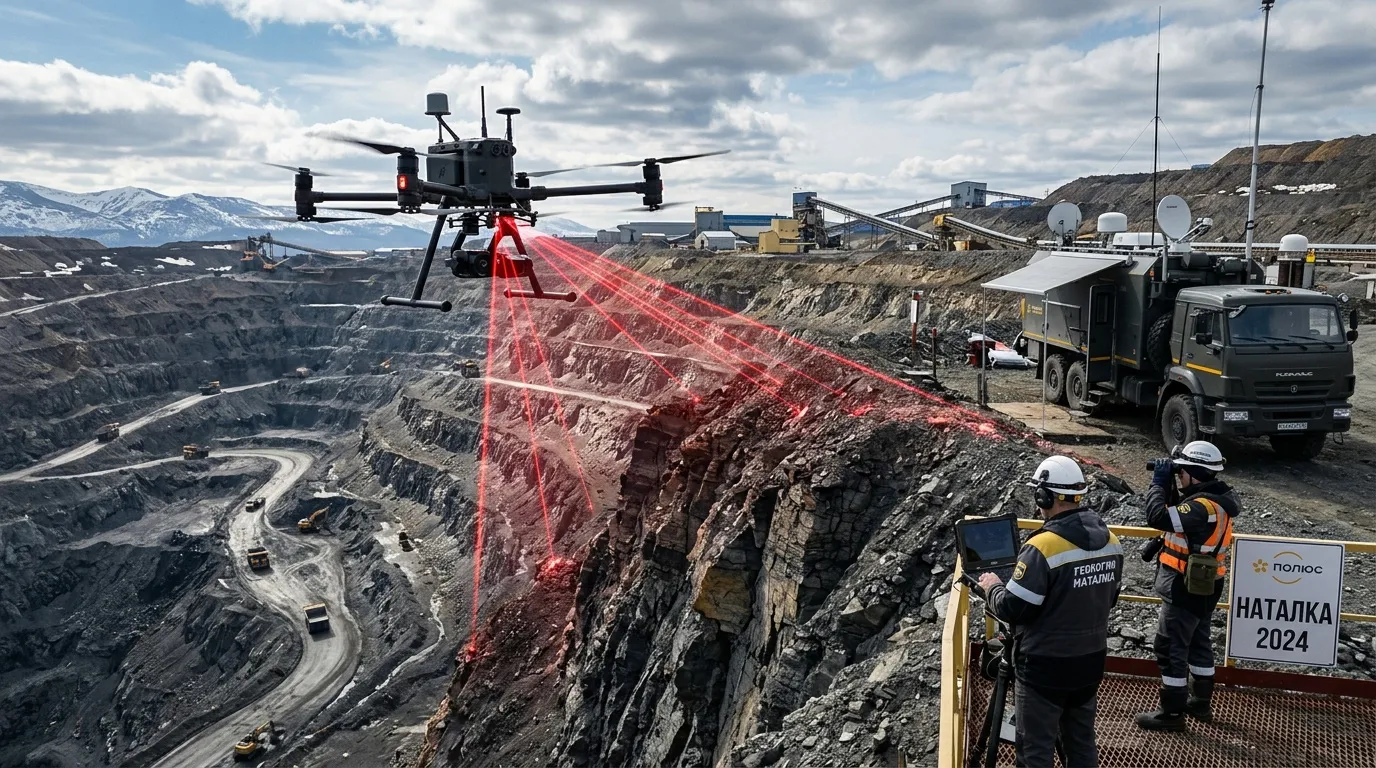
Radar-based slope monitoring at Natalka began in 2021, when a GroundProbe SSR-XT system was deployed to track rock mass movement and predict potential failures. Since 2022, UAVs have also been used to monitor mining operations. Together, these technologies show how the site has steadily expanded its monitoring capabilities.
The Russian mining sector is entering a more mature phase of digital safety. As pits grow larger and the cost of downtime or failure increases, continuous monitoring, deformation analytics and rapid data-driven decision-making become critical.