Neural Networks Inspect Hydropower Plants: RusHydro Turns Drones Into Digital Inspectors
RusHydro has dramatically increased the efficiency of hydroengineering infrastructure inspections. Most of the work is now performed by UAVs and artificial intelligence systems.
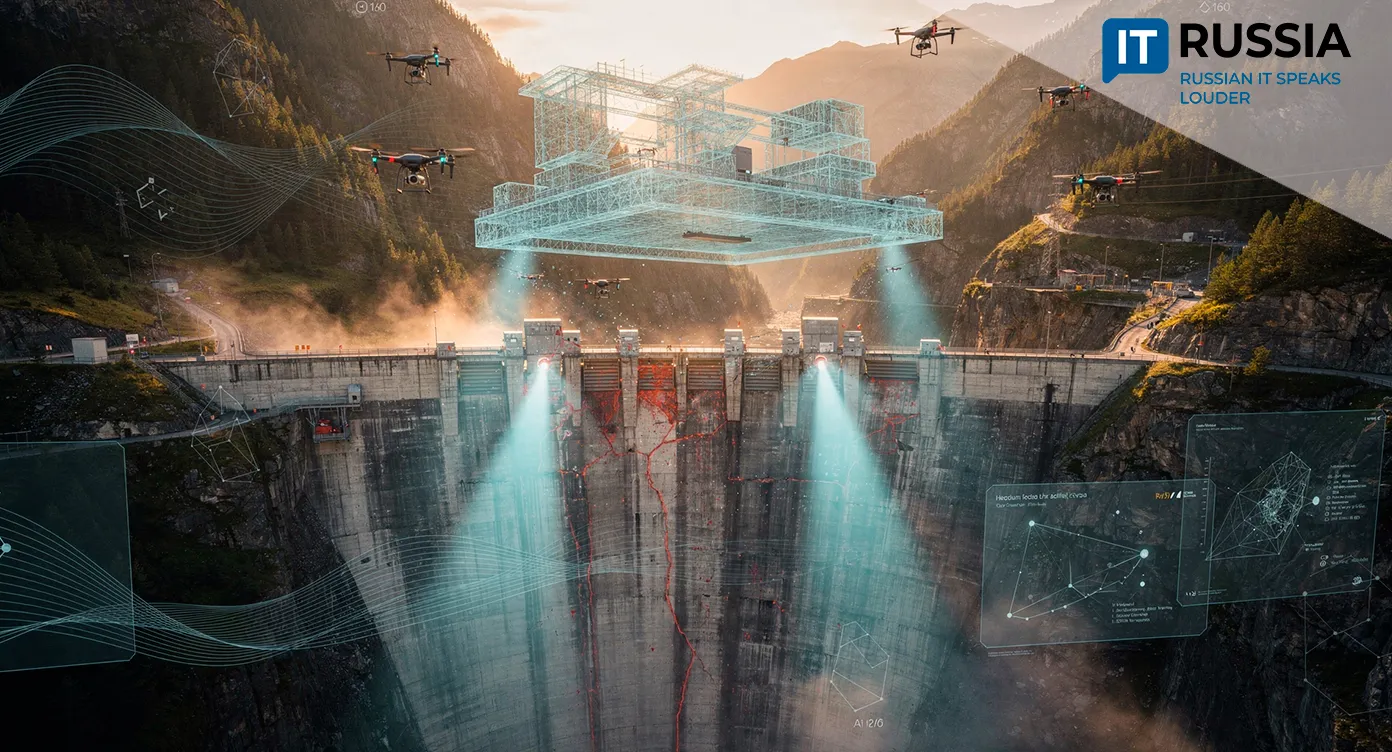
Traditional walkthroughs and visual inspections of hydroengineering structures are gradually becoming obsolete, or at least reserved for cases where direct human involvement remains unavoidable. RusHydro has begun using an integrated inspection approach that combines UAVs, photogrammetry and artificial intelligence across its facilities.
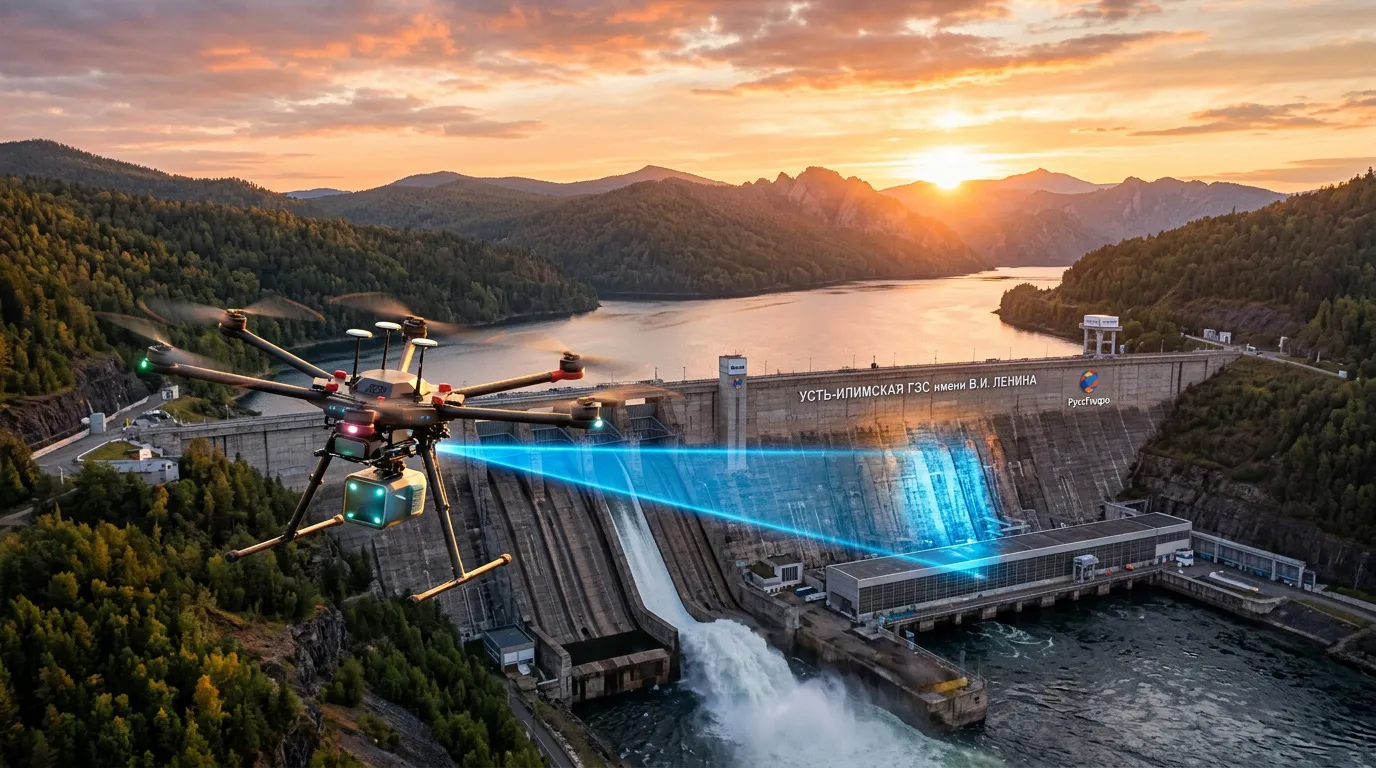
The UAVs fly around hydropower dams that often exceed 200 meters in height, while the total length of the structures stretches for dozens of kilometers. During a single 30-minute flight, a drone captures thousands of images, although a full inspection cycle still takes several days. The collected footage is then processed into a 3D model of the facility capable of revealing even minor defects, including cracks and corrosion on metal components.
The resulting digital twin of the hydroengineering structure is analyzed by a specially trained neural network system that identifies all detected damage and classifies it by severity. At the same time, the digital twin allows engineers to track changes affecting both the facility and the surrounding area during future inspections.
According to company representatives, drones had previously been used to survey hydroengineering structures, but specialists processed the collected data manually. In practice, one hour of UAV operation required roughly 110 hours of analysis. After neural networks were integrated into the workflow, that figure dropped to 28 hours. Overall, RusHydro estimates that monitoring efficiency has improved by 90%. All of this strengthens the operational reliability of hydroengineering facilities and allows maintenance teams to plan repair work more effectively.
From the Sayano-Shushenskaya Hydropower Plant to Export Markets
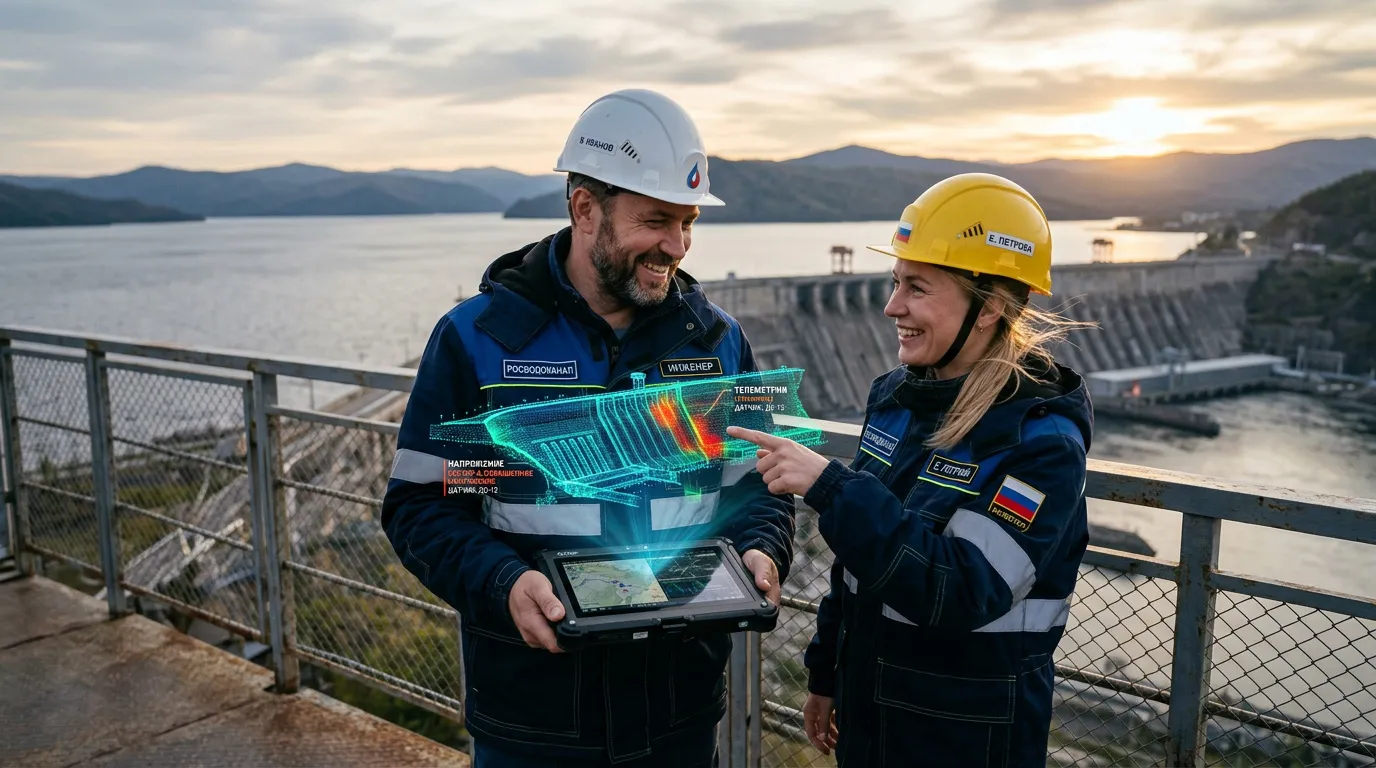
UAV systems are already being used to inspect the Sayano-Shushenskaya, Novosibirsk and Ust-Srednekanskaya hydropower plants. RusHydro plans to expand the practice to additional company facilities in the near future.
The holding company is also developing a new operational standard for hydroengineering structures that includes extensive deployment of AI technologies. Together with Vedeneyev VNIIG, the company has prepared regulatory guidelines governing the use of UAVs during hydropower plant inspections.
Over time, once the technological stack and proprietary software platform are fully refined, the solution could also be exported to friendly countries operating large hydropower facilities. However, developers will need to account for restrictions tied to third-party access to data from critical infrastructure assets.
From Power Line Surveys to Digital Twins of Dams
RusHydro has actively introduced UAV systems for facility inspections over the past several years, and the effort extends beyond hydroengineering structures alone.
For example, in 2022, unmanned systems were used to diagnose high-voltage transmission lines in Sakhalin and the Amur Region.
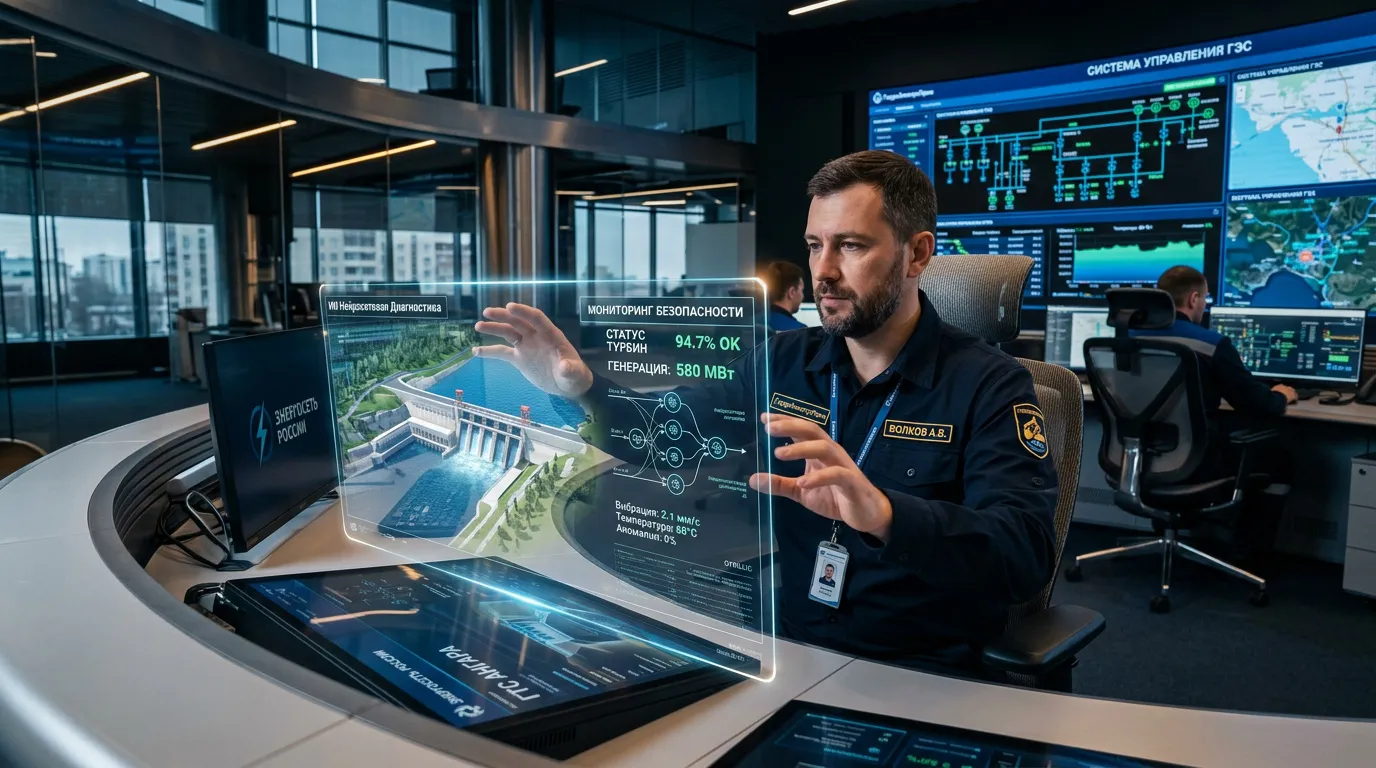
In 2024, the company announced work on an information and diagnostic monitoring platform for hydroengineering structures under the Electricity Industry Industrial Competence Center initiative. The project specifically focused on an integrated approach that included AI-driven diagnostics for more than 700,000 pieces of equipment across the holding’s facilities, along with the creation of full-scale digital twins for hydropower plants.
From Pilot Project to Industry Standard
RusHydro’s deployment of combined UAV and neural network systems for infrastructure monitoring suggests that industrial AI is moving into large-scale real-world operation. In the near future, the approach is expected to expand across all hydropower plants within the holding company.
That transition is also likely to create a strong stimulus for Russia’s IT sector, which will be tasked with developing both specialized software and advanced monitoring hardware.
Just as importantly, the technology can be adapted for inspections of similarly large industrial facilities in other sectors, including petrochemicals, metallurgy, water management and transportation infrastructure.
For Russian residents, this means more reliable energy infrastructure. For the country as a whole, it reinforces the broader push toward import substitution and technological independence in a critically important engineering segment.