Roadside AI Is Set to Make Neighborhoods Cleaner
Kaliningrad Region has launched a pilot project using AI-powered video monitoring to oversee waste collection sites. The first smart monitoring system is now operating in the town of Guryevsk.
AI systems have already demonstrated strong results in several Russian regions. In the near future, they could become a standard technology for municipal waste management.
Keeping an Eye on Municipal Solid Waste? Easily.
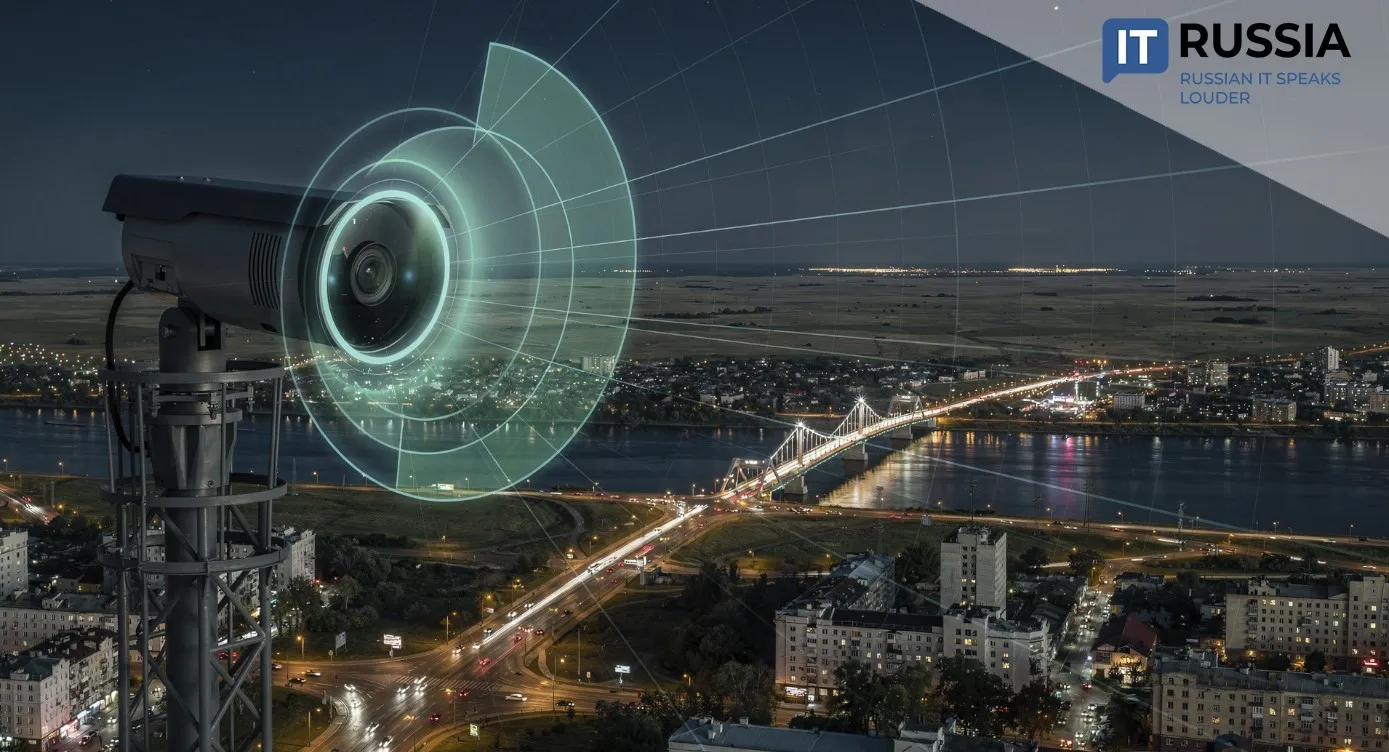
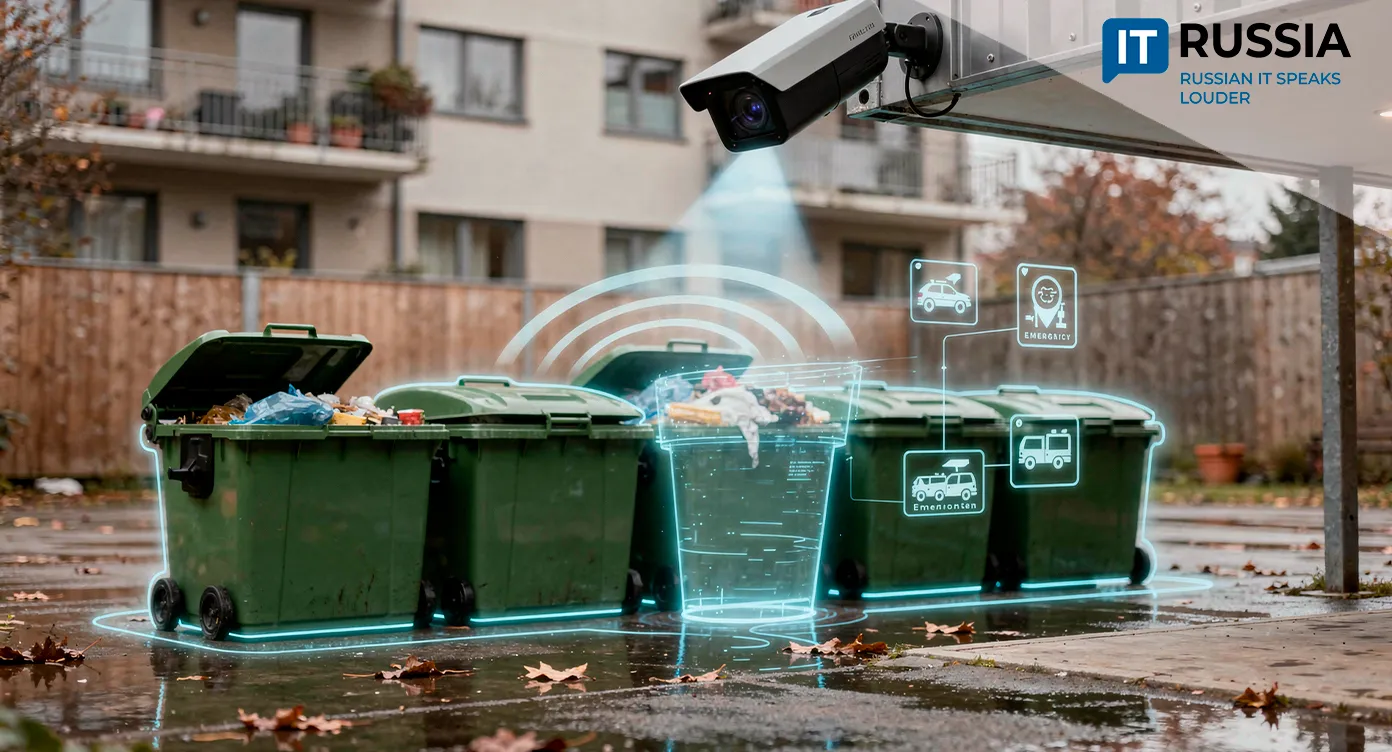
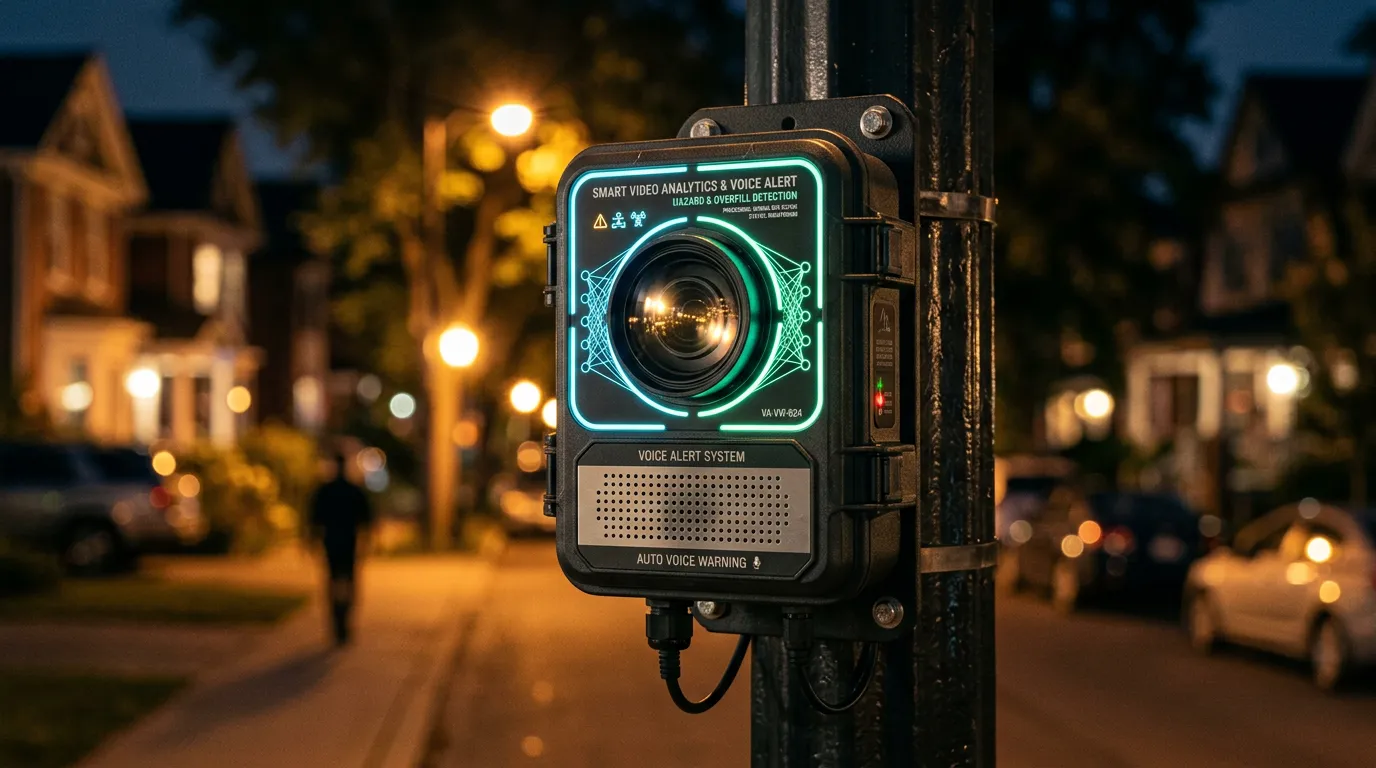
A digital "watchman" has been installed at one of Guryevsk's most problematic waste collection sites, where construction debris, used tires, and tree-cutting waste had frequently accumulated. The new system combines a video camera, a voice alert module, and AI-powered software.
In real time, the neural network detects a wide range of violations, from overflowing containers and illegal dumping outside designated bins to unauthorized disposal of bulky waste, blocked access for garbage trucks, and even stray animals or fires.
The system does more than observe – it responds. When a violation is detected, a loudspeaker issues an audio warning. If an incident escalates into a dangerous situation, such as a fire started by a smoldering cigarette inside a waste container, the system automatically notifies Russia's emergency service through the 112 dispatch network. The municipal agency Delo has already reported its first results: during the first month of operation at the pilot site, there was not a single case of unauthorized waste dumping.
A Smarter Approach to Waste
More than 2.5 billion metric tons of municipal solid waste are generated worldwide every year. According to the World Bank, that figure continues to grow and could reach 3.4 billion metric tons by 2050. Sorting and recycling are key to keeping waste out of landfills, where it harms the environment. Russia plans to sort 100% of its municipal waste by 2030 while cutting the volume sent to landfills in half as part of its transition toward a circular economy. One initiative under discussion involves producing fuel from waste to generate both heat and electricity. Up to 12 million metric tons of such fuel could be produced from 48 million metric tons of municipal solid waste.
Major progress, however, begins in individual neighborhoods. In 2021, Rostelecom launched an earlier pilot in the town of Zverevo in Rostov Region. Even then, the system prevented multiple cases of illegal dumping and reduced container overflows by 20%. In 2024, the Russian Environmental Operator (REO) introduced the Driver FGIS UTKO mobile application, allowing garbage truck drivers to submit photos of collection sites for AI analysis. By 2026, REO's monitoring network covers more than 1.2 million waste collection sites across the country.
The Moscow Region is also making extensive use of AI to identify vehicles blocking access to waste containers. Its Bezopasny Region (Safe Region) system records thousands of such incidents, helping reduce disruptions to waste collection by 44%.
One Project, Many Cities, One Cleaner Future
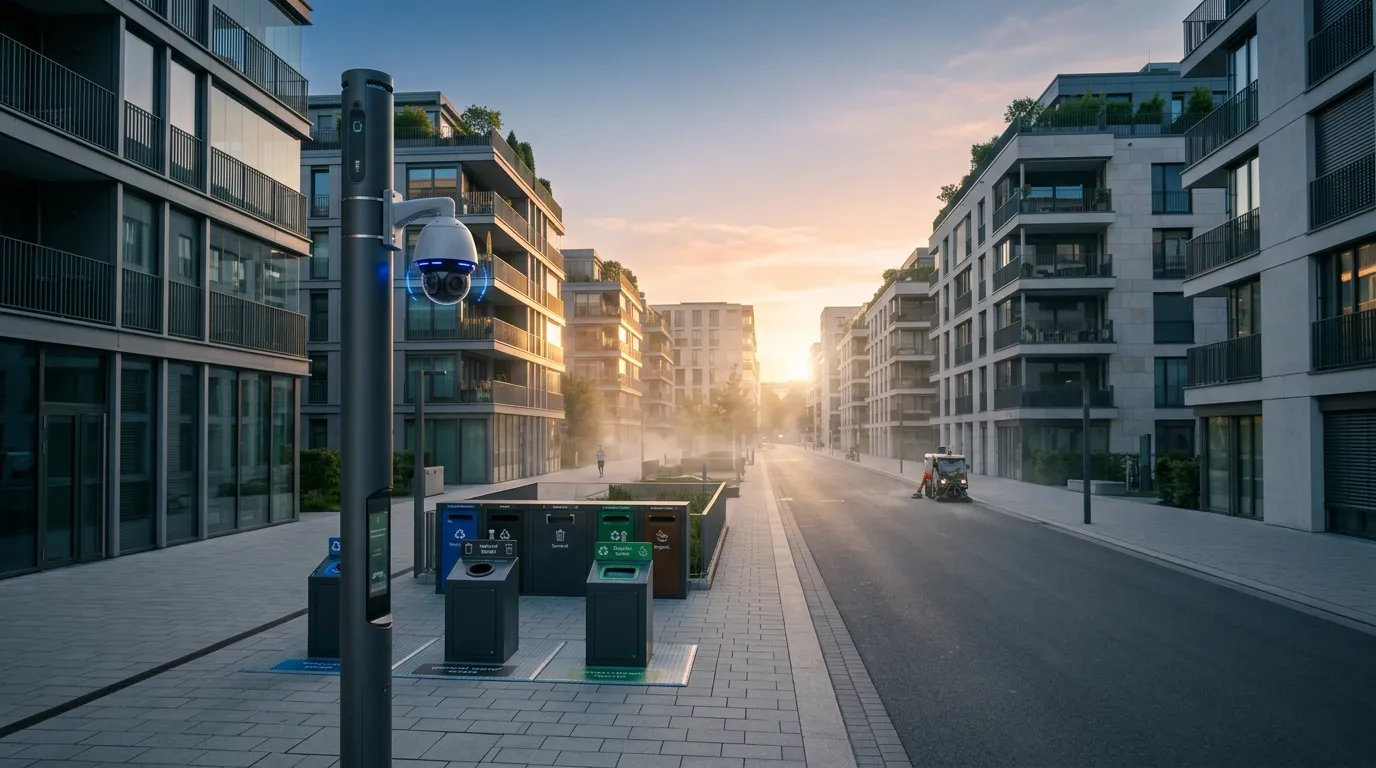
Projects like the one in Guryevsk encourage residents to become more environmentally responsible while making neighborhoods cleaner. Over time, intelligent monitoring could become part of a unified Smart City ecosystem. It could be integrated with regional Safe City platforms, municipal utilities management systems, and the dispatch centers of regional waste operators. Beyond monitoring, the AI could also optimize logistics. By analyzing changes in container fill levels over time, the algorithms could adjust collection schedules and optimize garbage truck routes, reducing both fuel consumption and operating time.
Integrated systems combining cameras, Russian-developed software, voice alerts, and emergency service connectivity could become a standard component of smart urban infrastructure in large cities. Because the project relies on domestically developed software, it is also expected to drive new advances in cloud-based video surveillance and municipal utilities automation.