Rostec’s New Shipborne Communications Station Proves Reliability in Harsh Conditions
The system maintained stable performance at high vessel speeds and during severe storms, underscoring the resilience of Russia’s next-generation maritime communications infrastructure.
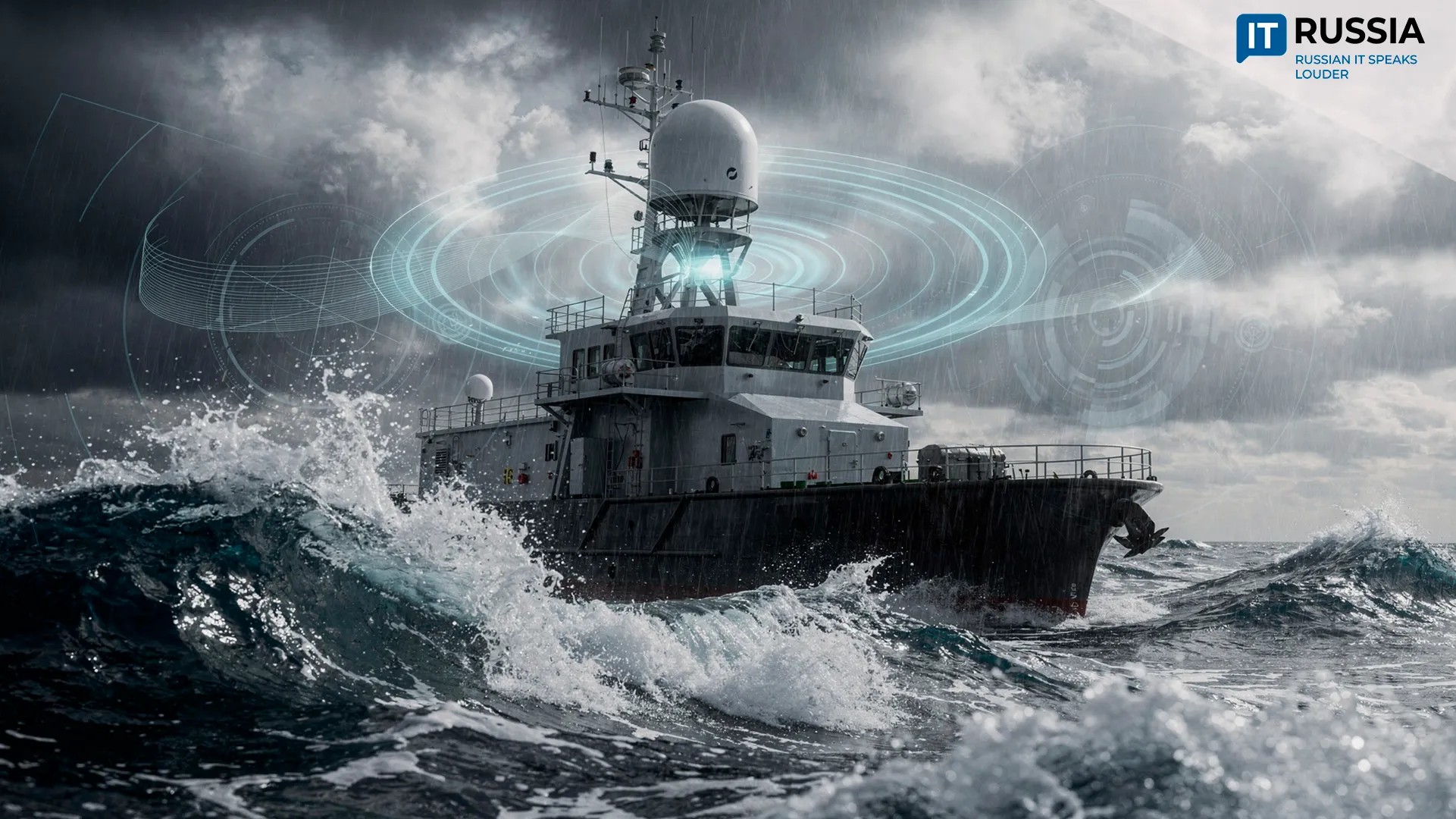
In recent years, Russia has been expanding its maritime presence. A critical enabler of that strategy is reliable communications infrastructure capable of operating in extreme weather conditions far from shore.
Reliable by Design
These requirements are met by the new shipborne communications station Prisma-2. Developed by entities within Rostec, the system operates via satellite links in the C-band. This frequency range is widely regarded as more resistant to precipitation, enabling year-round connectivity for vessels operating in open waters.
The station’s antenna unit features a specialized radome with radio-transparent properties. It protects equipment from water exposure and temperature fluctuations without degrading signal transmission. As a result, communications remain stable and maintain high quality even under adverse environmental conditions.
Built for Continuous Operation
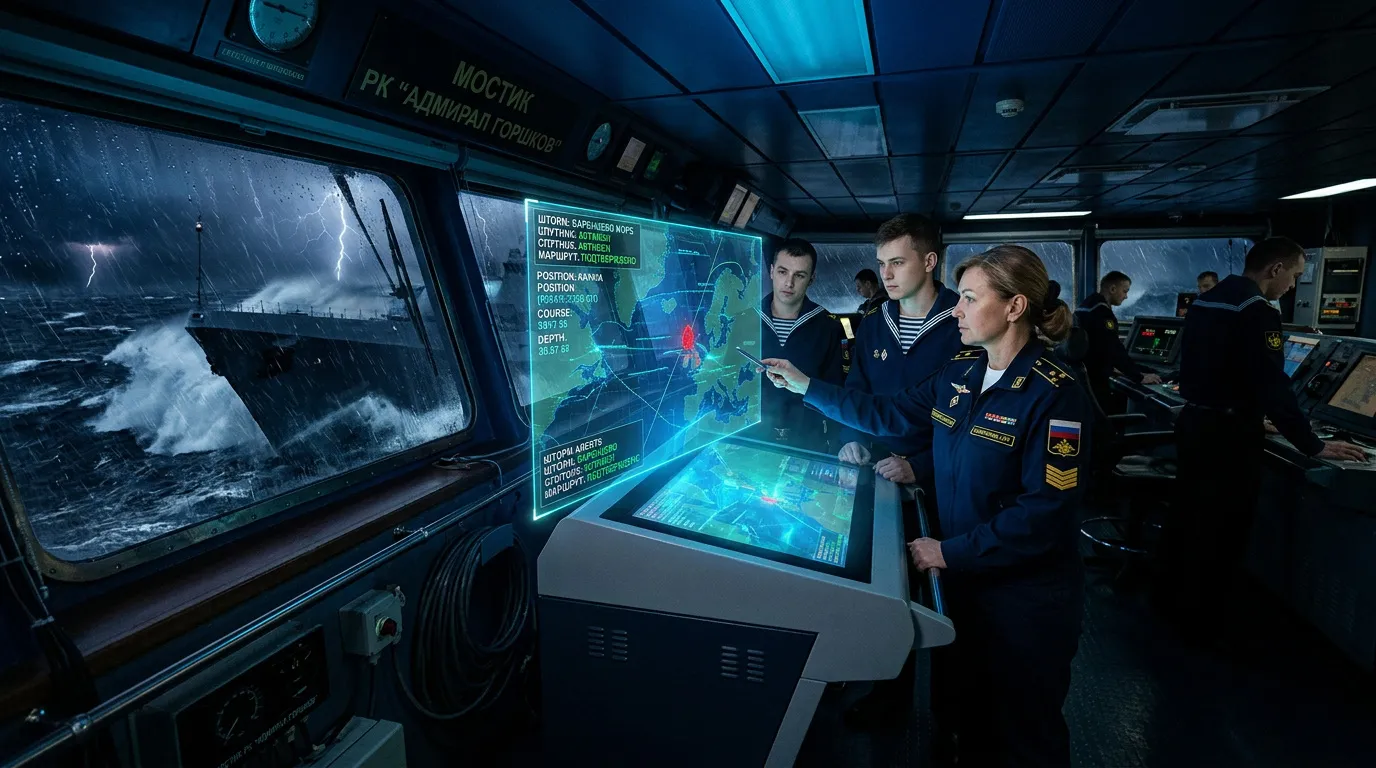
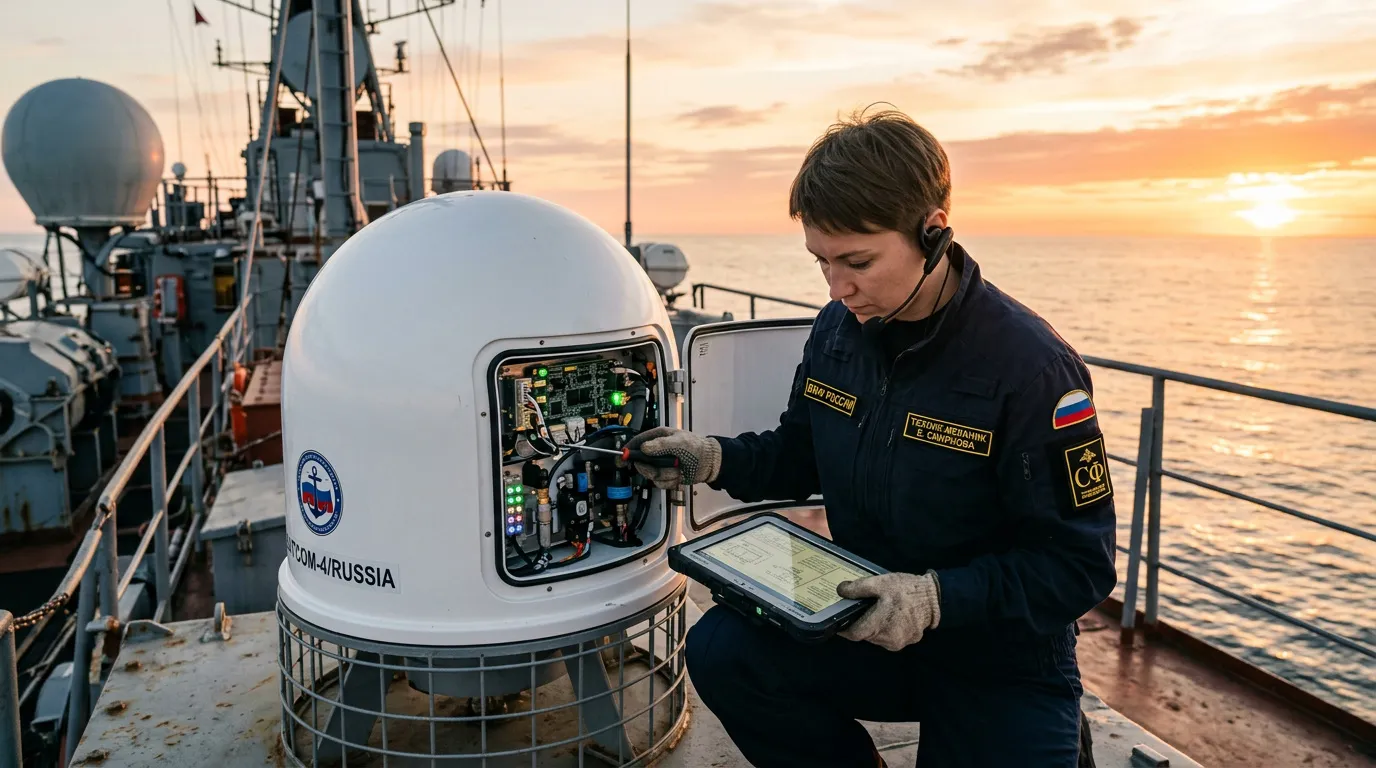
The system’s hardware rack is installed below deck, while the overall configuration includes all components required for extended voyages. This includes a full spare parts, tools, and accessories kit, allowing crews to perform routine maintenance and minor repairs while at sea. For vessels operating autonomously for months, this ensures uninterrupted connectivity throughout the mission.
For Russia’s maritime sector, the system delivers tangible operational value. Reliable connectivity supports not only voice communications but also telemetry, weather updates, and other critical data flows. The equipment is already being deployed on emergency rescue vessels and is expected to scale to other ship classes operating in demanding environments, especially in Arctic regions.
Looking ahead, the platform could integrate with autonomous and remotely operated vessel programs. Russia is already advancing projects where broadband satellite communications form part of the control layer for remote navigation and autonomous operations.

A Product of Long-Term Policy
The development of Prisma-2 reflects a broader state strategy to equip the Russian fleet with domestically produced systems. In 2022, the government allocated 7 billion rubles (approximately $75 million) to develop local shipboard equipment. The plan included up to 40 categories of systems that had previously been sourced from foreign suppliers.
“It is essential to use all available resources as efficiently as possible. Each piece of equipment must ultimately reach serial production and be deployed at scale,” Prime Minister Mikhail Mishustin said in 2022.
In 2025, the Russian government updated its shipbuilding development strategy, identifying import substitution as a key priority. Under current plans, domestically produced equipment is expected to account for 50% of shipboard systems by 2036 and up to 80% by 2050.
In early April, at the XIII International Conference “Russian Shipbuilding 2026,” Dmitry Stoyanov, Deputy CEO of the Kurs Central Research Institute (part of the Agat concern within the United Shipbuilding Corporation), highlighted progress on the Unified Centralized Ship Equipment Platform. According to him, 537 domestic companies are now represented on the platform, offering more than 9,100 types of equipment. The share of domestically produced radio equipment has reached 40%, control systems 35%, and ship power and instrumentation systems 33%. The industry’s strategic goal is to reach 75% domestic instrumentation by 2035.
Prisma-2 is not a standalone development but part of a broader effort to build a self-sufficient maritime technology stack. Together, these initiatives are strengthening the technological sovereignty of Russia’s fleet.