Rosatom and AtomIntelMash Deliver a Breakthrough in the Robotization of Strategic Industries
The recently concluded Metalloobrabotka 2026 exhibition in Moscow became a showcase for the latest advances in Russian industrial robotics. Rosatom’s industry integrator, AtomIntelMash, presented a broad portfolio of ready-made solutions designed for end-to-end robotization of manufacturing processes.
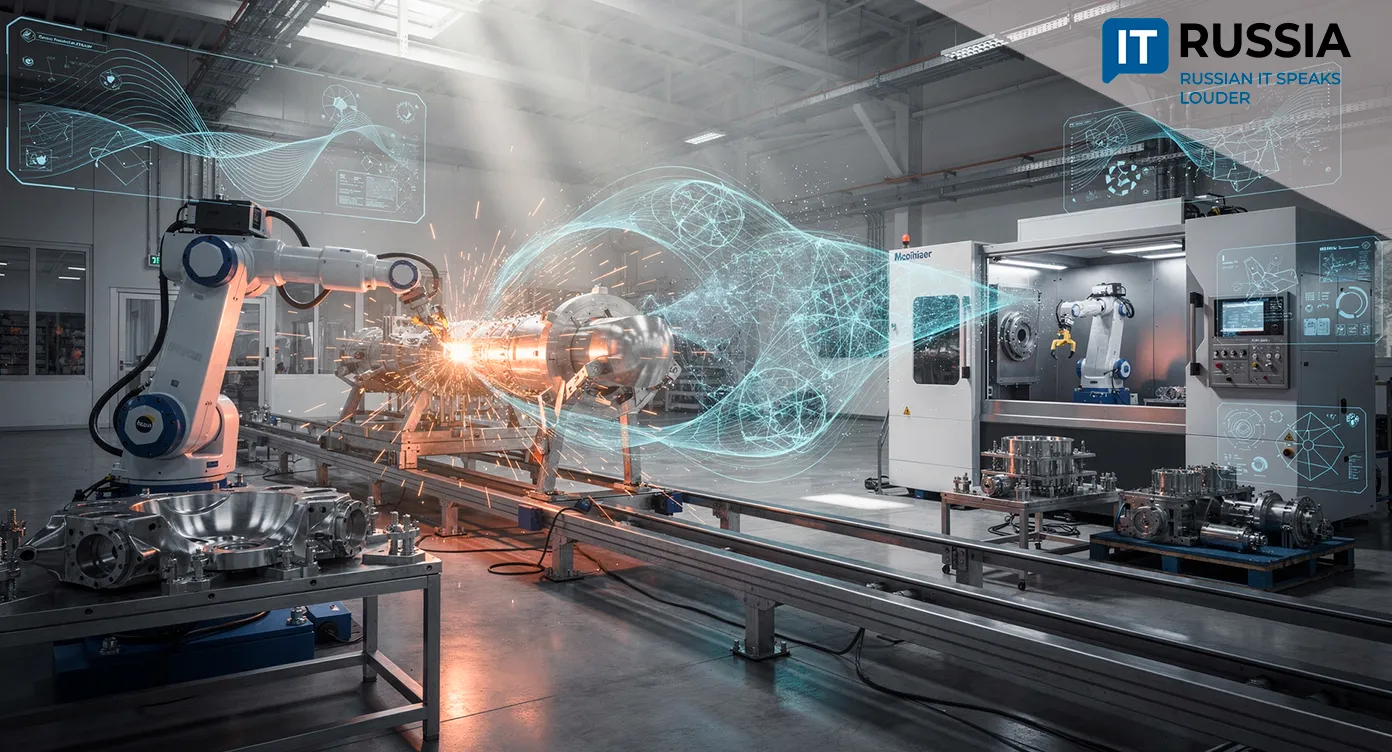
The company’s exhibition featured four core robotic systems that have already completed testing and are now operating successfully at Russian industrial enterprises.
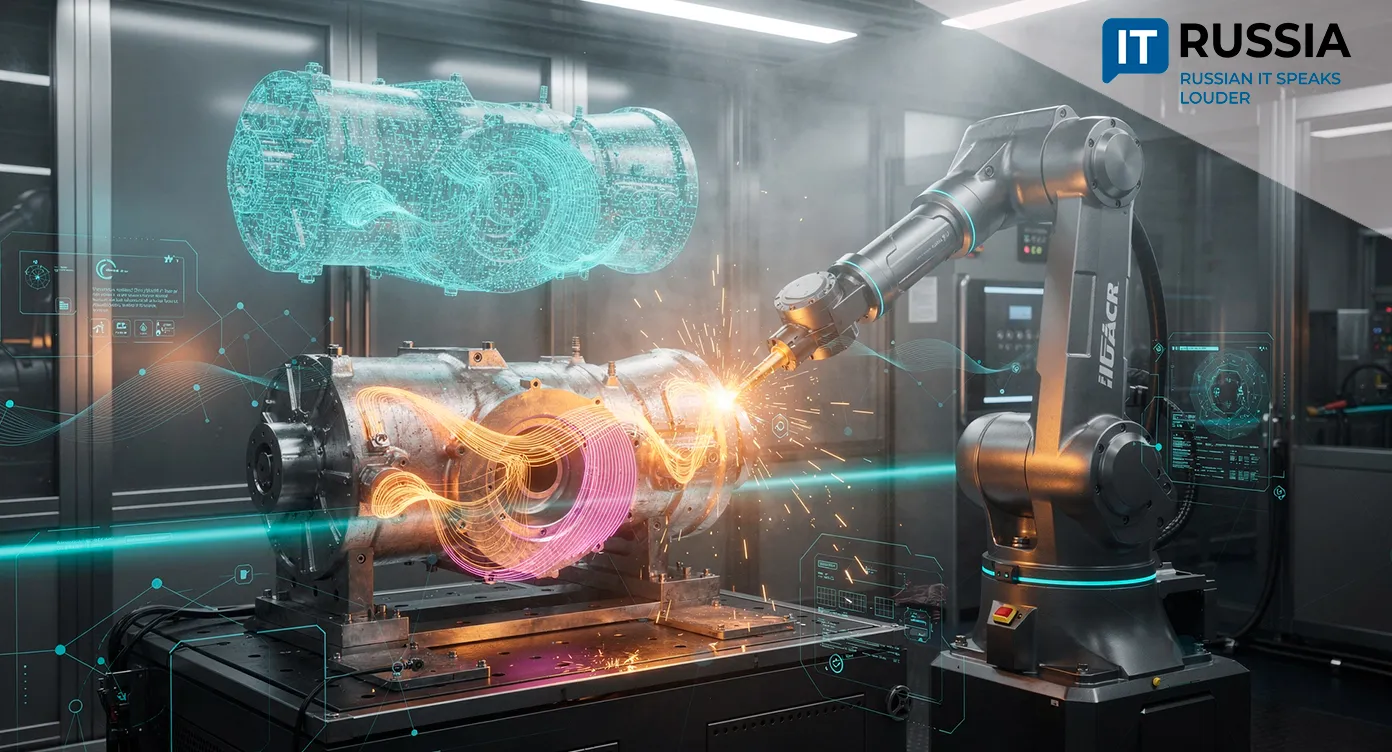
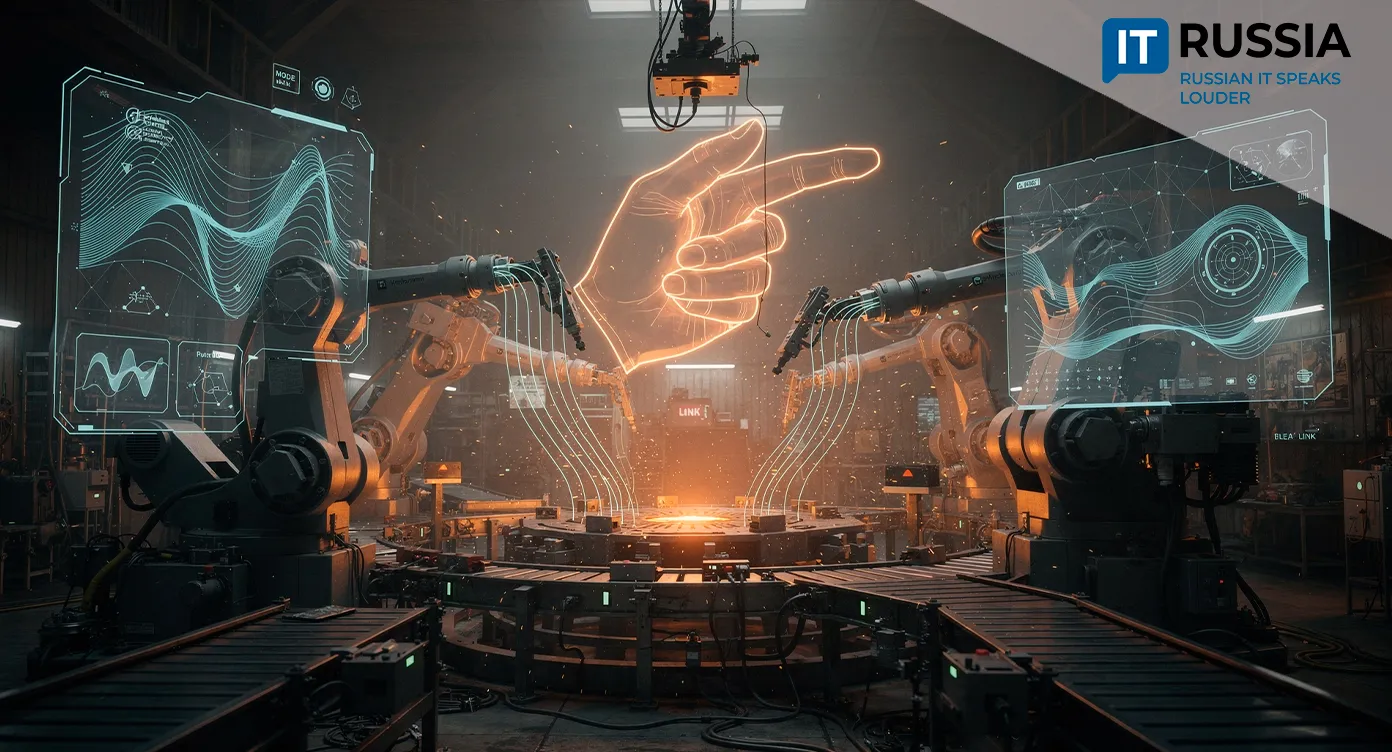
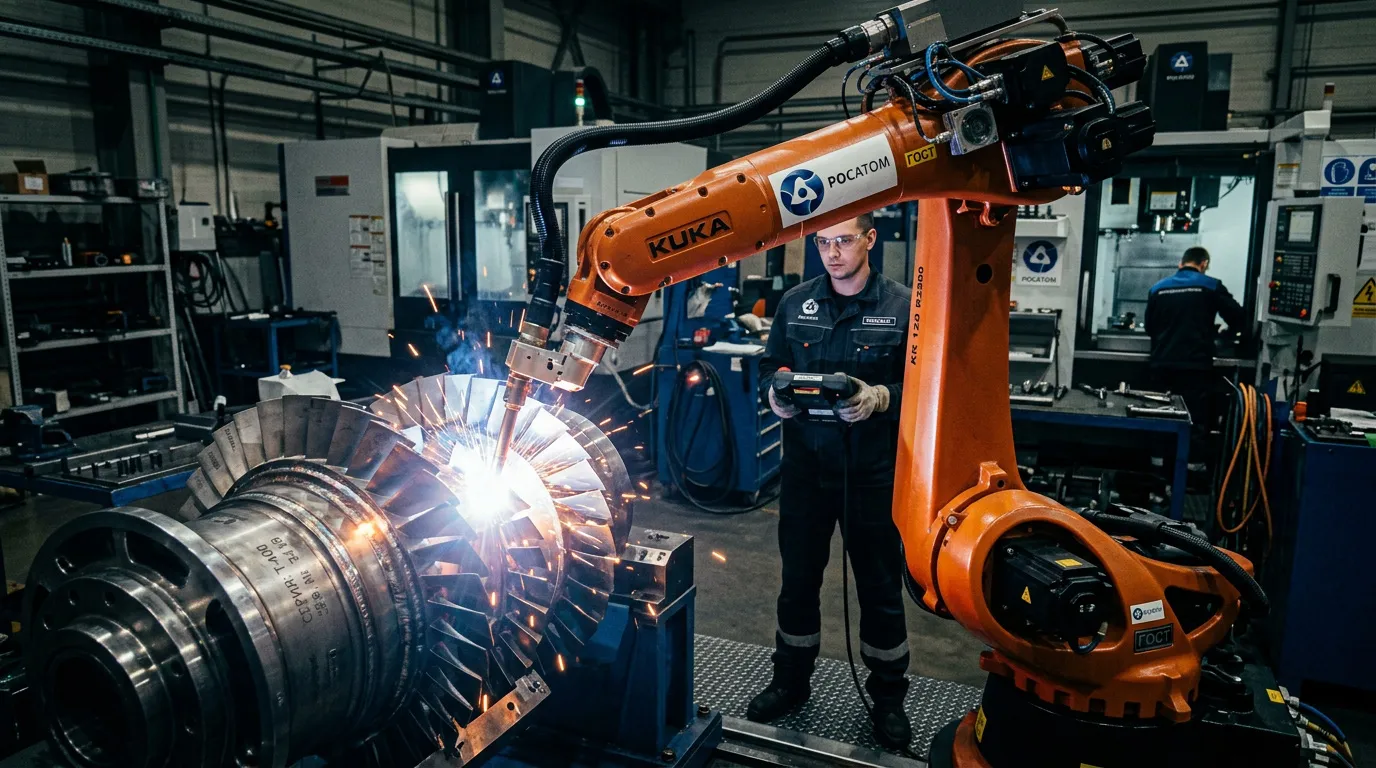
The intelligent welding complex is a unique solution built on a linear track platform that increases productivity by 50% while reducing production costs by 30%. The system combines a high degree of automation with precision control, helping manufacturers eliminate human error and achieve consistently stable weld quality.
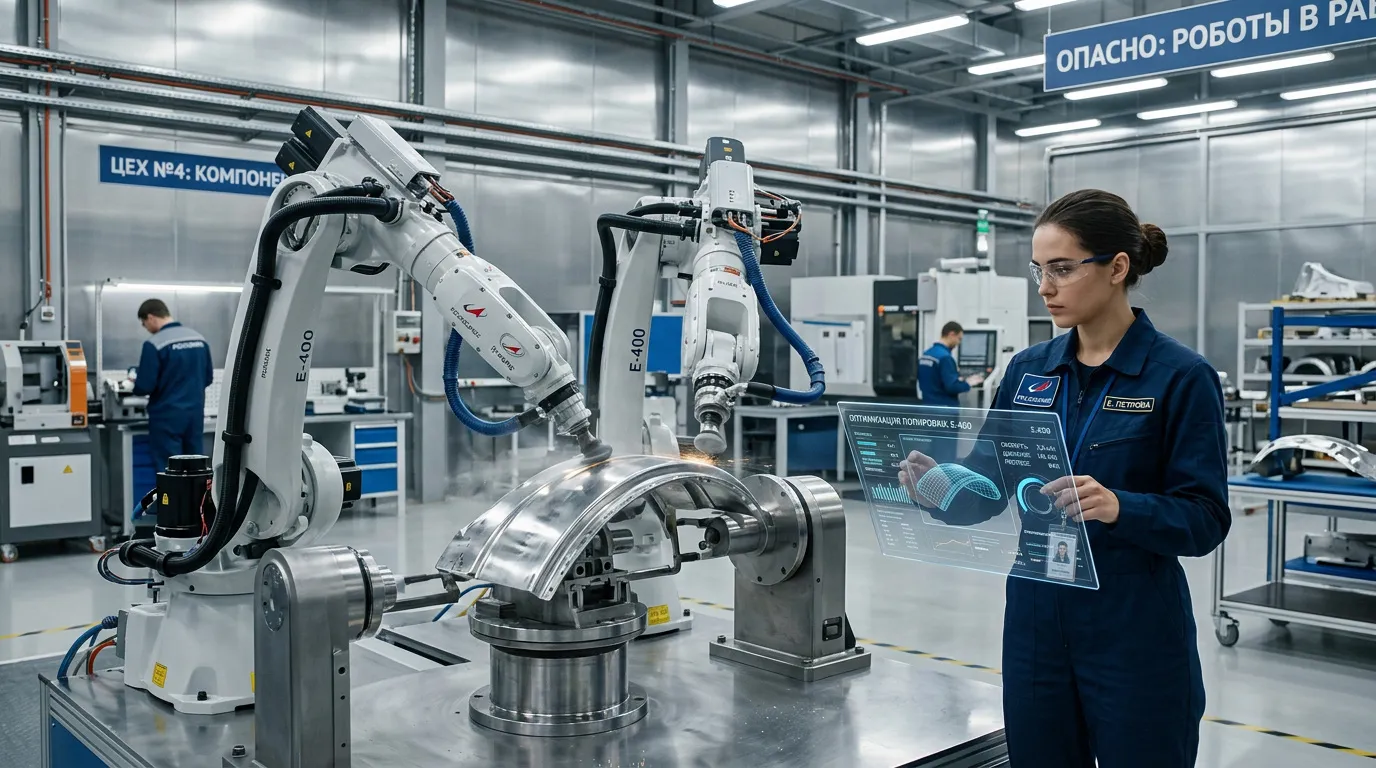
The robotic polishing and grinding unit is a high-precision system equipped with positioners and designed to process complex surfaces and small components. It delivers exceptional operational accuracy and repeatability, capabilities that are especially important in aerospace and automotive manufacturing.
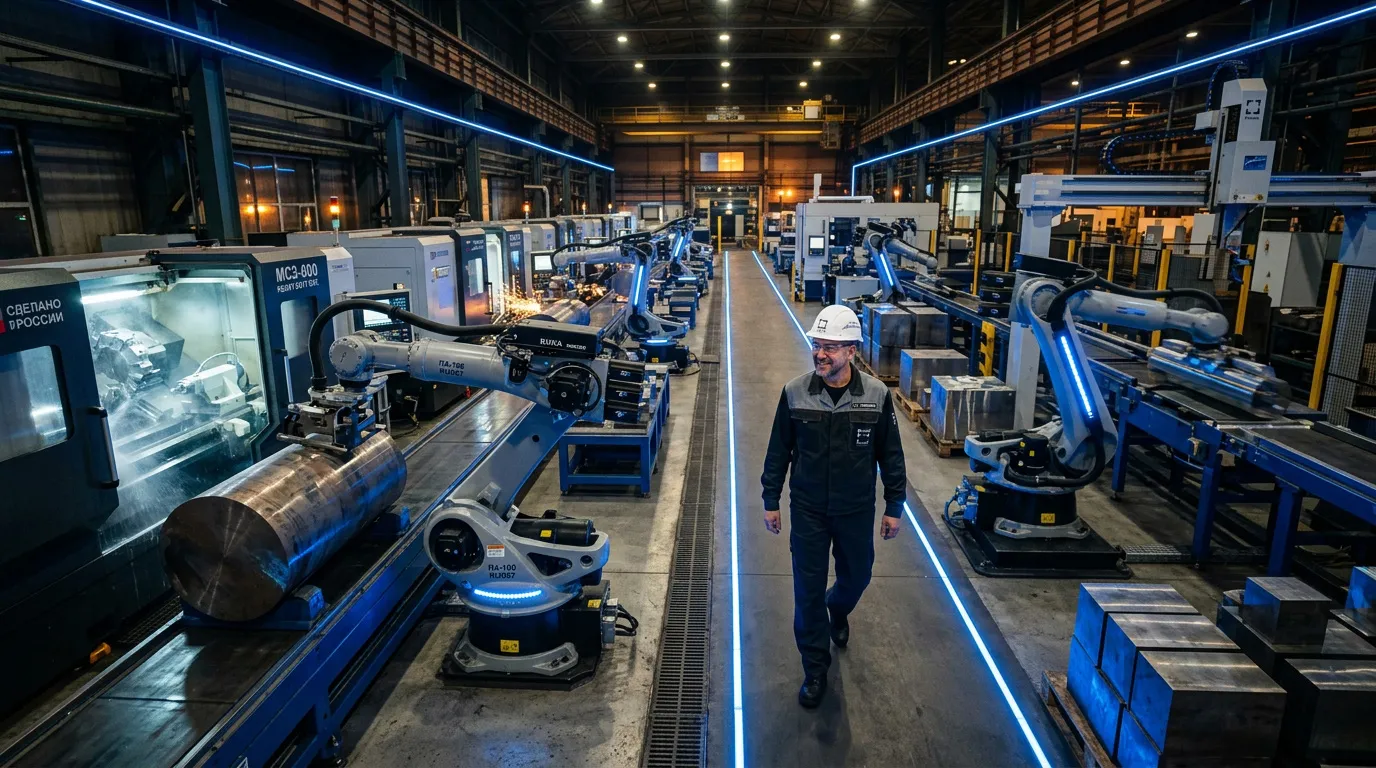
A robotic loading and unloading complex for CNC machines operates autonomously around the clock and is aimed at facilities where processing speed and error-free material handling are mission-critical. The desktop robot for confined workspaces is a compact and versatile system intended for painting, welding and packaging operations in limited production areas. The platform is designed to fit efficiently into small and medium-sized manufacturing shops.
Building a Network of Trusted Integrators
Alongside its hardware showcase, AtomIntelMash announced plans to create a nationwide network of trusted integrators. Partners will receive full support throughout every stage of robotic system deployment, from engineering design to maintenance and workforce training. That approach is expected to spread best practices in industrial robotization across Russia and accelerate the pace of technological modernization in manufacturing.
Opening a Design Center in Dubna
Another major milestone for the company’s robotics division was the signing of an agreement with the Dubna Special Economic Zone. As part of the partnership, a robotic systems design center will be established within the Titan industrial park. The new facility is expected to become a key element in the development, testing and mass production pipeline for domestically produced robotic systems.
What It Means for Russian Industry
Russia’s accelerating push toward industrial robotization is being driven by the need to improve labor productivity, reduce operating costs and raise product quality amid localized labor shortages. Robotics and automation technologies are expected to help Russian manufacturers compete on equal terms with global industrial producers.
Under the strategy of the national project Production Means and Automation, Russia aims to enter the world’s top 25 countries for robotization levels by 2030.
Last year, domestic industrial robotics production increased 4.5-fold, reaching 7.6 billion rubles (about $100 million). That growth rate signals both government and private-sector readiness to invest heavily in advanced manufacturing technologies.
Russian robotics manufacturers are positioning themselves not only to replace foreign systems, but also to enter international markets with reliable, efficient and cost-effective solutions for industrial modernization.