Rosatom Completes Delivery of Control Systems for Unit 3 of China's Xudapu Nuclear Power Plant
Rosatom engineers have completed manufacturing and supervised installation of control and instrumentation equipment for Unit 3 of China's Xudapu Nuclear Power Plant, marking another milestone in one of the largest Russian-Chinese nuclear cooperation projects.
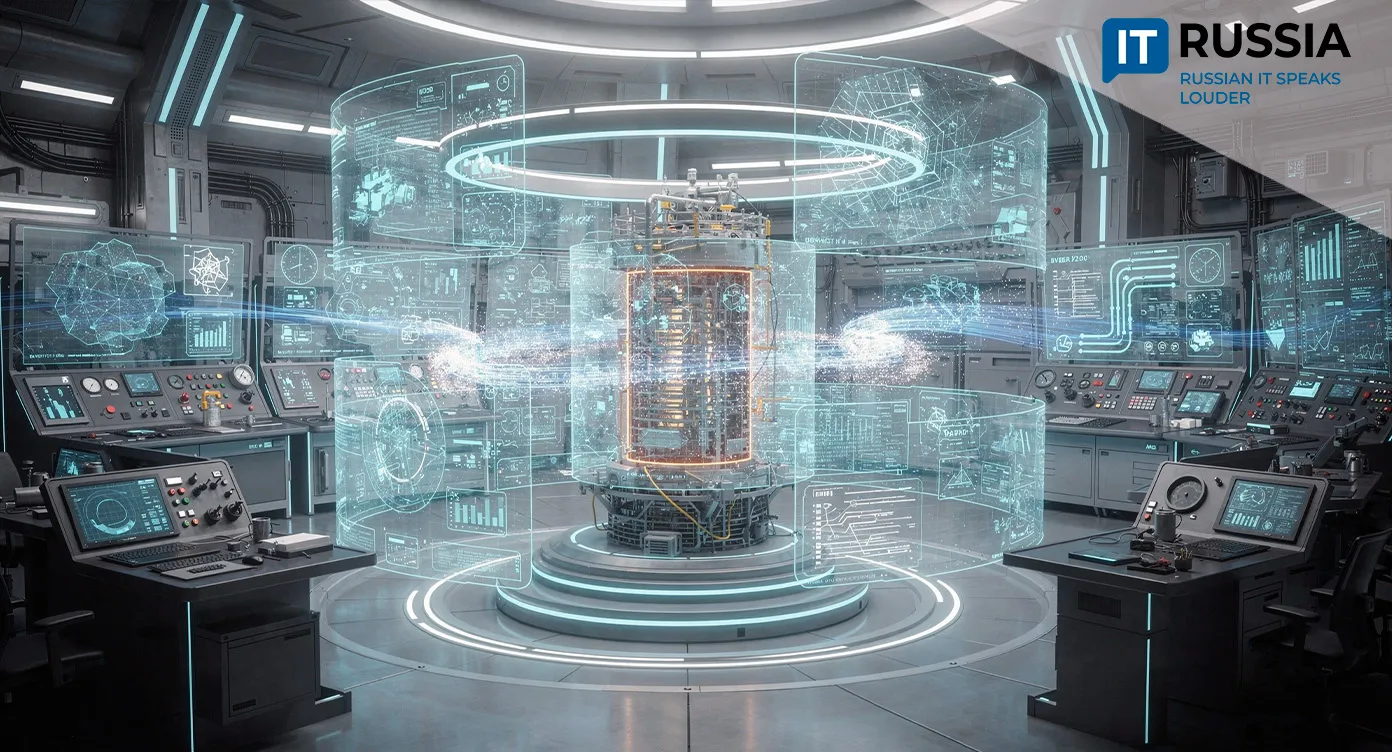
Construction of the nuclear power plant is underway in Huludao, Liaoning Province, using the Russian-designed VVER-1200 reactor technology. Commissioning of the delivered systems is now underway at the site. The project is being carried out by JSC SNIIP (Specialized Research Institute of Instrument Engineering), part of Rosatom's Industrial Automation and Electrical Engineering Division.
Control Systems for the Nuclear Island
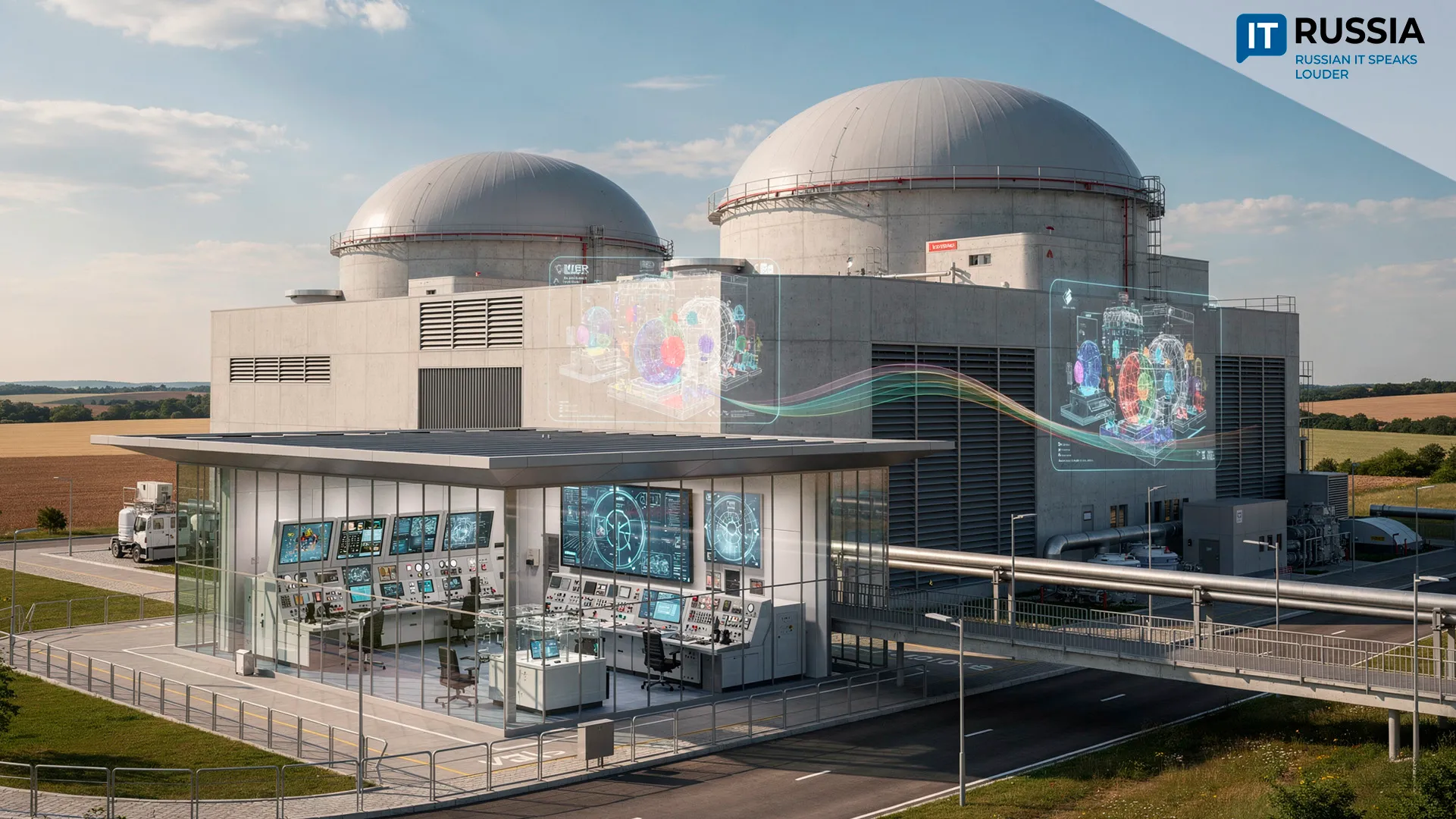
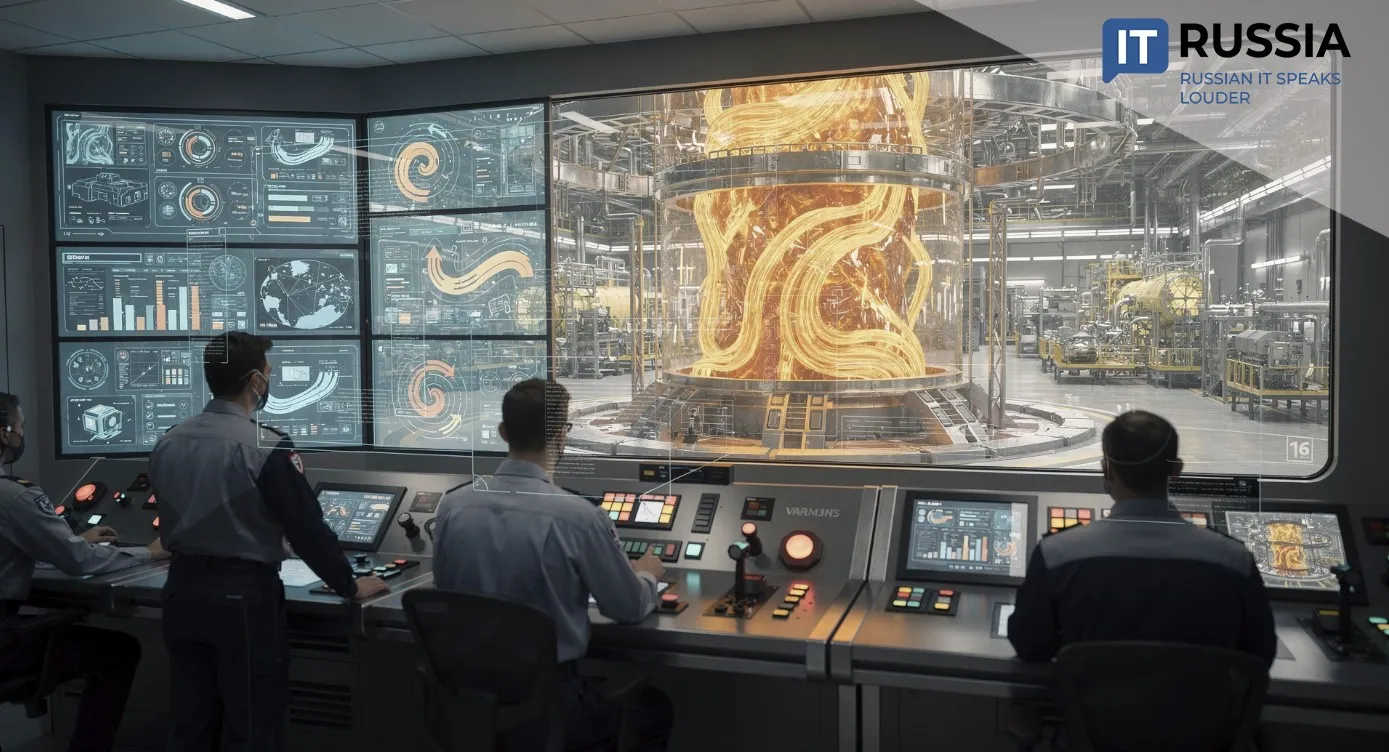
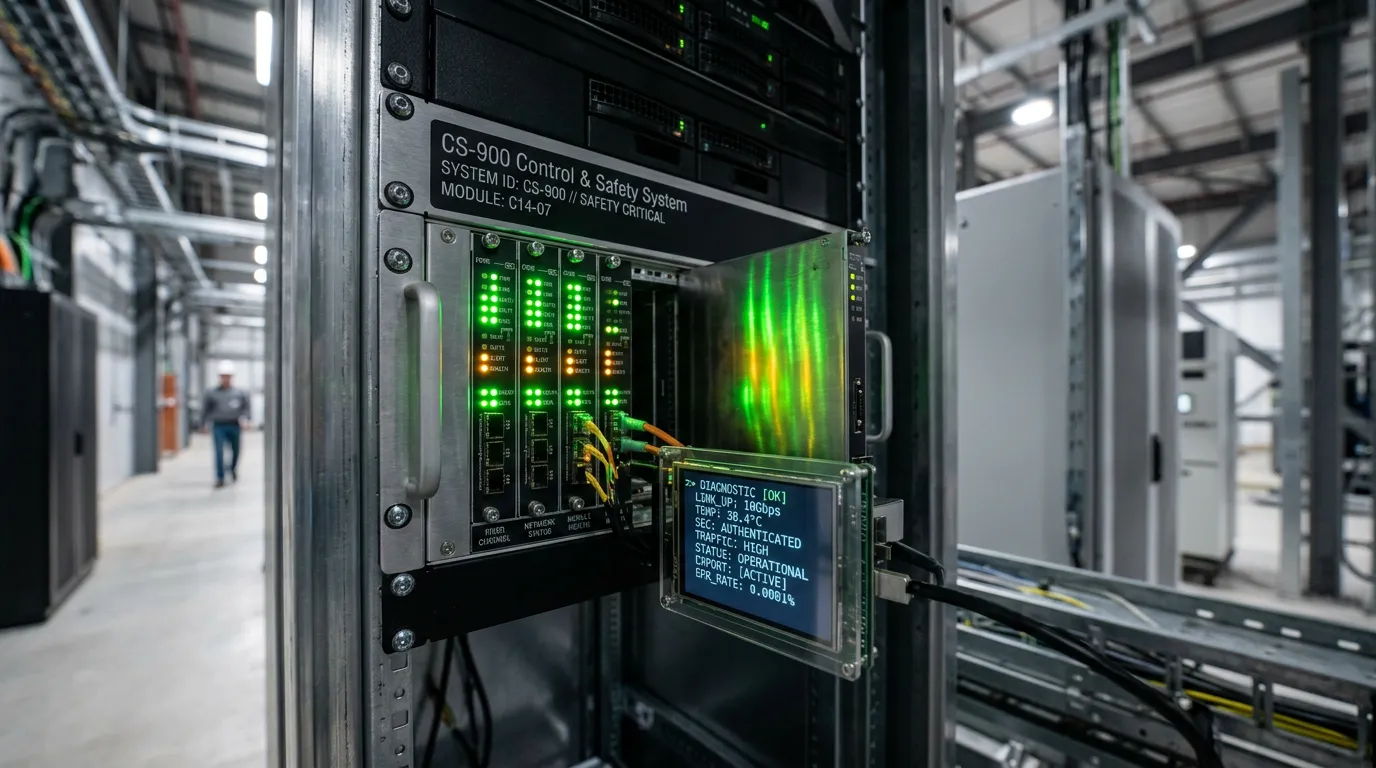
The delivered equipment monitors key reactor plant parameters, including equipment diagnostics, reactor protection, and fire safety. The hardware and software systems operate as part of the plant's process control system, providing operators with real-time information on reactor conditions.
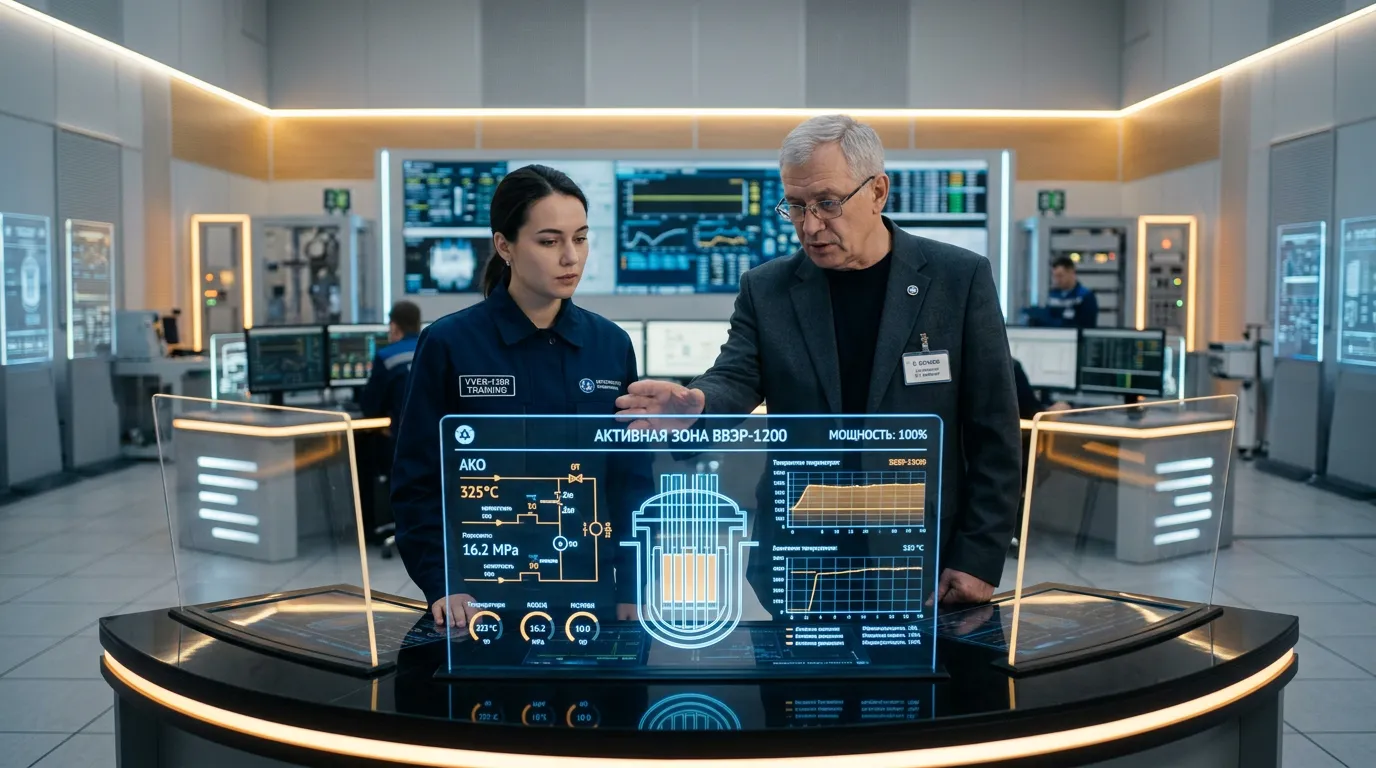
The delivery also included equipment for the plant's laboratories and components for a full-scope simulator that will be used to train operating personnel for the future power units. That will help establish a qualified workforce while allowing operators to develop control room skills before plant startup and initial fuel loading. The monitoring systems have already been validated at Russian nuclear power plants. They will provide reliable monitoring of reactor parameters that are critical to the plant's safe operation.
A Unified Approach Across Four Power Units
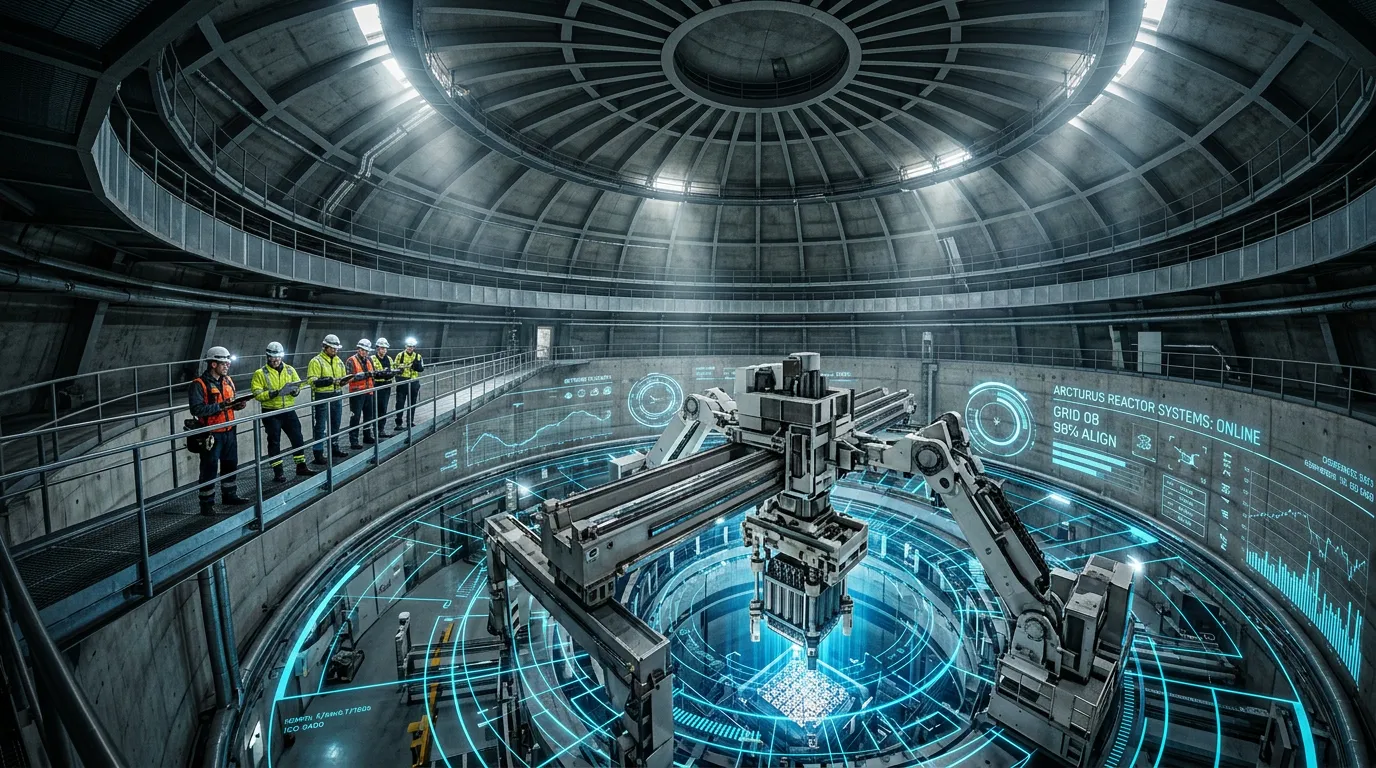
Xudapu Nuclear Power Plant forms part of a major intergovernmental programme for peaceful nuclear cooperation between Russia and China. Currently, four new VVER-1200 reactor units are under construction in China: Units 7 and 8 at Tianwan Nuclear Power Plant in Jiangsu Province, together with Units 3 and 4 at Xudapu.
SNIIP is applying a unified approach to supplying control and instrumentation systems for all four units. The institute previously completed comparable work for Tianwan Unit 7. Installation work is now taking place on Xudapu Unit 4 and Tianwan Unit 8. Standardising the equipment allows engineering experience gained at one site to be applied efficiently across the others.
That approach also simplifies operator training. Engineers and operators qualified on one plant's systems can move to other stations using the same reactor technology without requiring extensive additional training. This is particularly important as China prepares to commission several new nuclear power units in parallel.
Project Scale and Scope of Responsibility
Contracts for construction of Units 3 and 4 at Xudapu Nuclear Power Plant were signed in 2019. Rosatom's Engineering Division serves as the general contractor, responsible for designing the plant's nuclear island, supplying key equipment, providing design supervision, and overseeing both installation and commissioning.
The nuclear island includes the reactor system, steam generators, main circulation pumps, safety systems, and other equipment directly associated with the nuclear fuel cycle. The Russian side is supplying both the main process equipment and the control systems, providing an integrated approach to plant construction.
Commercial operation of Xudapu Units 3 and 4 is scheduled for 2027–2028. In parallel, Rosatom's Fuel Division, managed by JSC TVEL, is supplying nuclear fuel for the reactors' first core loading. The initial fuel load for Unit 3 has already been manufactured at the Novosibirsk Chemical Concentrates Plant and delivered to the site.
An Export Model for Nuclear Engineering
Rosatom's Industrial Automation and Electrical Engineering Division provides integrated control, instrumentation, and power distribution systems for nuclear power plants throughout their entire operating lifecycle.
Similar systems are already operating or being installed at dozens of nuclear power units in Russia and abroad. In addition to China, Russian control and instrumentation systems are being supplied to the Akkuyu Nuclear Power Plant in Türkiye, Rooppur Nuclear Power Plant in Bangladesh, El Dabaa Nuclear Power Plant in Egypt, and Kudankulam Nuclear Power Plant in India. Equipment standardisation makes it possible to transfer engineering experience between projects while maintaining a consistent level of nuclear safety across all sites.
Xudapu Nuclear Power Plant is one of the largest joint nuclear energy projects undertaken by Russia and China. Once all four units enter operation, the station is expected to become one of the principal sources of electricity for northeastern China.