Digital Platform Helps Buyers Check a Car's History
PDB LLC has launched a digital platform for analyzing a vehicle's history before purchase.
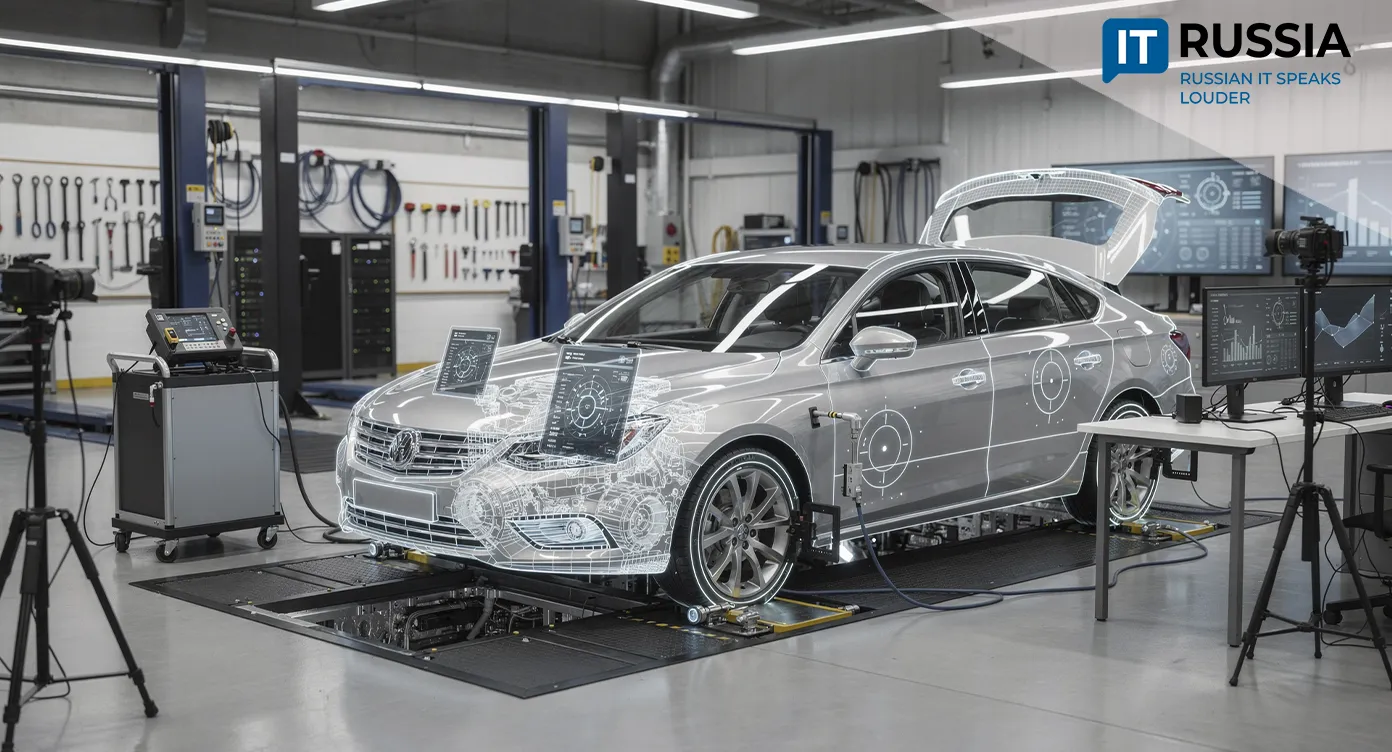
Buying a used car means making one of the most important and challenging checks before committing to a purchase. According to industry estimates, roughly one in three vehicles on the secondary market has hidden issues of some kind. The difference is only in how serious those problems are.
Today, numerous online services help buyers analyze information about used vehicles. Yet it is often unclear whether the available data can be fully trusted or independently verified. Beyond reviewing documents, buyers also need to assess a vehicle's technical condition to avoid unexpected and potentially expensive repairs after the purchase.
Accident-Free and Never Repainted
Digital analytics companies are emerging to inspect used vehicles by combining modern IT technologies with traditional automotive assessment methods.
In the summer of 2026, PDB LLC launched the Rulizor 2.0 (Vehicle Inspector 2.0) digital platform, designed to help buyers inspect a vehicle before purchase. The service targets consumers who have limited experience buying used cars and cannot reliably determine, for example, whether a vehicle has previously been involved in an accident. These buyers also value their time and prefer to rely on professionals when dealing with specialized technical and legal matters.
Traditionally, such buyers hire an independent automotive inspector, whom they first have to find on their own. They then coordinate an inspection with the seller, pay for the service, and receive diagnostic results, photographs of the vehicle, and the expert's recommendations. Legal risks are usually assessed separately, either by the buyer personally or, more often, with the help of another automotive expert, including checks for liens and restrictions, mileage records, and whether the vehicle may previously have been used as a taxi or in a car-sharing fleet.
Everything on One Platform
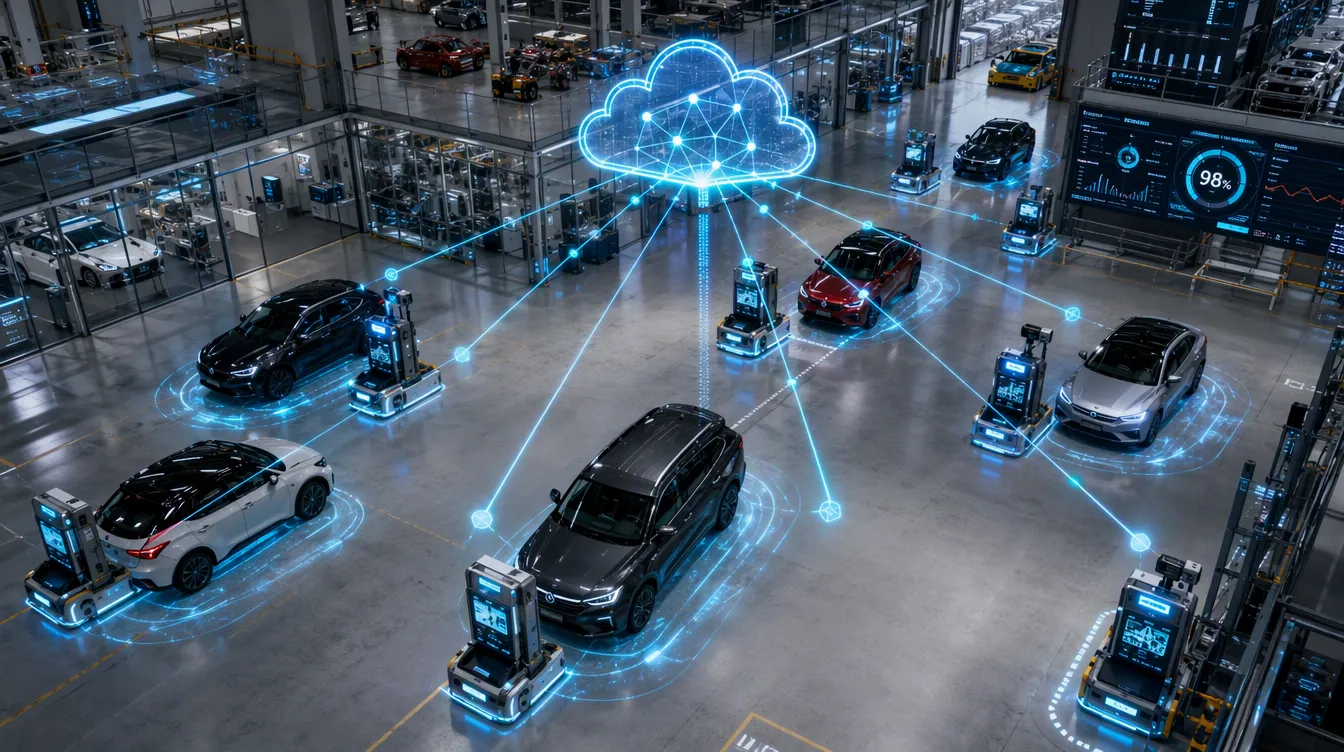
Rulizor 2.0 addresses the core needs of used-car buyers by organizing digital communication between customers and verified automotive experts. A buyer selects a vehicle on an online marketplace, submits a request through the platform's portal, pays for the service, and provides the vehicle's details. Rulizor 2.0 processes the request, while an AI model analyzes the information and selects a verified automotive expert from its database based on the vehicle's location. The expert then independently schedules the inspection.
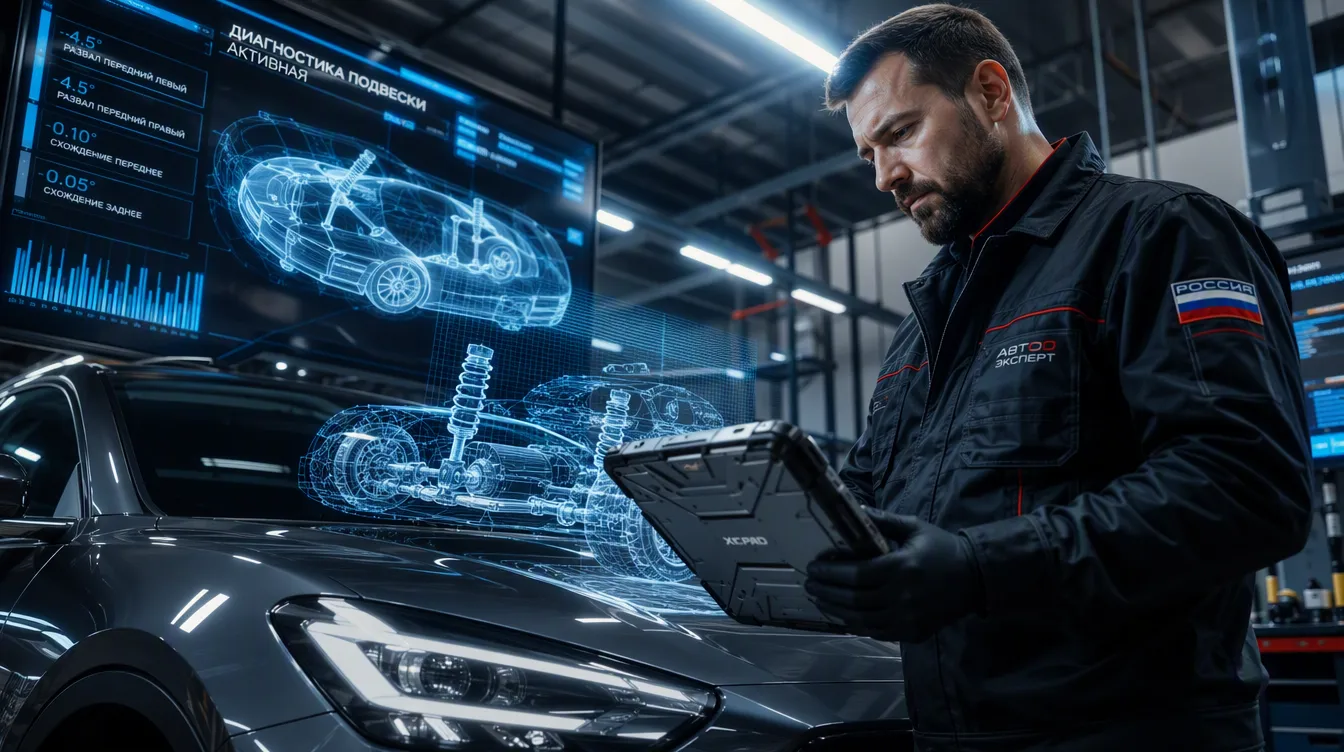
Each inspection covers eight categories. The first focuses on documentation and the vehicle's legal status, including checks against the GIBDD database, the Federal Chamber of Notaries, and the Federal Bailiff Service; verification of the authenticity and legal validity of documents; comparison of the VIN on the vehicle body with the VIN stored in electronic control units; analysis of the service history and recorded mileage; and checks for fines, restrictions, and liens. The second category examines the engine and transmission, including computerized diagnostics. The expert then evaluates the electrical and electronic systems, braking system, body, interior, suspension, tires, and wheels.
The expert records all findings in a digital report. The customer then receives the inspection results through a personal online account. The report includes an assessment of the vehicle's technical condition, photographs of identified defects, estimated repair costs for those defects, and the expert's recommendations.
Digitizing the Used-Car Market
"When developing Rulizor 2.0, we focused on moving the entire sequence of interactions between buyers and automotive experts into a digital environment. At the initial stage, it is important for us to validate the platform in Moscow and St. Petersburg, gather user feedback, and determine the project's future development priorities," said Alexey Frankov, CEO of PDB LLC.
The new digital platform creates a used-car market that is more transparent for regulators and easier for consumers to navigate by simplifying the organization of vehicle inspections. That helps reduce the risk of buying a vehicle with hidden defects or legal issues. A growing database of inspection results stored in a structured digital format further strengthens that process.
The platform also opens a new market segment for Russia's IT industry through the development of digital platforms for the automotive market. Demand for transparent vehicle inspection services is expected to continue growing. Finally, independent automotive experts gain a convenient digital channel for finding work, creating incentives to move their business from shadow economy, which benefits both the experts themselves and the state.
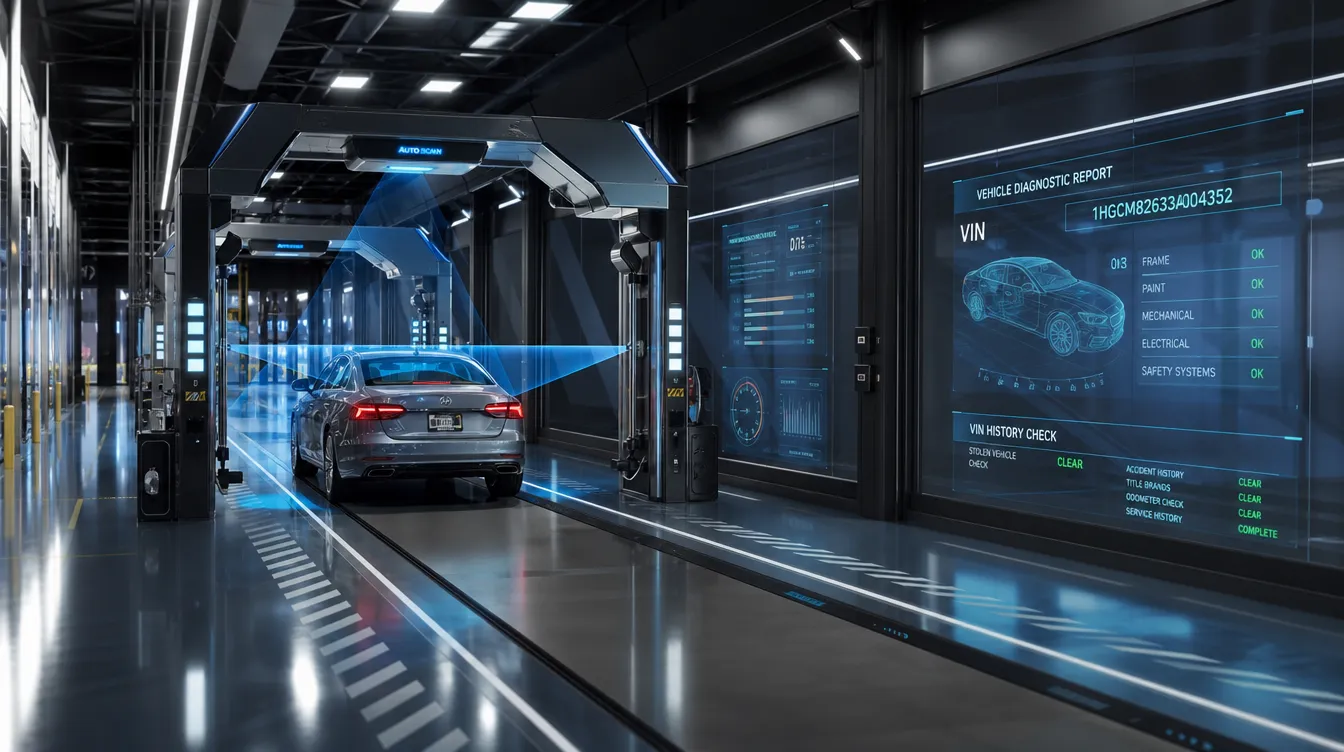
Notably, Rulizor 2.0 is entering a competitive market where digital vehicle-checking services already exist. For example, the Avtoteka online vehicle history service has built a database covering the operating history of around 50 million vehicles. At the same time, Russians purchased about 6.24 million used passenger cars in 2025, up 3.3% from 2024. The Russian automotive market is large enough to accommodate multiple providers. Ultimately, service quality will determine success.