Russian Scientists Discover New Deep-Sea Sponge on Slope of Piyp Submarine Volcano
Researchers identified a previously unknown species of the genus Parahigginsia using advanced imaging technology.
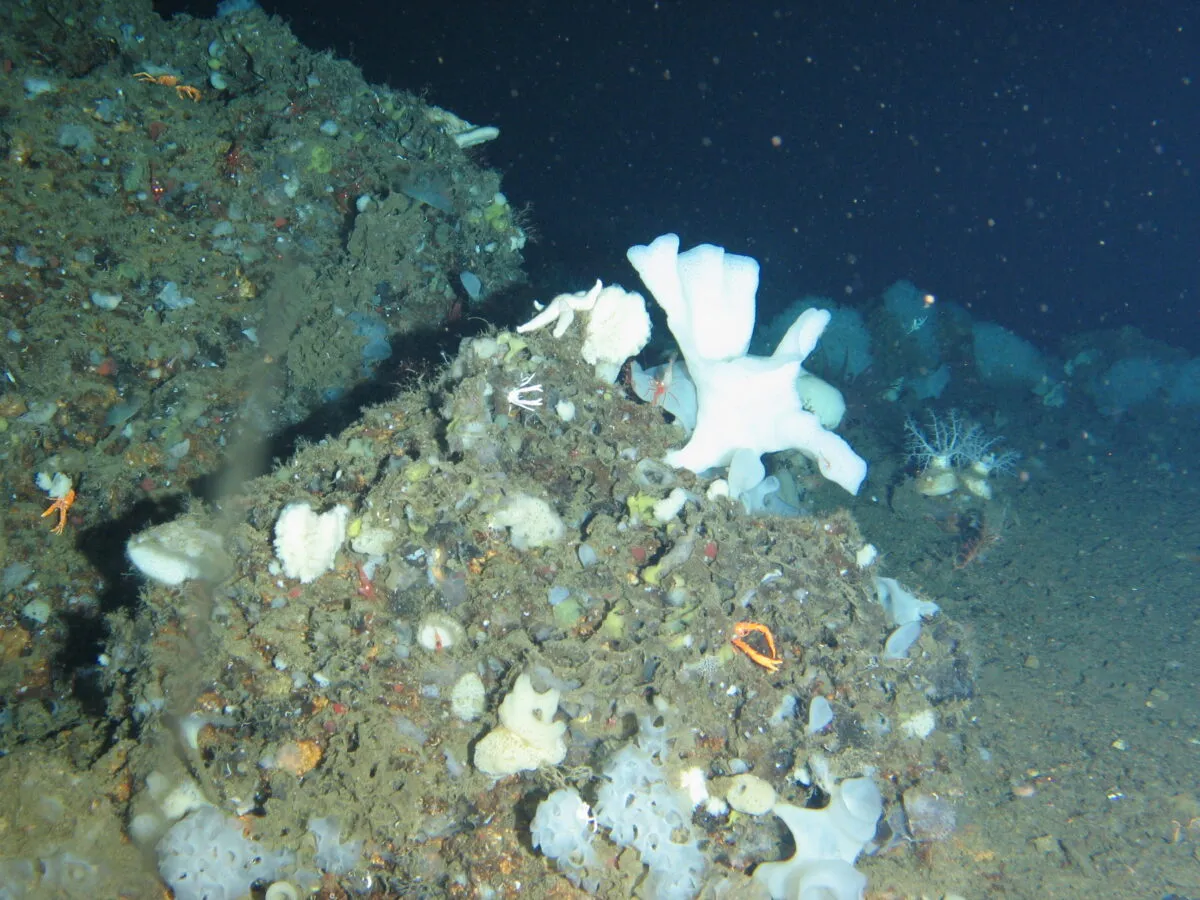
Scientists from the A. V. Zhirmunsky National Scientific Center of Marine Biology of the Far Eastern Branch of the Russian Academy of Sciences, together with colleagues from the Zoological Institute of the Russian Academy of Sciences, have identified a new species of deep-sea sponge in the northwestern Pacific Ocean. The discovery was made on the slope of the Piyp submarine volcano in the western Bering Sea using high-tech research equipment, the marine biology center’s press service told IT Russia.
A Discovery Nearly a Decade in the Making
The specimen was actually retrieved from a depth of 981 meters back in 2018. At the time, researchers did not fully grasp the significance of the find. Only nearly ten years later, thanks to new technologies, did scientists recognize its scientific value. The sponge underwent CT scanning – specifically, micro-CT imaging.
Advanced equipment was also crucial in locating the sponge at such depth. Deep-sea sponges inhabit various ecosystems across the world’s oceans, where they often dominate in abundance and biomass and act as ecosystem engineers. They create habitats that support the reproduction of numerous fish and invertebrate species.
Sponges are sessile organisms, and their skeletons frequently become habitats for other marine fauna. Zoologists have maintained strong interest in these organisms. Over the past decade alone, sponge specialists have collected extensive material from the northern Pacific, including the northernmost reaches of the Bering Sea.
“Comanche 18” and Micro-CT
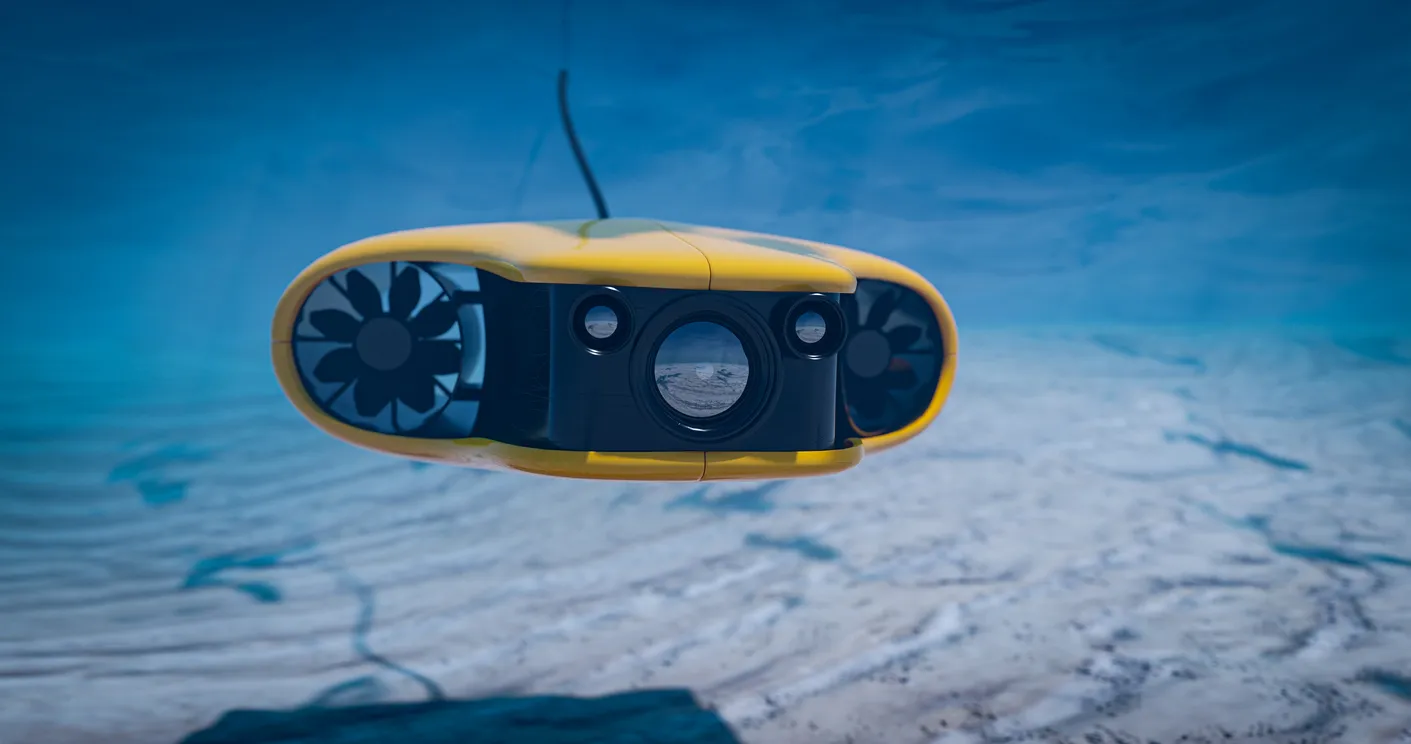
Exploration of such depths has become possible through modern technology, including the remotely operated underwater vehicle Comanche 18. The system can conduct research in areas with strong bottom currents and the complex terrain of underwater mountains. It reaches depths inaccessible to divers.
Sponge samples are identified by examining the structure of their skeleton and individual spicules. For classification, scientists focus not on shape but on the organization of the skeleton and the water canal system.
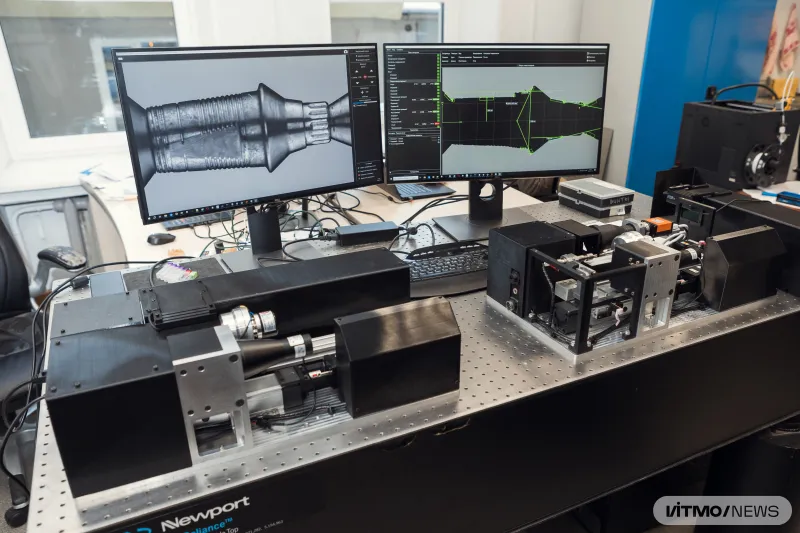
The skeleton of the newly discovered specimen was analyzed using micro-computed tomography, a method relatively new to sponge research. High-precision imaging enabled researchers to build a highly accurate 3D model of the skeleton with minimal distortion. This allowed them to confirm that the skeletal structure had not previously been described in science.
Researchers believe similar discoveries are likely in the years ahead as exploration technologies continue to advance.
Earlier, we reported that Russia plans to launch serial production of equipment for underwater technical operations and search missions using fully domestically produced components.