

MSU Scientists Design the Surgical Adhesive of the Future
Russian researchers have used computational modeling to characterize the mechanical properties and internal structure of adhesive polymer mixtures that could be used in medicine to bond damaged tissues and create advanced wound dressings.
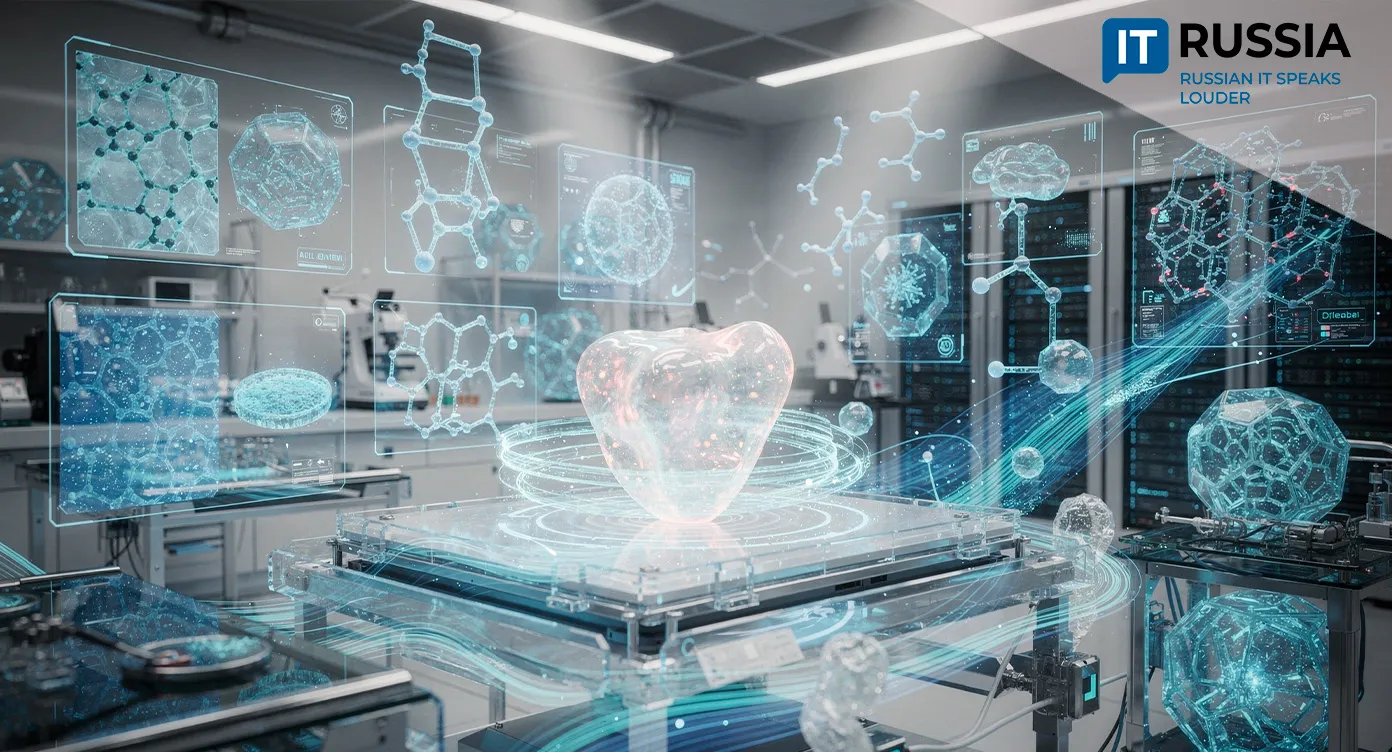
With a new development from Lomonosov Moscow State University (MSU), surgeons may one day no longer need to close wounds with conventional sutures. Instead, they could apply a "smart" polymer that rapidly stops bleeding, adapts to tissue movement, and gradually dissolves once healing is complete. It sounds like a concept from science fiction, yet Russian researchers are already designing such materials. And they are doing so not primarily at the laboratory bench, but in a virtual environment.
Code Instead of a Scalpel
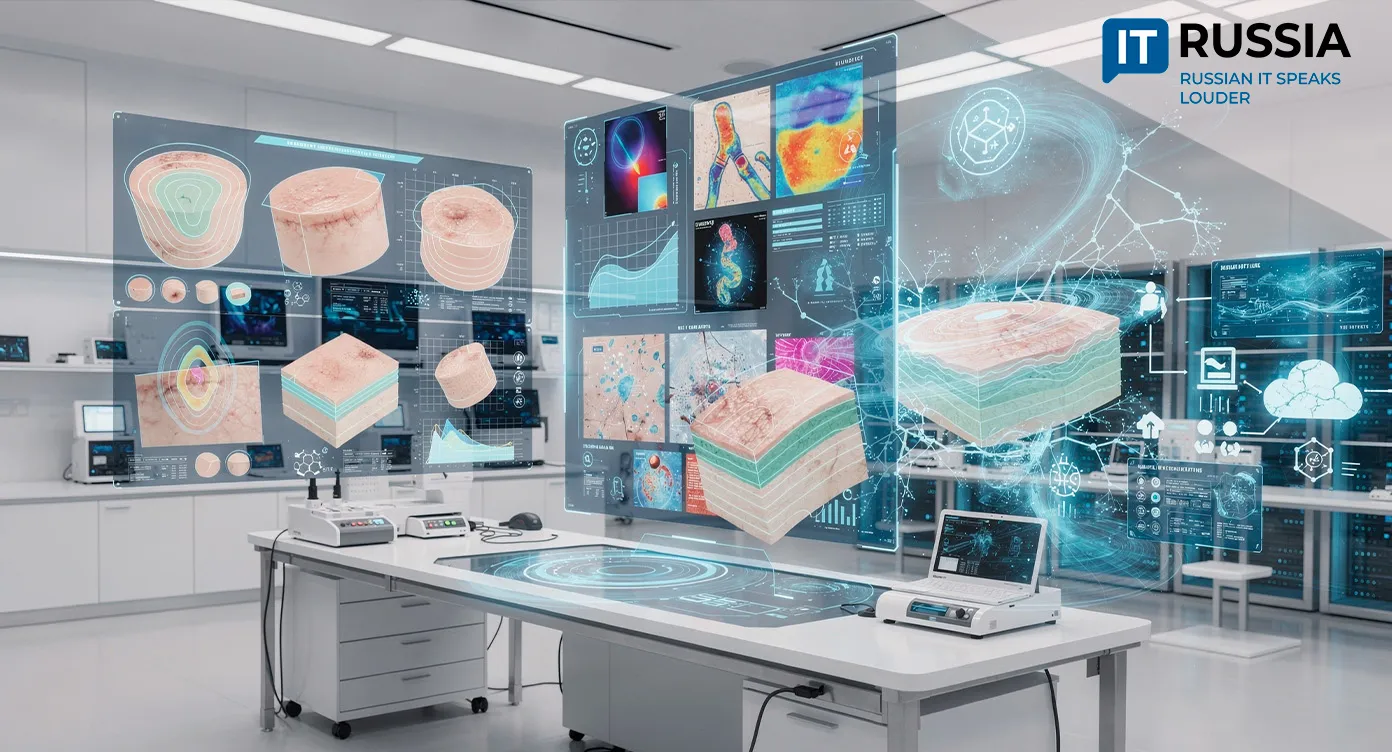
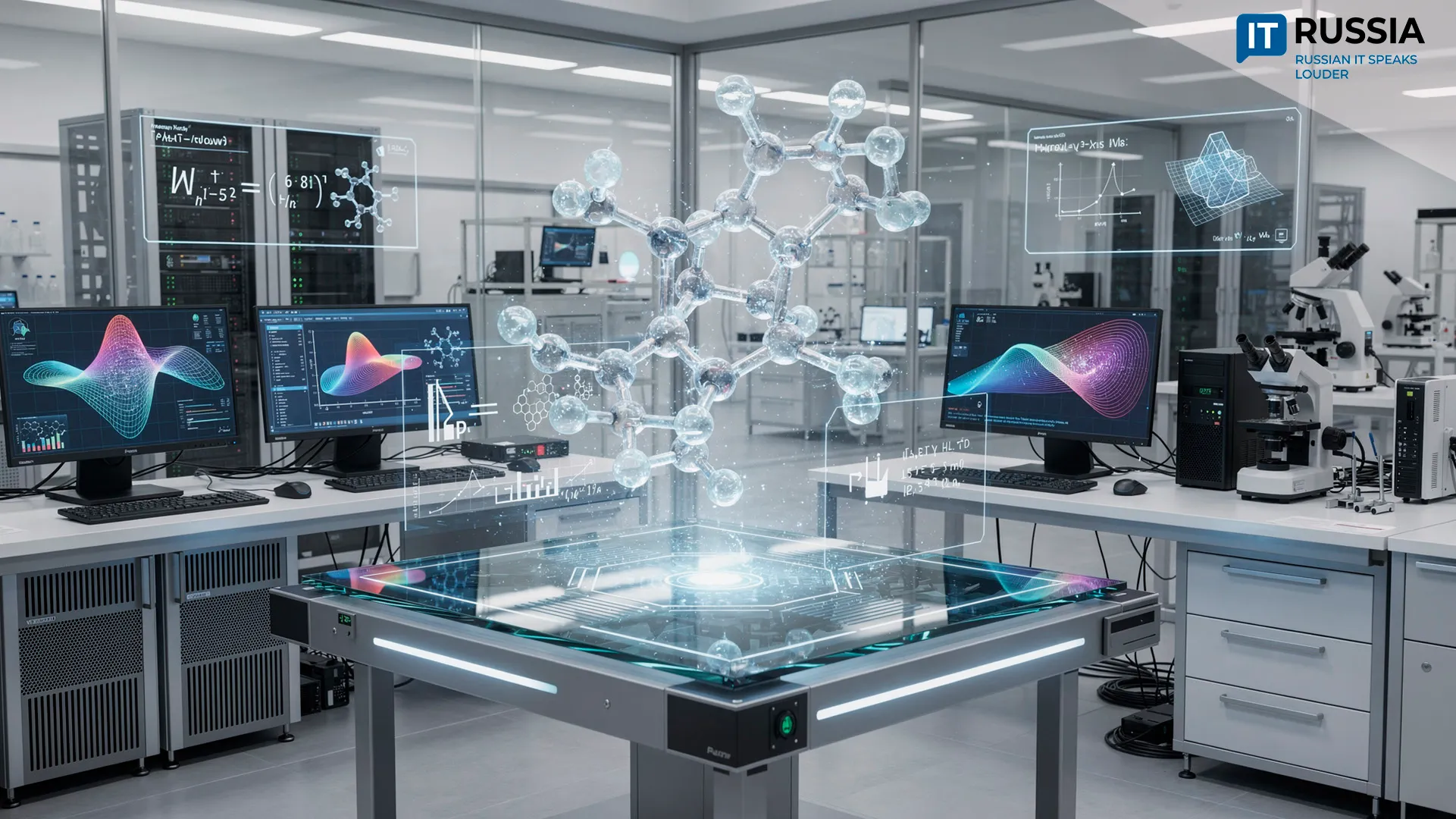
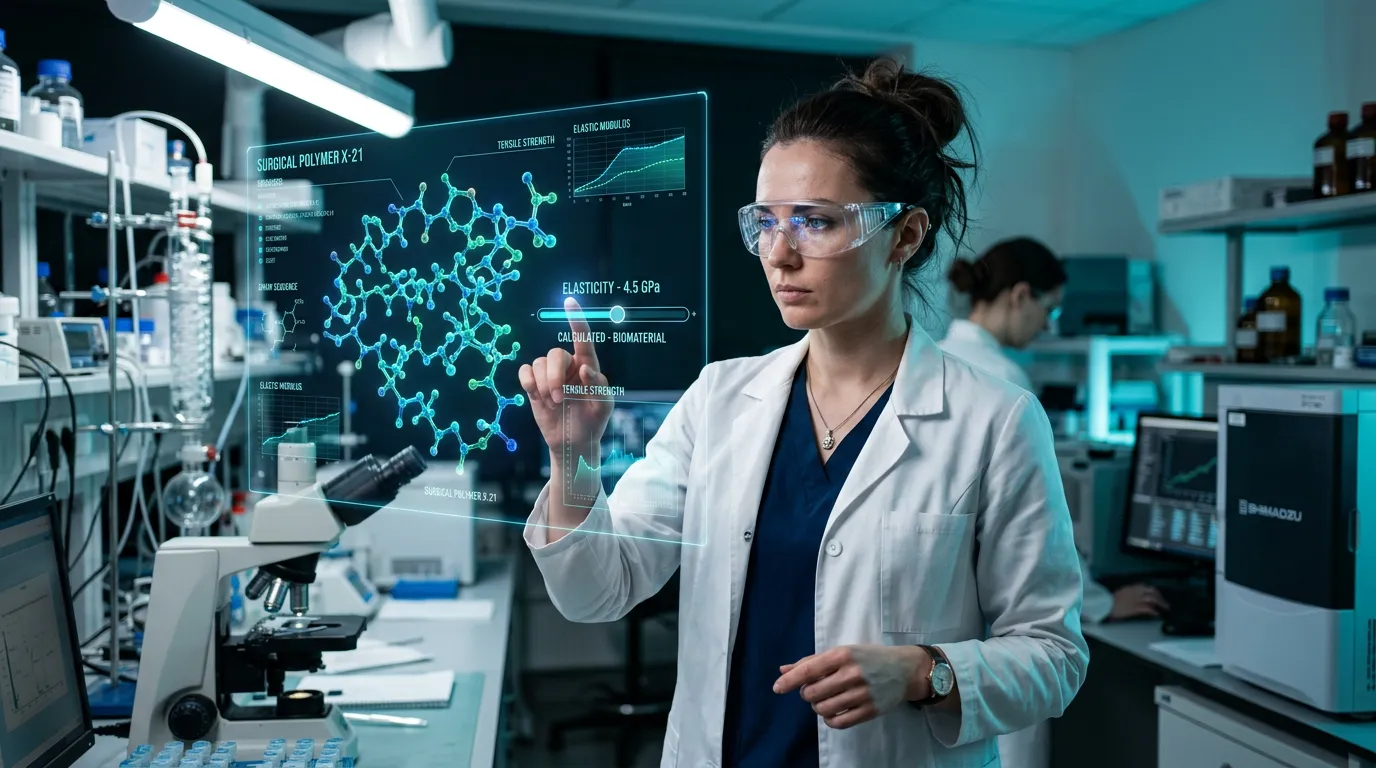
MSU researchers have taken an important step forward in biomaterials research by developing a computational model capable of predicting the properties of promising surgical adhesives before they are physically synthesized. How do polymer chain length, solvent properties, and interactions with biological tissues influence strength and elasticity? The new algorithm is designed to answer that question.
The work operates at a fundamentally scientific level: the researchers have effectively created a digital twin of the material. That, in turn, marks the project's most important innovation. Computational modeling is no longer simply a supporting research tool but the foundation of the development process itself. The virtual environment makes it possible to eliminate unpromising formulations before laboratory testing begins, potentially saving years of costly trial-and-error experiments. For Russia's IT sector, the project demonstrates how software can drive the creation of advanced physical materials. More broadly, it reflects a growing international shift toward the digital design of biomaterials.
A Different Adhesive for Every Organ
What could this mean for patients? In the long term, it points toward safer and more flexible wound dressings. Surgical adhesives could supplement or even replace conventional sutures, reducing tissue trauma while accelerating recovery.
The greater challenge, however, is that no universal surgical adhesive exists. Skin, blood vessels, the heart, and the brain all require materials with very different mechanical properties. Some applications demand rigid fixation, while others require exceptional elasticity capable of withstanding constant muscle contractions. In principle, the MSU model makes it possible to tailor polymer systems for specific clinical applications. Over time, that capability could support families of specialized sealants for cardiac surgery, neurosurgery, dentistry, and the treatment of severe burns.
A Retrospective of Scientific Progress
The need for such technologies is especially acute in Russia today. The withdrawal of foreign manufacturers created shortages in the medical adhesives market, leaving hospitals in need of domestic alternatives, including fibrin-based surgical glues. Russian research groups have continued to advance the field, building an increasingly strong technological foundation. Looking back over the past several years reveals impressive progress.
In 2024, Privolzhsky Issledovatelsky Meditsinsky Universitet (Privolzhsky Research Medical University, PRMU) launched work on a biocompatible adhesive derived from components of human blood, while the Rossiysky Nauchny Fond (Russian Science Foundation, RSF) supported a project focused on polypeptide-based adhesives. In 2025, the Nizhny Novgorod-based FibriNNect project entered a stage of close collaboration with practicing surgeons, and researchers introduced a prototype sealant based on animal proteins. In 2026, Permsky Politekhnichesky Universitet (Perm Polytechnic University) and Baltiysky Federalny Universitet imeni I. Kanta (Immanuel Kant Baltic Federal University) began work on collagen hydrogels derived from marine organisms for tissue engineering applications.
Against the backdrop of these laboratory-based advances, the MSU project stands out as a strategic digital framework. Rather than focusing on a single biomaterial, it moves the field toward systematic computational engineering, creating opportunities for closer collaboration among universities, hospitals, and medical device manufacturers.
From Algorithm to Operating Room
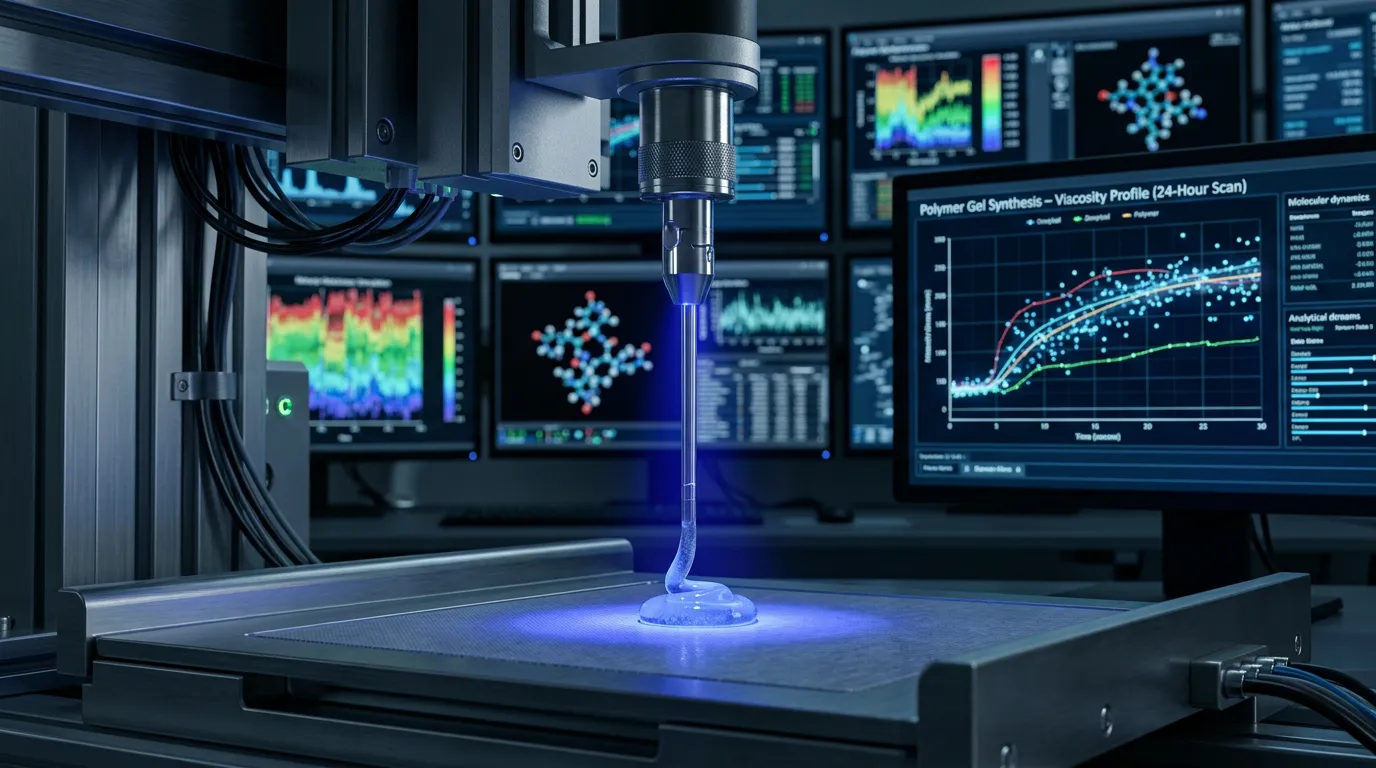
Naturally, a considerable distance remains between a computational model and a medical product ready for clinical use. The next step will involve synthesizing the polymer candidates identified by the algorithm and evaluating their biocompatibility, toxicity, and biodegradation rates under physiological conditions.
Commercialization and potential export would require an industrial partner, manufacturing scale-up, and rigorous clinical trials. Even so, the central achievement has already been demonstrated: Russian researchers have shown that next-generation biomaterials can be designed at the intersection of information technology, computational physics, and medicine.
The convergence of these disciplines is more than a reflection of today's emphasis on interdisciplinary research. It represents an important step toward improving healthcare while strengthening technological capabilities. When algorithms take over the time-consuming task of selecting promising molecular candidates, researchers can devote more effort to developing technologies that ultimately have the potential to improve and save lives.