Kaspersky Password Manager Gets an Enterprise Version
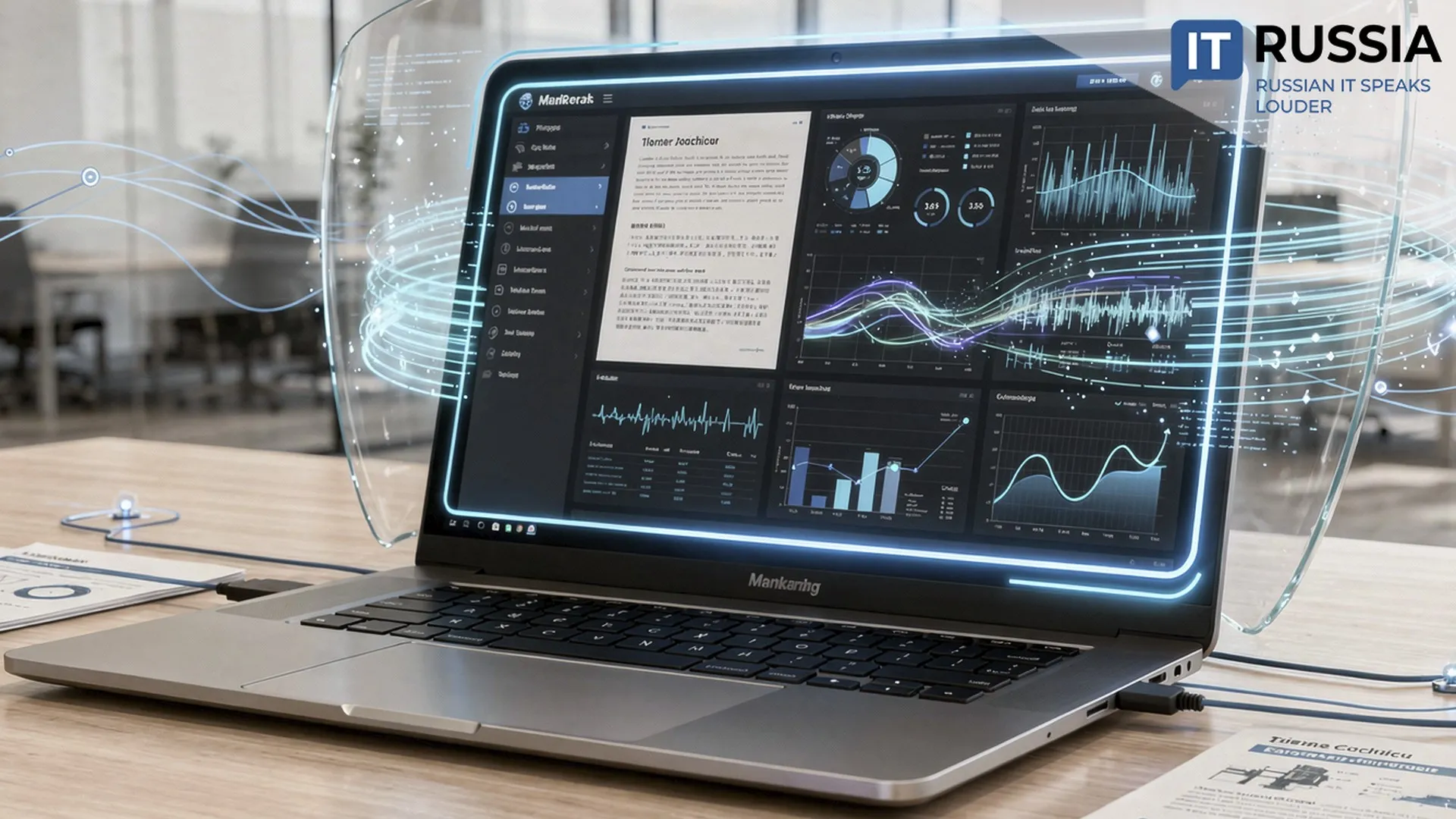
The new version allows organizations to manage passwords centrally while maintaining a high level of data protection.
A password is typically the first line of defense for access to a system. But it comes with a critical vulnerability: the human factor. People do not always take the trouble to create complex passwords, instead relying on simple character combinations that attackers can exploit. The risks are particularly high for organizations, where compromised credentials can lead to large-scale data breaches. Automated password managers are one tool for addressing that problem.
Fewer Passwords to Remember
Kaspersky has introduced one such tool. The company released Kaspersky Password Manager for businesses, allowing organizations to centrally manage passwords throughout their lifecycle. The system automatically generates strong character combinations. As a result, employees no longer have to create passwords themselves for different services whenever credentials need to be updated. Nor do users have to remember a large number of combinations. They need only one master password to access the program.
KPM does more than generate complex passwords. It can also securely store passwords, time-based one-time password codes, or TOTPs, access keys, as well as corporate documents and bank card information in encrypted form. That reduces the risk of confidential information being exposed.
Role-Based Access
Another advantage of Kaspersky’s product is support for role-based security policies. Kaspersky Password Manager allows organizations to separate employee access privileges, for example by restricting access to specific actions or settings.
“To protect accounts, it is important to use different, unique passwords rather than the same combination for every service. If an attacker cracks the password for one service, they automatically gain access to all the others as well. Even so, quite a few people still use the same combination,” said Andrey Berestyansky, senior developer with the Digital Footprint Intelligence service.

The Human Factor Creates Vulnerabilities
According to 2026 data from Kaspersky Digital Footprint Intelligence, 37% of users reused old passwords after changing just one lowercase letter to uppercase or vice versa. Another 13% added a year to the combination, while 17% added a single special character. Lack of variety poses another security problem. At least one password used by 39% of users consists solely of numbers, for example, while 31% have at least one made up exclusively of letters from the English alphabet. Meanwhile, about a quarter of all cyberattacks against enterprises in 2025 began with compromised credentials.
Password managers have been evolving in Russia for years. In 2023, for example, Kaspersky Password Manager added built-in storage for two-factor authentication keys. The update reflected a broader shift from simply storing authentication combinations toward providing more comprehensive information security. Another major update came in 2025 with Passkey support, as Kaspersky began moving its software toward passwordless authentication. The launch of the enterprise version of Kaspersky Password Manager is a logical next step in that progression.

Competition Could Improve Choice
Russia’s enterprise password manager Passwork also received a major update. The seventh version of the product was released in 2025, with support for role-based access, API integration, activity auditing and centralized management of corporate credentials.
Kaspersky’s new product will intensify competition in Russia’s enterprise password manager market, bringing meaningful improvements for customers. As developers compete for users, they will have greater incentive to improve their software and add increasingly advanced security tools. That, in turn, should give organizations a broader selection of robust security products.