VGK and Sakhalin State University Match AI to Real-World Mining Tasks
East Mining Company (VGK), together with Sakhalin State University, is exploring ways to expand the use of AI at production sites. Among roughly 20 potential applications are computer vision for monitoring conveyor equipment, haul-road condition analysis, telemetry, predictive analytics and decision-support systems.
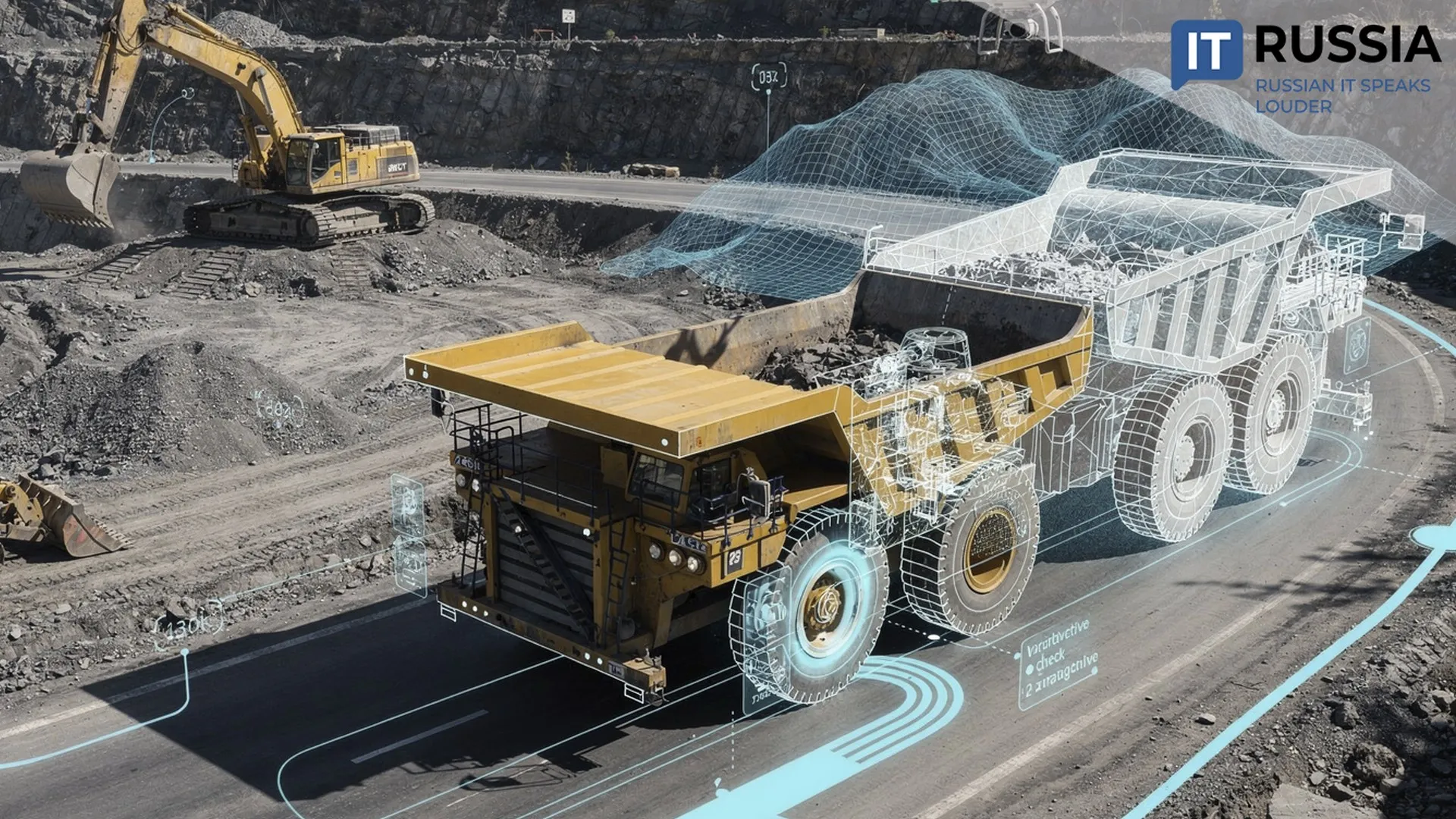
VGK already uses digital tools and AI at its Solntsevsky coal strip mine to analyze equipment performance and improve the efficiency of production processes. The next stage will involve testing individual technologies that can deliver rapid, measurable improvements in operations.
Focus on High-Potential Applications
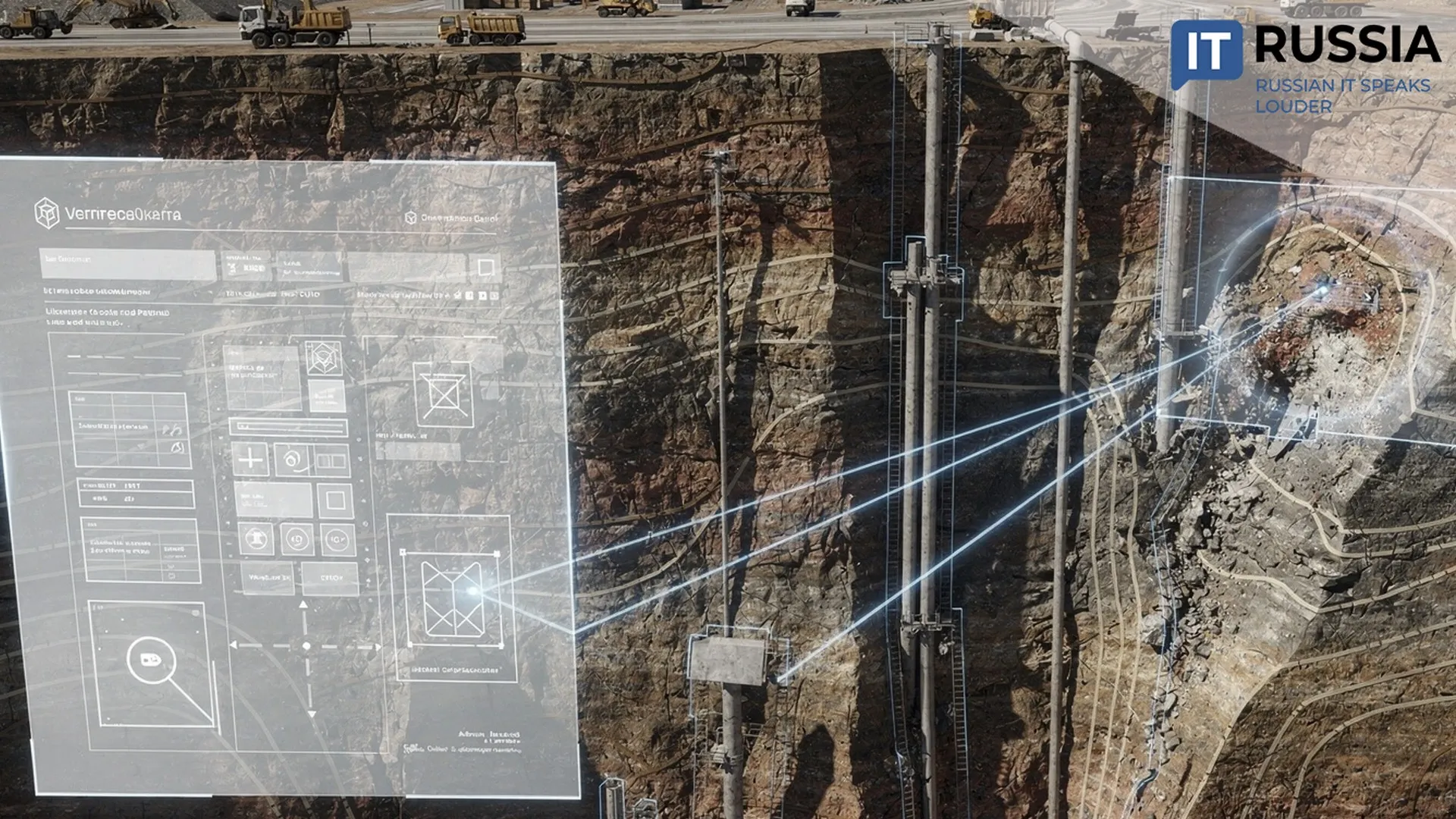
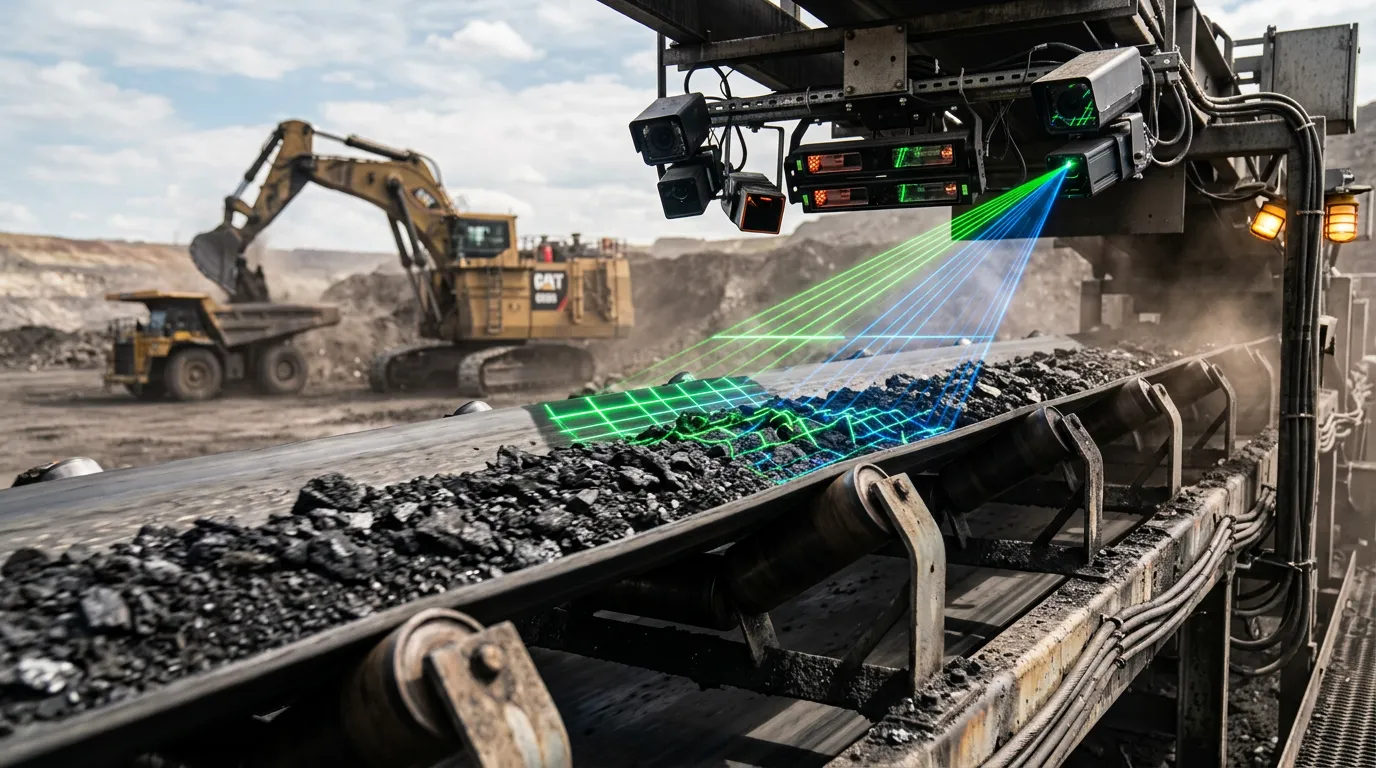
To understand production processes from the inside, researchers from Sakhalin State University’s Artificial Intelligence Center visited the company’s operating sites. As part of the broader joint initiative, company and university professionals are comprehensively assessing what AI could deliver in production. Several particularly promising areas have emerged. They include computer vision for conveyors that can detect belt defects in real time, monitor heavy equipment and automatically identify oversized pieces of rock that could potentially cause blockages. Other applications include haul-road monitoring using a drone port and predictive analytics that can anticipate equipment failures.
Delivering Results
A key principle of the joint project is to identify genuine weak points and address them with specific AI tools. In parallel with its search for production applications, VGK is investing in human capital. With the company’s support, Sakhalin Mining Technical School has launched a Technical Operation and Support of Information Systems program under the federal Professionalitet (Professionalism) project. The company is building its own IT workforce to operate digital and AI systems.
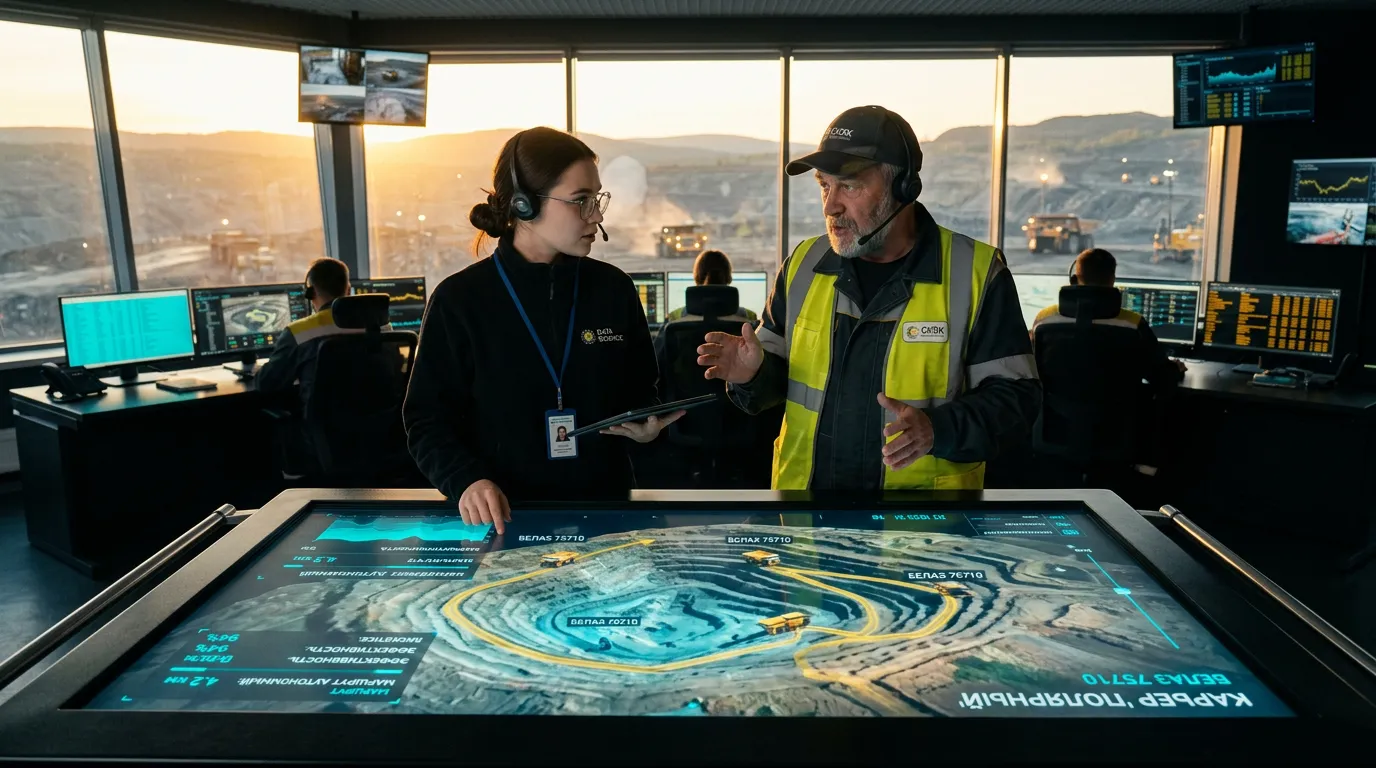
VGK already has experience deploying AI. Its Solntsevsky coal strip mine operates a situational analytics center, where AI analyzes equipment performance parameters and makes recommendations to operators. According to the company, earlier deployments of digital tools increased excavator productivity by 6% and dump-truck freight turnover by about 7.5%. An AI agent used to recruit workers has also made its first hire – a bulldozer operator.
The partnership between the mining company and Sakhalin State University has proved highly effective. Employees approach developers on their own initiative to flag pressing operational problems. The company, in turn, supplies precise data and operational expertise, keeping technical use cases as closely grounded in real production conditions as possible.
Mining Turns to AI and In-House Development
Russian mining companies are actively using video analytics, machine learning and digital advisory systems, while industry investment in digital technologies has nearly doubled over the past five years, according to Rosstat.
The partnership between industry and academia deserves particular attention because it is building Sakhalin’s own mining talent and expertise. Over time, the ability to develop technology in-house could become a significant alternative to buying off-the-shelf systems from outside contractors. Developing internal talent is particularly important for industrial AI: the sector needs professionals who understand both algorithms and the underlying production processes.
Similar examples of collaboration between universities and industry can be found elsewhere in the sector. Nornickel and the Moscow Institute of Physics and Technology, for example, launched the AI Transformation v promyshlennosti (AI Transformation in Industry) master’s program. Nornickel experts help develop the curriculum and serve as mentors and academic advisers to students. Graduates can immediately apply what they have learned to the company’s real-world projects. Nornickel Sputnik, the company’s IT unit, also plays an active role in educational initiatives and helps build a pipeline of future employees.
Gazprom Neft and Innopolis University have maintained a close partnership since 2018. Together, they have developed digital tools including predictive analytics, monitoring and automation systems for autonomous oil fields, as well as digital twins of infrastructure. At the St. Petersburg International Economic Forum in 2025, the two parties signed a trilateral agreement with NedraDigital aimed at creating an AI platform for geomechanical modeling.
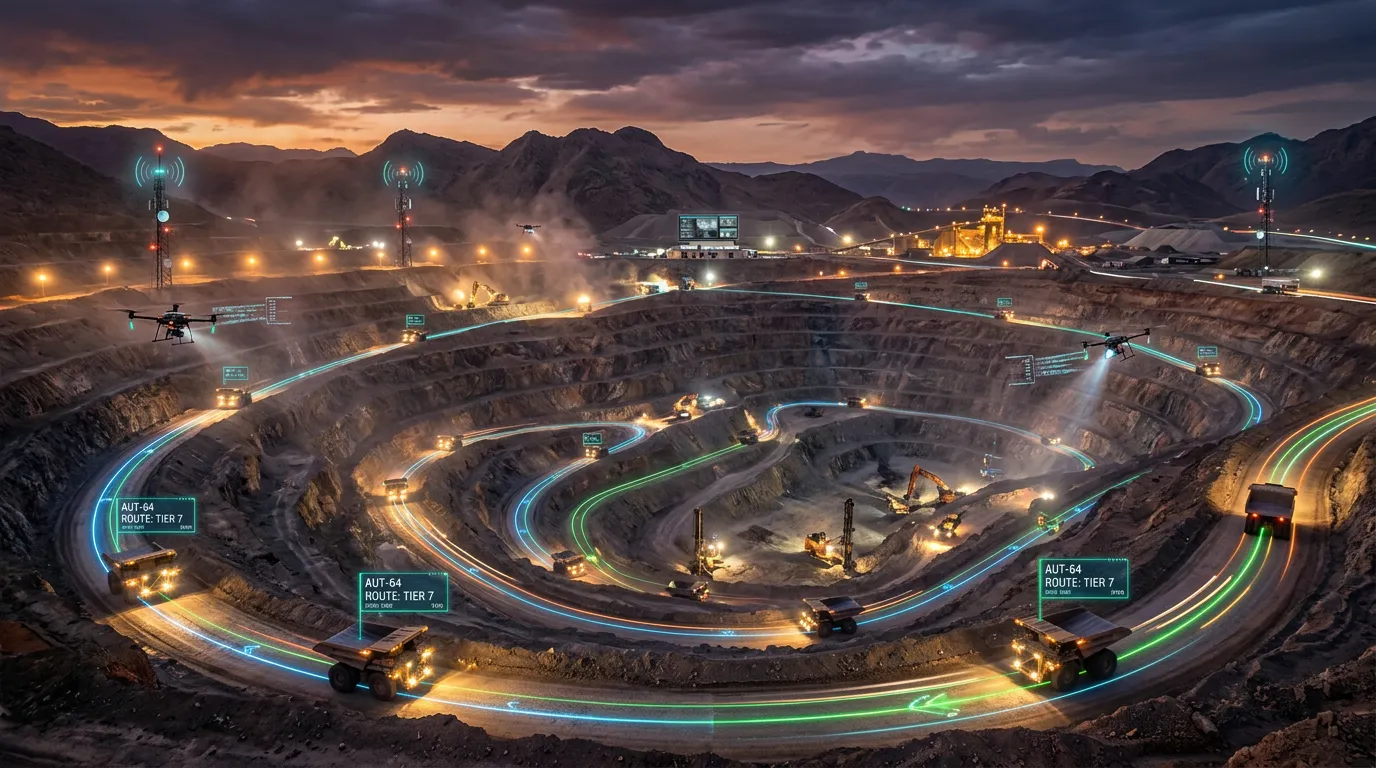
Notably, VGK is expanding an industrial AI framework that is already in operation and moving on to explore dozens of new practical use cases. AI in Russia’s mining industry is clearly evolving from an experimental technology into a tool for improving specific production metrics.