

Robots to Package Grain in Russia’s Altai Region
Ready Robot, a Chelyabinsk-based robotics developer, has signed a contract for comprehensive production automation with the largest grain-processing holding company in Russia’s Altai region.
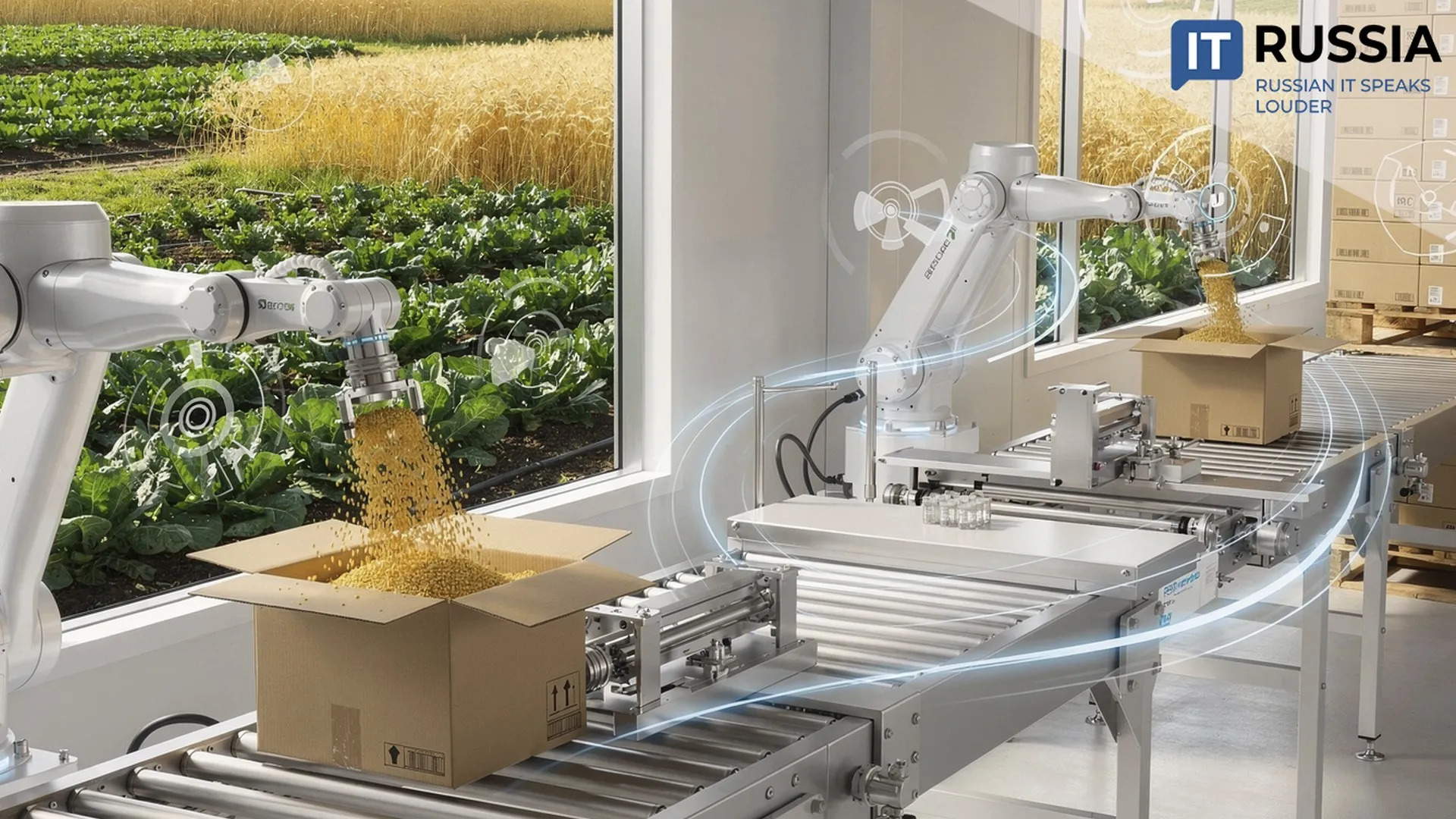
Automation is now reaching virtually every segment of Russia’s food industry. The shift is particularly rapid in finished-product packaging. Heavy physical workloads, repetitive operations, the need for error-free performance, strict sanitary requirements, and labor shortages are driving the continued adoption of robotic systems.
Robots for Altai Producers
Altai Krai is one of Russia’s largest agricultural regions, with 11.031 million hectares of farmland. It has some of Siberia’s most favorable natural and climatic conditions for agriculture, including the cultivation of high-quality grain crops. That, in turn, places particularly high demands on how agricultural products are processed.
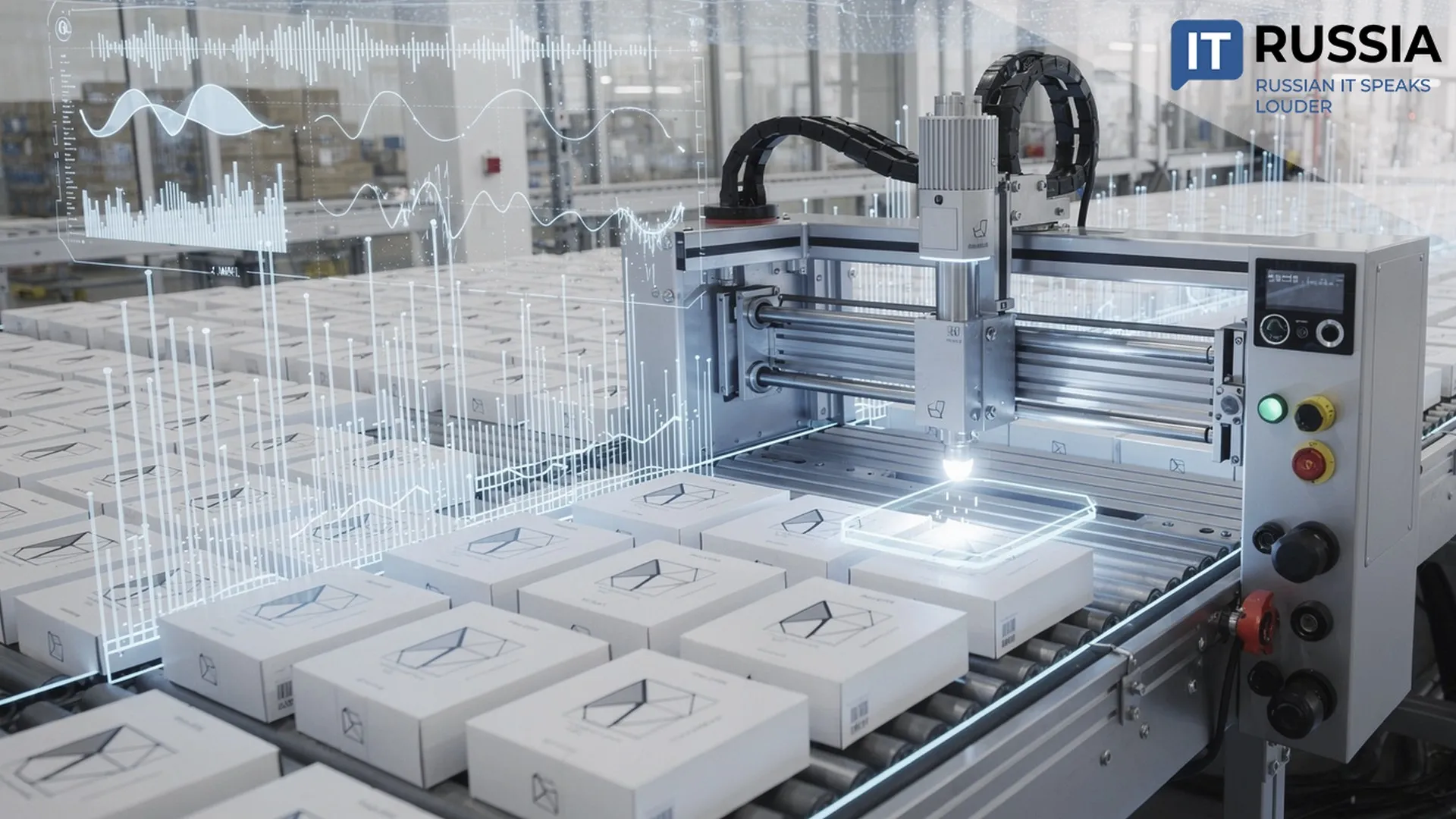
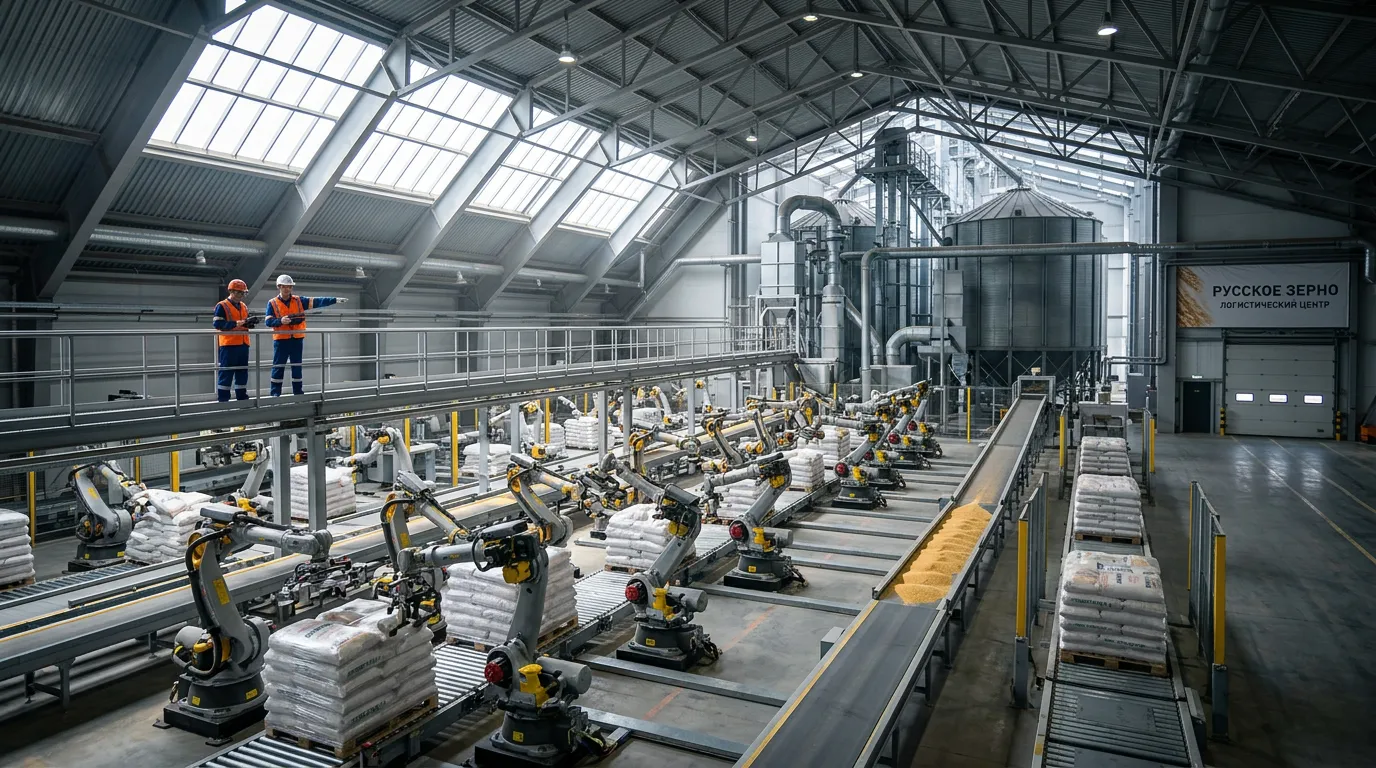
Developers from the Urals are helping Altai producers automate their operations. Chelyabinsk-based robotics manufacturer Ready Robot, which operates under the ReadyPack brand, has signed a strategic contract with the Altai region’s largest grain-processing holding company. The customer’s facilities will receive robotic solutions that will be installed, commissioned, and put into operation to fully automate packaging, palletizing, and wrapping of finished products – the final stage of the production cycle. The project will deploy Russian-made robotic palletizers and pallet-wrapping systems manufactured at Ready Robot’s Chelyabinsk plant. Ready Robot’s in-house manufacturing makes the platforms technologically independent and enables rapid equipment servicing. By minimizing manual labor, allowing packaging lines to operate around the clock, and using high-speed equipment, the system is expected to increase shipments of finished products to customers by 50%.
Russia’s Industry 4.0
One important feature of the new project is the option to integrate Chestny znak (Honest Sign), Russia’s national product-traceability system, directly into the packaging line. The new system therefore does more than reduce physical labor in packaging. It turns the final section of the production line into an automated complex that becomes part of a nationwide digital product-tracking system and the foundation of the company’s logistics chain. The result is a platform combining robotics, industrial automation, and digital production-management systems. It marks the beginning of a shift in Russia’s food industry from automating individual operations to comprehensive production-line robotization and Industry 4.0, or smart manufacturing.
At the same time, Russia’s IT industry is gaining a new market segment at the intersection of information technology and food-processing machinery. It will require continuous software improvements, new controllers, monitoring technologies, and integration with manufacturing information systems.
Similar systems are already being deployed at Russian food-processing plants. At the Edelweiss dairy plant in Kazan, for example, a cobot – a collaborative robot designed to work alongside people – shares the production floor with human employees. These automated systems can operate safely in open work areas literally alongside people. In this case, the cobot has taken over heavy, monotonous work: on a UHT-product packaging line, it moves as many as 11,000 cartons a day.
Robotizing the Food Industry
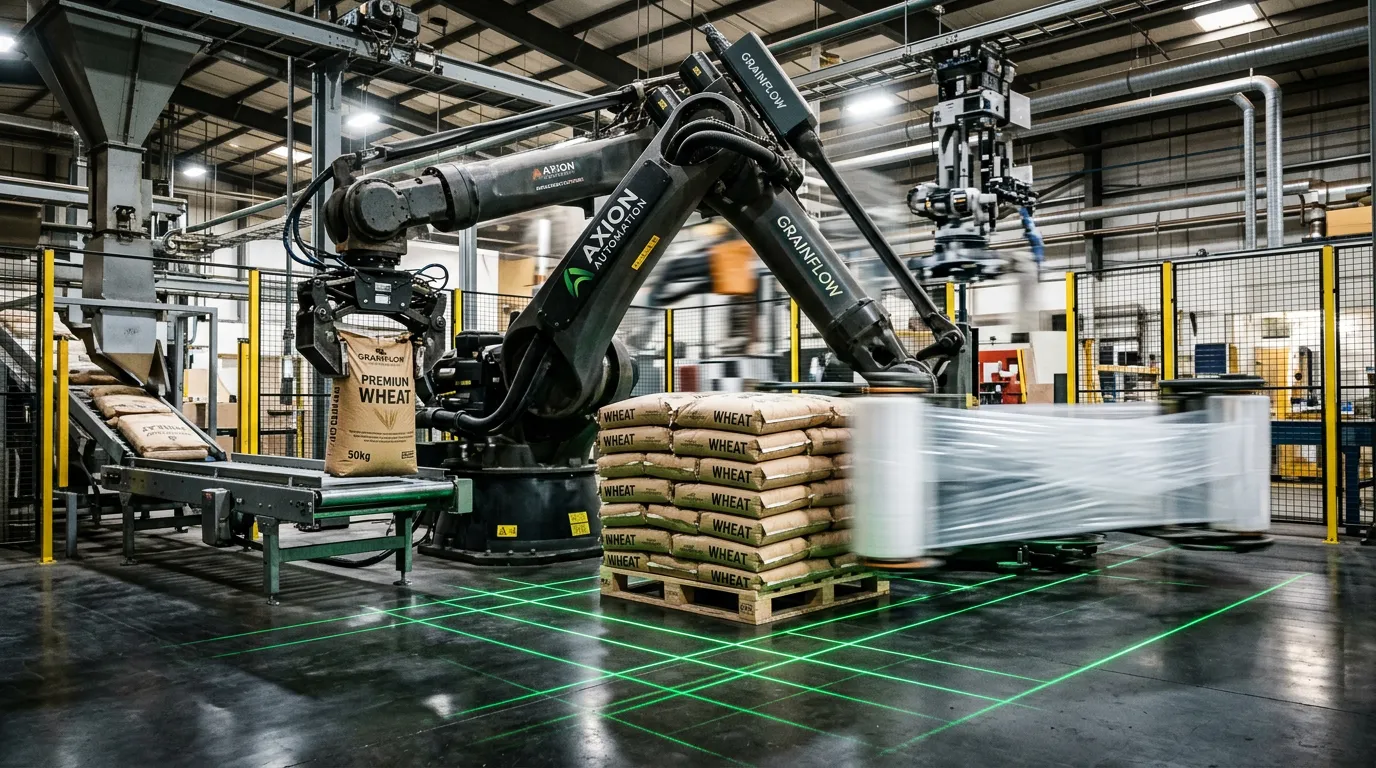
The food industry is now among Russia’s five most automated industries, with robots used for packaging, palletizing, product handling, and quality control. Ready Robot’s technology could also find applications at other major grain-processing companies. Over the next two years, such systems are likely to become increasingly common in packaging, palletizing, and internal factory logistics. Demand is expected to be particularly strong in Krasnodar Krai, Stavropol Krai, and Rostov Oblast, Russia’s traditional grain-producing heartlands.
Robotization of Russia’s food industry has become a clear trend. Companies that decline to invest in the transition will sooner or later lose ground to competitors and risk losing their businesses. According to the National Rating Agency, or NRA, investments in robotics can generate EBITDA-margin savings of 3% to 5%. Companies that move to Industry 4.0 technologies earlier than their competitors will also be able to increase output, lower production costs, and expand exports.
Exports of digital technologies are also expected to grow. Ready Robot already has experience working with food manufacturers abroad. The Chelyabinsk robotics company has worked with producers of juices, meat products, household chemicals, and pharmaceuticals in Egypt and has held talks with distributors in the Middle East. Its new equipment could find demand in countries developing their own grain-production industries.