

Robot Inspector Guards Heating Networks as Surgut Deploys Digital Diagnostics for Underground Infrastructure
In Surgut, robotic diagnostics have been conducted on a district heating main running beneath one of the city’s busiest intersections – where Mira Avenue meets Mayakovsky Street. The inspection was one of the final stages in preparing the city’s district heating network for the fall and winter season.
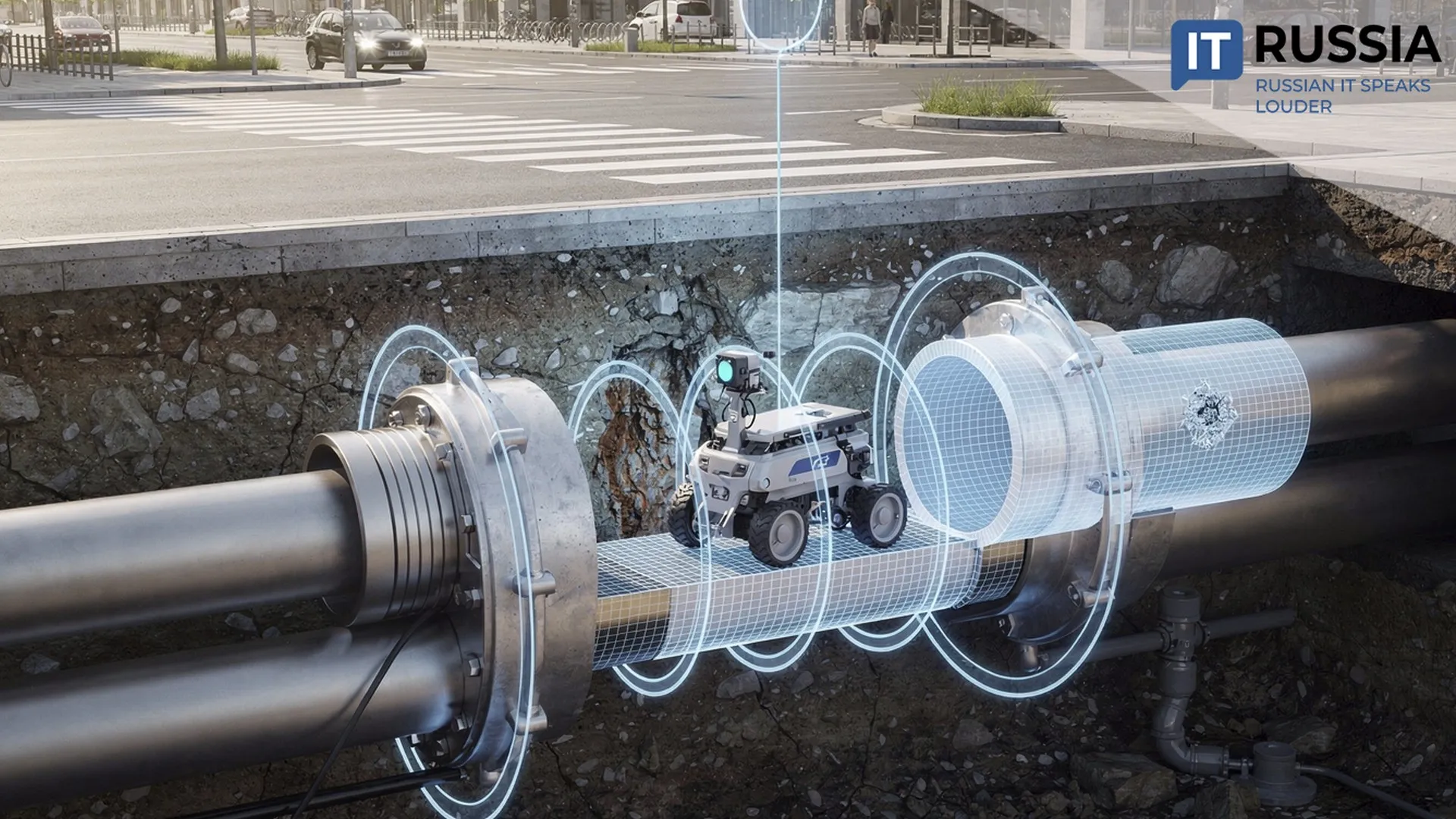
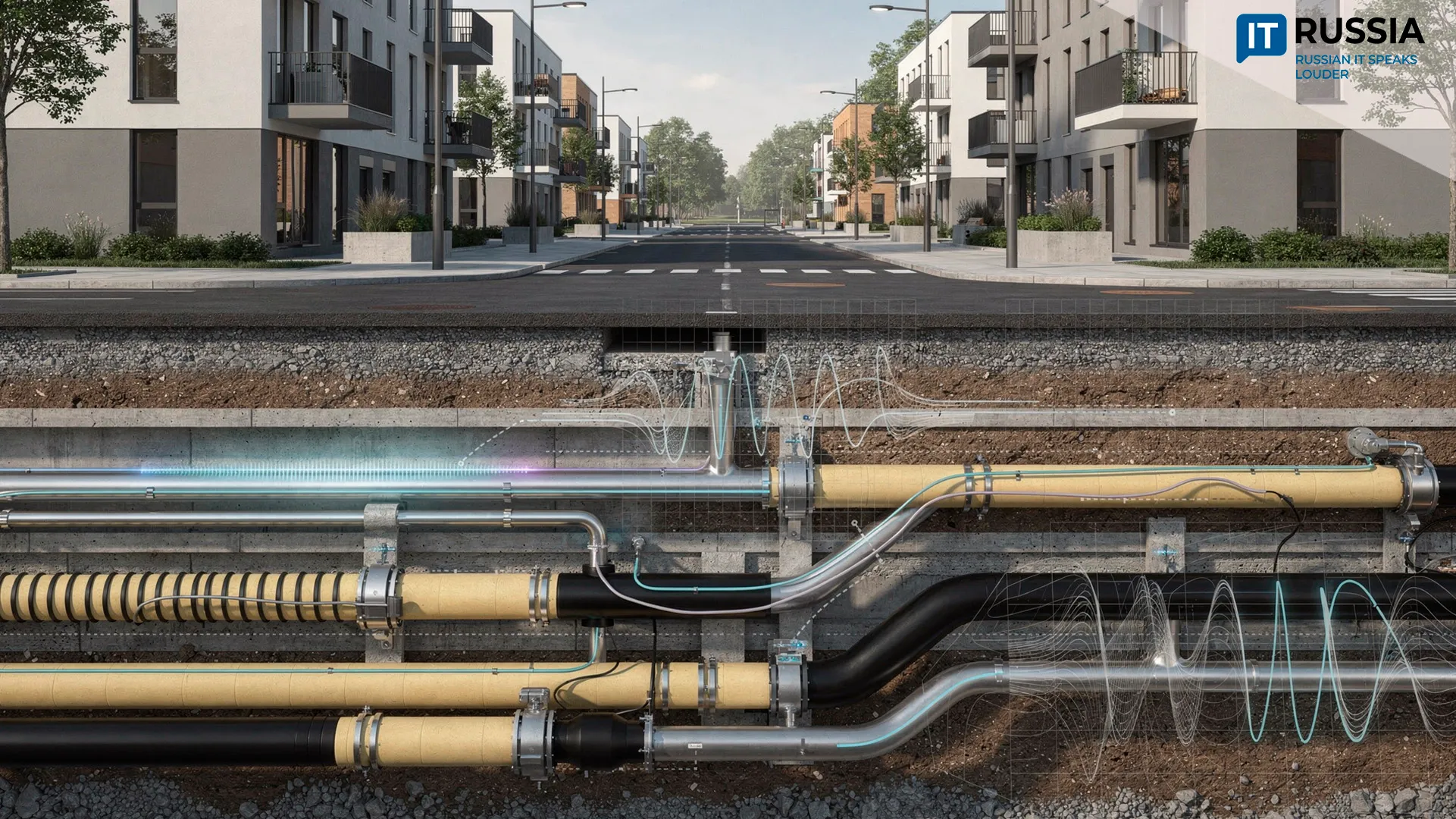
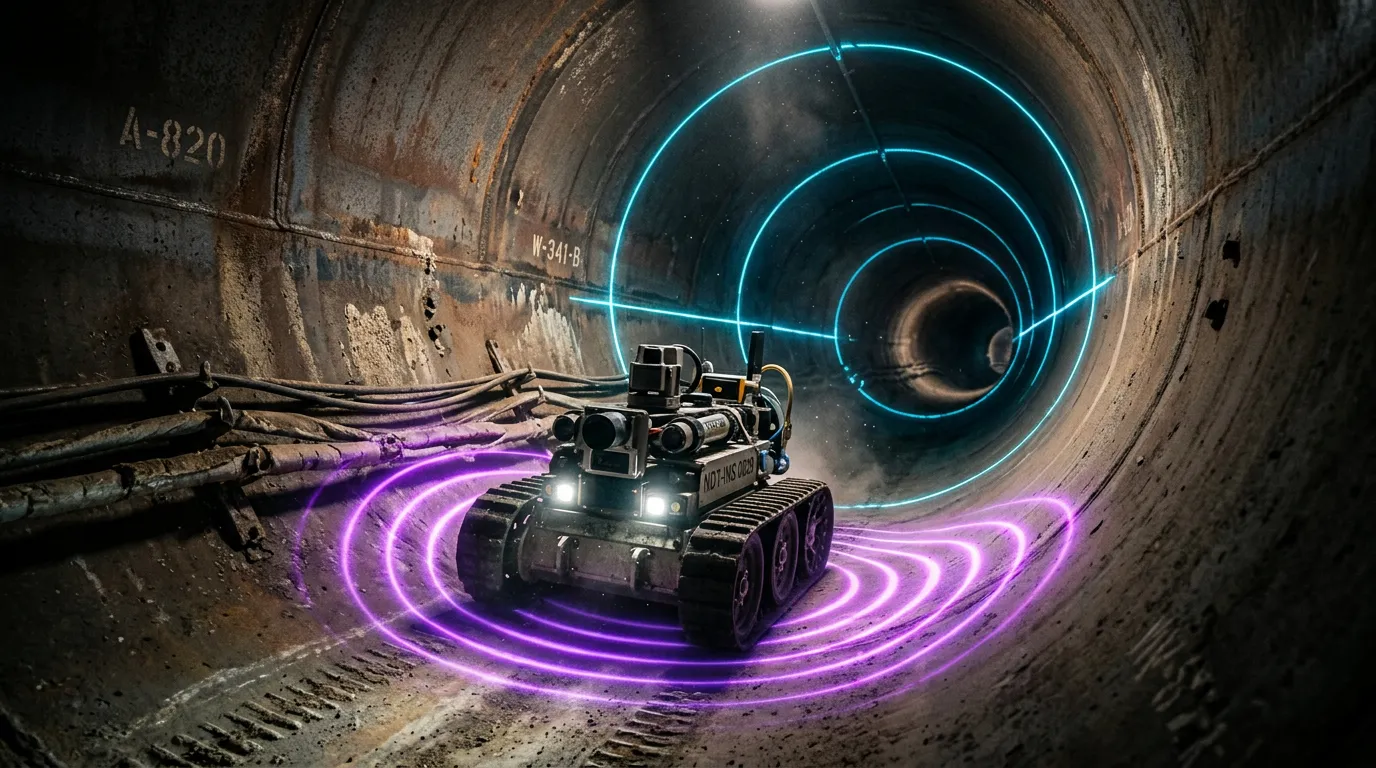
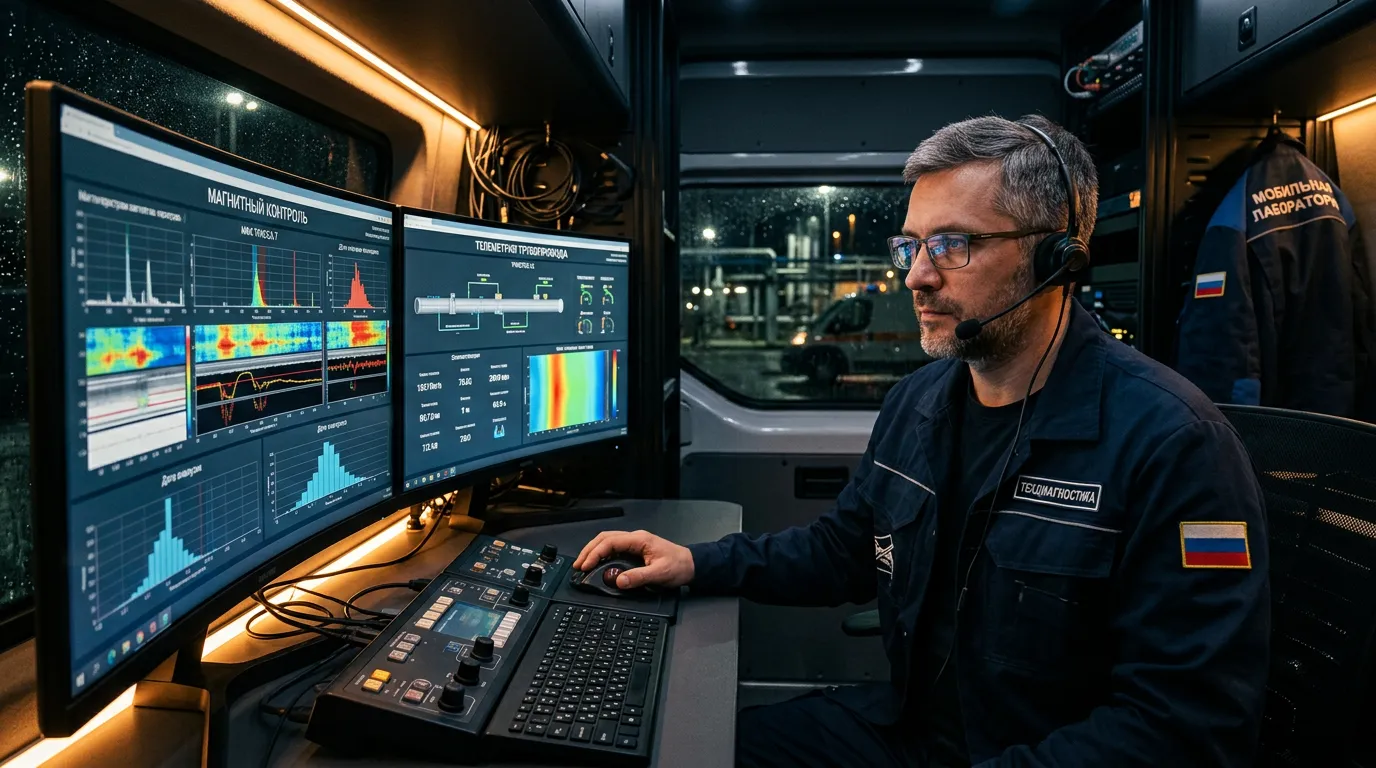
Surgutskie gorodskie elektricheskie seti LLC carried out the work. A specialized robotic system inspected the condition of an 820 mm (32-inch) pipeline. Equipped with visual measurement instruments and magnetic sensors, the robot travels inside the pipe and records changes in the magnetic field that can indicate corrosion, cracks or thinning walls. Specialized software then analyzes the data, pinpointing the location and characteristics of defects so operators can decide whether a damaged section needs to be replaced.
This combination of industrial robotics, instrument-based measurements and digital data analysis gives utility operators a more detailed picture of network conditions. The method has an important advantage: it can uncover hidden defects that conventional hydraulic testing does not always detect. A pipe can sometimes withstand elevated test pressure and still burst later during the heating season. In-pipe diagnostics with a specialized robotic system can minimize the likelihood of such failures.
From Surgut to Novosibirsk: Scaling the Technology
Robotic in-pipe diagnostics have considerable room to expand and have already become a nationwide trend in Russia. Major district heating operators are increasingly deploying specialized systems to inspect their transmission mains. Siberian Generating Company (SGK), for example, began using in-pipe diagnostics at scale in Novosibirsk in 2024 and plans to inspect 32 kilometers (20 miles) of mains in 2026. While many companies still hire outside contractors for such inspections, SGK is gradually purchasing its own robots and training its own personnel, allowing more of the work to be handled in-house.
Meanwhile, the robotic systems themselves are becoming more capable. Diakont, one of Russia’s leading manufacturers in the field, brought a new generation of these robots to market in 2025. Their speed inside pipelines has increased fivefold, and they can travel as far as 1 kilometer (0.6 miles). Diakont has long operated internationally with its other technologies, giving its robotic inspection systems strong export potential as well.
From Emergency Repairs to Predictive Maintenance
Diakont was one of the pioneers of robotic systems for district heating network diagnostics in Russia. In 2009, its robots began inspecting networks operated by TEK SPb in St. Petersburg.
Widespread adoption of these robots by utilities, however, began in the early 2020s. In 2021, the Samara branch of T Plus started using robotic diagnostics on district heating networks in Samara. The technology was introduced in Chelyabinsk that same year, followed by Krasnodar in 2023.
In Siberia, SGK was an early adopter, deploying robots to inspect networks in Kemerovo and Novosibirsk in 2024. That same year, the company began building its own in-pipe diagnostic units. In 2024 and 2025, the robots also came into widespread use in Barnaul and Yekaterinburg. More Russian cities are joining the list each year.

Digital Diagnostics Set a New Reliability Standard
Surgut has now become another Russian city where digital technology is changing how utility infrastructure operates. The primary advantage of robotic inspection systems is their ability to identify hidden defects and prevent failures rather than respond to them in the middle of the heating season. They also minimize the role of human error: specialized software analyzes the collected data with high precision, identifies weak points and recommends where pipes should be replaced.
At the national level, this provides a clear illustration of the growing adoption of Russian technologies in industrial robotics, nondestructive testing and software-based infrastructure condition analysis. The pilot-project stage is largely over, and these technologies are moving into full-scale operational use.